



Antique Glass Dessert Dish
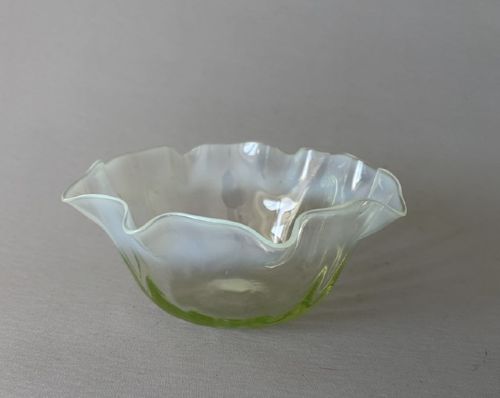
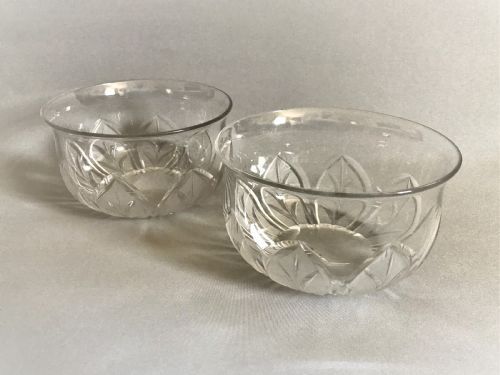
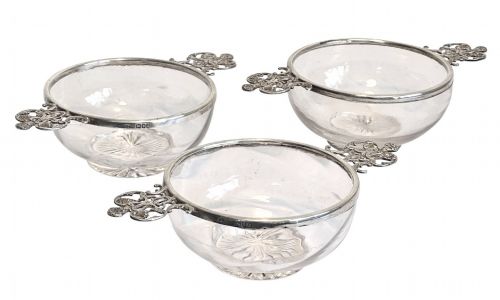
These antique glass dessert dish examples bring period tables to life with cut crystal, heavy lead glass and delicate silver mounts.
Antique Glass Dessert Dish
An antique glass dessert dish serves sweet courses, fruits and custards, emerging in forms ranging from Georgian sweetmeat glasses and jelly glasses to Victorian finger bowls and ice plates.
Makers produced these pieces in lead glass, flint glass and clear glass, often pairing them with sterling silver mounts or silver plate to elevate the table service.
Victorian and Georgian examples dominate the selection, showing styles from heavy cut and frosted designs to clean etched Greek key patterns and bright cranberry glass.
Materials and methods
Glassmakers utilised lead glass and flint glass to achieve brilliance and weight, shaping vessels through free blowing or moulding before applying decorative cuts.
Antique Glass Dessert Dish Retail Price Guide 2026
Typical asking prices for glass dessert dish among the pieces listed under this phrase on Sellingantiques today, from the lower quarter to the upper quarter. They describe what is for sale here now, not the wider market.
Judging quality and craft
Weight and clarity distinguish superior lead glass from simpler pressed wares, while precise wheel-cutting and crisp etching demonstrate the skill of the glasscutter.
Completeness defines sets, where matching groups of bowls, plates or custard cups retain their original proportions and undamaged silver mounts.
William Comyns·Viners
The Antique Glass Dessert Dish Glossary
- Sweetmeat glass
- A tall-stemmed vessel designed for serving sweet confections, nuts or dried fruits. These pieces often feature baluster stems characteristic of earlier periods.
- Finger bowl
- A small bowl filled with water for rinsing fingers between courses. Victorian examples frequently utilise cut, frosted or etched glass.
- Tazza
- A shallow ornamental dish mounted on a pedestal or foot. This form displays coloured crystal and patterned glass above the table surface.
- Ice plate
- A specialised small plate used in serving chilled desserts. These items are commonly found in free blown crystal.
- Custard cup
- A small handled or plain vessel intended for individual portions of custard. Sets of these cups highlight the domestic table settings of the Victorian era.
Antique Glass Dessert Dish: Frequently Asked Questions
What were these glass dishes used for?
These pieces held sweet courses, jellies, custards and fruits at formal dining tables throughout the Georgian and Victorian periods.
Specific vessels served specialised roles, such as finger bowls for rinsing hands or sweetmeat glasses for preserved fruits and confections.
How do I date an old glass dish?
Dating relies on stylistic clues, manufacturing techniques, and the presence of pontil marks on the underside of free blown pieces.
Heavy baluster stems point to the eighteenth century, whereas matching sets with etched or frosted decoration typically belong to the Victorian era.
Are silver mounts common on these dishes?
Silver mounts appear on select pieces where silversmiths added fitted frames, rims or pierced spoons to enhance the glass vessels.
These combined items often feature hallmarks that provide a precise year of manufacture for the metal components.
How do I care for antique glass?
Wash antique glass by hand in warm water using mild soap, avoiding harsh scrubbing and sudden temperature changes that might crack the material.
Store pieces securely on stable surfaces and keep silver mounts polished separately with appropriate cleaner to prevent tarnish buildup.