




Georgian Sweetmeat Glass
A georgian sweetmeat glass is an 18th-century pedestal vessel for confectioneries, prized by collectors for its optical lead metal and intricate stem formations.
Georgian Sweetmeat Glass
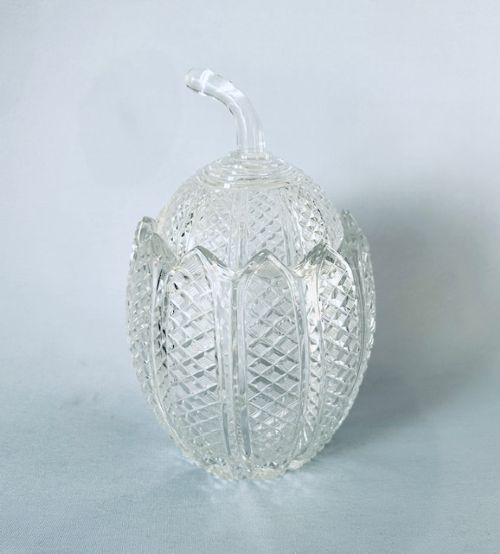
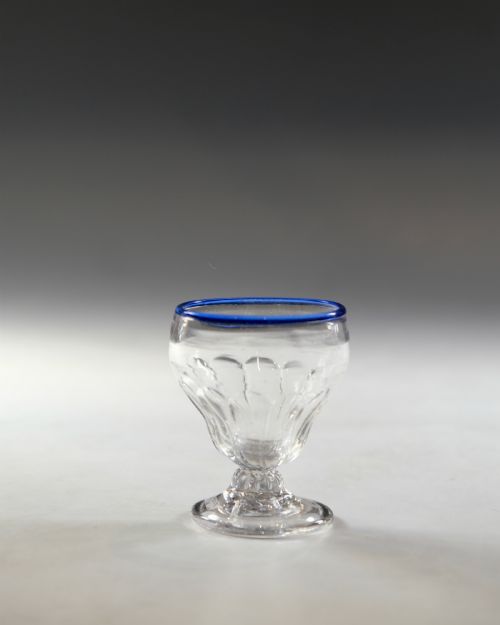
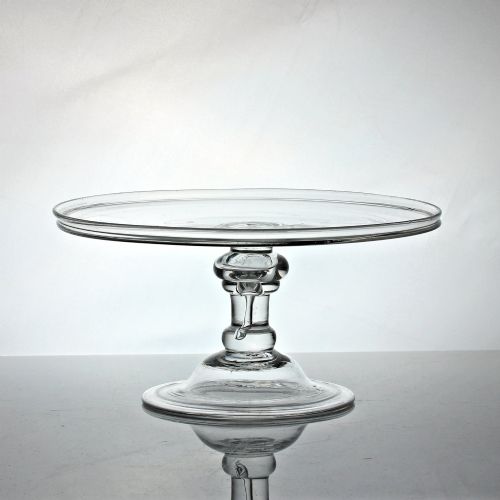
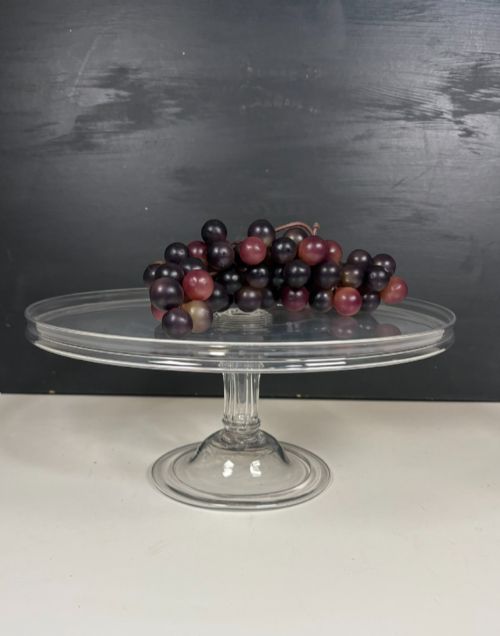
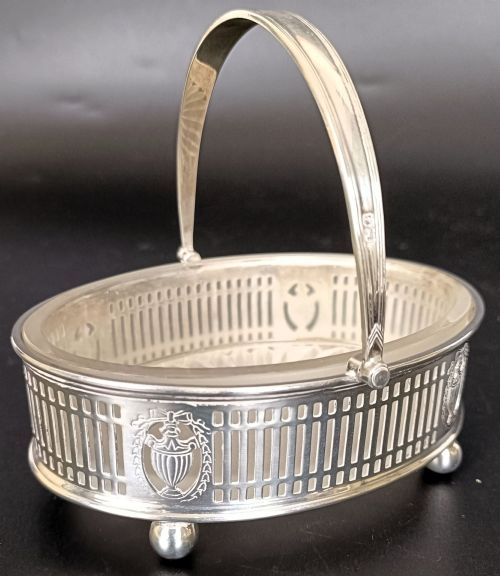
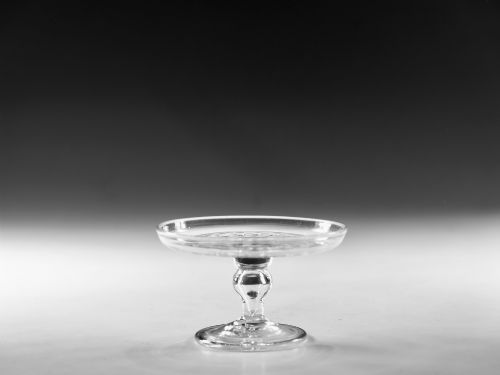
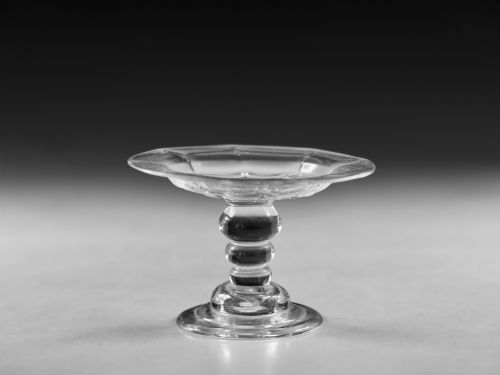
A georgian sweetmeat glass typically takes the form of a small, shallow bowl supported by a stem and a foot, designed for serving sweetmeats, nuts, or preserves. The pieces seen here span the 18th century, featuring distinct bowl shapes such as ogee, rib-moulded, or dentated rims. Many examples incorporate complex stem configurations like baluster, multi-spiral opaque twist, or double series opaque twists.
Beyond the standard tall pedestal types, the evidence shows related serveware such as bonnet glasses, patch stands, and ice plates from roughly 1720 through the mid-Georgian era. These smaller vessels share the heavy lead glass composition and sturdy footed bases characteristic of the period. Collectors encounter both plain bowls and those decorated with moulded patterns or cut facets.
Materials and construction
Makers utilised lead glass and clear glass as the primary medium, achieving a heavy weight and high refractive index through the addition of lead oxide. This formulation allowed craftsmen to draw stems, pull ribs, and mould bowls with considerable structural integrity.
Optical effects inside the stems and bowls relied on specialised manipulation while the metal remained molten. Techniques such as opaque twisting, rib-moulding, and facet cutting created internal white enamel threads and exterior geometric patterns without altering the basic vessel silhouette.
Objects recorded range from miniature patch stands and bonnet glasses to large tazza and biscuit barrels spanning the Georgian to Edwardian periods.
Evaluating quality and merit
Quality rests upon the clarity of the metal, the crispness of any cutting or moulding, and the proportional balance between bowl, stem, and foot. A well-proportioned baluster or opaque twist stem demonstrates superior glasshouse execution compared to thicker, heavier alternatives.
Aldridge and Green·George Fox
The Georgian Sweetmeat Glass Glossary
- Sweetmeat glass
- A pedestal table glass designed for sweet dry comfits, nuts, or fruit preserves during the 18th century. These vessels typically feature a wide, shallow bowl atop a moulded, baluster, or twisted stem.
- Baluster stem
- A heavy, turned stem style resembling an architectural baluster, common in early 18th-century English lead glass. It provides sturdy support for the bowl above a folded or terraced foot.
- Opaque twist
- A stem decoration formed by drawing out white enamel rods within the molten glass to create internal spiral threads. It appears in single, double, or multi-series configurations.
- Patch stand
- A miniature glass vessel or small tazza used during the 18th century to hold cosmetic beauty patches. Examples often feature folded feet and heavy kick-up bases.
- Tazza
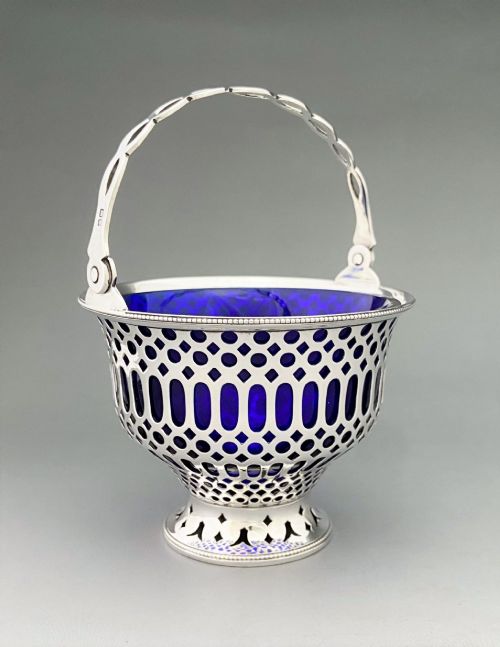
- A shallow saucer-like dish raised on a central stem and foot, used for serving food or display. 18th-century iterations appear in both clear lead glass and silver.
Georgian Sweetmeat Glass: Frequently Asked Questions
What were sweetmeat glasses used for?
These vessels served high-status sweet courses, holding dry sweetmeats, comfits, almonds, and small preserved fruits during formal dining.
Guests selected delicacies directly from the shallow bowls, which sat elevated on tables to create tiered displays of silver and glass serveware.
How do you date an 18th century glass?
Dating relies on stylistic shifts in bowl forms, stem construction, and foot types, such as the transition from heavy balusters to lighter twist stems. Pontil marks on the underside and the specific greyish or warm tone of the lead metal offer further chronological clues.
Comparing known workshop practices and archival examples helps narrow the decade of manufacture between 1720 and the late 1800s.
What is an opaque twist stem?
An opaque twist stem contains internal threads of white enamel glass suspended within the clear metal. Makers twisted these canes while drawing the hot glass to form spiral patterns.
Single series and double series variations distinguish simpler pieces from more complex mid-century glassware.
Are patch stands the same as sweetmeat glasses?
Patch stands are substantially smaller vessels, usually measuring just a few centimetres across, designed specifically to hold cosmetic face patches. Sweetmeat glasses feature much larger bowls intended for confectionery.
Both share similar pedestal stem and foot construction methods typical of mid-18th-century glasshouses.