


Antique Jelly Glass
These antique jelly glass pieces offer a glimpse into Georgian and Victorian dining, prized for their heavy lead crystal and bright clarity.
Antique Jelly Glass
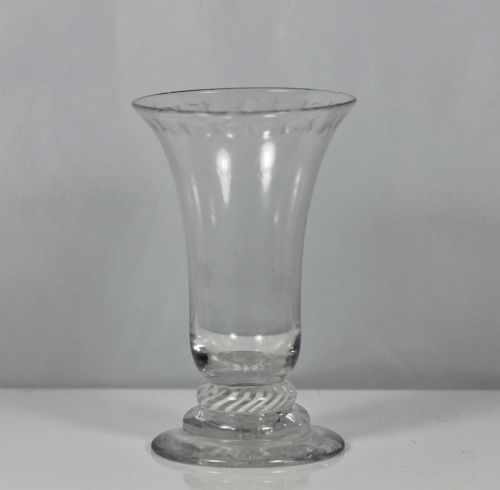
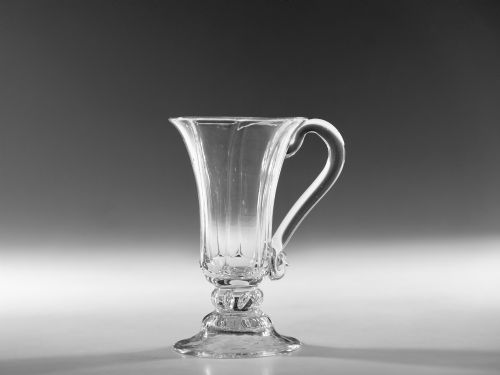
An antique jelly glass serves up sweetmeats, custards and jellies on the formal tables of the eighteenth and nineteenth centuries. These small vessels range from single and double handled forms to tall panel moulded shapes and simple dish top profiles.
Most examples found here date from the eighteenth century and the Victorian era, spanning Georgian sweetmeat glasses, bonnet glasses and custard cups. The selection includes both individual pieces and sets, showing how dessert service evolved over the periods.
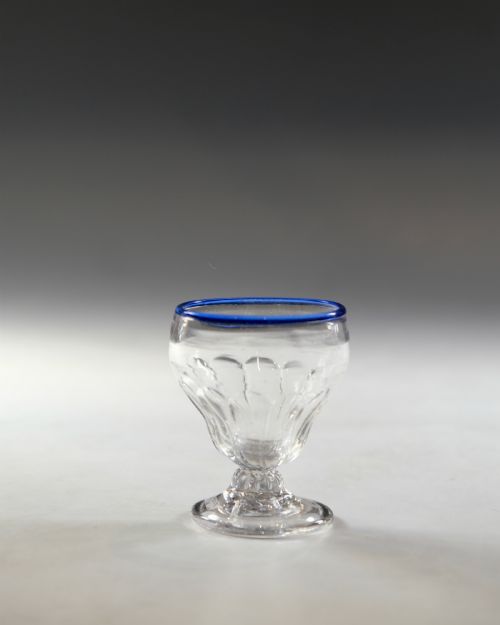
Makers shaped clear lead glass, flint glass and occasional cobalt rims into sturdy serveware designed to catch the candlelight. Buyers often encounter pieces featuring rib-moulding, slice-cutting or plain double ogee bowls.
How they were made
Glassmakers relied primarily on heavy lead glass and flint glass, which provided the high refractive index needed for brilliance on the table. Techniques such as rib-moulding and panel moulding gave body and texture to the bowls before finishing.
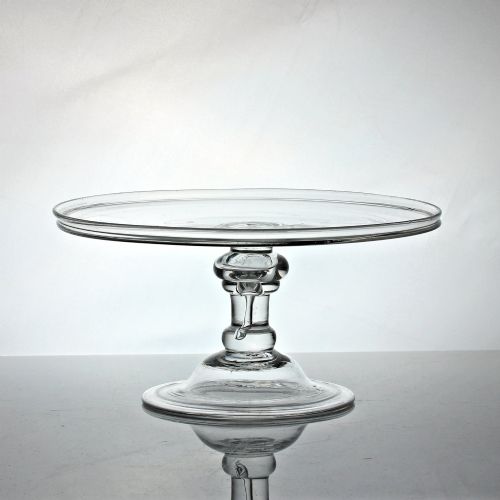
Workers shaped the hot metal by hand, adding folded feet, applied handles and cut stems to create baluster sweetmeat glasses and tazzas. Surface decoration involved careful wheel cutting and etching to enhance the clear lead glass.
Some eighteenth century sweetmeat glasses feature bowls so deep and heavy they practically demand a dessert all to themselves.
What varies in quality
Weight and metal distribution set the better examples apart, as heavy lead crystal yields a superior ring and deep lustre. The crispness of the rib-moulding or slice-cutting dictates the tactile appeal of the piece.
Proportion and symmetry in the stem and bowl dictate the visual balance of early sweetmeat and jelly glasses. Clean, unblemished metal without excessive internal clouding marks the superior end of the range.
The Antique Jelly Glass Glossary
- Sweetmeat glass
- A stemmed drinking vessel or dish designed for small sweet confections, nuts or preserved fruits. These often feature an ogee or flared bowl.
- Bonnet glass
- An eighteenth century glass vessel with a scalloped or fluted rim, resembling the shape of a ladies bonnet. They sat on the table alongside jelly and custard glasses.
- Baluster
- A swelling, vase-shaped architectural member used on the stem of drinking glasses and sweetmeat glasses. It provides a heavy, tactile grip.
- Double ogee
- A profile combining a convex curve over a concave curve, forming an 'S' shape in section. This contour appears frequently on eighteenth century bowls.
- Slice cut
- A style of linear facet cutting applied to the exterior of glass vessels, producing broad flat planes that reflect light. It became popular during the Georgian period.
Antique Jelly Glass: Frequently Asked Questions
What were antique jelly glasses used for?
These small vessels held rich jellies, syllabubs and sweet custards during formal dessert courses. Guests consumed the sweet treats directly from the glass using small spoons.
Their substantial weight and stable feet kept the glasses secure on crowded tables lit by candles. Today, collectors enjoy using them for individual desserts or displaying them on sideboards.
How do I date an antique jelly glass?
Dating relies on observing the material, manufacturing technique and overall form of the vessel. Eighteenth century pieces often display heavier lead crystal, baluster stems and hand-blown pontil marks on the base.
Victorian examples frequently show more uniform slice-cutting and were often produced in matched sets rather than as individual vessels.
Are jelly glasses different from custard cups?
Jelly glasses typically feature stemmed feet or pedestals, elevating the sweetmeat or jelly above the table surface. Custard cups more commonly sit flat on a small base and often include single or double handles.
Both forms belong to the wider category of antique glassware designed for the dessert course.
How should I display my jelly glass?
Display these pieces in a well-lit cabinet where light can pass through the clear lead crystal and flint glass. Placing them near a light source highlights the depth of the rib-moulding and slice-cutting.
Grouping sets of custard cups or mixed single jelly glasses creates an attractive historical display that reflects their original table use.