






Lead Glass Stemware Vessel
A lead glass stemware vessel holds wine, ale, or cordials, offering the weight and clarity that eighteenth- and nineteenth-century drinkers favoured.
Lead Glass Stemware Vessel
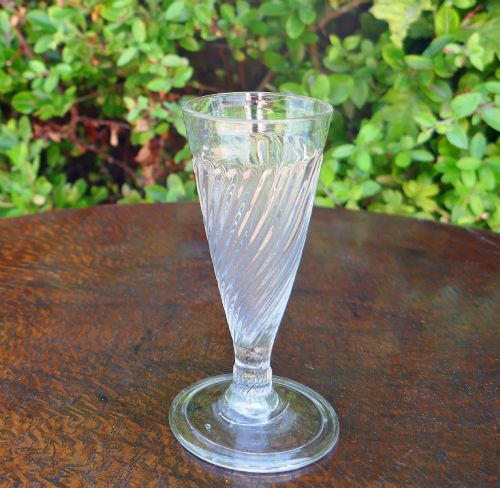
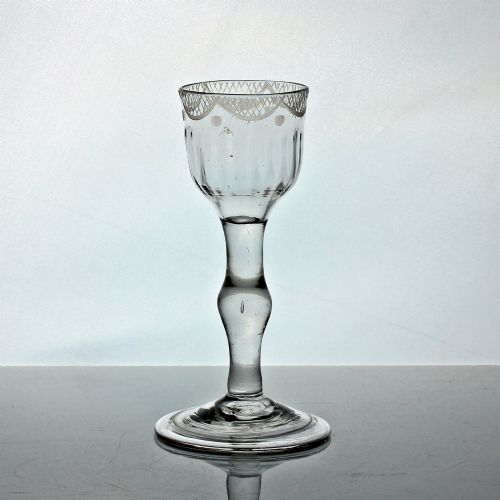
A lead glass stemware vessel covers drinking glasses, wine glasses, rummers, and goblets produced across the eighteenth and nineteenth centuries. Buyers searching for a lead glass stemware vessel encounter baluster, twist, and facet-cut stems spanning the Georgian, Regency, and Victorian periods.
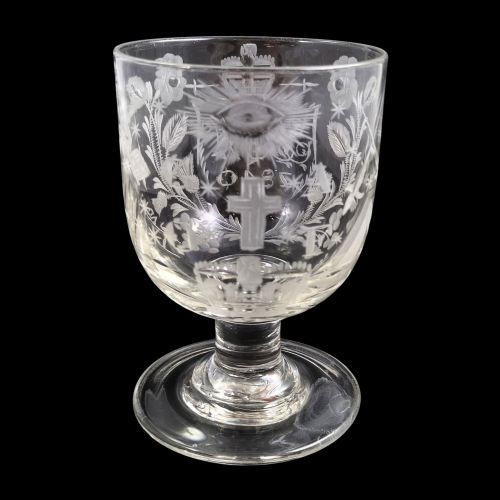
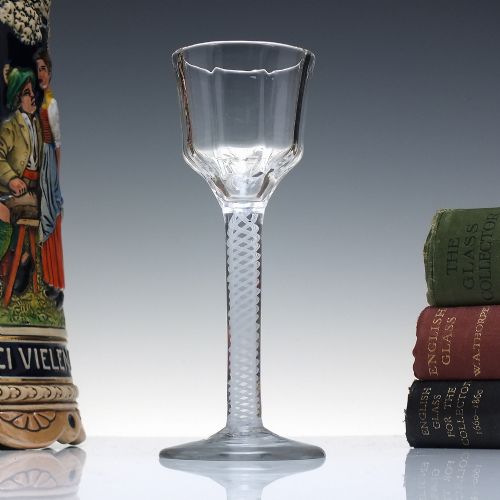
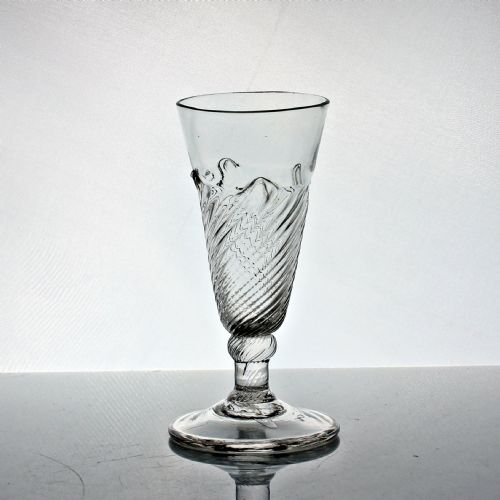
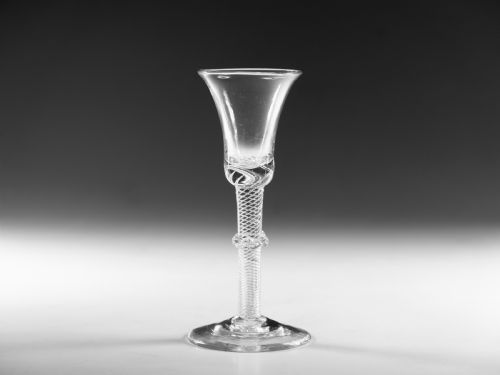
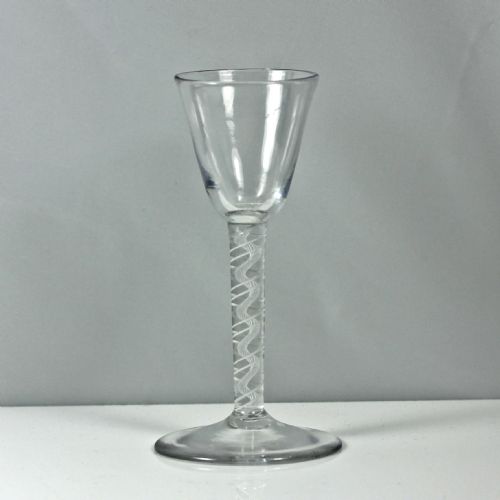
The selection ranges from early eighteenth-century baluster dram glasses and heavy baluster deceptive bowl dram glasses to mid-eighteenth-century opaque twists and air twists. Later nineteenth-century examples include intaglio-engraved stemmed goblets and large table rummers.
Forms vary according to their intended contents, including tall ale glasses, small cordial glasses, and wide-bowled sweetmeat vessels. Most pieces on this page originate from English workshops using lead crystal and clear glass.
Materials and construction
Maker operations relied upon lead glass, flint glass, and clear glass formulas, which allowed for heavier vessel walls and deep optical refraction. Artisans shaped bowls by blowing molten metal before applying separate stems and folded or domed feet.
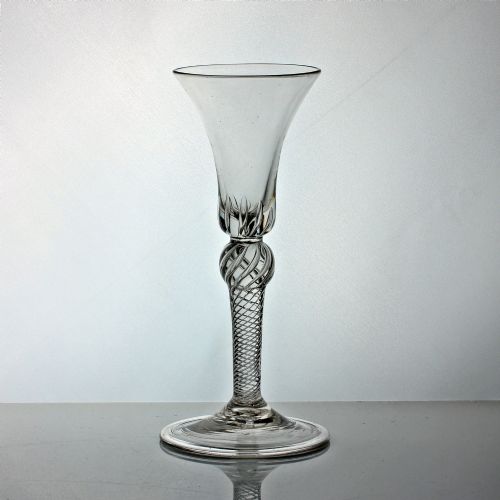
Decorative techniques involve air twists, opaque twists, and multi-spiral air twists formed within the stem during pulling and twisting. Surface enrichment includes white enamel painting, swag and tail engraving, hop and barley motifs, and intaglio cutting.
Some eighteenth-century dram glasses featured deceptive bowls built with thick solid metal to make a tiny measure look surprisingly generous.
Distinctions in quality
Superior quality shows in the purity of the metal and the precision of internal stem formations, such as clean air bubbles in air twists or tight, uniform threads in opaque twists. Well-executed pieces display sharp wheel engraving, crisp facet cutting, and balanced proportions between foot, stem, and bowl.
The Lead Glass Stemware Vessel Glossary
- Air twist
- A stem containing elongated internal air bubbles drawn into spirals. This technique was prevalent in mid-eighteenth-century drinking vessels.
- Baluster stem
- A heavy, swelling stem shape reminiscent of architectural balusters. These robust stems characterise early eighteenth-century drinking glasses.
- Opaque twist
- A stem enclosing white enamel threads spun into single or double series patterns. Glassmakers achieved this by embedding coloured rods within the clear metal before drawing and twisting.
- Folded foot
- A base edge turned underneath to form a smooth double layer of glass. This method added strength to the rim and protected against chipping.
- Rummer
- A large, capacious drinking vessel used for ale, punch, or wine during the Georgian and Regency eras. These sturdy pieces often feature engraved decoration.
Lead Glass Stemware Vessel: Frequently Asked Questions
What is a balustroid glass?
A balustroid glass is a lighter, slenderer version of the heavy baluster drinking vessel, typical of the mid-eighteenth century. These stems often feature knops and tapering profiles.
They bridge the transition between heavy early-century forms and the delicate twist stems that followed.
How do air twists differ from opaque twists?
Air twists contain spiralling channels of trapped air inside the clear glass stem. Opaque twists incorporate solid white enamel rods within the clear metal.
Both styles required high skill from the glassblower to maintain uniform spiral patterns throughout the stem.
Why do some glasses have folded feet?
Glassmakers folded the rim of the foot underneath to create a thicker, more durable edge on everyday and tavern drinking vessels. This construction helped prevent chips during frequent use.
Folded feet are particularly common on mid-eighteenth-century ale, wine, and cordial glasses.
What was a dram glass used for?
A dram glass served small, concentrated measures of spirits or liqueurs. Their thick walls and small bowls suited potent contents.
Some variants included deceptive bowls designed to hold less liquid than their exterior size suggested.