


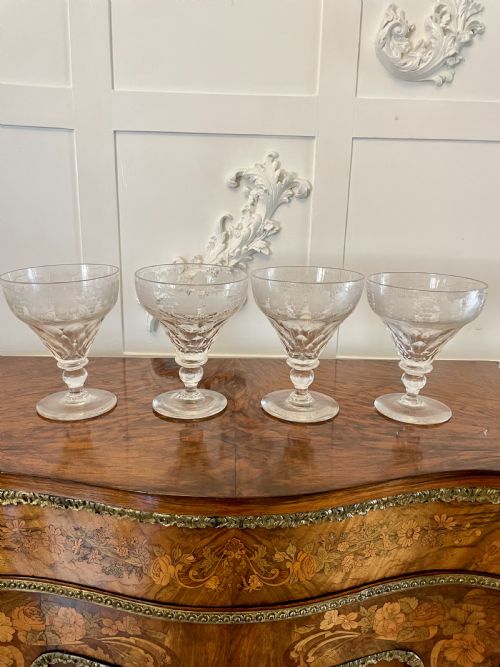

Antique Glass Dessert Bowl
These antique glass dessert bowl pieces offer tactile elegance to any table setting, spanning Georgian, Victorian and Art Deco eras.
Antique Glass Dessert Bowl
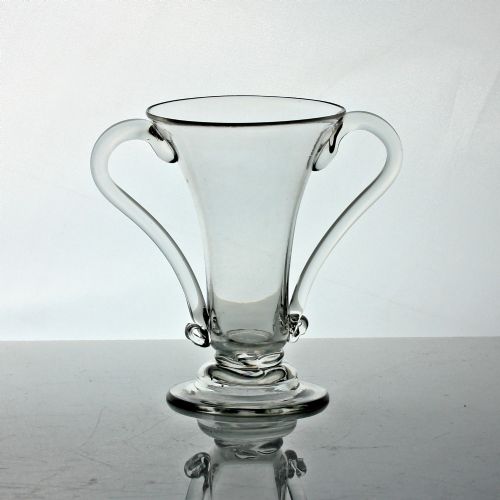
When you search for an antique glass dessert bowl, you encounter versatile glassware ranging from Georgian double handled jelly glasses to Victorian finger bowls and custard cups. These pieces include decorative dishes and champagne coupes designed for period dining and dessert courses.
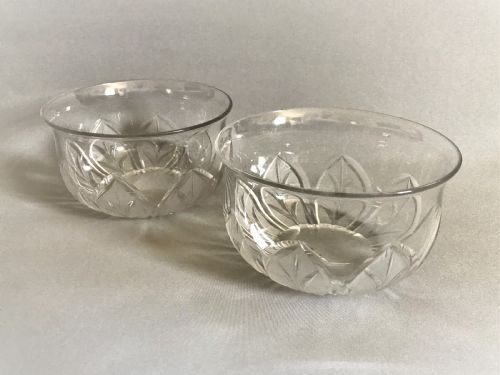
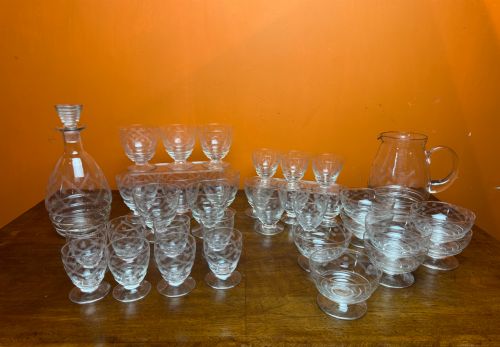
The pieces on this page draw from 18th Century, 19th Century, and 1930 periods, incorporating styles from Georgian to Grand Regency and Art Deco. You are most likely to meet Victorian cut and frosted vessels alongside matched sets of etched finger bowls and silver mounted glass bowls.
How They Were Made
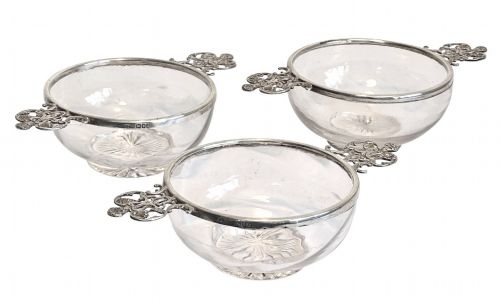
Makers employed engraving and etching to decorate surfaces with motifs like fruiting vines and Greek key patterns. Certain vessels combine this glassware with sterling silver mounts or pierced spoons, integrating metalwork with blown and cut forms.
Guests at a Victorian summer garden party might have dipped their fingers into bowls decorated with marching Greek key patterns.
What Varies in Quality
Quality rests upon the crispness of the cutting, the depth of the engraved decoration, and the clarity of the material itself. Heavy lead crystal and flint glass display superior light refraction compared to standard glass.
Complete sets and matched suites carry distinct advantages over single vessels, particularly when accompanied by original sterling silver rims, liners, or matching plates.
William Comyns·Viners
The Antique Glass Dessert Bowl Glossary
- Lead glass
- Glass containing lead oxide which increases brilliance, weight, and workability for cutting. This material underpins much of the fine tableware found in Georgian and Victorian collections.
- Finger bowl
- A small bowl filled with water, placed before a diner between courses for rinsing fingers. Victorian examples often feature cut or etched decoration.
- Custard cup
- A small vessel used for serving individual portions of custard or cream. Early Victorian sets frequently include handles and matching saucers.
- Tazza
- A shallow ornamental chalice or cup elevated on a foot and stem. These display coloured overlays or cut crystal surfaces.
- Sweetmeat glass
- A tall-stemmed Georgian glass designed for serving small sweet confections, nuts, or preserved fruits. Baluster stems are typical of the 18th Century.
Antique Glass Dessert Bowl: Frequently Asked Questions
What were antique glass dessert bowls used for?
These vessels served puddings, custards, jellies, and sweetened fruits during formal dining courses. Diners also utilised related forms like finger bowls for cleansing hands between rich courses.
Over time, many of these items transitioned into display pieces or served other domestic functions, though their original purpose remains tied to formal tables.
How do I identify a Georgian glass bowl?
Georgian pieces often feature heavier lead glass or flint glass, displaying darker metal tones and characteristic pontil marks on the base. Forms tend towards baluster sweetmeat glasses and jelly vessels.
Stylistic cues include simple hand-blown contours combined with early cutting techniques, separating them from later mass-produced Victorian tableware.
How should I care for antique glass?
Wash these pieces by hand using lukewarm water and mild detergent, avoiding sudden temperature changes that can crack old glass. Dry them immediately with a lint-free cloth to maintain clarity.
Keep silver-mounted or engraved items away from harsh chemicals and abrasive pads to preserve the integrity of the metal and surface decoration.
Can I use these bowls for daily dining?
Many collectors incorporate sturdy Victorian cut glass and pressed vessels into modern table settings for desserts or finger bowls. Care must be taken with delicate Georgian balusters or thin etched crystal.
Hand washing remains essential, and fragile items with sterling silver mounts benefit from gentle handling during use.