


Vintage Green Glass Vessel
These vintage green glass vessels bring rich colour and history to a room, ranging from utilitarian bottles to fine studio vases.
Vintage Green Glass Vessel
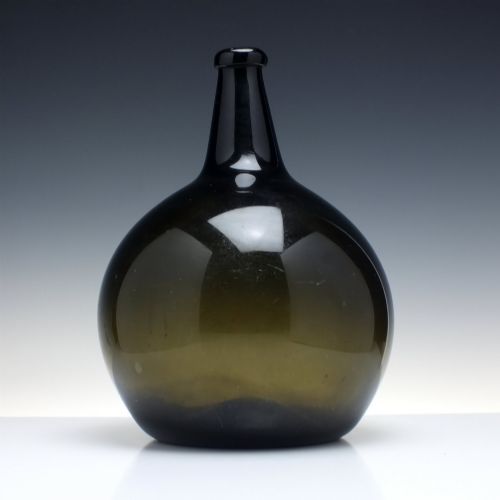
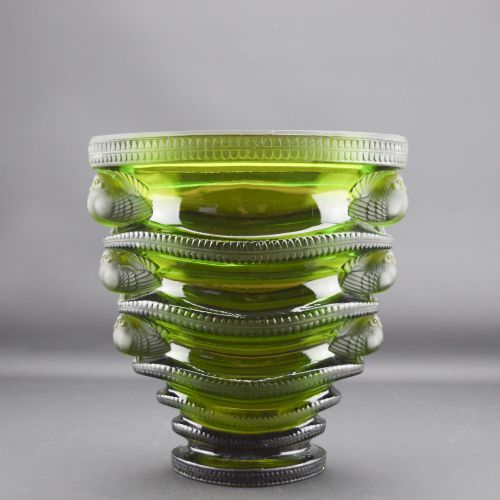
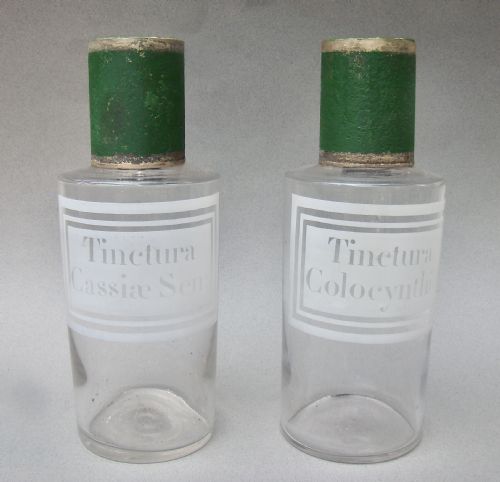
A vintage green glass vessel encompasses a broad spectrum of functional and decorative forms, from utilitarian carboys and apothecary jars to refined studio pieces. You encounter everything from robust eighteenth-century wine bottles and French pickling jars to delicate Art Deco and Art Nouveau vases.
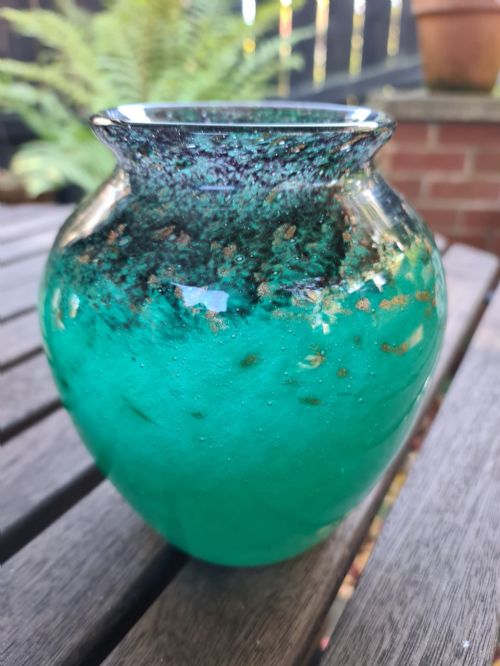
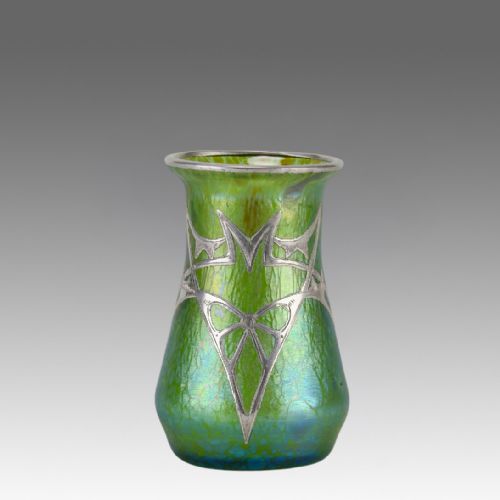
The selection reflects diverse origins, spanning Scottish, French, Bohemian, and Belgian workshops. Makers and houses utilised varied tones of green, sometimes layered over crystal or enhanced with aventurine inclusions, to create distinct profiles across the Georgian, Victorian, and twentieth-century periods.
Manufacturing methods and materials
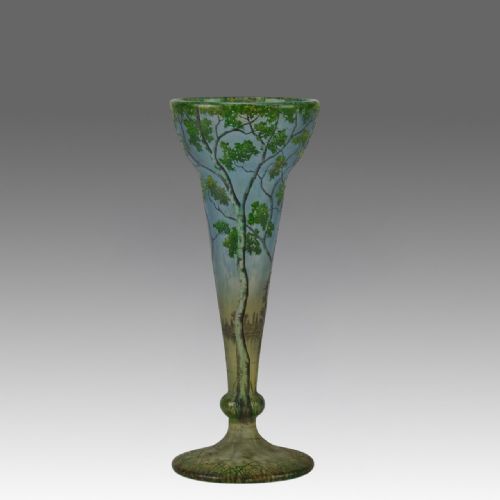
Makers shaped these pieces primarily through hand-blowing, moulding, and cameo techniques, working molten glass to achieve the desired thickness and contour. Artisans frequently employed enamel decoration, acid-etching, or layered cased glass to build surface pattern and depth.
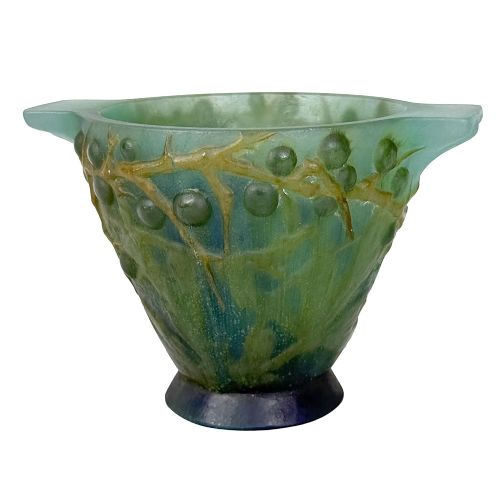
Specialised inclusions such as aventurine add metallic flecks within the material, while techniques like pate de verre introduce dense, textured opacity. Production methods range from the utilitarian utility of heavy pickling jars to the intricate carving seen on multi-layered cameo glass.
Listings feature green glass pieces from the Georgian period up to the mid-twentieth century, including works in Art Deco and Art Nouveau styles.
Judging quality in green glass
Quality rests upon the crispness of the form, the depth and consistency of the green colourway, and the control demonstrated in the glassmaking technique. Pieces featuring complex surface treatments, such as detailed acid-etching or multi-layered cameo carving, display a higher degree of artisan skill.
Provenance and attribution elevate certain examples, particularly those bearing signatures or originating from notable glasshouses and designers. The harmony between the vessel's silhouette and its decorative embellishments ultimately distinguishes standard utility wares from exceptional studio achievements.
Rene Lalique·Vasart Glass·Amalric Walter·Daum Frères·Johann Loetz·Monart Glass·Karl Palda·AVEM
The Vintage Green Glass Vessel Glossary
- Aventurine
- Glass containing suspended metallic crystals that sparkle within the material. This inclusion creates a shimmering, metallic effect inside the body of the vessel.
- Cameo Glass
- Glass vessels created by fusing layers of different colours and carving away the outer layer to reveal a contrasting design. This demanding technique produces high-relief ornamentation.
- Carboy
- A large, bulbous glass bottle traditionally used for holding liquids safely. They often appear housed in protective iron baskets or crates.
- Pate de verre
- A form of kiln-cast glass created by packing finely crushed glass into a mould and fusing it with heat. The resulting objects possess a characteristic granular texture and dense colour.
- Uranium glass
- Glass that has had uranium added to the mix to impart a vivid green colour. The material glows under ultraviolet light.
Vintage Green Glass Vessel: Frequently Asked Questions
How do I date an old glass bottle?
Dating relies on observing manufacturing marks, pontil scars on the base, and the overall method of construction. Blown bottles often display irregularities and seam lines specific to their period of production.
Examining the depth of the green tone and any accompanying surface decoration helps narrow the decade of origin.
Where were these glass vessels made?
The pieces originate from major European glassmaking centres, including Scotland, France, Bohemia, and Belgium. Each region developed distinct styles, from sturdy French pickling jars to refined Scottish studio bowls.
Local traditions dictated the choice of materials, such as cased glass or heavy lead formulations.
How should I display a large carboy?
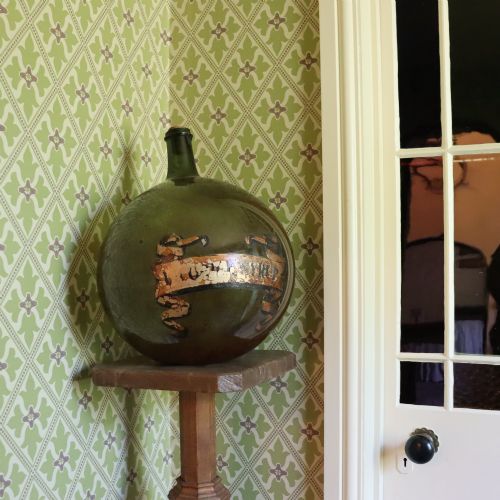
Large carboys and demi-johns suit positions where natural light can pass through the green glass, highlighting the colour and bubbles within. Placing them near windows or on stable floor spaces emphasises their scale.
Many retain original iron baskets or stands that provide both support and decorative contrast.
What is cameo glass?
Cameo glass involves layering two or more contrasting colours of glass and carving away the top layer to leave a raised design. The process requires immense precision and patience from the glassmaker.
Floral and landscape motifs frequently appear in this technique.