





Cased Glass Vase
These cased glass vase examples bring rich colour and layered depth to a room through distinctive historic glassmaking techniques.
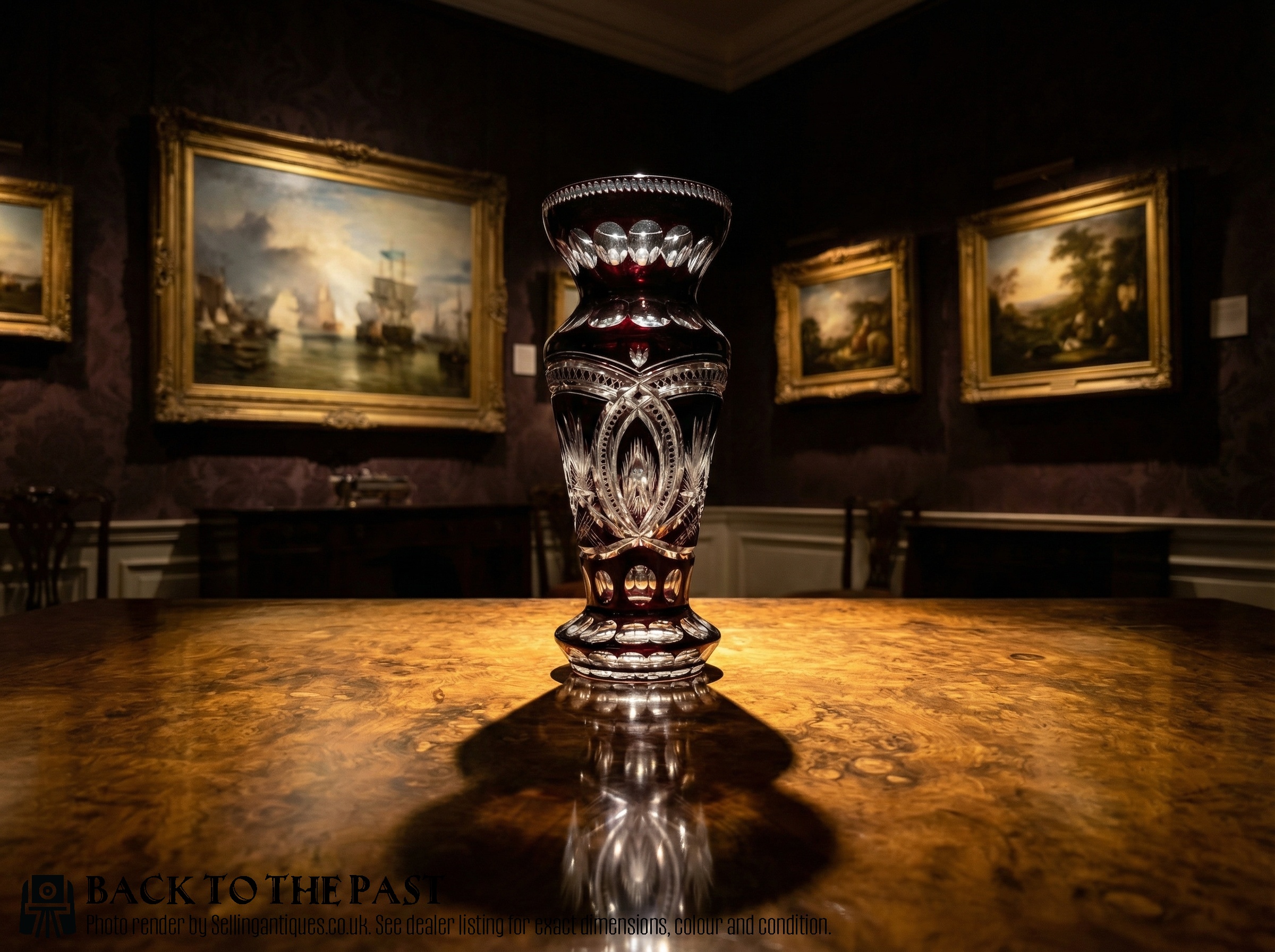
Cased Glass Vase
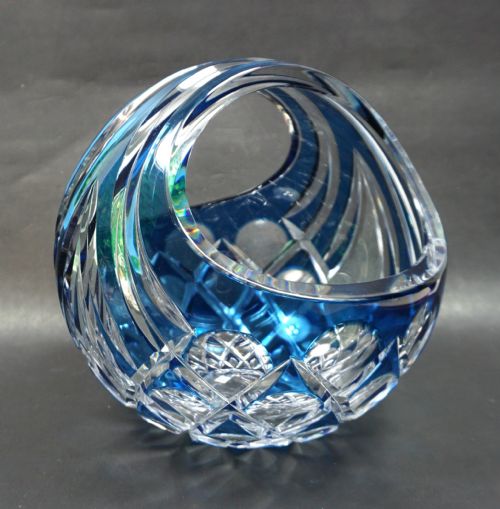
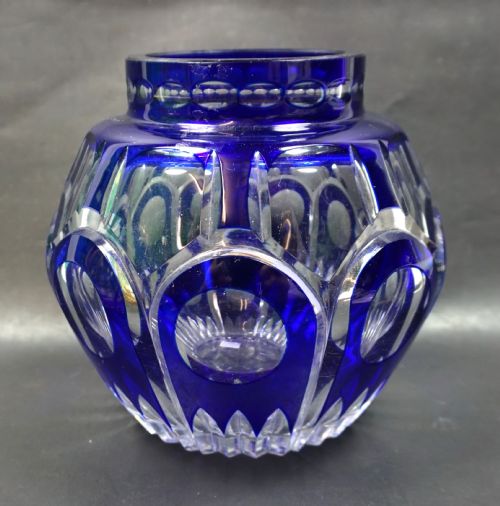
A cased glass vase consists of multiple distinct layers of glass fused together during creation, allowing craftsmen to cut through the exterior layer to reveal a contrasting colour beneath. The selection centres heavily on nineteenth-century Victorian pieces and Art Deco examples from Belgian and Bohemian makers.
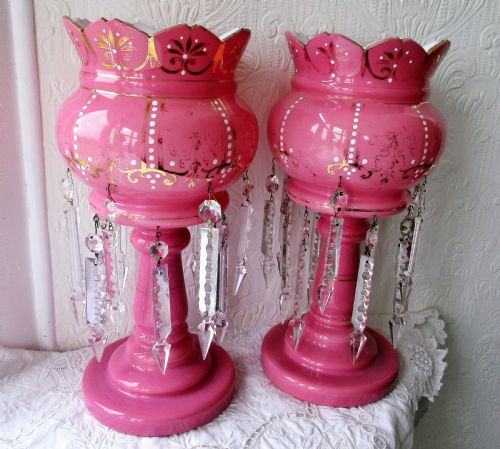
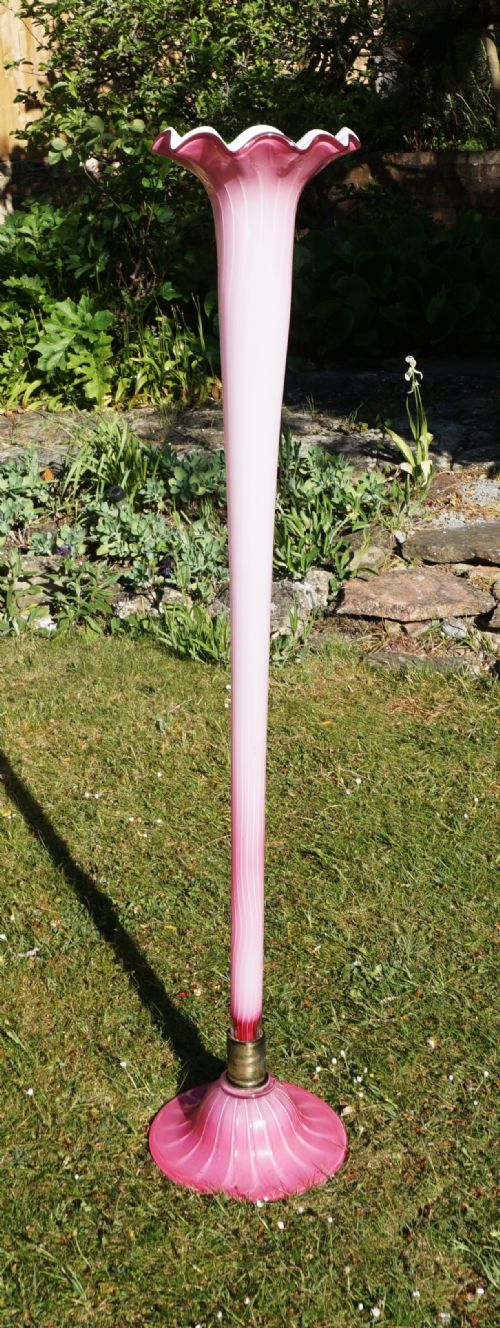
Buyers encounter striking forms ranging from tall lily shapes and ovoid bodies to pairs of mantle lustres hung with glass drops. English and Bohemian workshops dominate the available selection, frequently employing rich hues like ruby, pink, blue, and green over a crystal core.
How they were made
Glassmakers created these vessels by blowing a core gather of glass inside or over a second layer of contrasting molten metal. This layered method permitted extensive surface manipulation, including wheel-cutting, etching, and flash-casing.
Workshops elevated the finished forms using applied gold leaf, delicate enamel painting, and silver encasement. Artisans often incorporated brass fittings on lustre components to support hanging crystal prisms.
Cased Glass Vase Retail Price Guide 2026
Typical asking prices for cased glass vase among the pieces listed under this phrase on Sellingantiques today, from the lower quarter to the upper quarter. They describe what is for sale here now, not the wider market.
Victorian butterflies and prunus trees flutter across these surfaces in delicate relief.
What varies in quality
The degree of craftsmanship shows in the precision of the glass layering and the depth achieved through wheel-cutting. Thinner outer layers executed with exact control reveal the contrasting underlayer cleanly without exposing the core unevenly.
Decoration also separates standard production from finer output, particularly the execution of hand-applied gilding and enamel work. Pieces bearing documented maker attributions or complex overlay panels demonstrate superior technical accomplishment.
Joseph Simon for VSL·Charles Graffart for VSL·Val St Lambert·Harrach·Alvin Corp·Thomas Webb
The Cased Glass Vase Glossary
- Cased glass
- A vessel formed from two or more distinct layers of glass fused together. This method creates striking visual contrast when the outer layer is cut away.
- Overlay
- A technique where a complete outer layer of coloured glass covers a crystal or contrasting base. Glassmakers cut through this outer skin to produce patterned windows.
- Flash glass
- A thin layer of coloured glass applied over a clear or contrasting body. It permits deep colour saturation while keeping the overall vessel weight manageable.
- Satin glass
- A type of glassware treated with acid to produce a velvety, matte surface texture. It appears frequently on nineteenth-century Victorian examples.
- Mantle lustre
- An ornamental vase fitted with a rim holding dangling crystal prisms. These pieces gained popularity during the Victorian period for placement on mantelpieces.
Cased Glass Vase: Frequently Asked Questions
What is a cased glass vase?
A cased glass vase is a vessel built from multiple fused layers of glass. This construction method allows makers to carve or etch through the exterior skin to expose a different colour underneath.
Such vessels span Victorian English production to Art Deco Belgian pieces. The technique produces high visual depth and permits intricate surface decoration.
How do I identify Victorian cased glass?
Victorian examples often feature heavy gilding, enamel floral motifs, or satin finishes in shades of pink, white, and cranberry. Many nineteenth-century pieces include mantle lustres equipped with hanging crystal drops.
Examining the base and interior reveals the layered glass structure typical of the period. Maker attributions or stylistic traits help confirm nineteenth-century Bohemian or English origins.
What are mantle lustres?
Mantle lustres are decorative vases fitted with a top rim designed to support suspended crystal prisms. Victorians placed them on mantelpieces to catch and reflect candlelight.
They frequently employ cased or overlay glass techniques paired with brass components. Surviving examples often appear in matched pairs.
How do I care for antique glass?
Antique glass requires gentle cleaning by hand using warm water and mild soap. Avoid harsh detergents or sudden temperature changes that might stress the material.
Take care around gilded surfaces and enamel decorations during handling. Secure any hanging crystal prisms on lustres properly to prevent accidental chips.