



Cobalt Glass Vase
A cobalt glass vase brings deep blue colour and striking form to a room, ranging from simple Victorian moulded glass to ornate cased pieces with metal mounts.
Cobalt Glass Vase
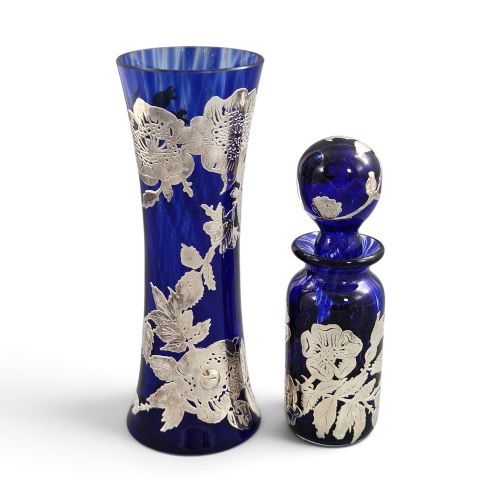
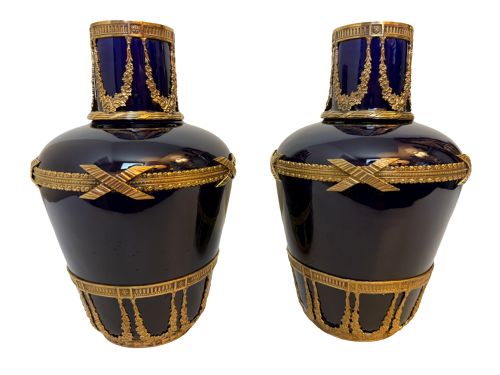
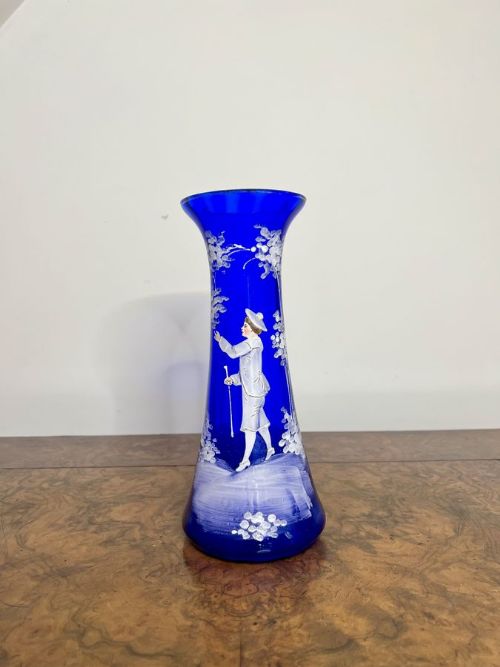
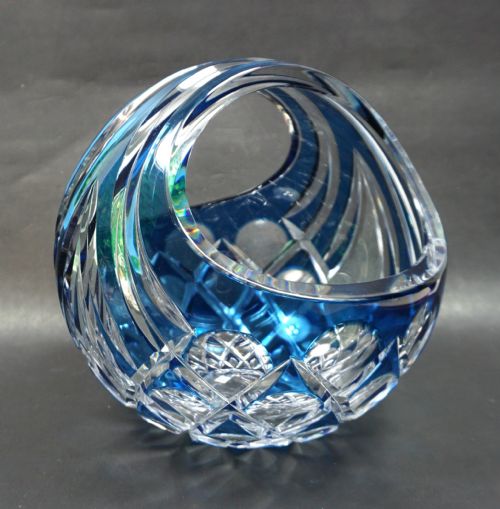
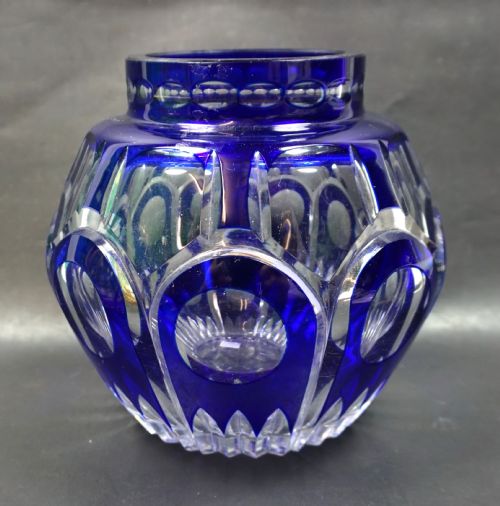
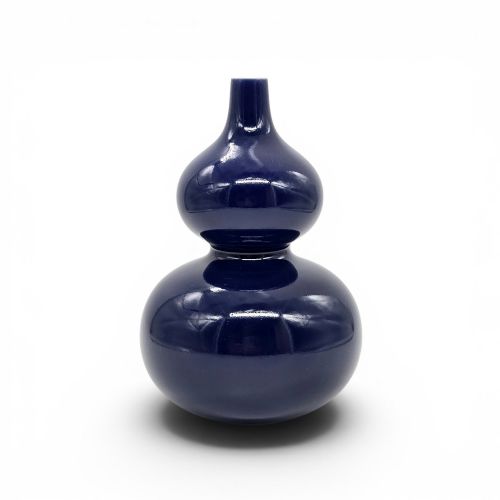
A cobalt glass vase represents a diverse group of vessels spanning the Victorian era through the Art Deco period and the twentieth century. These pieces appear in deep blue shades, taking forms from simple bottles and baskets to elaborate mantel lustres and double-gourd vessels.
The most likely versions to meet on this page include Victorian cut-to-clear designs, twentieth-century Belgian cased glass, and pieces featuring decorative metal overlays. Makers from Wales, France, Belgium, and China contribute to the varied styles available here.
What varies in quality
The distinction between tiers rests upon the precision of the glass cutting and the weight of the material, particularly in lead crystal and cased pieces. Sharp facets and heavy, clear walls indicate superior execution.
Integrity of secondary materials dictates overall merit, such as the snug fit of metal overlays and the delicacy of enamel work. Pieces bearing recognisable signatures or attribution to established glassworks hold greater distinction.
Listings here feature glass from the nineteenth century, the Victorian era, and twentieth-century studios, incorporating materials such as sterling silver, ormolu, and enamel.
Laugharne Glass·Joseph Simon·Val St. Lambert·René Lalique
The Cobalt Glass Vase Glossary
- Cobalt Glass
- Glass coloured deep blue by the addition of cobalt oxide during manufacture. This intense hue forms the foundational material for all vessels in this category.
- Cased Glass
- Glass made by fusing two or more layers of different coloured glass together while molten. Cutting through the outer blue layer reveals the contrasting clear glass beneath.
- Ormolu
- Gilded bronze mounts applied to decorate the base or rim of a vase. This French decorative technique enhances the profile of nineteenth-century pieces.
- Mantel Lustre
- A decorative vase hung with cut glass prisms designed to catch the light. These pieces often feature Bohemian overlay glass construction.
Cobalt Glass Vase: Frequently Asked Questions
How do I clean a cobalt glass vase?
Wash the vessel gently in lukewarm water using mild washing-up liquid and a soft cloth. Avoid abrasive sponges that might scratch the surface or damage applied metal overlays.
Dry the glass thoroughly with a lint-free cloth to prevent water spots. Take extra care around enamel painted sections and delicate metalwork.
Can I put fresh flowers in these vases?
Many of these vessels function well as holders for cut flowers, provided the interior is checked for historical fragility. Narrow bottlenecks suit single stems or small bunches.
Empty the water promptly after use to prevent mineral deposits from forming inside the glass. Avoid placing heavy stems into antique pieces with thin walls.
How do I date a blue glass vase?
Examine the style of the piece, looking for specific design movements such as Victorian cut glass or Art Deco geometric forms. Overlay materials and pontil marks on the base also offer clues to the period of manufacture.
Compare the weight and finishing techniques with documented examples from known makers. Maker marks or signatures provide the most reliable indication of age.
Where should I display my vase?
Position the vessel in a spot with natural light to fully appreciate the depth of the cobalt colour. Windowsills or illuminated shelves allow light to pass through the glass.
Keep pieces away from direct heat sources and areas subject to sudden temperature changes. Stable surfaces protect heavier items, particularly those with metal mounts or lustres.