


Green Art Deco Vase
A green art deco vase brings striking colour and geometric form into a room, capturing the spirit of the interwar years.
Green Art Deco Vase
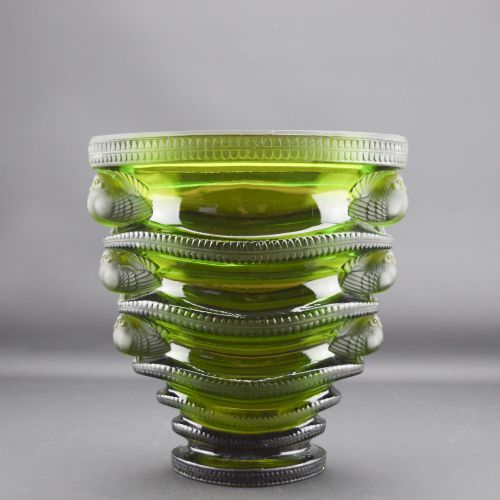
A green art deco vase embodies the design vocabulary of the 1920s and 1930s, utilising bold silhouettes and rich coloration. Buyers searching for a green art deco vase encounter various forms, including baluster shapes, posy vessels, and sculptural pieces with animal figures.
Most examples originate from the 1930 period, though earlier 1920 pieces also appear alongside occasional art nouveau influences. These objects function primarily as decorative vessels or centrepieces, often created in notable glassworks and potteries across Europe and Britain.
Materials and manufacture
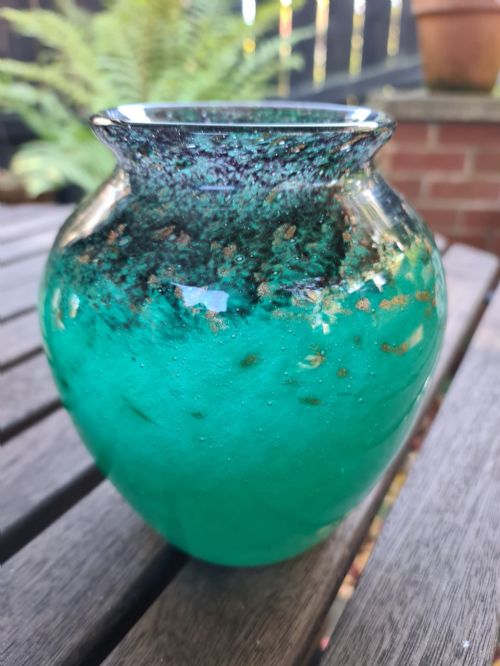
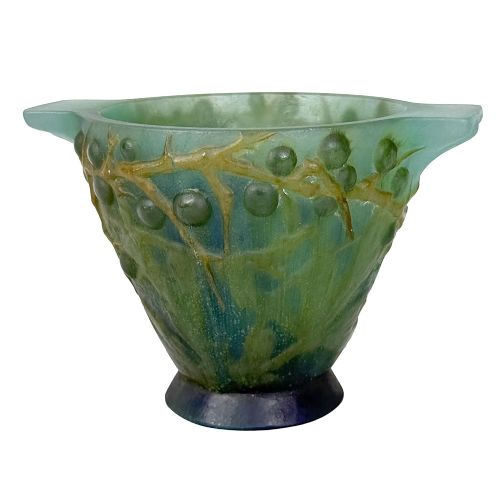
Makers utilised glass and earthenware as the primary media, employing techniques such as moulding, frost finishing, and layering over crystal. Aventurine inclusions and pate de verre methods added depth and texture to the glass surfaces.
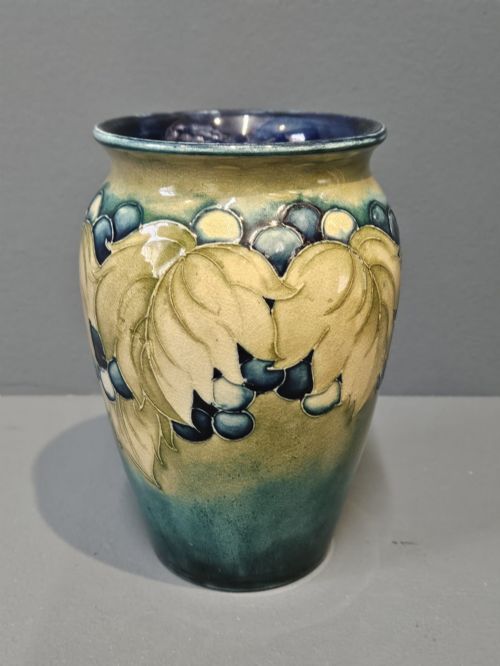
Pottery examples featured hand-painted glazes, lustre finishes, and applied enamels. Silver overlays were also applied to glass bodies to create metallic contrast against the green ground.
Several vessels take the shape of ladies' handbags, complete with simulated glass handles for carrying blooms.
Distinguishing quality
Quality rests upon the execution of the design and the sophistication of the material, whether through precise glass moulding or skilled hand-painting on earthenware. Pieces bearing specific designer attributions or workshop marks display distinct artistic oversight.
The integration of complex techniques, such as contrasting enamel layers or specialist glass inclusions like aventurine, separates standard production items from more accomplished works.
Rene Lalique·Moorcroft·Amalric Walter·Charles Graffart·Monart·Royal Winton·Royal Lancastrian·Michel Decoux·Karl Palda·Walther and Sohne
The Green Art Deco Vase Glossary
- Pate de verre
- A glass-working technique involving crushed glass packed into a mould and fused in a kiln. This method produces a textured, granular appearance with soft light diffusion.
- Aventurine
- Glass containing metallic flecks, often copper, suspended within the material. It creates a shimmering effect when caught by the light.
- Uranium glass
- Glass containing uranium oxide to produce a vivid yellowish-green colour. Under ultraviolet light, these pieces exhibit a distinct fluorescent glow.
- Baluster
- A vase form with a rounded body that tapers towards the neck, resembling an architectural pillar. This shape was widely utilised during the 1930 period.
- Lustre
- A metallic glaze applied to ceramics and fired to create an iridescent sheen. It reflects shifting colours depending on the viewing angle.
Green Art Deco Vase: Frequently Asked Questions
How do I identify a genuine period piece?
Examine the materials, weight, and finishing techniques characteristic of the 1920 and 1930 periods. Maker signatures or factory marks, where present, help confirm authenticity.
Compare the form and colour palette against documented examples from specific glasshouses and potteries.
Where should I display these vases?
Place them in locations with adequate light to highlight the qualities of the glass or glaze. Mantelpieces and side tables suit the scale of most baluster and posy vessels.
Keep them away from direct sunlight if they contain sensitive enamels or pigments.
Did these vases serve a practical purpose?
Many acted as decorative centrepieces or mantel garnitures rather than everyday flower holders. Some smaller posy vessels and bowls accommodated short-stemmed arrangements.
Objects combined with clocks or sculptural figures were designed primarily as decorative interior furnishings.
What caused the different shades of green?
Glassmakers added various metallic oxides and minerals to the molten batch, including uranium for glowing yellow-greens and copper compounds for deeper tones. Earthenware makers achieved similar variations through specialised mineral glazes.
Layering clear glass over coloured crystal also produced distinct optical depth.