
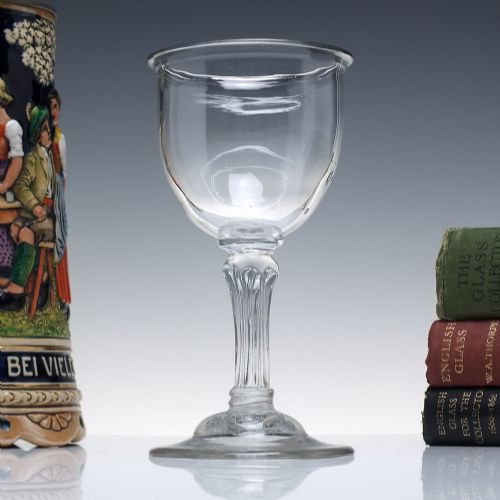


Georgian Hand Blown Glass
Georgian hand blown glass gathers domestic vessels and tavern ware shaped by hand during the eighteenth and early nineteenth centuries.
Georgian Hand Blown Glass
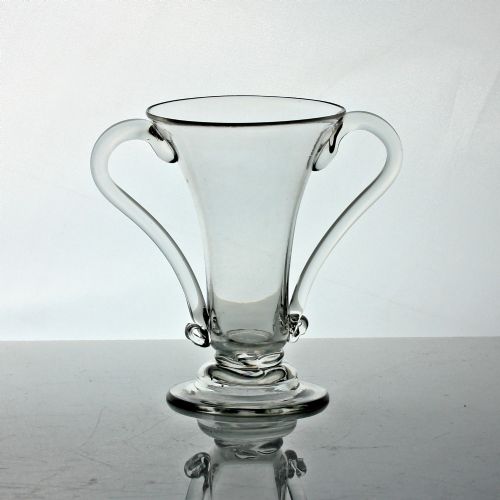
When you search for georgian hand blown glass, you encounter functional drinkware and table vessels spanning the eighteenth and nineteenth centuries. Wine glasses, rummers, decanters, tankards, and jugs dominate the forms originating from English, Scottish, and continental workshops.
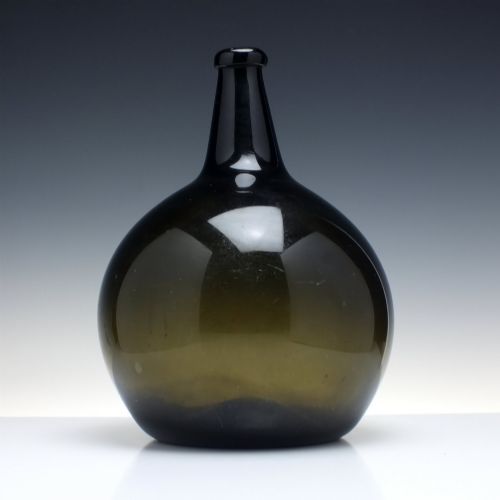
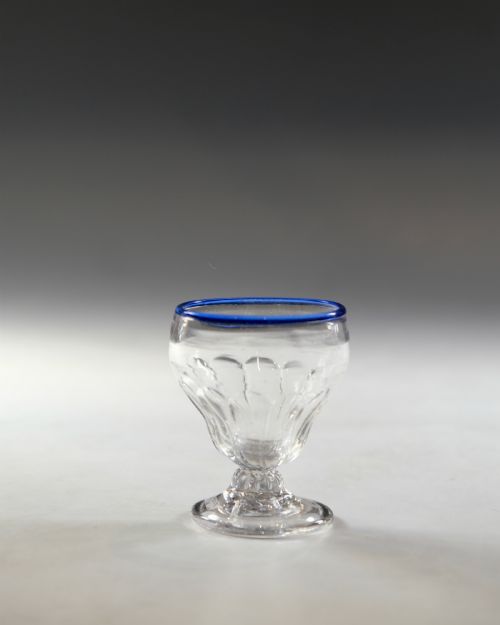
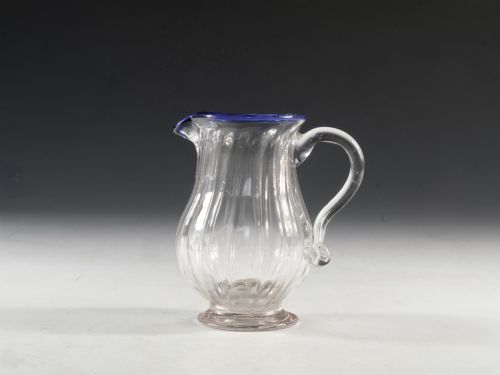
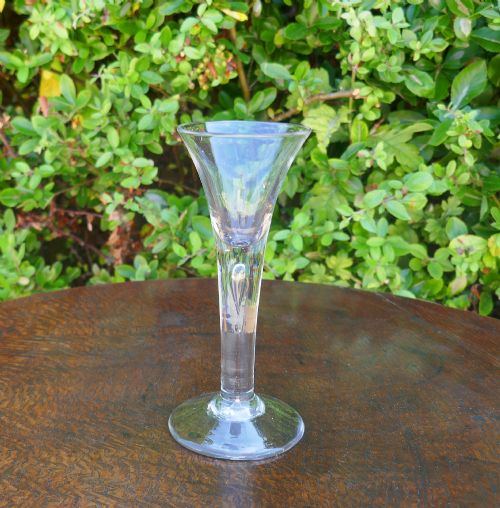
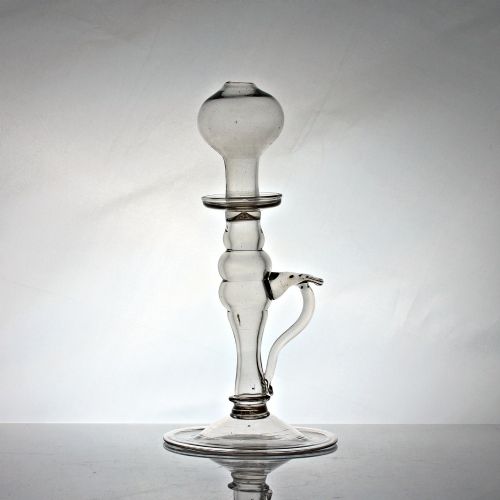
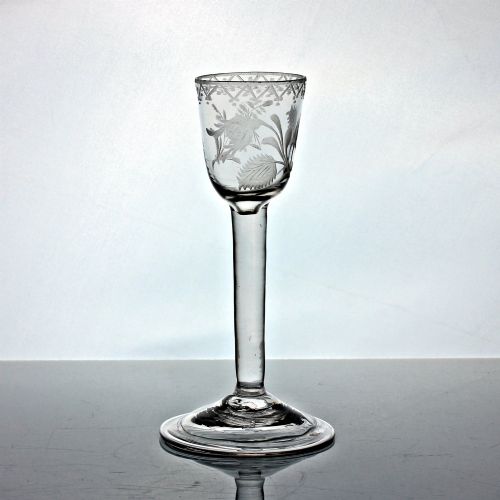
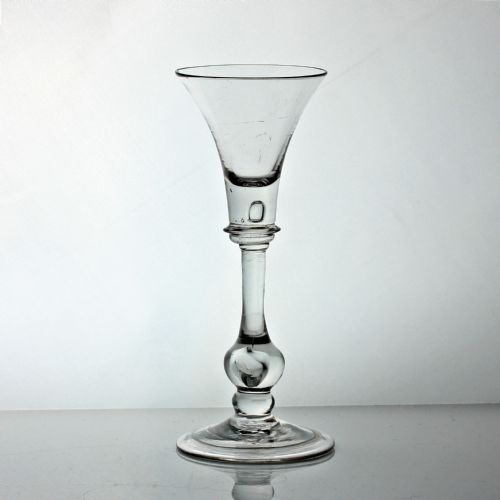
Wine glasses form the largest group, ranging from heavy baluster stems with air tears to delicate opaque twists and trumpet bowls. Alongside these drinking vessels sit serving pieces including cream jugs, sugar bowls, bonnet glasses, jelly glasses, oil lamps, and large wine bottles.
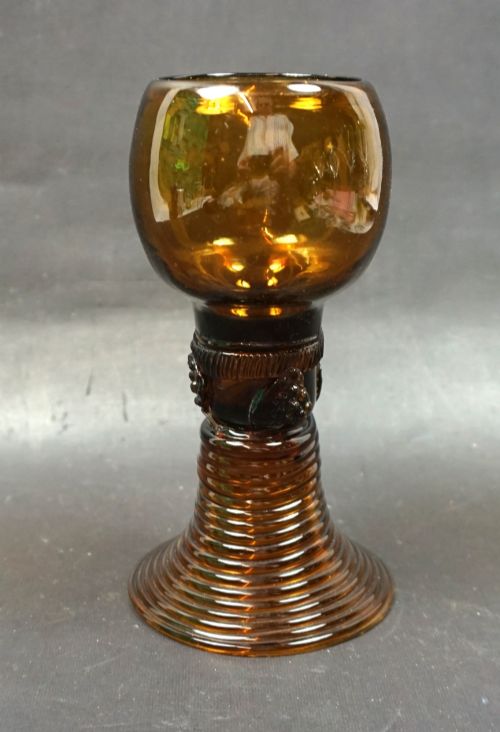
The objects cross multiple periods, stretching from early eighteenth-century styles into Victorian interpretations. English and Scottish provenance predominate, though German roemers and French pieces occasionally appear in the selection.
How they were made
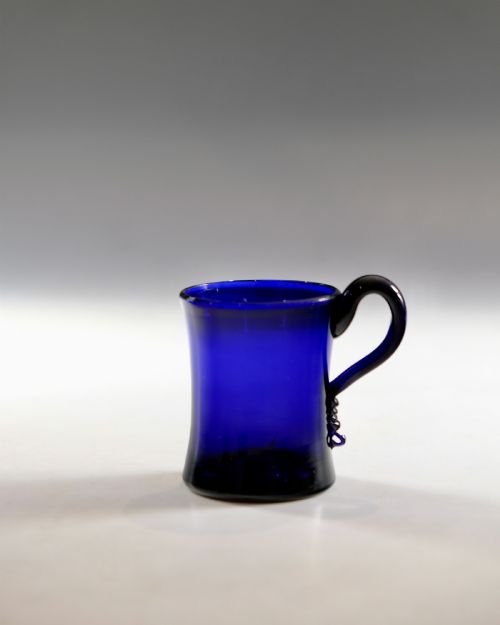
Molten metal was gathered on a blowing iron and shaped by lung power, gravity, and simple hand tools. Lead glass and clear glass formed the base for most vessels, while mineral oxides added deep tones of blue, green, amber, and turquoise.
Stems of wine glasses received special manipulation, trapping air bubbles or air tears inside the molten mass or twisting opaque white threads through the glass. Decanters and bottles took their profiles from shaft and globe moulds before receiving hand-applied handles and rims.
An eighteenth-century glasshouse worker once sneezed near a cooling bottle and inadvertently launched a thousand collector obsessions.
What varies in quality
Quality rests in the proportional balance of the vessel and the purity of the metal. Superior wine glasses display crisp optical clarity in the bowl and confident manipulation in the knops and twists of the stem.
Colour consistency and depth separate standard domestic items from finer tinted specimens, particularly in cobalt, green, and turquoise pieces. The weight and distribution of lead crystal give the best rummers and decanters a substantial hand-feel.
The Georgian Hand Blown Glass Glossary
- Baluster
- A heavy, swelling stem form reminiscent of architectural pillars found on drinking vessels from the early eighteenth century. This style provides substantial weight to the lower section.
- Opaque twist
- A stem decoration formed by drawing white enamel glass threads through the clear metal in spiral patterns. These threads create intricate optical designs inside wine glass stems.
- Rummer
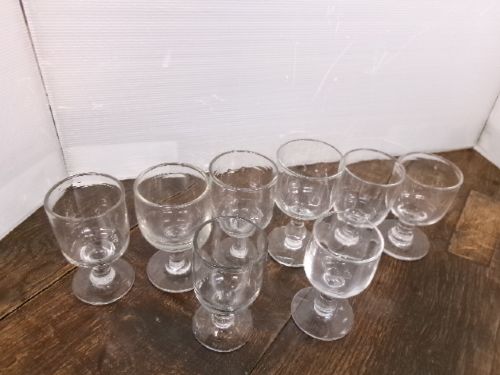
- A capacious, short-stemmed drinking glass popular for ale and wine during the late eighteenth and early nineteenth centuries. They often feature pan or tub-shaped bowls.
- Wrythen
- A spiral ribbed pattern moulded into the body of glassware such as cream jugs and tankards. The effect is achieved by twisting the glass while hot.
Georgian Hand Blown Glass: Frequently Asked Questions
How do I identify a Georgian wine glass?
Examine the stem construction and foot formation for period characteristics. Early examples show heavy baluster profiles with folded feet, while later pieces introduce air twists and opaque enamel threads.
Pontil marks on the underside confirm hand manufacture. The metal should feel heavy and display minor surface irregularities typical of eighteenth-century workshops.
Were these glasses used daily?
Domestic vessels served active roles in eighteenth-century dining, from serving wine and ale to holding cream, sugar, and jellies. Tavern glasses handled heavy daily service in public houses.
Sturdier pieces like rummers and shaft and globe decanters were built for regular use. Finer cordial and baluster glasses likely saw service among wealthier households during formal meals.
What is lead glass?
Lead glass incorporates lead oxide into the batch, producing a heavier, softer metal with high optical clarity and a resonant ring when struck. This material allowed eighteenth-century glassmakers to form thicker stems and deeper cutting.
It differentiates standard soda glass from the brilliant crystal favoured in English drinking vessels. The added weight aids balance in tall baluster wine glasses.