





Georgian Ale Glass
A georgian ale glass is a historic drinking vessel holding centuries of tavern and dining heritage, prized for its tall bowl and hop and barley engraving.
Georgian Ale Glass
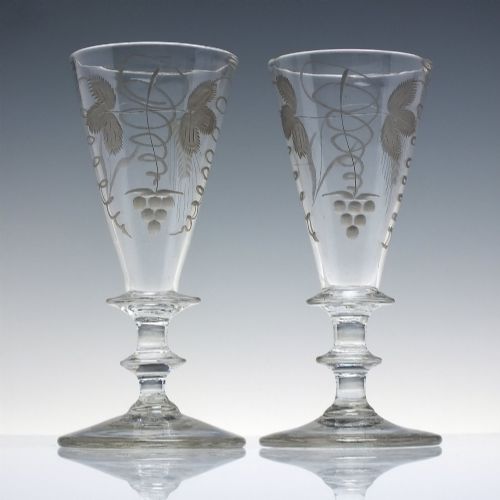
A georgian ale glass is a specialised drinking vessel designed for malt beverages, typically featuring a narrow, elongated bowl that preserves the head of the beer. These glasses appear frequently in 18th century forms, with origins rooted in English drinking culture from the Georgian and Regency eras.
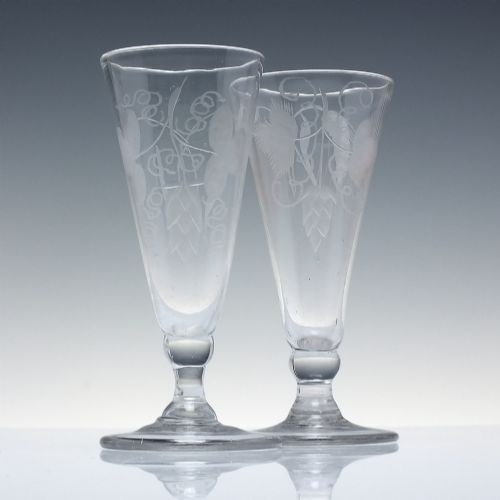
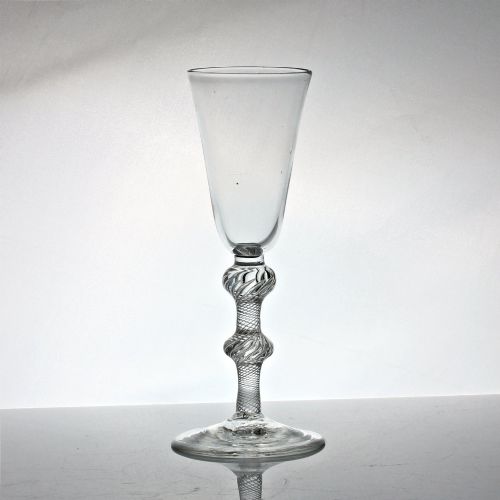
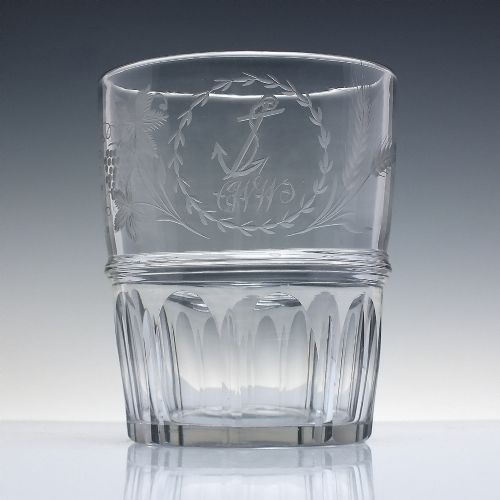
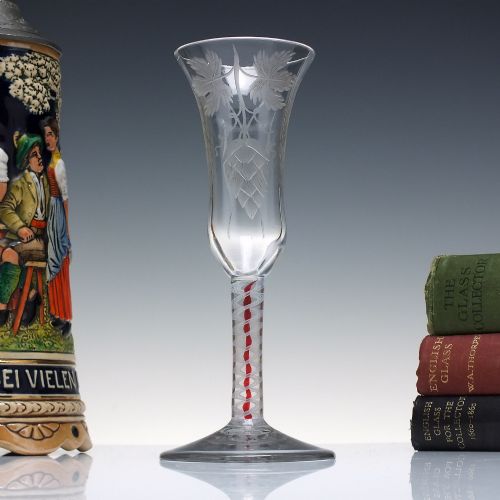
The most common variants encountered on this page include tall flute bowls, dwarf forms, and stout rummers, often decorated with engraved motifs of hops and barley. Collectors also encounter vessels featuring plain stems, facet cutting, or twisted air and opaque threads inside the glass body.
Earlier examples frequently incorporate folded feet for rim strength, whilst later 18th century and 19th century pieces introduce heavy lemon squeezer feet and cut stems. These drinking vessels bridge the gap between utilitarian tavern gear and refined dining table glassware.
How they were made
Makers utilised lead crystal, lead glass, and flint glass, hand-blowing the molten metal into shape before applying decorative techniques. The heavy lead content gave the metal a bright, clear appearance and allowed for deep, crisp wheel engraving.
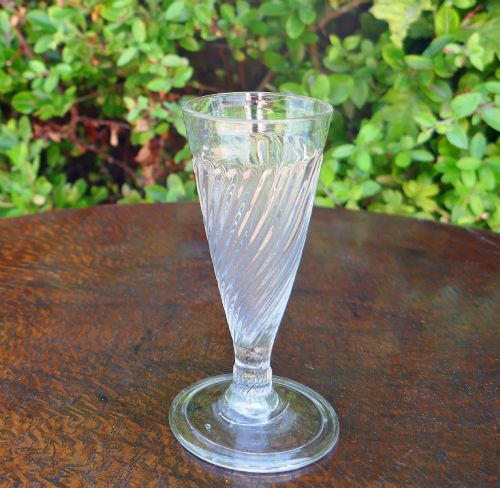
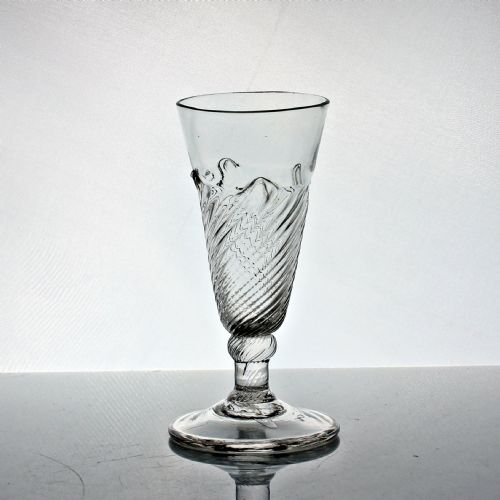
Stems were formed using air twist and opaque twist methods, trapping tiny air bubbles or white glass rods inside the pulled cane. Later pieces relied on wheel-cut facets and surface moulding, such as wrythen ribs and petal patterns, to catch the light.
Georgian Ale Glass Retail Price Guide 2026
Typical asking prices for georgian ale glass among the pieces listed under this phrase on Sellingantiques today, from the lower quarter to the upper quarter. They describe what is for sale here now, not the wider market.
Listings feature lead crystal and flint glass forms spanning the 18th century, Regency period, and early 20th century.
What varies in quality
The distinction between ordinary production and high craftsmanship lies in the crispness of the wheel engraving and the symmetry of the internal twists. Finely executed hop and barley motifs exhibit delicate shading and precise linework rather than heavy, hurried scratches.
Proportion and metal clarity dictate the upper tier of pieces, where the weight of the lead glass balances the height of the stem without leaning. Subtle details like a neatly folded foot or an unblemished bell bowl elevate the piece beyond standard domestic tableware.
James Giles
The Georgian Ale Glass Glossary
- Air twist
- A stem containing spiral threads of enclosed air bubbles formed by drawing twisted glass rods. This technique requires exceptional skill from the glassblower to maintain even thickness.
- Opaque twist
- A stem featuring white or coloured glass enamel rods twisted into complex internal threads. These threads create a striking contrast against clear lead crystal.
- Wrythen
- A moulded surface decoration featuring spiral ribs or flutes running up the body of the bowl. This pattern was achieved by twisting the glass whilst still hot in a ribbed dip-mould.
- Folded foot
- A base where the outer rim of the glass is tucked underneath to create a thickened, rounded edge. This traditional method provided extra strength against chipping on tavern tables.
- Lemon squeezer foot
- A square, heavily moulded glass base with sloped sides resembling a kitchen juicer. These sturdy bases became popular on late 18th century and Regency drinking vessels.
Georgian Ale Glass: Frequently Asked Questions
What is the difference between an ale glass and a wine glass?
Ale glasses generally feature taller, narrower bowls designed to display the pale colour and effervescence of malt beverages. They frequently carry engraved hop and barley motifs rather than grape or vine patterns.
Wine glasses of the same period typically possess broader, shorter bowls intended for aromatic vintages. The stem heights and capacities also reflect the larger volume expected when drinking ale.
Why do some glasses have folded feet?
Glassmakers folded the rim of the foot underneath itself to add structural strength to the base. This practical reinforcement protected vulnerable edges during vigorous tavern use and washing.
Folded feet appear predominantly on earlier pieces from the first half of the 18th century. Finding this feature indicates an older manufacturing tradition focused on durability.
How do you identify an air twist stem?
An air twist stem contains thin, spiralling threads of elongated bubbles trapped inside the clear glass. Craftsmen created these by twisting a gathered lump of bubbly metal before pulling and shaping the stem.
Under magnification, the air threads appear smooth and continuous rather than hollow tubes. This intricate technique distinguishes mid 18th century examples from plain or cut stems.
Were these glasses used daily or displayed?
Georgian drinking vessels served both practical dining functions and social display in homes and taverns. Sturdier rummers and tankards saw regular use for serving ale, beer, and rum.
More delicate twist stems and engraved flutes likely appeared during formal dinners. Their survival reflects careful handling by generations of owners who valued the fine glass.