






Antique Ale Glass
An antique ale glass brings the heavy malt and hops of eighteenth and nineteenth-century taverns straight to the modern table.
Antique Ale Glass
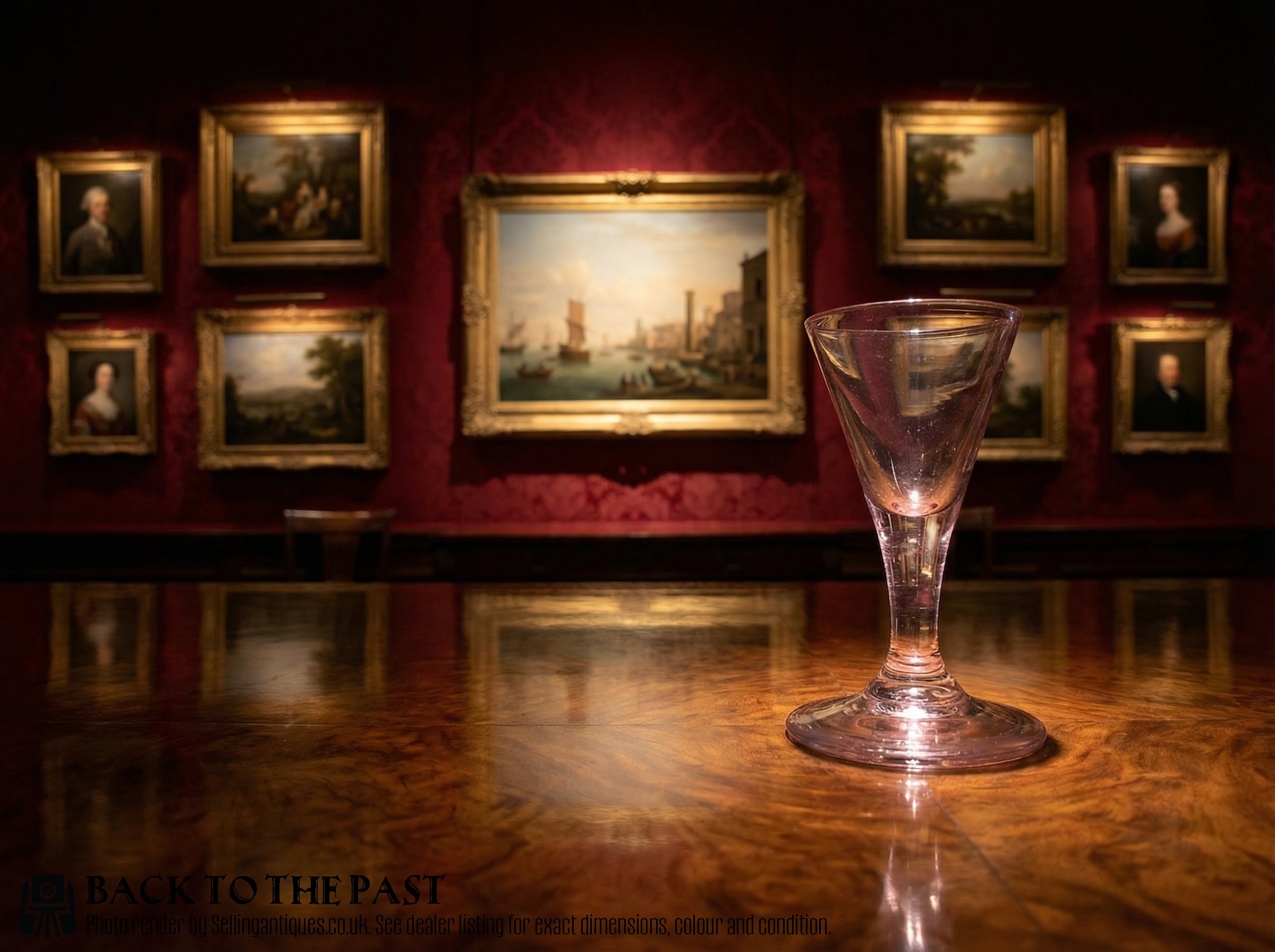
An antique ale glass is a drinking vessel designed specifically for malt beverages, typically featuring a taller, narrower bowl than a standard wine glass to retain the head and carbonation. The forms found on this page span from the simple heavy lead vessels of the mid eighteenth century up to decorative Edwardian and later productions.
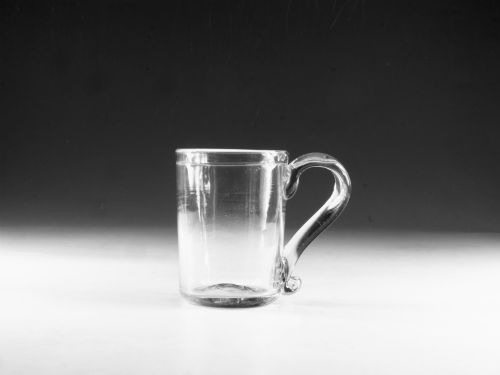
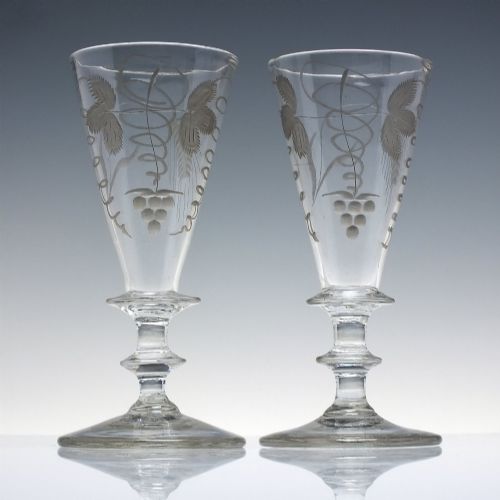
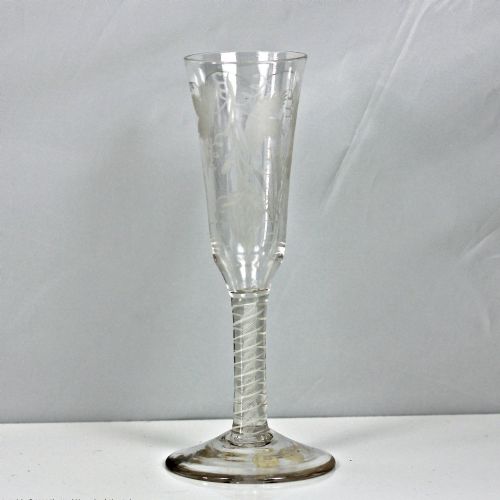
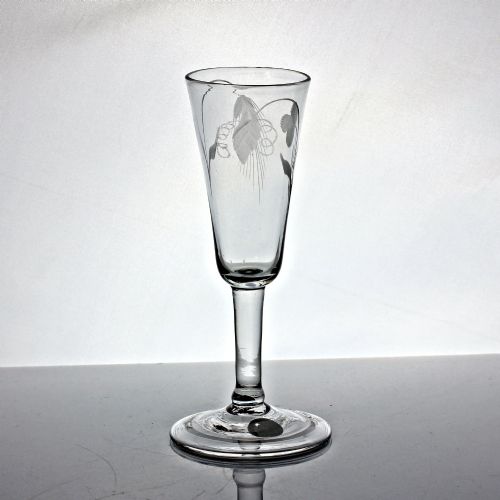
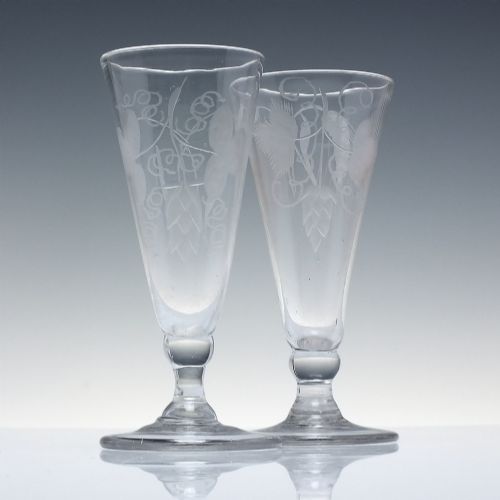
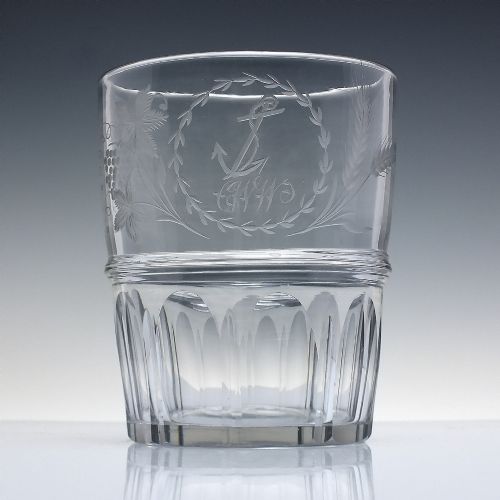
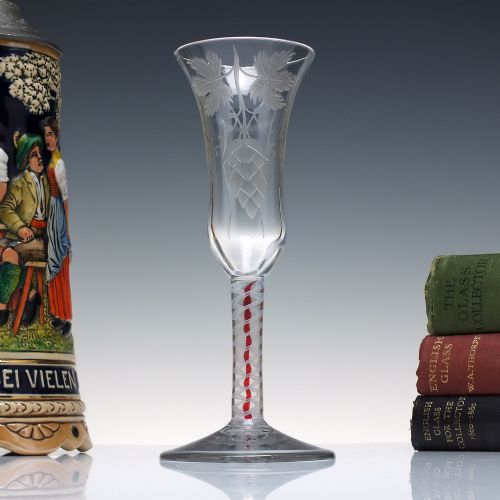
The most common version met on this page is the tall Georgian balustroid or straight-stemmed flute, frequently decorated with wheel-engraved hops and barley motifs. These vessels include variants with air twists, opaque twists, and plain stems, alongside later rummers and tankards from the nineteenth and early twentieth centuries.
How they were made
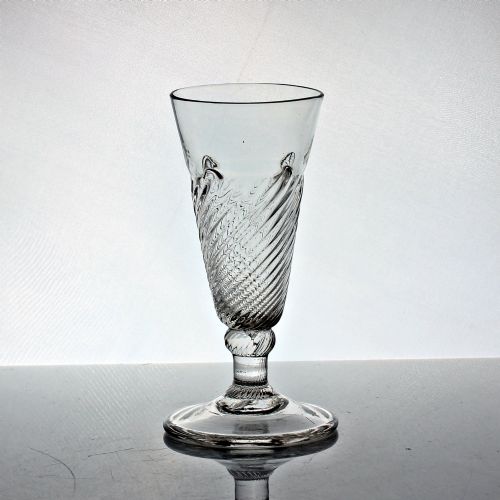
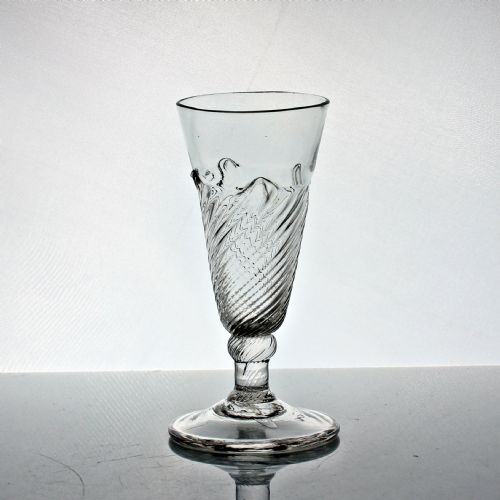
The material behind these pieces is heavy lead glass or flint glass, which allowed glassmakers to draw out slender stems and shape deep, resonant bowls while maintaining durability. Hand-blowing techniques produced individual variations, such as folded feet for rim strength and optical moulding like wrythen patterns.
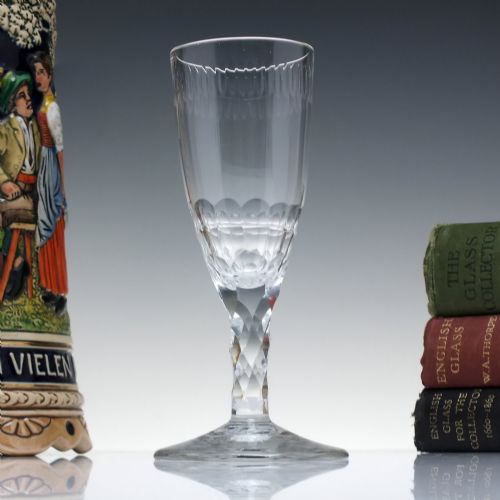
Makers utilised specialised tools to trap air bubbles within the molten metal for air twists, or incorporated white and coloured glass rods to form intricate opaque twists. Surface decoration was achieved through wheel engraving, cutting facets into stems and bowls, and occasionally adding enamel details.
Antique Ale Glass Retail Price Guide 2026
Typical asking prices for ale glass among the pieces listed under this phrase on Sellingantiques today, from the lower quarter to the upper quarter. They describe what is for sale here now, not the wider market.
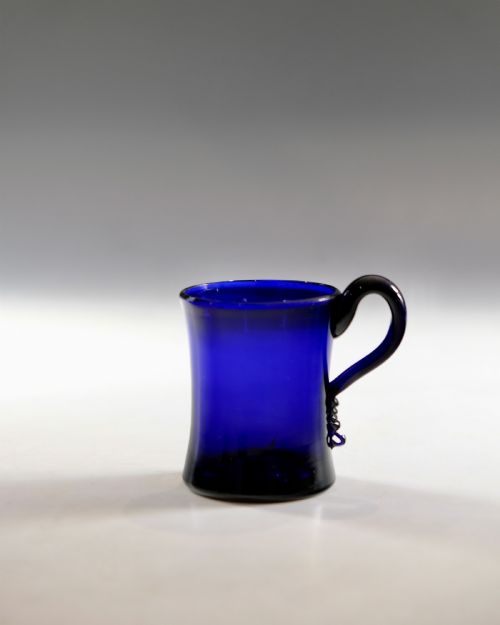
Listings on this site feature lead crystal, flint glass, and cobalt glass across periods ranging from the eighteenth century to the twentieth century.
What varies in quality
Quality rests primarily on the crispness and complexity of the internal twist or the depth of the wheel engraving depicting the traditional hops and barley. Pieces with well-proportioned stems, clean metal free from excessive cloudiness or heavy impurities, and stable, well-formed folded feet stand apart.
The overall balance of the vessel and the weight of the lead crystal dictate the tactile experience of the piece. Superior examples display deliberate attention to the wall thickness of the bowl and smooth polishing on the pontil mark underneath the base.
The Antique Ale Glass Glossary
- Air twist
- A decorative stem containing spiralling threads of trapped air created by drawing and twisting heated glass rods.
- Opaque twist
- A stem featuring white or coloured enamel glass threads twisted through clear metal during manufacture.
- Wrythen
- An optical moulded pattern showing diagonal ribs or spirals twisted around the body of the glass bowl.
- Folded foot
- A base edge turned underneath to form a double layer of glass, providing extra strength to the rim of the foot.
- Rummer
- A large, sturdy drinking glass with a short stem and a capacious bowl used for serving ales and wines.
Antique Ale Glass: Frequently Asked Questions
What is an antique ale glass?
An antique ale glass is a specialised drinking vessel produced mainly during the eighteenth and nineteenth centuries to serve malt beverages. They typically feature taller, narrower bowls than wine glasses to preserve the beer's head.
These pieces reflect historical drinking habits, evolving from heavy lead crystal stems with air and opaque twists into larger rummers and tankards during the Georgian and Victorian eras.
How do you date an antique ale glass?
Dating relies on examining the manufacturing techniques, stem formations, and material composition visible in the piece. Eighteenth-century examples often display pontil marks, folded feet, and intricate air or opaque twists.
Later nineteenth-century and Edwardian pieces shift toward heavier press-moulded designs, facet cutting, and different proportions. Comparing the engraved motifs and bowl shapes against established typologies helps narrow down the decade.
Can you drink from antique ale glasses?
Many collectors enjoy using sturdy lead glass vessels for special occasions, provided they receive careful hand washing. The durable lead crystal composition handles liquid safely, though thermal shock should be avoided.
Due to their age and fragile nature, proper care prevents accidental chipping of the rim or the delicate folded foot.