
Georgian Stemware
Georgian stemware brings heavy lead glass and delicate twists to the table, offering tactile historical drinking vessels for daily use.
Georgian Stemware
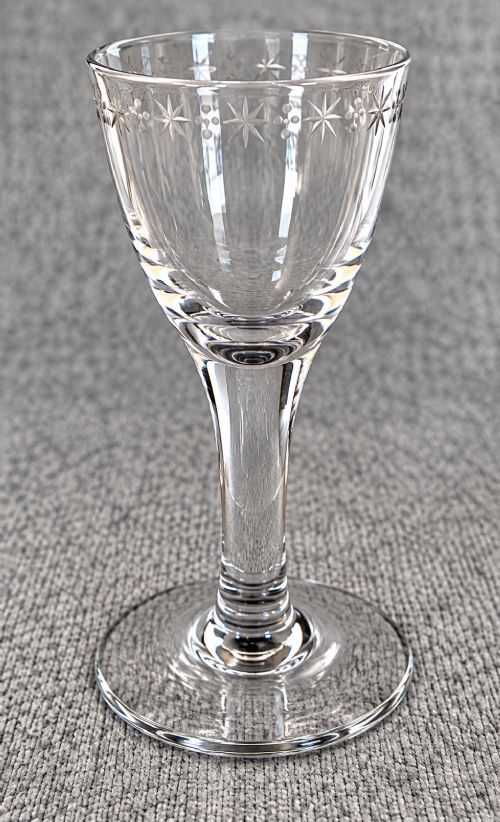
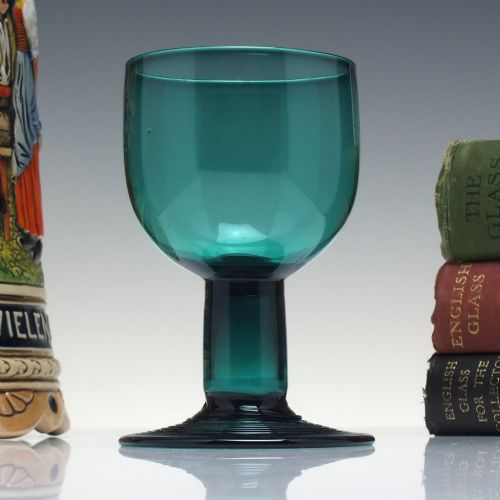
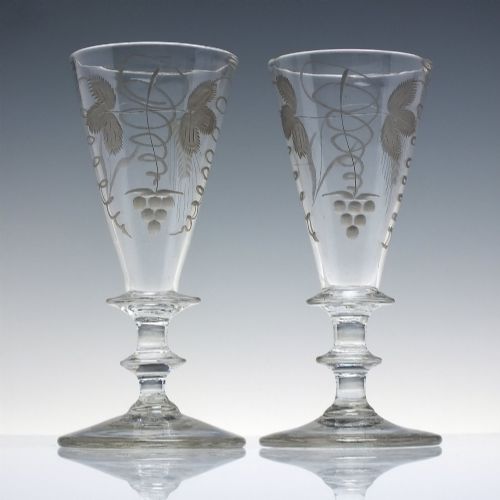
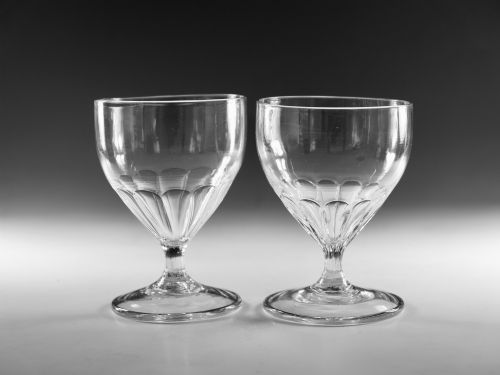
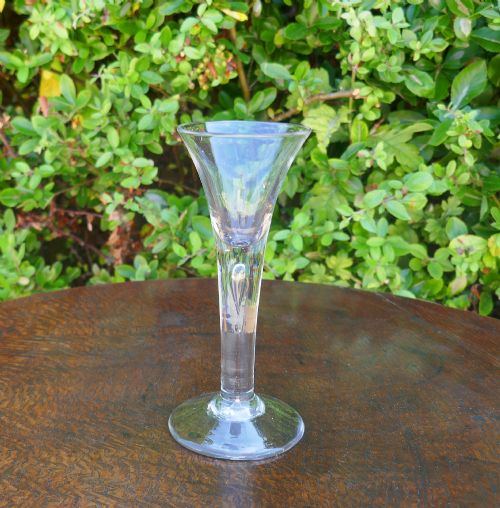
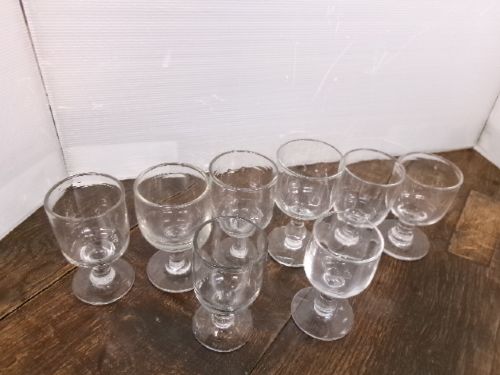
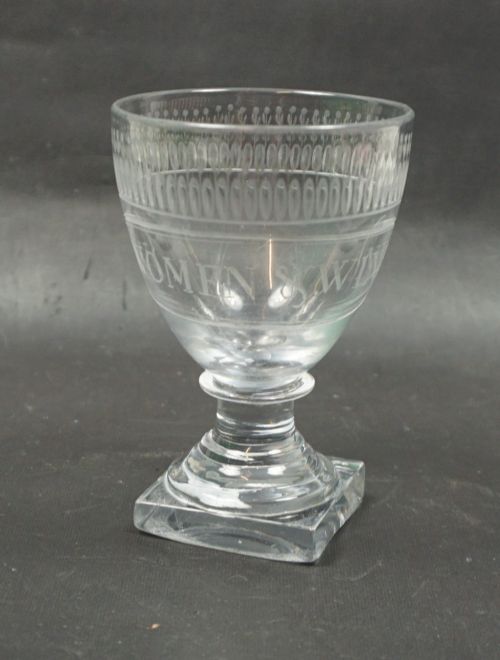
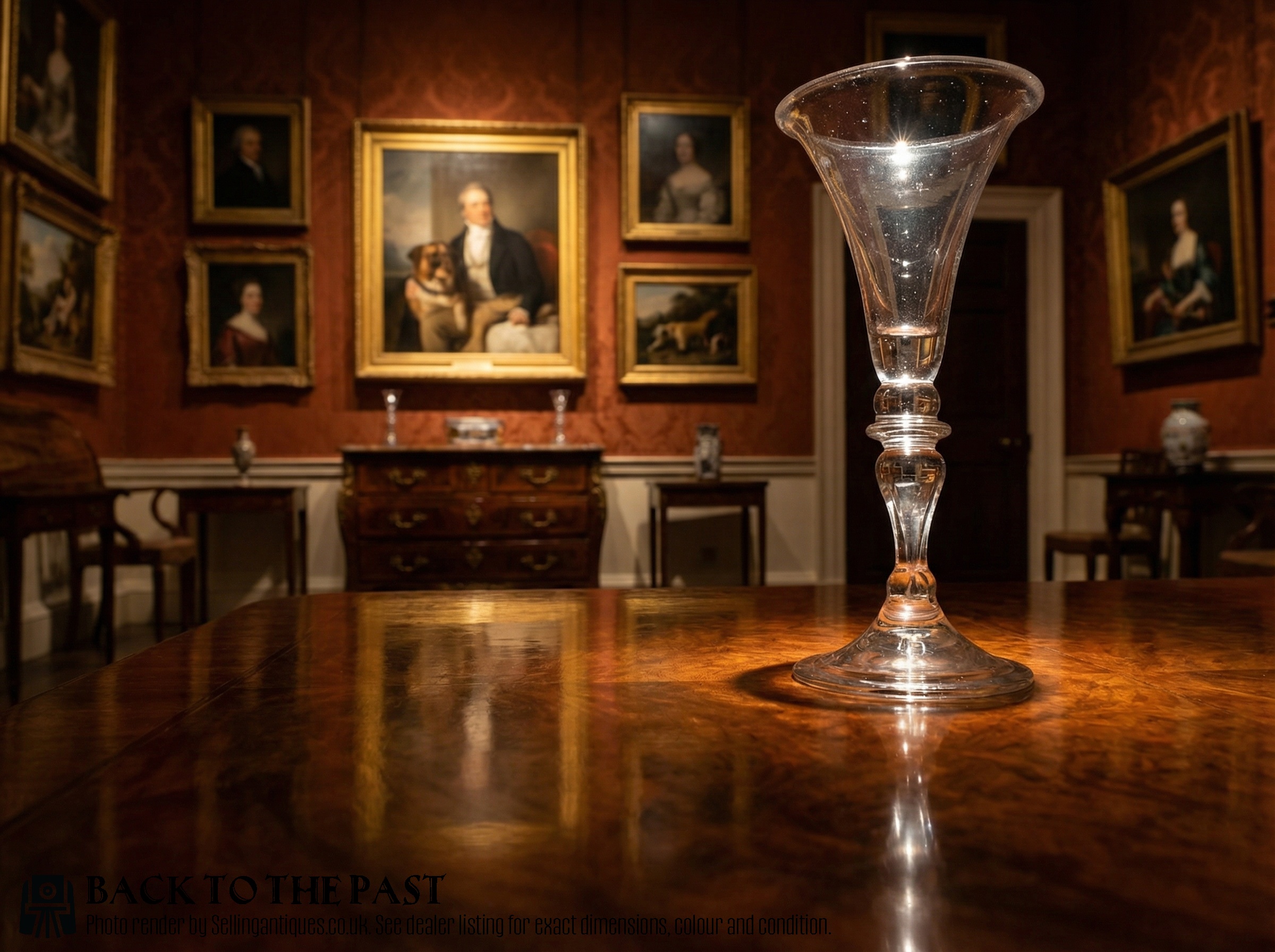
When you search for georgian stemware, you encounter drinking vessels produced primarily during the eighteenth and early nineteenth centuries. The selection on this page consists chiefly of wine glasses, ale glasses, rummers, and dram glasses shaped from clear or coloured lead glass.
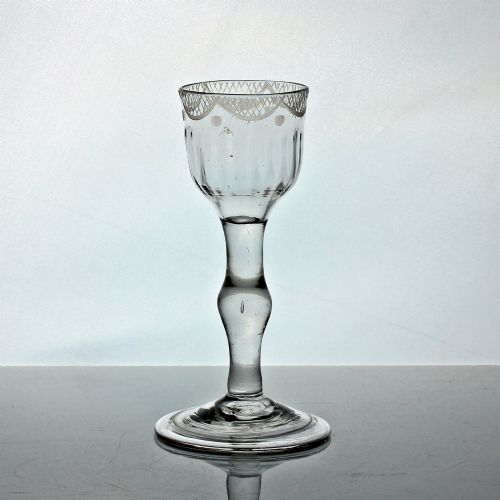
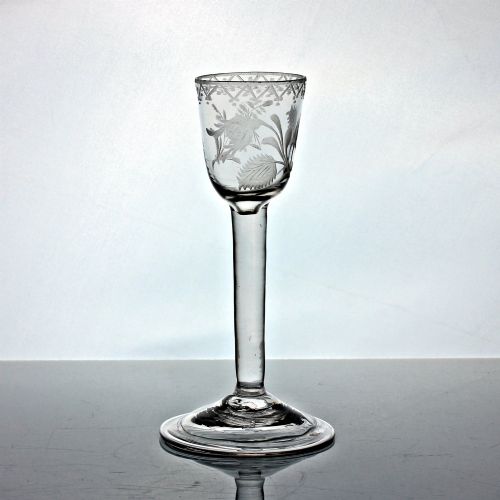
Most examples date from the Georgian and Regency periods, stretching from mid eighteenth-century balusters and twists to later faceted rummers. Forms range from slender wine flutes and cordial glasses to heavy goblets designed for beer or wine.
How they were made
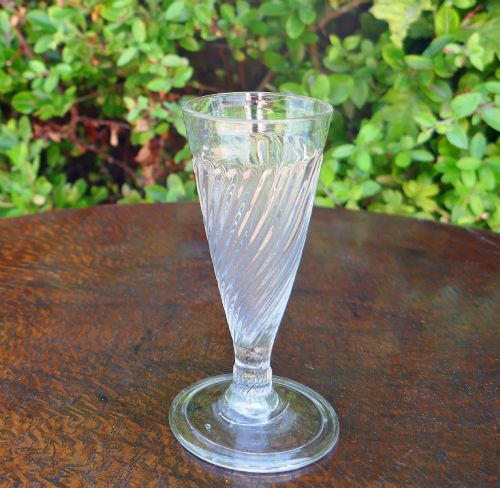
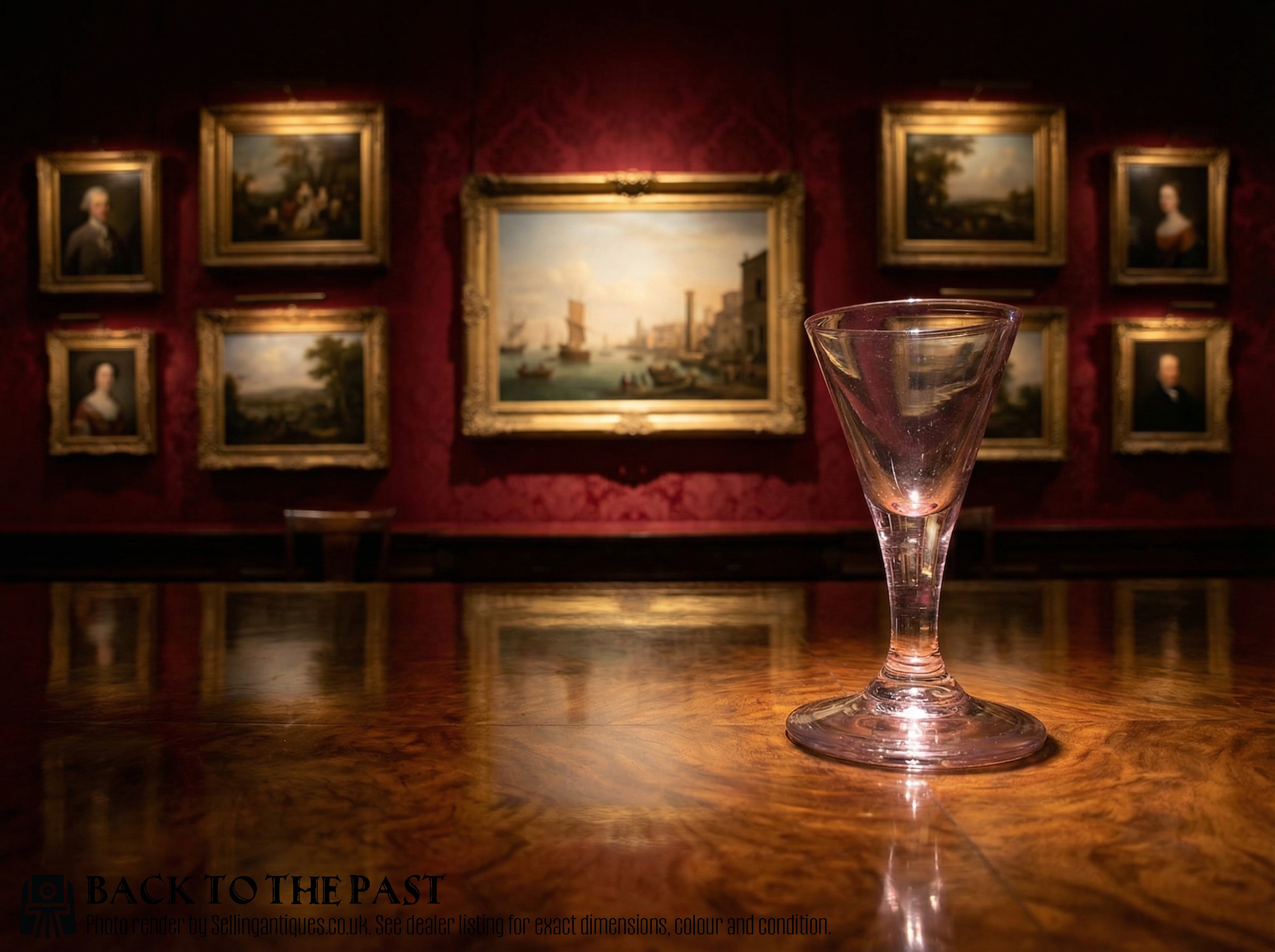
These vessels rely on lead glass and flint glass, materials prized for clarity and weight that allowed glassmakers to form slender stems and deep bowl moulds. Makers introduced air bubbles, optical ribs, and folded feet during blowing to strengthen bases and add decoration.
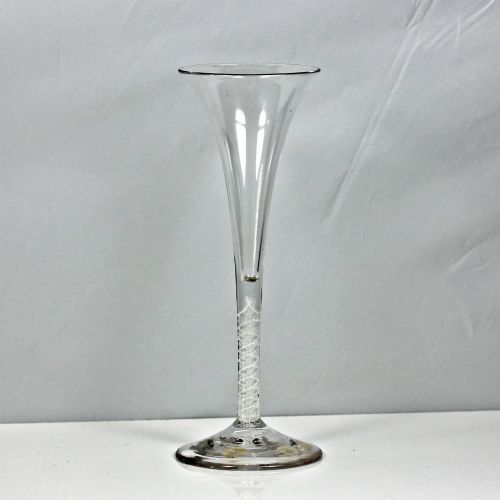
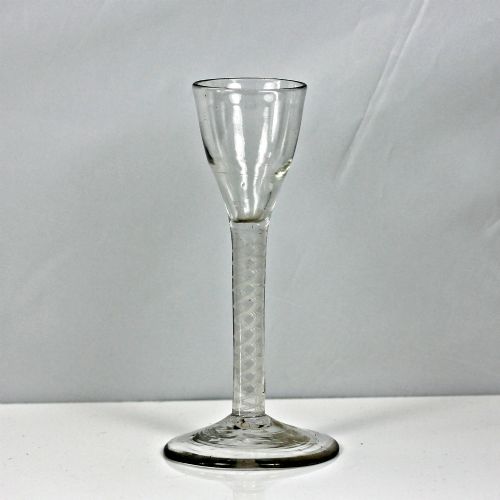
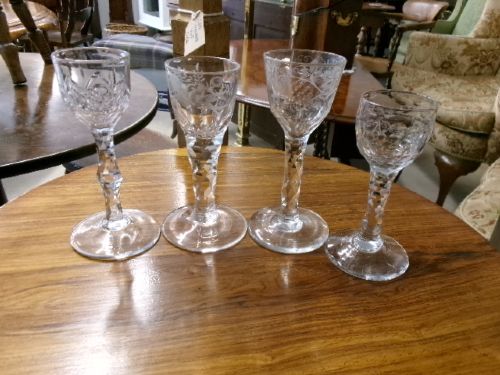
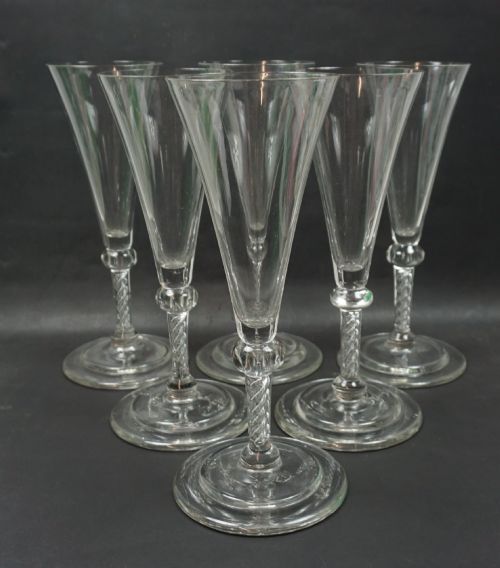
Stems incorporated intricate internal structures, including single or double series opaque twists, multi-spiral air twists, and colour twists formed by trapping threads of white or red enamel inside the molten metal before drawing and twisting the glass.
Georgian Stemware Retail Price Guide 2026
Typical asking prices for georgian stemware among the pieces listed under this phrase on Sellingantiques today, from the lower quarter to the upper quarter. They describe what is for sale here now, not the wider market.
The listings span the eighteenth century, the Regency era, and the 1930s Georgian Revival period, utilising clear lead glass and white enamel.
What varies in quality
Quality rests upon the proportion and balance of the piece, from the crispness of the facet cutting on a rummer bowl to the precision of the internal twist within the stem. Superior examples display clear metal free from heavy clouding, alongside well-proportioned feet that sit flat without excessive wobble.
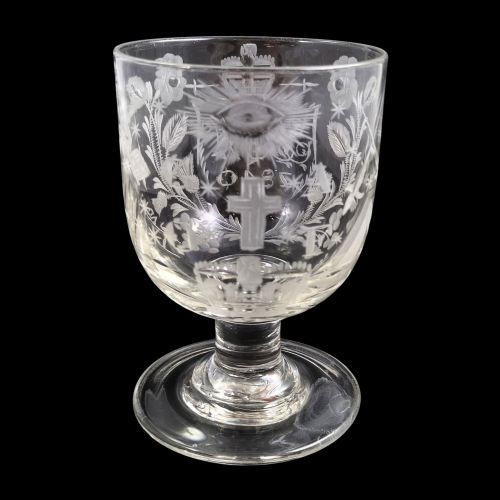
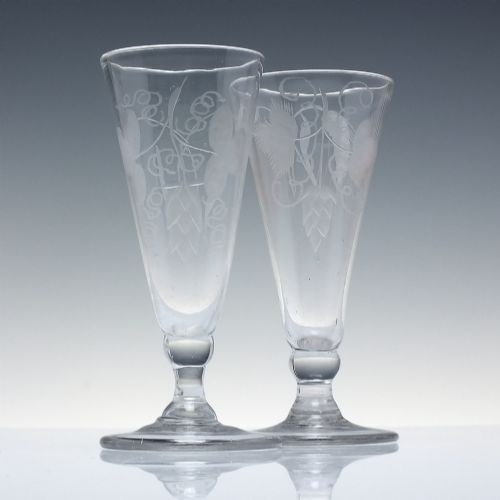
Engraving also dictates distinction, separating simple wheel-cut borders from finely detailed Jacobite symbols, floral swags, or commemorative inscriptions executed by skilled hands.
The Georgian Stemware Glossary
- Baluster
- A thick, heavy stem form derived from architecture, often featuring knops or swollen sections popular in mid-eighteenth-century drinking vessels.
- Opaque twist
- A stem decoration created by enclosing white enamel glass rods within clear glass and drawing them into a spiral thread.
- Air twist
- A stem design featuring elongated internal air bubbles stretched into a spiral corkscrew pattern during the pulling process.
- Rummer
- A large, capacious drinking glass on a short stem, introduced around the turn of the nineteenth century for ale, wine, or punch.
- Folded foot
- A base edge doubled over underneath during manufacture to provide extra weight and strength to the rim.
Georgian Stemware: Frequently Asked Questions
What is georgian stemware used for today?
These historical glasses serve well for special toasts, quiet dinners, or display in a cabinet. Their sturdy lead composition means they remain robust enough for careful handling.
Collectors often enjoy using them for port, wine, or ale, connecting directly with eighteenth-century dining traditions through the weight and feel of the glass.
How do I tell an air twist from an opaque twist?
An air twist contains trapped air channels that catch the light like silver threads inside clear glass. They appear subtle and transparent upon close inspection.
An opaque twist uses solid white or coloured enamel rods that stand out brightly against the clear metal of the stem.
What is a dram glass?
A dram glass is a small drinking vessel designed for holding a single measure of spirits such as whisky or cordial. They feature thick bowls and sturdy bases to withstand frequent toasts.
Many surviving eighteenth-century examples show engraved decoration around the rim, marking personal occasions or political loyalties.
Why do some glasses have folded feet?
Makers folded the bottom rim of the foot underneath itself while the glass was hot to create a stronger, heavier edge. This technique protected vulnerable perimeters from chipping during tavern use or vigorous table service.
Folded feet appear frequently on mid-eighteenth-century ale and wine glasses, adding distinct tactile character to the base.