





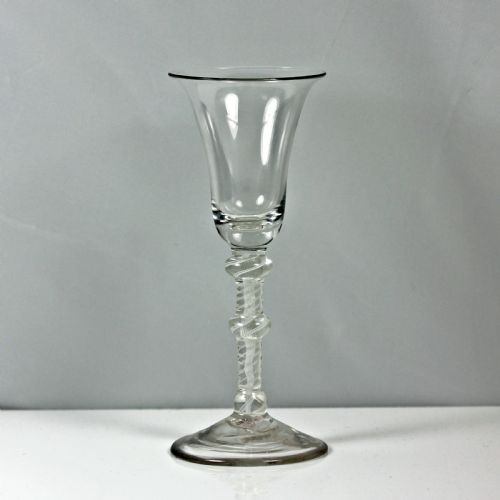


Opaque Twist Stem
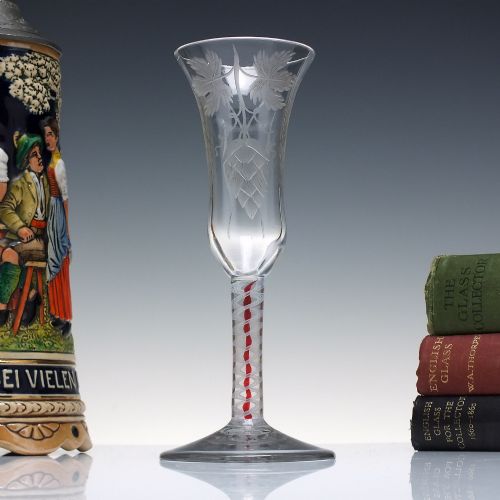
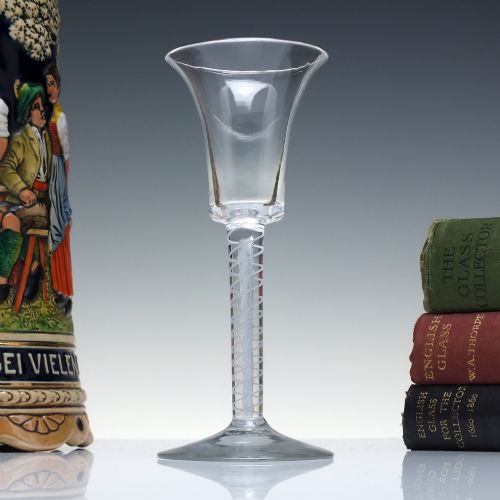
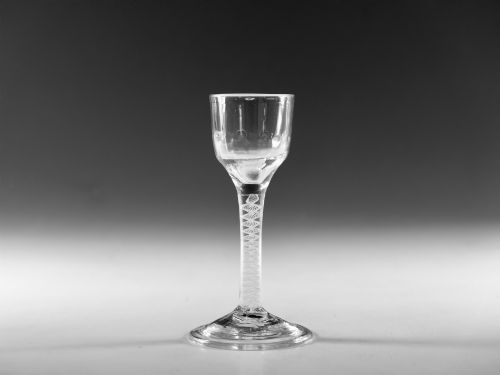
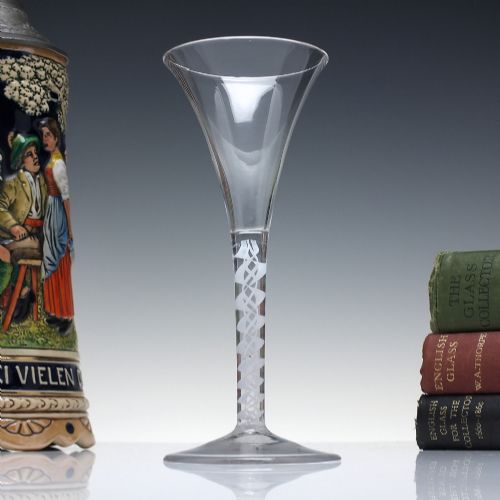
Opaque twist stem wine glasses are eighteenth-century drinking vessels prized for their striking white enamel internal threads.
What opaque twist stem glasses are
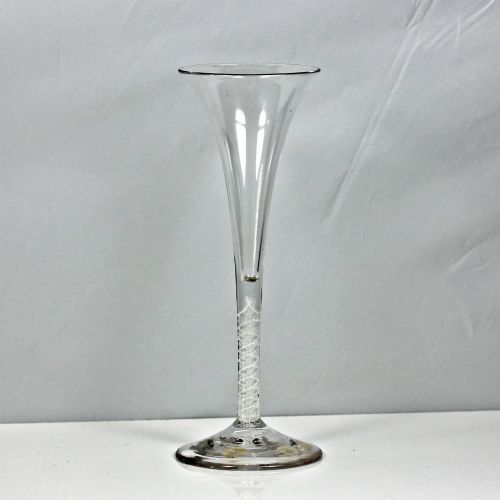
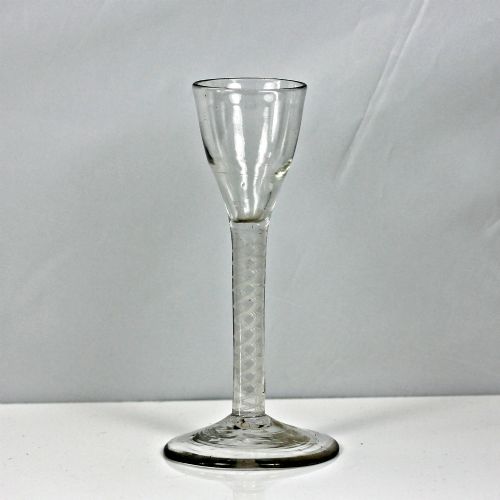
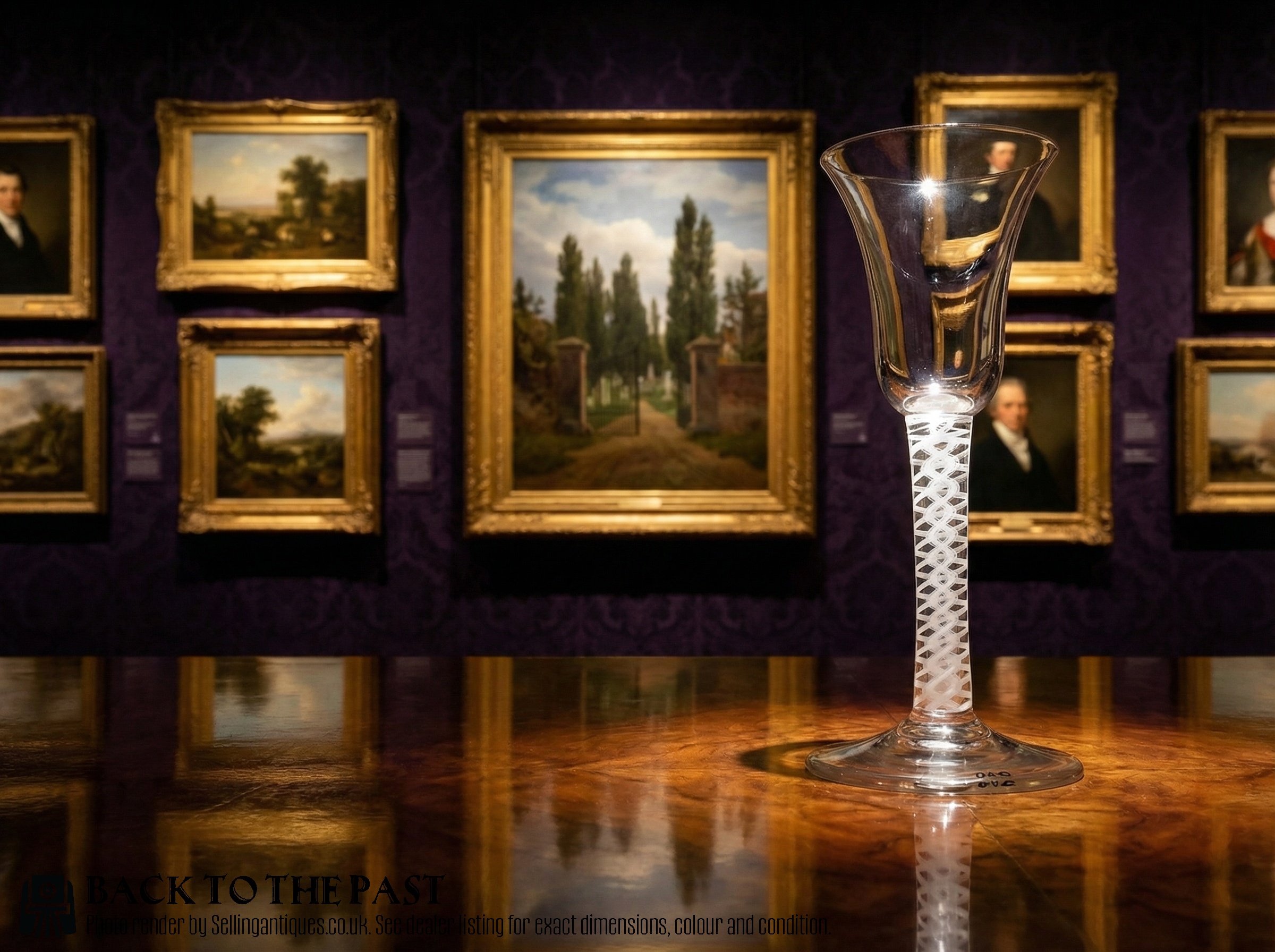
When you search for opaque twist stem, you are looking at eighteenth-century Georgian glassware designed for wine, champagne, cordials, and sweetmeats. These pieces date principally from around the seventeen-sixties and originate from English workshops.
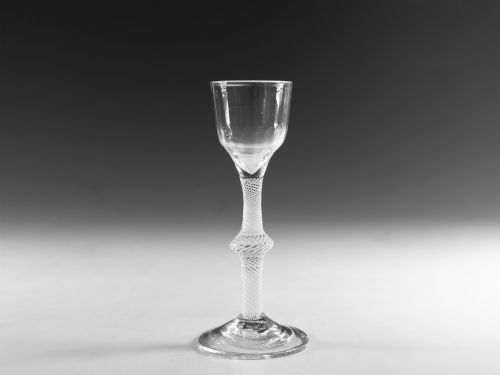
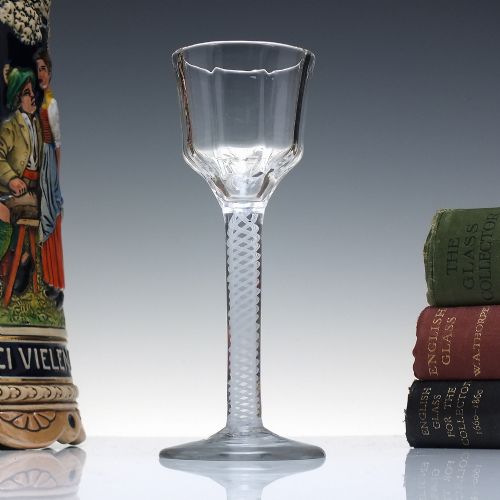
The form typically comprises an elevated bowl, a slender stem containing opaque white enamel threads, and a foot. You are most likely to meet single series, double series, and multi-spiral twist configurations supporting ogee, flared, or fluted bowls.
How they were made
These items are produced from clear lead glass combined with white enamel to form the interior twists. Makers manipulated rods of opaque enamel within molten glass before drawing and twisting the stem to achieve the desired spiral pattern.
Individual examples incorporate structural variations such as a full ribbed ogee bowl, a medial knop, or a flute-moulded surface. The vessels are shaped by hand, resulting in distinct tactile qualities across the glassware.
Retail Price Guide 2026
Typical UK retail prices for opaque twist stem, calculated from the Sellingantiques database of over a million retail prices indexed since 2003. This retail price guide relies exclusively on Sellingantiques data; no external sources or auction records are used, so the figures do not describe the wider market.
What varies in quality
Quality separates simple production from finer output through the crispness and complexity of the internal twist formation. Multi-spiral and double series threads demand greater technical skill from the glassmaker than single series equivalents.
The elegance of the bowl proportions and the symmetry of the stem configuration dictate the visual balance of the piece. Superior examples display clean alignment within the lead glass without distortion to the enamel threads.
The Opaque Twist Stem Glossary
- Opaque twist stem
- A drinking glass stem containing internal threads of white enamel. This defining feature emerged in English glassmaking during the eighteenth century.
- Ogee bowl
- An S-curve bowl profile that curves outward at the rim and inward toward the base. It is a frequent shape found on Georgian wine glasses.
- Medial knop
- A prominent swollen node situated midway along the glass stem. It provides an ergonomic grip and visual punctuation.
- Sweetmeat glass
- A wide, shallow vessel intended for serving small confectionery or preserves. These pieces share the characteristic twist stems of contemporary wine glasses.
- Multi-spiral
- A stem design incorporating numerous interwoven enamel threads. This configuration creates a dense optical pattern within the clear lead glass.
Frequently Asked Questions
What is an opaque twist stem?
An opaque twist stem is a drinking glass stem enclosing fine threads of white enamel inside clear lead glass. These decorative elements were produced by eighteenth-century English glassmakers.
They appear in various configurations, including single, double, and multi-spiral formations, creating intricate optical patterns beneath the bowl.
How old are these glasses?
These glasses date from the eighteenth century, specifically the Georgian period around seventeen-sixty to seventeen-sixty-five. They represent a distinct phase in English lead glass production.
Their age is identified through characteristic manufacturing techniques, bowl forms, and the specific composition of the lead metal used by period makers.
What drinks were served in them?
They served various beverages depending on the specific bowl capacity and form. Wine, champagne, cordials, and sweetmeats were all poured into these vessels during the Georgian era.
Smaller, fluted ogee bowls often held potent cordials, while larger ovoid or everted rims suited wine and sparkling draughts.
How do I distinguish bowl shapes?
Bowl shapes vary from ogee profiles with their double-curved silhouette to straight-sided flutes and everted rims. Each form influences how the vessel looks and holds its contents.
Flute-moulded and ribbed surfaces add texture to the upper vessel, catching the light alongside the white enamel threads in the stem below.