

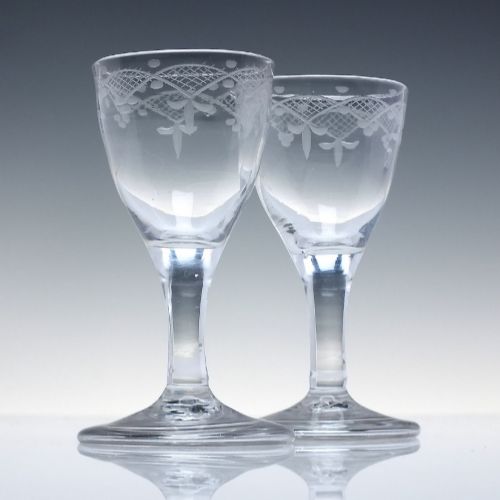


Antique Cordial Glass
An antique cordial glass is a small drinking vessel designed for potent spirits, most frequently encountered here in eighteenth-century lead glass forms.
Antique Cordial Glass
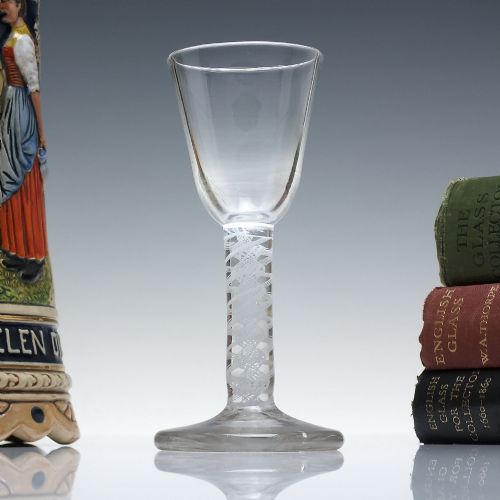
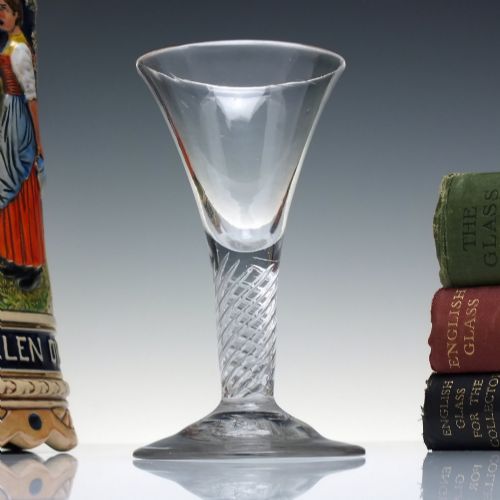
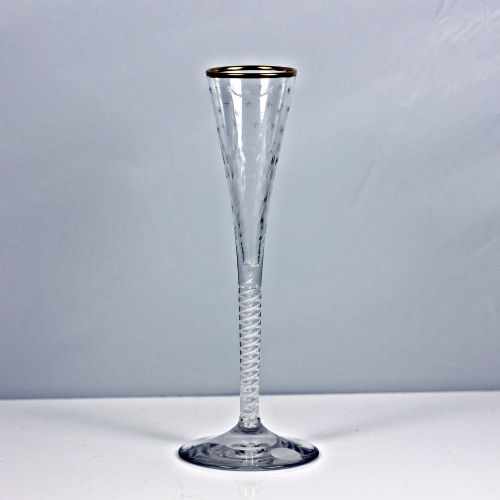
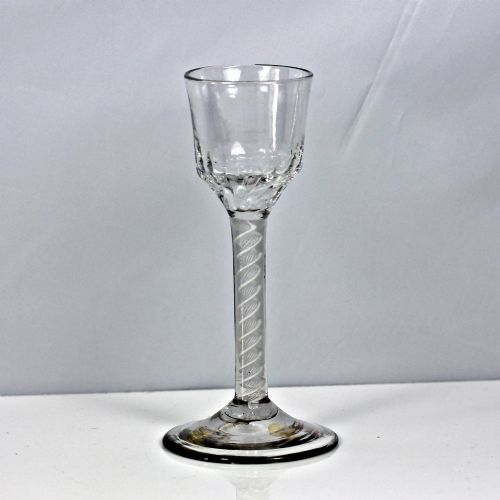
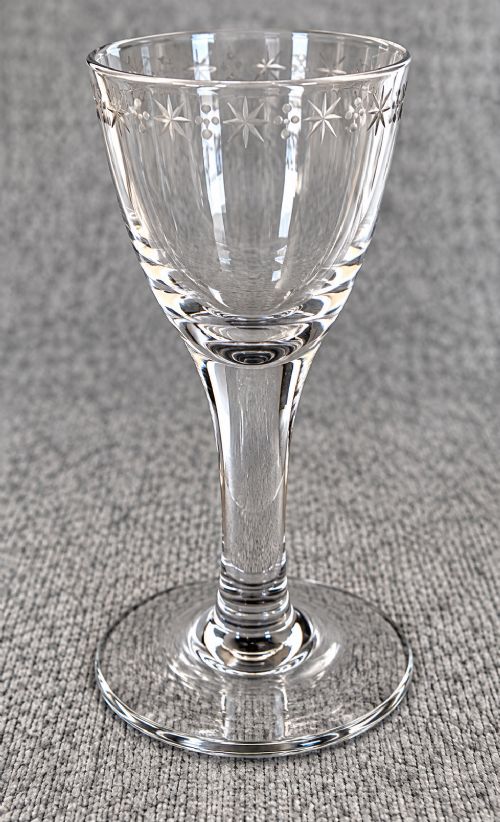
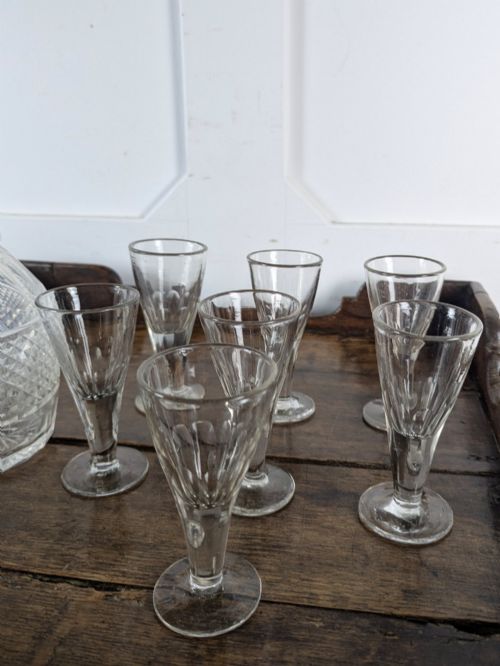
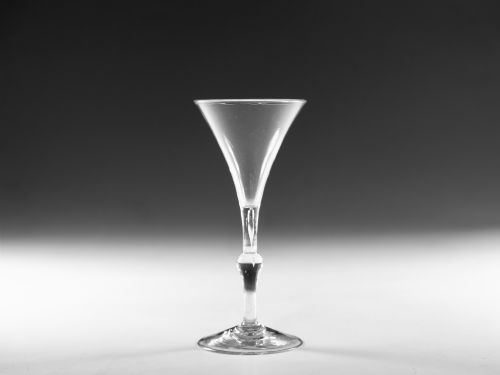
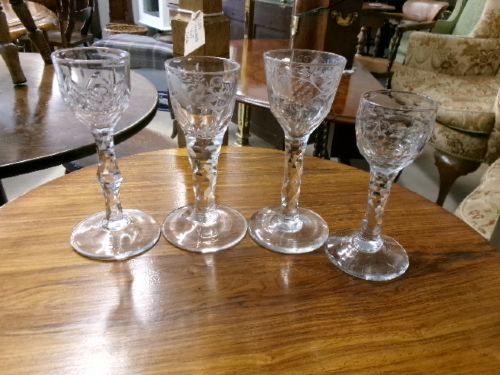
When you examine an antique cordial glass on this page, you are looking at small drinking vessels designed for strong liquors like drams, gin, ratafia and sherry. The pieces span from the early eighteenth century through the Victorian, Edwardian, and Art Deco eras, capturing centuries of small-scale glassware design. The version you are most likely to meet is an eighteenth-century English example, often featuring twist stems, engraved bowls and folded feet.
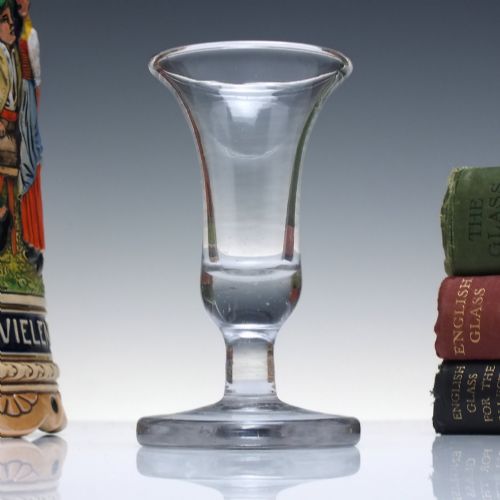
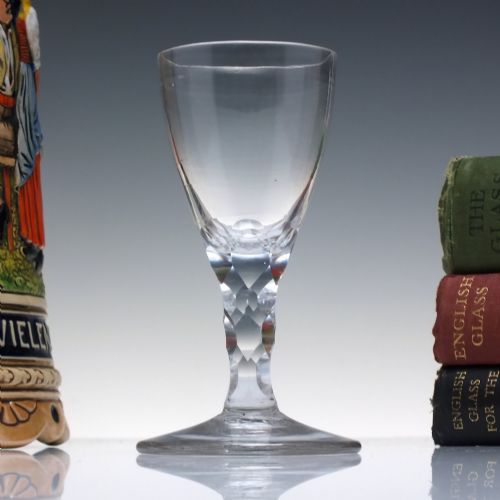
The functional forms vary from heavy balusters and dram glasses to narrow-bowled cordial and liqueur glasses intended for small measures. Alongside stemware, the selection includes related drinking glasses, wine glasses, thumb-cut sherry flutes and even serving ewers. Their survival in varied styles demonstrates how social drinking habits evolved from the robust drams of the early seventeen-hundreds to the delicate Edwardian and jazz-age services.
How they were made
The manufacturing relies heavily on lead glass and flint glass, materials prized for their weight, clarity and refractive brilliance. Makers shaped these compositions using techniques such as hand blowing, rib moulding, and facet cutting to create crisp angles and textured surfaces on stems and bowls. Twist stem varieties incorporate air bubbles or opaque white enamel threads drawn through the molten metal before manipulation.
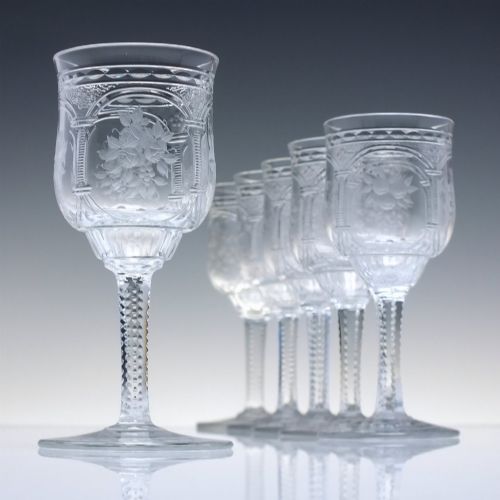
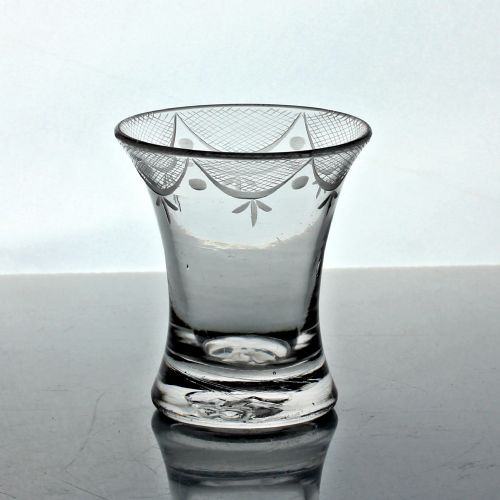
Decoration is achieved through surface techniques like wheel engraving, etching and hand enamelling, adding floral motifs, swags and tails to the clear bodies. Structural details such as folded feet, basal bubbles and multi-nook knops provide stability and tactile interest, reflecting the skill of glasshouses working across the Georgian and later periods.
Antique Cordial Glass Retail Price Guide 2026
Typical asking prices for cordial glass among the pieces listed under this phrase on Sellingantiques today, from the lower quarter to the upper quarter. They describe what is for sale here now, not the wider market.
Toastmaster glasses possessed solid, thick-walled bowls designed to look full so the host could keep pace with heavy drinkers without becoming intoxicated.
What varies in quality
The distinction between tiers of quality rests on the dexterity of the forming and the crispness of the decorative work. An air twist or opaque twist stem with clean, regular threads without distortion represents superior execution compared to a cloudy or uneven draw. Similarly, deeply engraved bowls with well-defined detail outshine superficial or muddy surface marks.
Proportion and metal quality further separate ordinary domestic items from finer examples. Heavy lead crystal with a bright, resonant ring and balanced proportions between foot, stem and bowl indicates superior craftsmanship from skilled glassblowers.
Theresienthal
The Antique Cordial Glass Glossary
- Air twist
- A stem containing spiral threads of elongated air bubbles trapped within the glass. This technique was popular in mid-eighteenth-century English stemware.
- Opaque twist
- A stem formed with internal threads of white enamel glass twisted into complex patterns. These designs often appear in double series configurations.
- Folded foot
- A glass foot with the outer rim doubled under and fused back to the underside. This adds weight and strength to the base of the vessel.
- Baluster
- A heavy, thick stem shape reminiscent of architectural pillars, frequently featuring knops. It is characteristic of early eighteenth-century drinking vessels.
- Ratafia glass
- A tall, extremely narrow-bowled glass designed for sweet fruit liqueurs. The restricted bowl minimised evaporation of the drink.
Antique Cordial Glass: Frequently Asked Questions
What is an antique cordial glass used for?
These vessels were historically used for serving small measures of potent spirits, liqueurs, and fortified wines after meals. Their compact capacities suited strong drinks like gin, ratafia, and drams.
Today, collectors appreciate them for their delicate forms and historical connection to eighteenth and nineteenth-century dining customs, though they can still serve cordials.
How do I identify an eighteenth century glass?
Look for characteristic construction methods such as pontil marks on the underside, heavy lead metal content, and specialised stem formations like air twists or balusters. Foot rims are frequently folded to add durability.
Forms from this era also tend to feature smaller, thicker bowls designed for potent spirits rather than modern wine volumes.
What is an opaque twist stem?
An opaque twist stem contains fine threads of white enamel glass suspended inside the transparent stem and twisted into a spiral pattern. They are often categorized as single or double series.
This decorative technique became widely used in English drinking glasses during the mid-eighteenth century.