




Antique Dram Glass
These antique dram glasses are small vessels designed for measuring and drinking spirits, prized by collectors for their tactile weight and eighteenth-century origins.
Antique Dram Glass
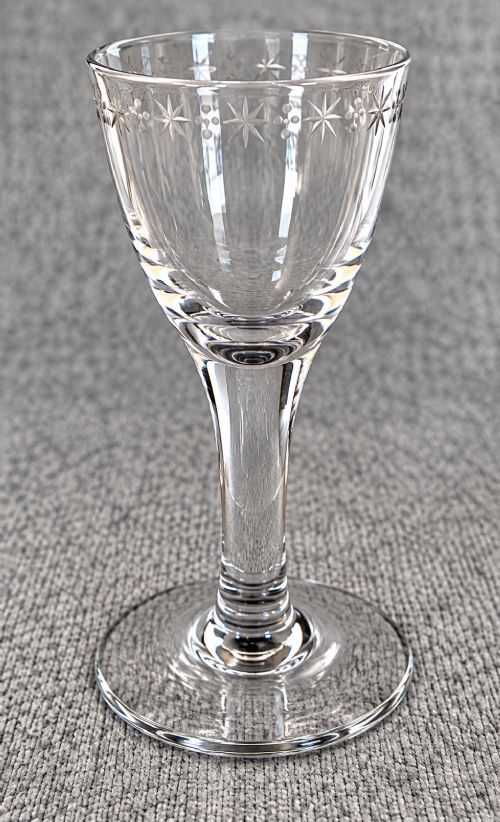
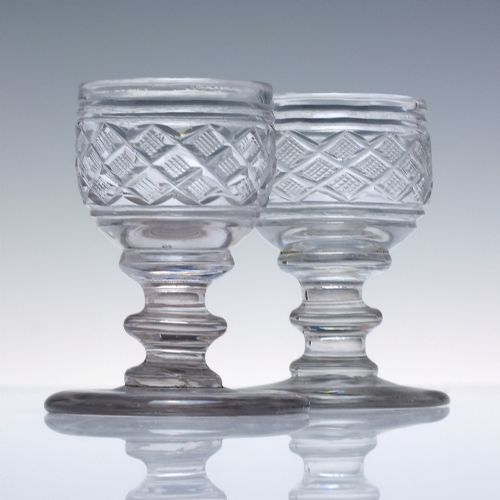
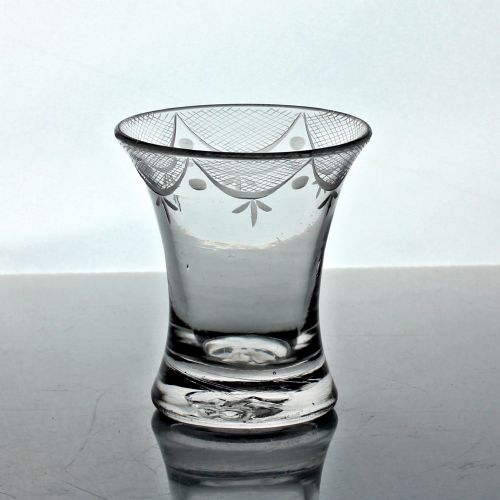
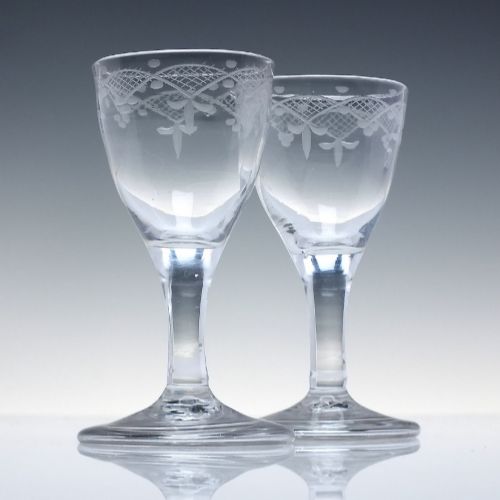
An antique dram glass is a compact vessel created for drinking spirits such as whisky or gin. You will encounter these drinking glasses primarily in eighteenth-century Georgian forms, alongside later Victorian and Edwardian examples including whiskey noggins and spirit flasks.
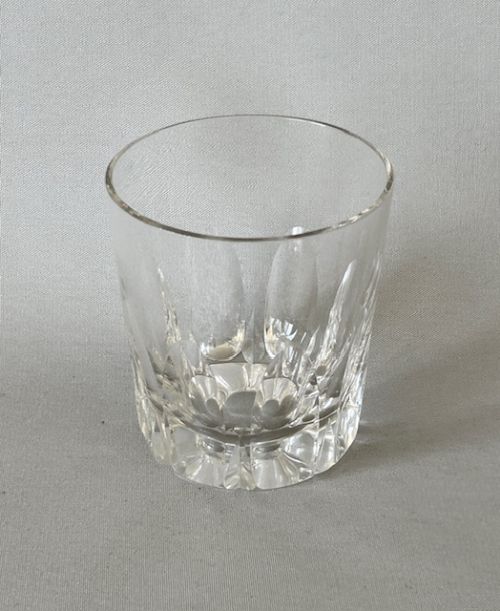
The selection ranges from early baluster stems and heavy deceptive bowls to later cut glass tumblers and silver-mounted decanters. These pieces reflect changing social drinking habits across the Georgian, Victorian and Edwardian periods.
Materials and construction methods
Makers utilised lead glass, lead crystal and clear glass, shaped through hand-blowing and rib moulding techniques. Early examples often feature folded feet and basal bubbles formed during the initial glassblowing process.
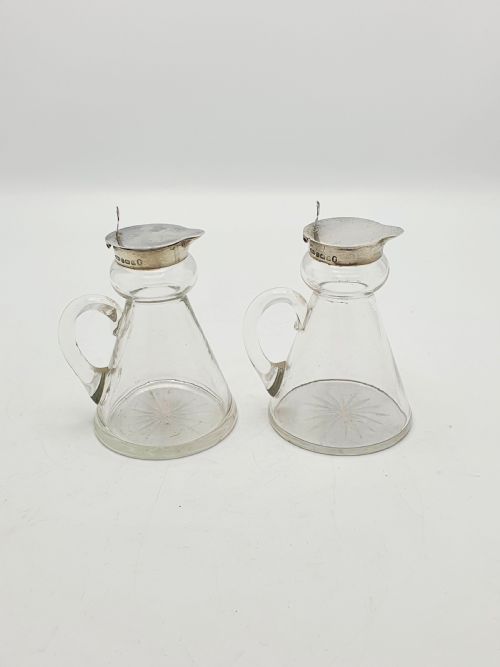
Later pieces incorporate cut glass decoration and sterling silver mounts, adding metal components to glass bodies. The integration of silver hallmarks helps date items from the Edwardian and later eras.
Some eighteenth-century drinkers faced deceptive glasses designed to look full while holding barely a sip.
Distinctions in quality and execution
The distinction between ordinary and superior examples lies in the clarity of the metal and the precision of the engraving or facet cutting. Heavy baluster forms and early eighteenth-century specimens demonstrate greater technical skill in their proportions.
Integrity of components also separates pieces, particularly where silver mounts or original stoppers accompany whiskey noggins. Clean wheel engraving and undamaged folded feet elevate the desirability of individual drinking glasses.
Hukin and Heath·Elkington
The Antique Dram Glass Glossary
- Dram glass
- A small drinking vessel designed for a single measure of spirits. These pieces date predominantly from the Georgian period.
- Baluster
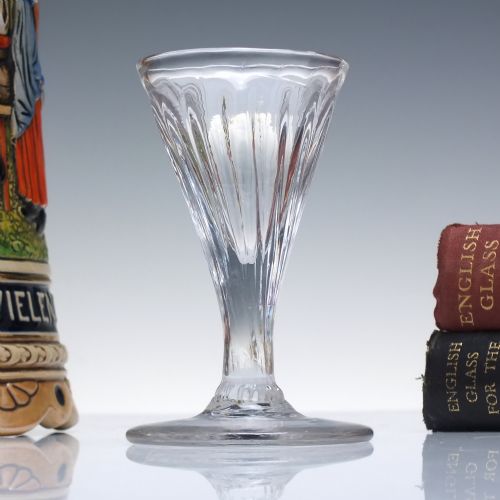
- A thick, heavy stem form found on early eighteenth-century drinking glasses. It mimics architectural supports of the period.
- Folded foot
- A glass base where the outer rim is doubled under for extra strength. This technique appears frequently on eighteenth-century stemware.
- Whiskey noggin
- A small glass decanter fitted with a sterling silver mount and handle. They often include a matched silver label.
- Deceptive bowl
- A solid or thick-walled glass base that makes the bowl appear to hold more liquid than it actually contains. This design was used for toastmasters or games.
Antique Dram Glass: Frequently Asked Questions
What is an antique dram glass used for?
These small vessels were historically used for serving a single measure of neat spirits like whisky or gin. Their compact size suited the consumption of potent drinks.
Today, collectors appreciate them as display pieces or utilise them for small portions of spirits, connecting with Georgian drinking traditions.
How do I date an 18th century dram glass?
Dating relies on stylistic markers such as stem construction, foot type, and manufacturing techniques. Early pieces feature heavy baluster stems and folded feet.
Later eighteenth-century examples introduce facet cutting, opaque twists, and specific engraving styles that help narrow down the decade of production.
What is a whiskey noggin?
A whiskey noggin is a small, handled glass container designed to hold a personal measure of spirits. They usually feature silver mounts and sometimes a matching spirit label.
Most surviving examples date from the late Victorian and Edwardian periods, often fitted with hallmarked sterling silver hardware.
Why do some dram glasses have thick bases?
Glasses with exceptionally thick bases are known as deceptive bowls. This clever design reduced the liquid capacity while maintaining a substantial, heavy feel in the hand.
Such vessels were often employed during toasts to keep drinkers sober during long evenings of celebration.