



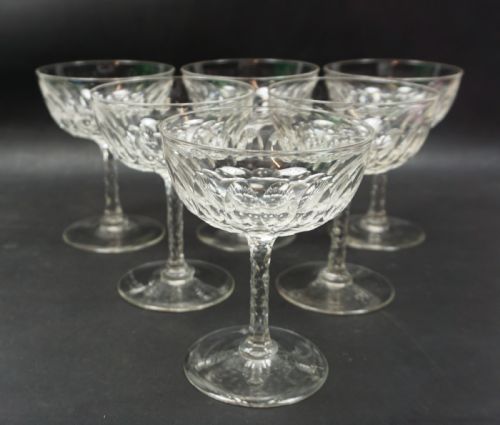
Antique English Stemware
Antique English stemware brings Georgian drinking vessels of lead glass and lead crystal to the table, offering tactile links to eighteenth-century dining.
What They Are
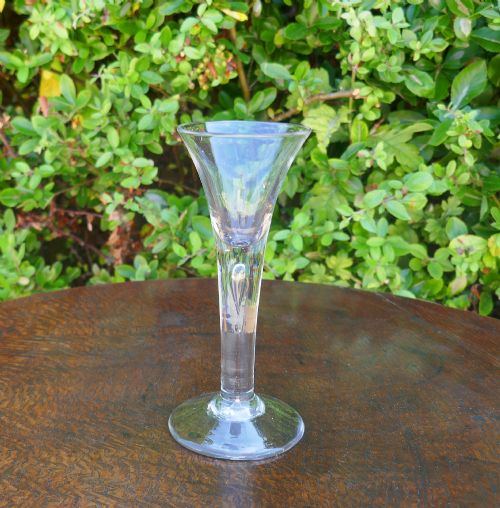
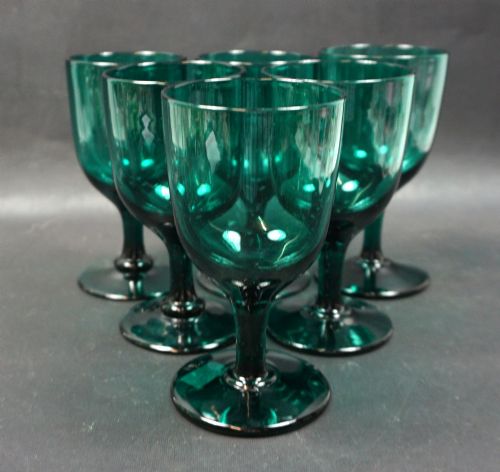
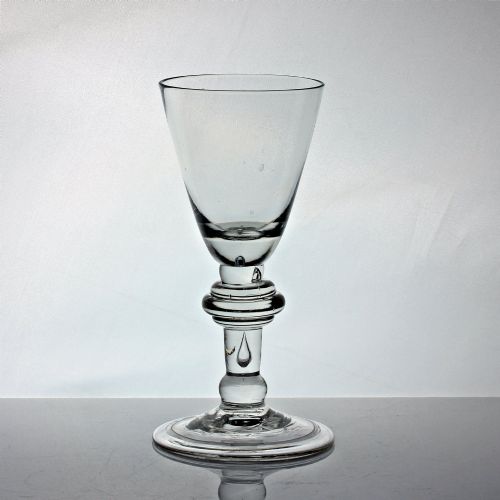
Antique English stemware comprises drinking vessels from the eighteenth century, specifically wine glasses and goblets produced during the Georgian period. Buyers seeking these items encounter forms defined by clear glass and lead crystal, shaped with distinct stem configurations.
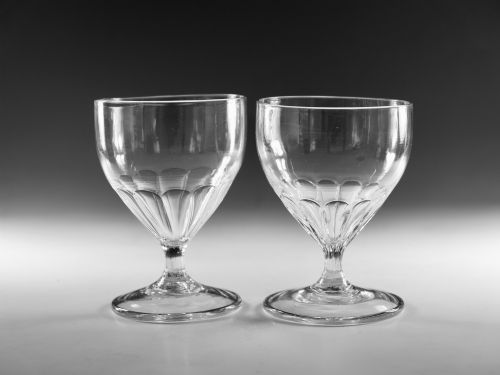
The selections span mid-eighteenth-century pieces, notably those dated around the seventeen-fifties and seventeen-sixties. Forms include bucket bowls, plain stems, and intricate twist variations that characterise the era's glasshouse production.
How They Were Made
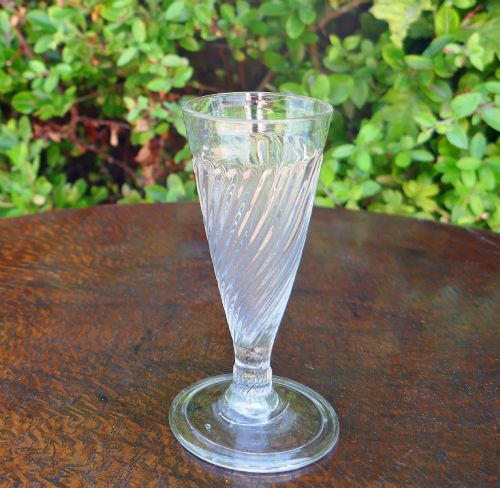
Glassmakers utilised lead glass and lead crystal to achieve clarity and weight in these eighteenth-century vessels. Bowls were shaped by hand, sometimes incorporating moulded elements such as nut moulding.
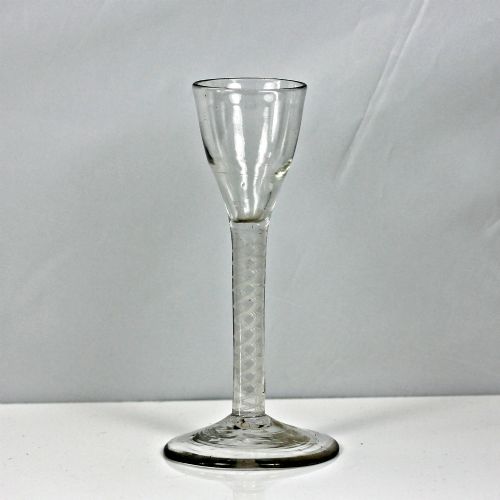
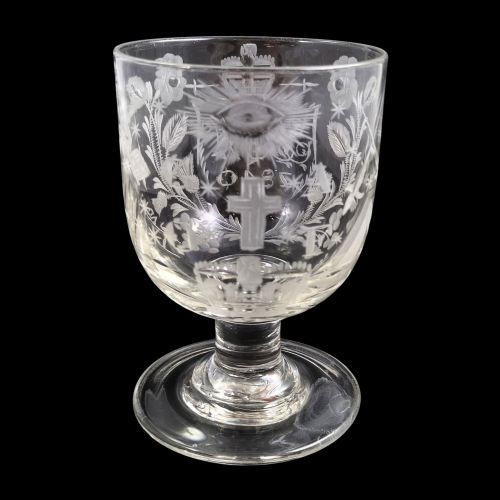
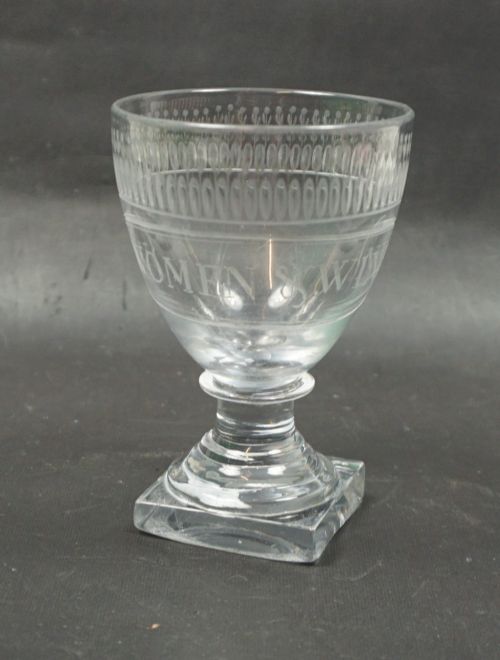
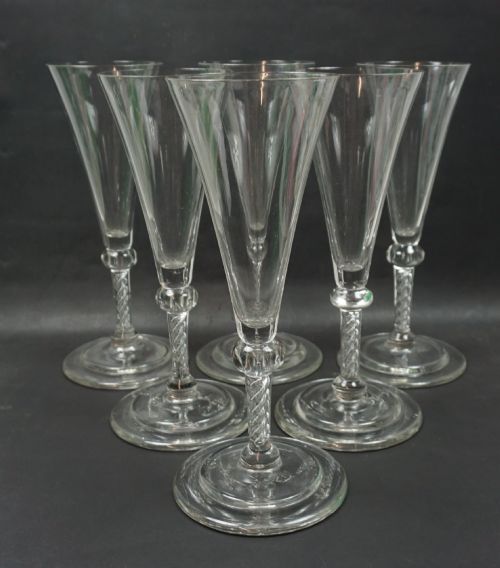
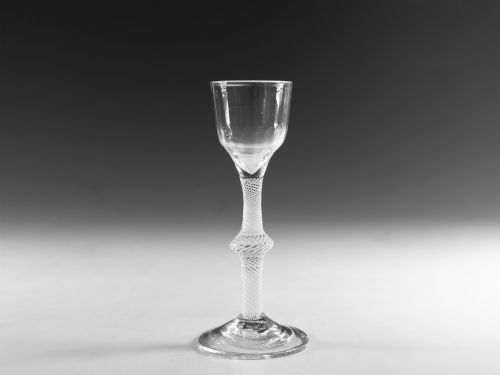
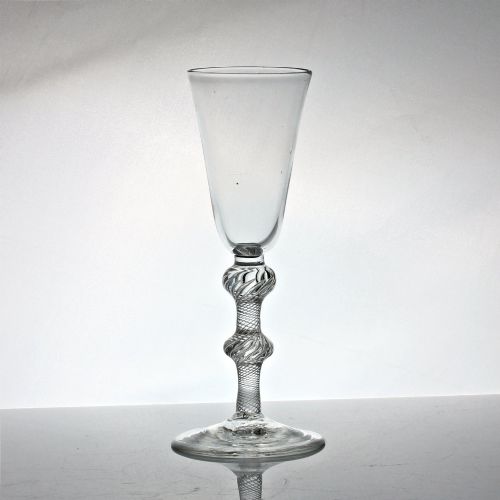
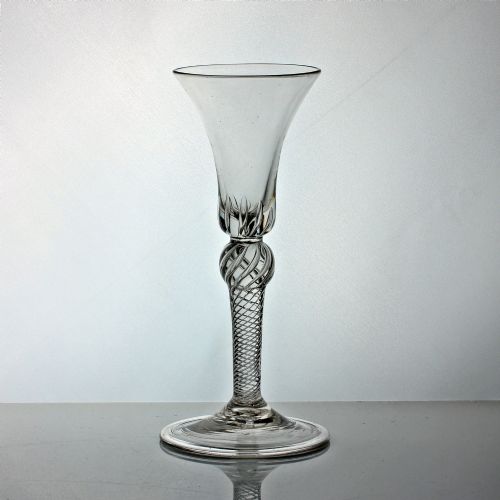
Stems were fashioned using specialised techniques to enclose air bubbles or white enamel threads, creating the twisted patterns seen within the glass structure. Engraving was frequently applied to the bowls by hand after initial formation.
Retail Price Guide 2026
Typical UK retail prices for english stemware, calculated from the Sellingantiques database of over a million retail prices indexed since 2003. This retail price guide relies exclusively on Sellingantiques data; no external sources or auction records are used, so the figures do not describe the wider market.
Georgian drinkers kept glasses small because heavy lead crystal made holding a giant goblet an arm workout.
What Varies in Quality
The finesse of the interior twist determines much of the visual merit in air twist and opaque twist stems. Regularity in the spiral formation and clarity of the surrounding metal separate standard vessels from finer examples.
Engraved decoration demonstrates varied degrees of execution, where precision in floral or geometric cutting elevates the piece. The weight and distribution of the lead glass also contribute to the overall tactile balance of the goblet or wine glass.
The Antique English Stemware Glossary
- Air twist
- A stem formation created by drawing out elongated air bubbles within the molten glass into a spiral thread. This technique was prevalent during the mid-eighteenth century.
- Opaque twist
- A stem style featuring white enamel glass rods twisted inside a clear stem to form opaque threads. These designs appear in single and double series configurations.
- Nut moulded
- A patterned surface texture impressed onto the bowl of a glass during forming, resembling the ribbed shell of a nut. It provides tactile grip and light refraction.
- Bucket bowl
- A straight-sided bowl with a flared rim, typical of Georgian wine glasses produced in the seventeen-sixties. This shape directs the aromas of the wine towards the drinker.
Frequently Asked Questions
How do I date antique English stemware?
Dating relies on stylistic markers such as bowl forms, foot shapes, and internal stem construction. Pieces from the Georgian period often display specific twist formations characteristic of the seventeen-fifties and sixties.
Examining the metal composition also helps, as eighteenth-century lead glass possesses distinct weight and refractive qualities compared to later Victorian alternatives.
Can I use antique stemware for dining?
These eighteenth-century vessels can be used for special occasions, provided they receive careful handling and hand washing. Their lead glass construction requires protection from thermal shock and harsh detergents.
Many collectors prefer to display them or use them strictly for appreciation to preserve the historical surface.
What is the difference between air twist and plain stem glasses?
Plain stem glasses feature a solid, unadorned column supporting the bowl, sometimes enhanced with engraving or moulding. Air twist glasses incorporate spiral channels of trapped air running through the stem material.
Both styles date to the Georgian era, but they reflect different glasshouse techniques and aesthetic choices of the time.