


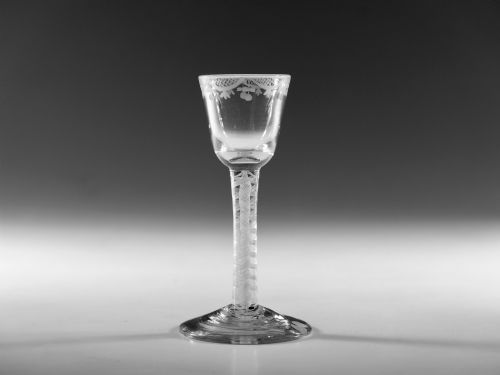


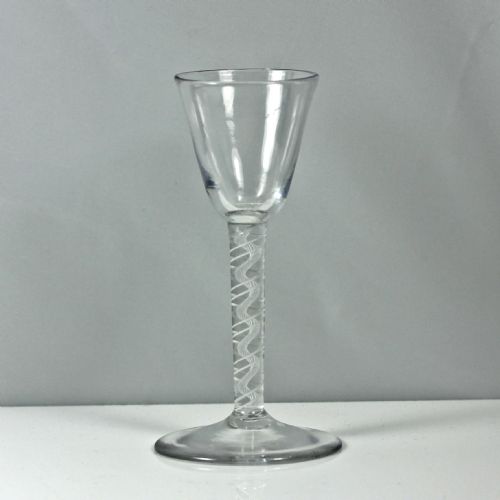
Opaque Twist Stemware
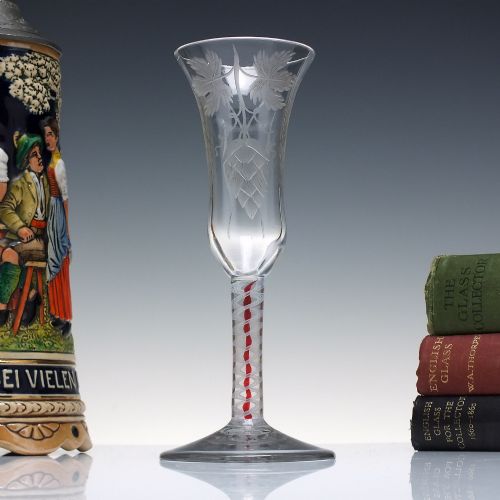
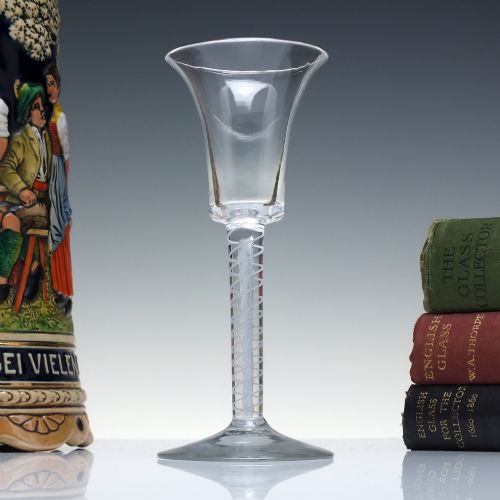
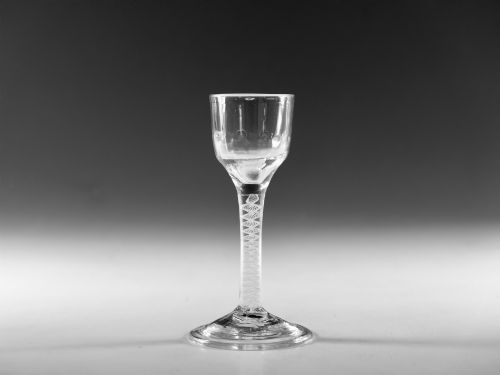
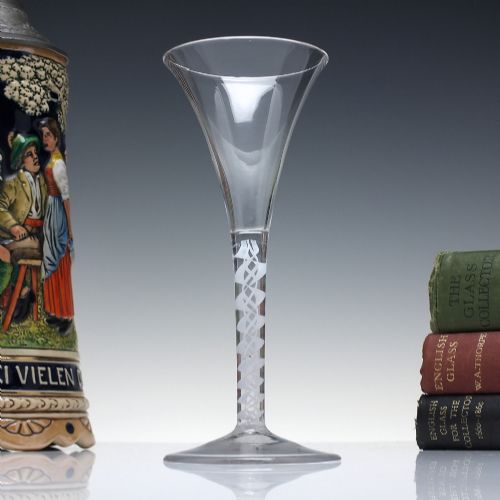
Opaque twist stemware pieces are 18th Century and Victorian drinking vessels driven by fine enamelled threads encased in lead glass.
What opaque twist stemware is
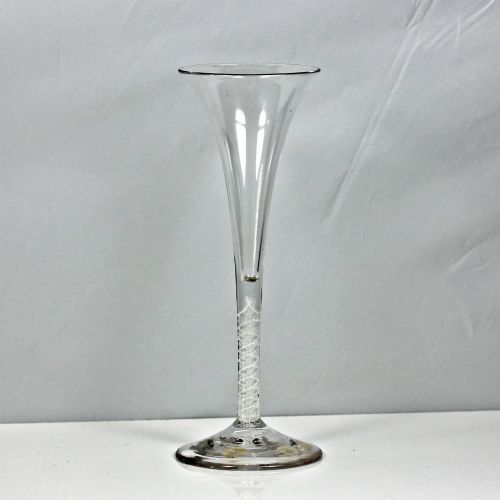
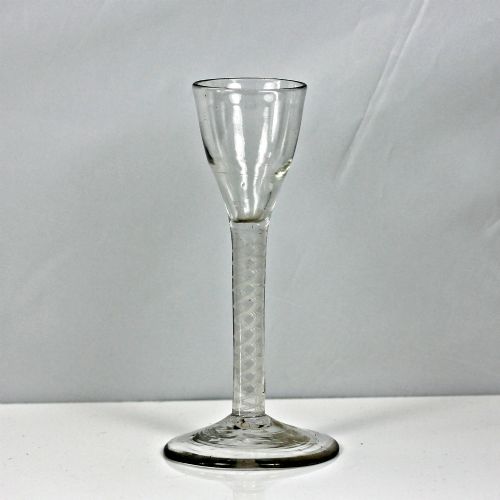
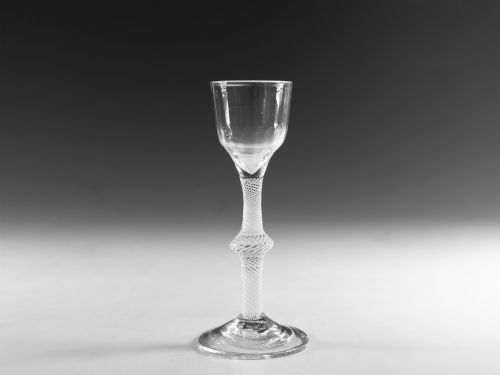
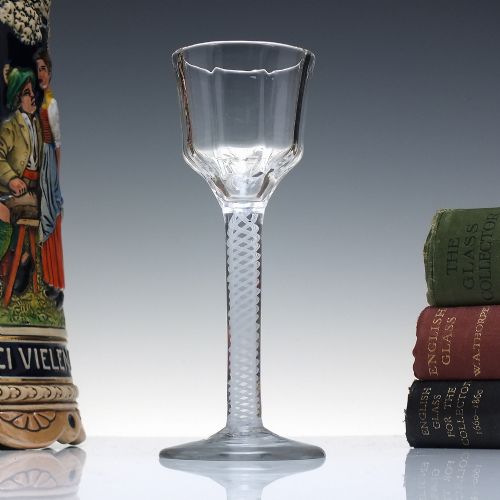
When you search for opaque twist stemware, you are looking at drinking vessels formed with distinctive white enamel threads pulled through the stem. These pieces span the Georgian and Victorian periods, originating from English and Scottish workshops.
The common forms you will encounter on this page include wine glasses, trumpet glasses, cordial glasses, and ale glasses. Most examples date from the eighteenth century, alongside later Victorian instances.
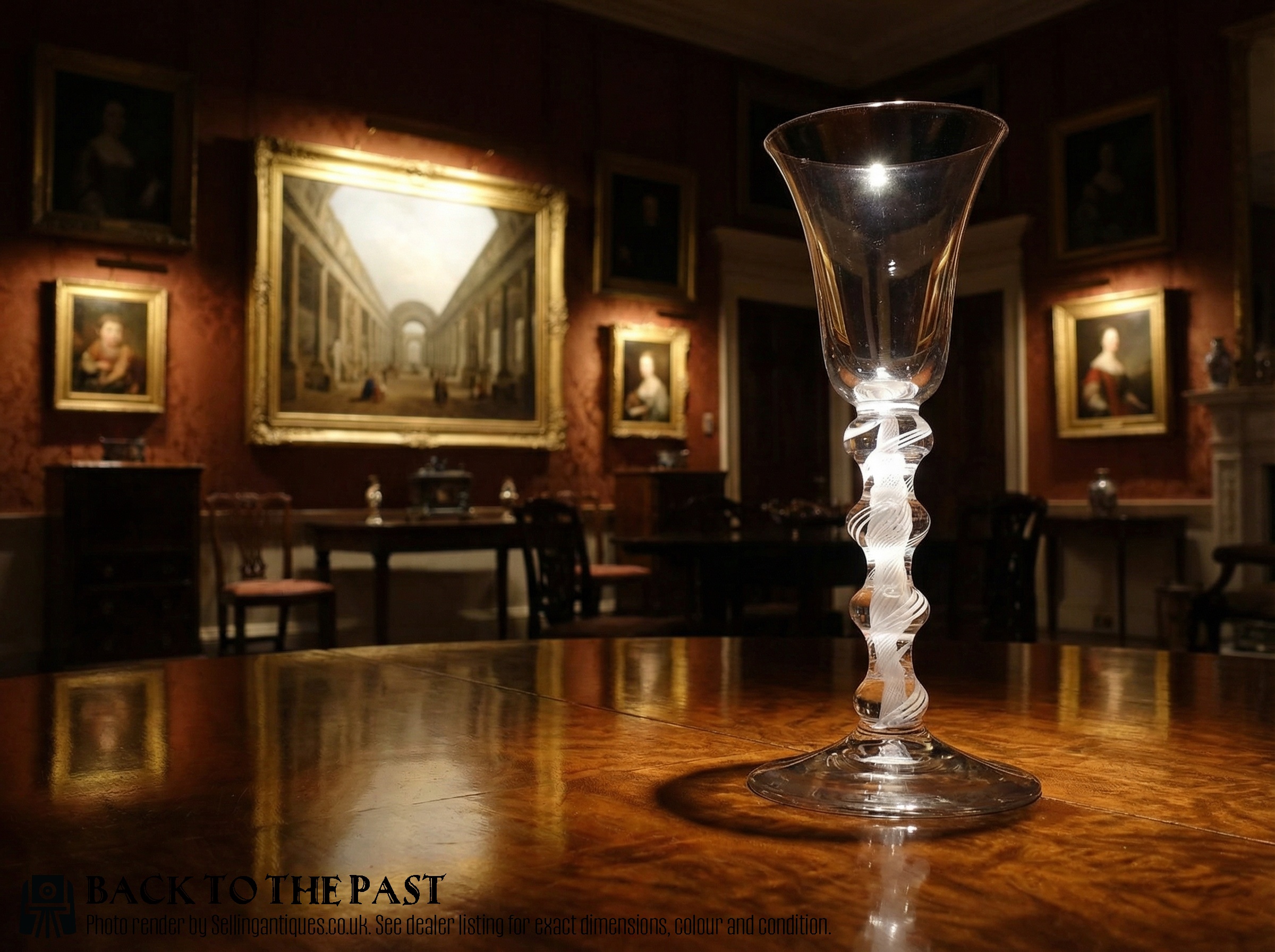
The stem designs vary from simple configurations to complex arrangements involving multiple knops. Bowls sit atop cylindrical or flared stems, showing the shifts in glasshouse production across generations.
How they were made
These vessels utilise lead glass or lead crystal as the primary body, shaped by hand to form the bowl and foot. Glassmakers gathered molten metal on a blowing iron, drawing out the vessel while maintaining clarity and weight.
The signature internal threads are formed from white enamel introduced into the core of the stem. Artisans twisted and stretched the hot glass to draw the enamel into opaque strands, creating spiral or lace patterns before sealing the outer layer.
Retail Price Guide 2026
Typical UK retail prices for opaque twist stemware, calculated from the Sellingantiques database of over a million retail prices indexed since 2003. This retail price guide relies exclusively on Sellingantiques data; no external sources or auction records are used, so the figures do not describe the wider market.
Georgian drinkers trusted these fragile-looking white threads to hold their evening port without leaking a single drop.
What varies in quality
Quality rests in the precision and complexity of the internal twist formation within the stem. Finer examples display intricate multi-series configurations or multiple knops, whereas simpler stems feature straightforward single twists.
The brilliance of the lead glass and the regularity of the enamel threads dictate the overall visual refinement. Superior pieces maintain crispness in the bowl profile and clean symmetry in the optical effects of the stem.
The Opaque Twist Stemware Glossary
- Lead glass
- A heavy, clear glass containing lead oxide that increases refractive index and weight. This material provides the primary medium for Georgian drinking vessels.
- White enamel
- An opaque white vitreous substance used to create the internal threads of the stem. It forms the twisting patterns seen through the clear glass exterior.
- Knop
- A knob or swelling on the stem of a glass. These decorative formations break up the length of the stem and can appear in multiples.
- Trumpet glass
- A drinking vessel with a bowl that flares outward continuously from the base to the rim. This form is typical of mid-eighteenth-century English glassware.
Frequently Asked Questions
What is opaque twist stemware?
Opaque twist stemware comprises drinking vessels featuring white enamel threads enclosed within the glass stem. These pieces date primarily to the eighteenth century and the Victorian era.
Craftsmen manipulated molten lead glass to trap the enamel in precise spiral or latticinio formations. They served functional roles for wine, ale, and cordials during social dining.
How do you date opaque twist stemware?
Dating relies on observing the form of the bowl, the weight of the lead glass, and the configuration of the stem. Eighteenth-century examples often display trumpet or round-funnel bowls with specific knop formations.
Victorian pieces reflect later revival styles and shifts in manufacturing techniques. Comparing the optical qualities of the lead crystal helps separate Georgian production from later nineteenth-century work.
Were these glasses used for wine?
Yes, many of these vessels were designed specifically for serving wine at the table. Their capacities are smaller than modern glasses, reflecting the potency and styles of historical beverages.
Aside from wine glasses, the category includes specialised forms for ale and cordials. Each shape suited a different type of drink consumed during Georgian and Victorian gatherings.
How do single and double series twists differ?
Single series twists contain one set of opaque white enamel elements, such as a single spiral tape or pair of threads. They present a simpler internal appearance.
Double series twists incorporate two distinct sets of elements, often combining a pair of opaque white spiral tapes with an inner column of threads. This creates a much denser and more complex visual pattern inside the stem.