

Antique Glass Wine Glass
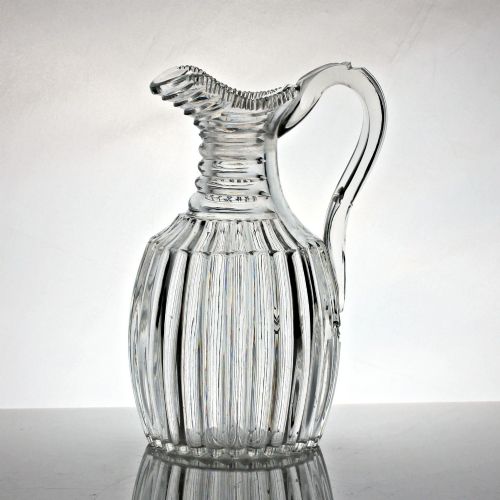
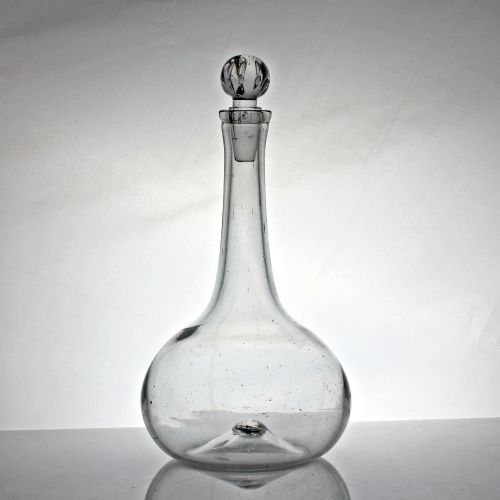
These antique glass wine glass examples bring eighteenth-century drinking vessels into modern dining rooms.
Antique Glass Wine Glass
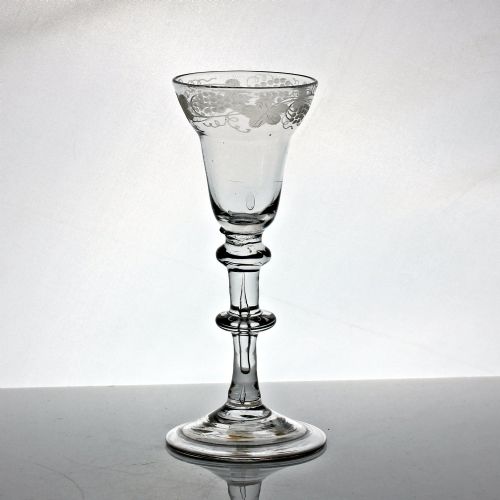
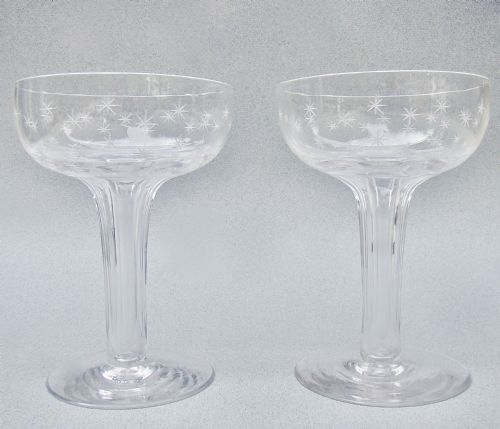
When searching for an antique glass wine glass, collectors encounter eighteenth-century Georgian forms alongside later nineteenth-century variations. The inventory spans simple tavern glasses to elaborate drinking vessels featuring opaque twists and engraved bowls.
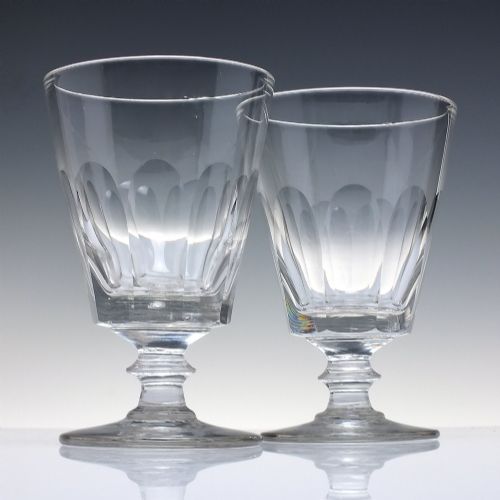
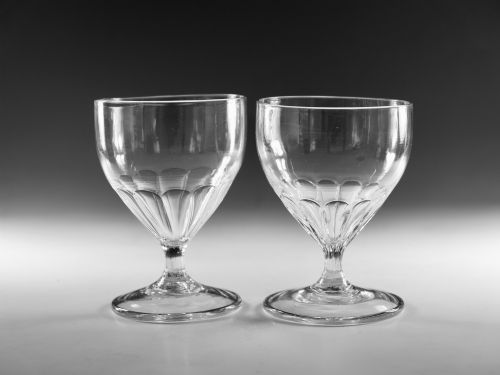
Most pieces on this page originate from the Georgian and eighteenth-century periods, showing clear glass, lead crystal, and occasionally coloured glass such as green or turquoise. Forms range from cordial glasses and balustroid vessels to facet-cut goblets.
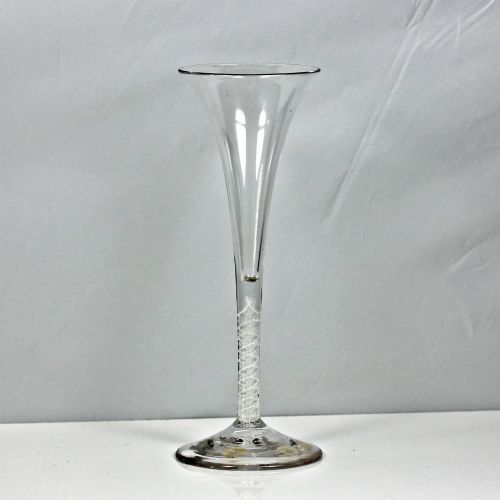
Earlier examples display heavy baluster stems or air tears, while mid-century pieces frequently utilise opaque twists. Later nineteenth-century items introduce roemers, enamel decoration, and distinct continental designs.
Materials and manufacture
These vessels are formed from lead glass, flint glass, and clear glass shaped through blowing techniques. Makers manipulated molten material to create hollow stems, folded feet, and applied knops.
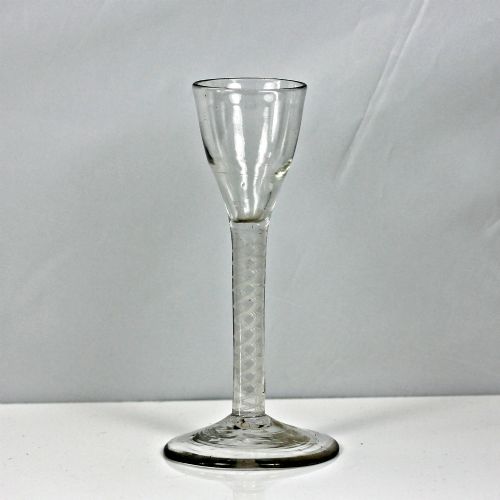
Twist stems incorporate tiny air bubbles or white enamel threads drawn through the metal during formation to create complex internal patterns. Cutting, engraving, and gilding decorate the bowls of later drinking vessels.
Antique Glass Wine Glass Retail Price Guide 2026
Typical asking prices for glass wine glass among the pieces listed under this phrase on Sellingantiques today, from the lower quarter to the upper quarter. They describe what is for sale here now, not the wider market.
Some nineteenth-century vessels celebrate military history by carrying engraved portraits of the Duke and his loyal army right across the bowl.
Judging quality and craftsmanship
Quality rests upon the crispness of stem formations, the clarity of the metal, and the precision of any wheel engraving or facet cutting. Superior pieces display balanced proportions between bowl, stem, and foot without heavy tool marks.
The complexity of internal glass manipulation, such as multi-spiral air twists or dense opaque enamel threads, distinguishes exceptional examples from simpler production. Weight distribution and resonant ring also indicate superior lead crystal composition.
Moser·Josephinenhutte·Powell Whitefris
The Antique Glass Wine Glass Glossary
- Air twist
- A stem containing spiral threads of tiny air bubbles formed by drawing gas out of the molten metal during the pulling process.
- Opaque twist
- A stem decorated with internal threads of white or coloured enamel glass twisted together inside clear flint glass.
- Baluster
- A thick, heavy stem form with swelling knops reminiscent of architectural pillars, common on early pieces.
- Roemer
- A traditional continental drinking vessel featuring a wide bowl atop a large hollow cylindrical stem decorated with applied prunts.
- Knop
- A knob or swelling expansion on the stem of a glass, used for both decorative effect and a secure grip.
Antique Glass Wine Glass: Frequently Asked Questions
What is the difference between air twist and mercury twist?
Air twists contain elongated bubbles forming spiral strands inside the stem. Mercury twists, also known as multi-spiral air twists, contain dense webs of fine air threads that resemble shimmering metal.
Both techniques rely entirely on manipulating air trapped within the molten glass before the stem is drawn and shaped.
How were eighteenth-century wine glasses used?
These drinking vessels served claret, port, and cordials during formal dining and social gatherings. Their smaller bowl sizes reflect the higher alcohol content and cost of beverages at the time.
Guests handled the glasses by the stem to prevent warming the wine with their hands, often setting them back down on heavily polished mahogany tables.
Can I use antique wine glasses today?
These pieces can hold wine during special occasions, provided they are handled with immense care and washed entirely by hand. Sudden temperature changes will crack old lead glass.
Many collectors prefer to display them in cabinets where the thin metal and twisted stems catch natural light safely away from daily dining traffic.