

Georgian Lead Crystal Glass
Georgian lead crystal glass brings heft, brilliant light refraction and historical craft straight to the modern table through authentic drinking vessels and jugs.
Georgian Lead Crystal Glass
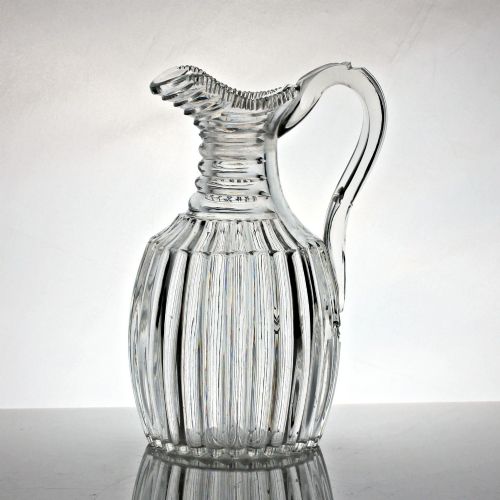
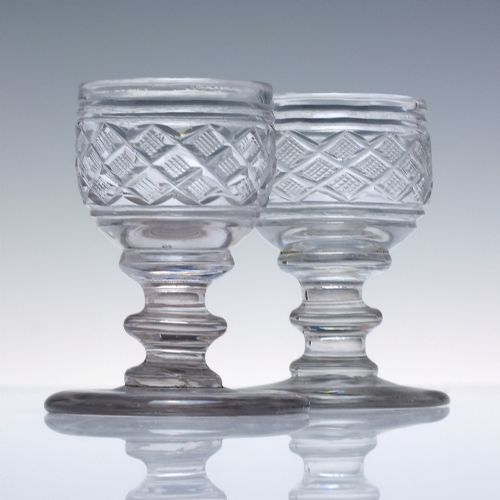
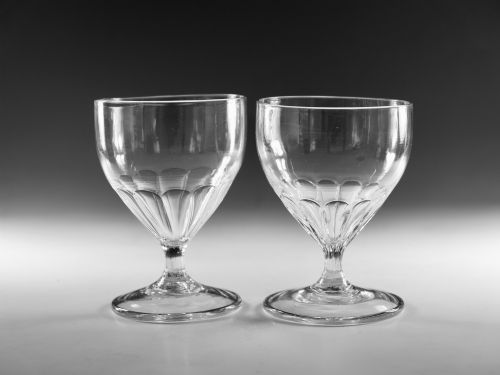
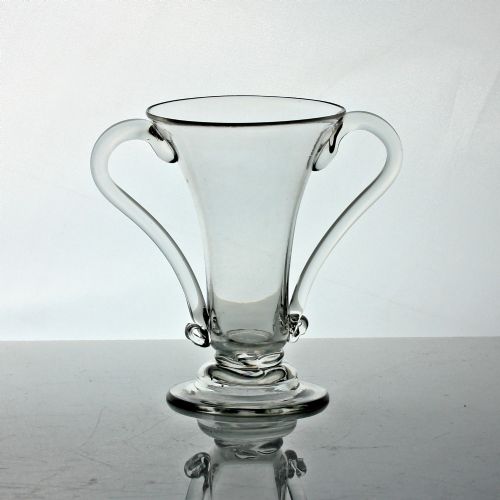
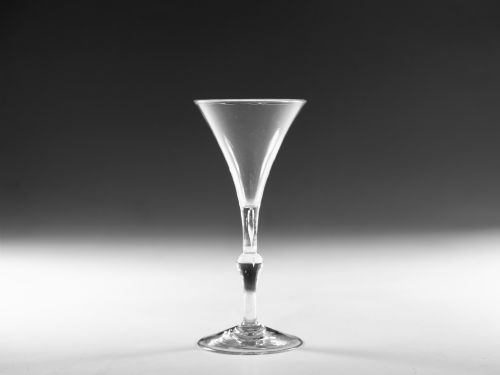
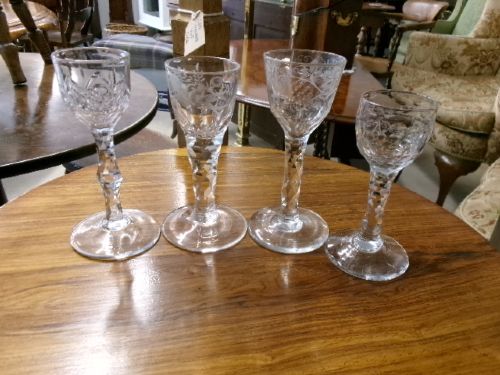
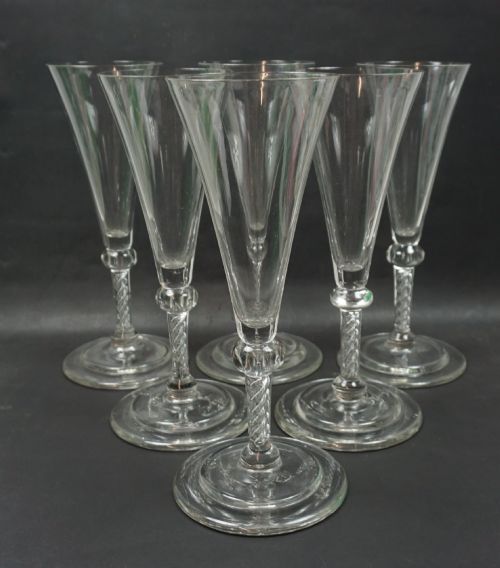
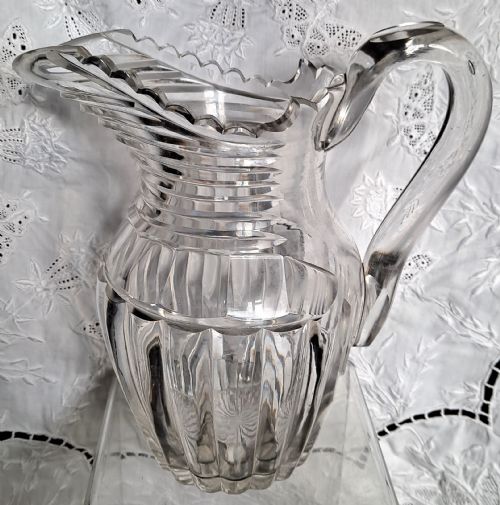
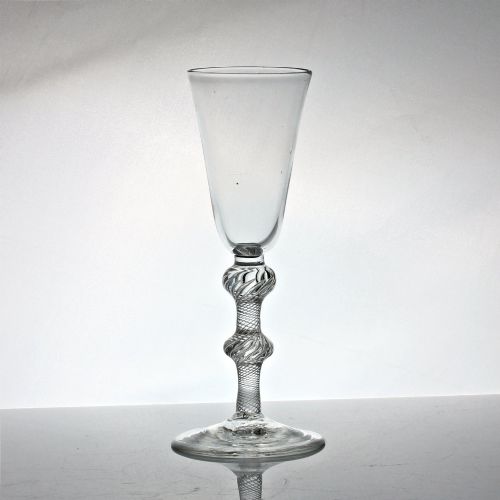
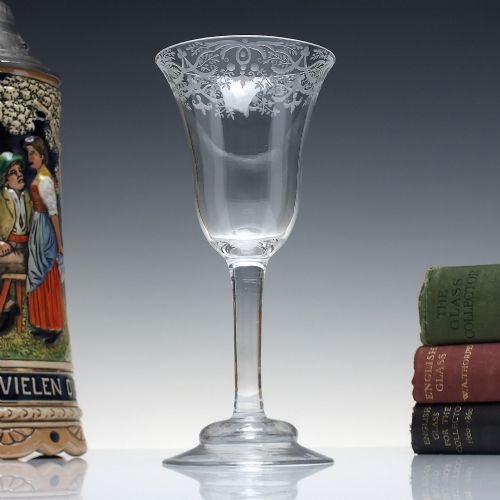
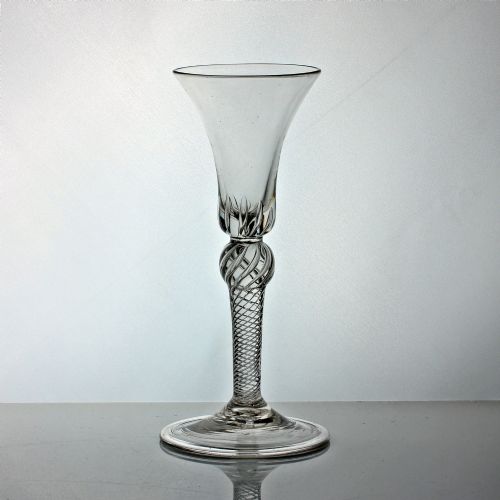
Stemware dominates the offerings, particularly wine glasses with air twist or opaque twist stems, alongside robust rummers and water jugs. These items reflect the domestic drinking habits of past centuries, ranging from delicate dram glasses to heavy cut whiskey glasses and tall flutes.
Materials and production techniques
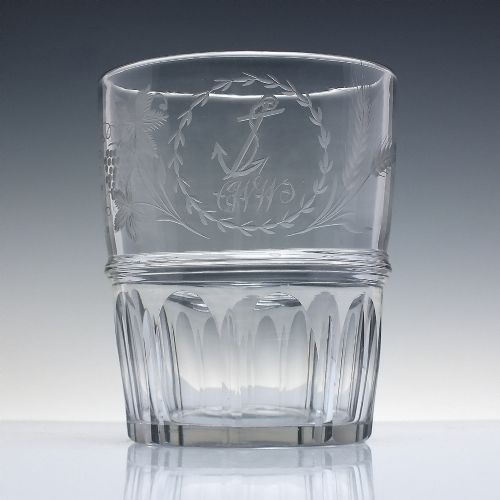
Glassmakers utilised heavy lead glass and flint glass, achieving clarity and weight through precise chemical compositions containing lead oxide. This formulation allowed artisans to apply deep facet cutting, pillar and prism cuts, and intricate wheel engraving without compromising the structural integrity of the vessel.
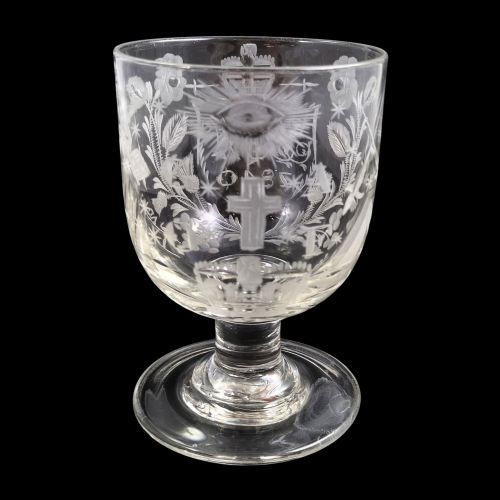
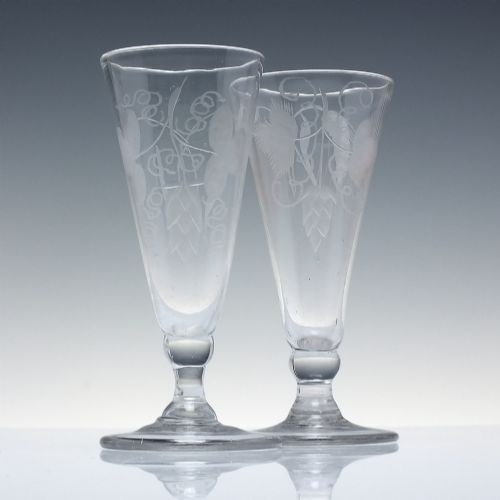
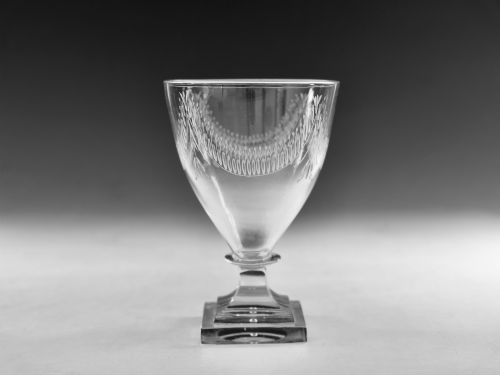
Stems were formed using specialised manipulation techniques, creating air twists and opaque twists inside the molten metal before it cooled. Surface decoration often included engraved hops, barley, or commemorative inscriptions applied by hand using copper wheel engravers.
Georgian Lead Crystal Glass Retail Price Guide 2026
Typical asking prices for georgian lead crystal glass among the pieces listed under this phrase on Sellingantiques today, from the lower quarter to the upper quarter. They describe what is for sale here now, not the wider market.
Anti-Jacobite wine glasses carry hidden political defiance, smuggled inside toasts raised to deposed royalty.
Distinguishing quality in historical glass
Quality rests upon the purity and weight of the lead crystal, alongside the crispness of any cut facets and the stability of the foot base. Heavy glass with brilliant light refraction and precise, sharp cutting edges sits at the upper end of the scale.
The finesse of the stem formation and the delicacy of the wheel engraving determine the tier of a piece. Smooth, even twists inside air twist stems and deeply detailed, legible wheel engraving indicate superior workshop execution.
The Georgian Lead Crystal Glass Glossary
- Lead crystal
- A type of glass containing lead oxide, which increases weight, brilliance, and workability for cutting. This material defines the heavy, sparkling drinking vessels of the period.
- Air twist
- A decorative stem formation containing spiral channels of trapped air inside the glass. Artisans created these by drawing and twisting molten glass rods.
- Opaque twist
- A stem featuring white enamel rods twisted into complex internal threads during manufacture. This technique produces striking linear patterns inside clear glass stems.
- Rummer
- A large, sturdy drinking glass popular for serving punch, ale, or wine in the eighteenth and nineteenth centuries. They usually sit on a short stem with a wide foot base.
- Flint glass
- An early term for high-clarity glass, often used interchangeably with lead crystal in historical contexts. It provides the high refractive index seen in quality decanters and jugs.
Georgian Lead Crystal Glass: Frequently Asked Questions
How do I identify a genuine air twist stem?
Examine the stem closely under good light to locate the internal spiral threads trapped inside the glass rather than etched on the surface. Genuine twists feel smooth on the outside while showing continuous, unbroken helical air channels within.
Compare the weight and clarity of the metal with standard glass pieces from the same period. Authentic lead crystal feels notably heavier and refracts light with greater intensity.
Can I use antique rummers for daily dining?
Historical drinking vessels possess sturdy lead glass construction that tolerates careful hand washing and regular use. However, thermal shock can crack old glass, so avoid exposing them to sudden temperature changes.
Wash each piece gently in warm water using mild soap rather than placing them in modern dishwashers. Store them securely on stable surfaces to prevent accidental chipping of the rims and feet.
What is the difference between an ale glass and a wine glass?
Ale glasses generally feature taller, narrower bowls designed to preserve carbonation, often accompanied by multi spiral air twist or opaque twist stems. Wine glasses typically present smaller, rounded bowls shaped for fortified or table wines.
Check the bowl capacity and proportions relative to the stem height to distinguish between the two types. Ale glasses frequently display engraved motifs of hops and barley related to their contents.
How are eighteenth-century decanters dated?
Dating relies on observing the shape of the body, the presence of shoulder or ring knops, and the style of any engraved labels such as Madeira. Early forms often feature mallet or shoulder profiles before transitioning to cylindrical Regency cuts.
Inspect the pontil mark on the base, where the glassblower snapped the pontil rod away after finishing the piece. A smooth, ground pontil scar typically points toward eighteenth or early nineteenth-century production.