


Antique Crystal Goblet
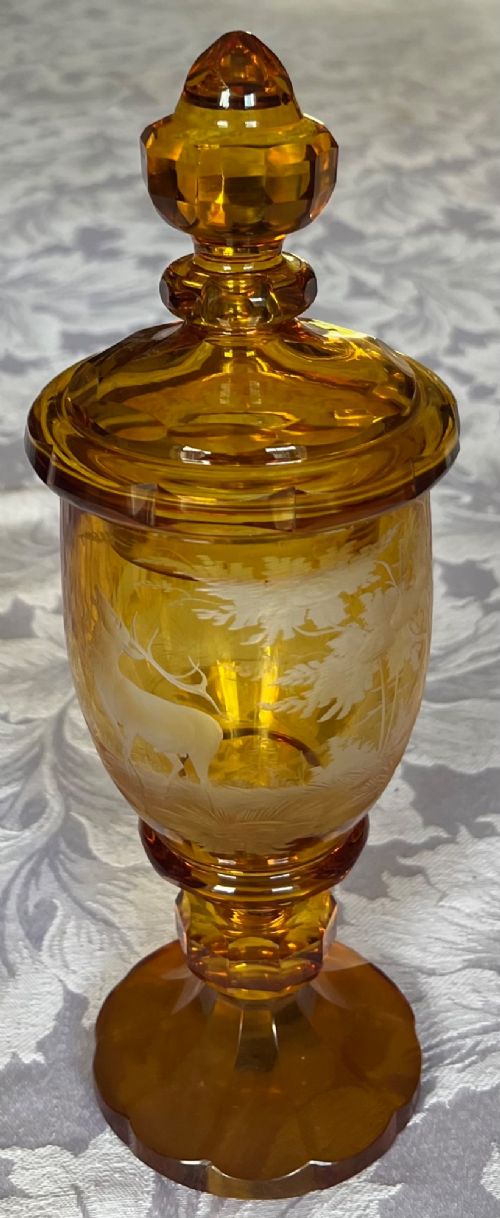
These antique crystal goblet examples are drinking vessels spanning the Georgian and 19th-century periods, prized for their heavy lead crystal and historical engraving.
Understanding antique crystal goblet pieces
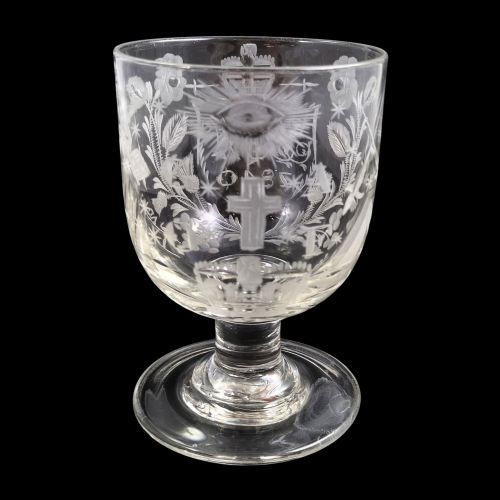
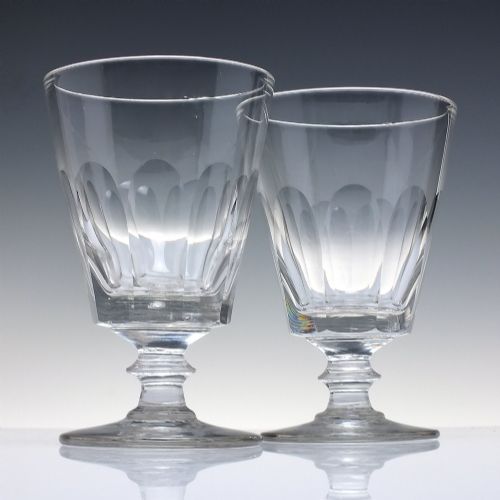
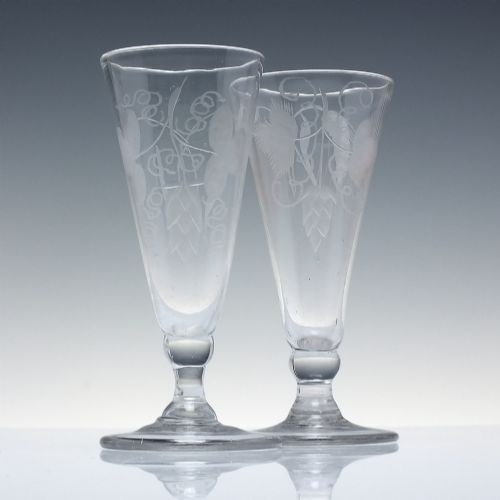
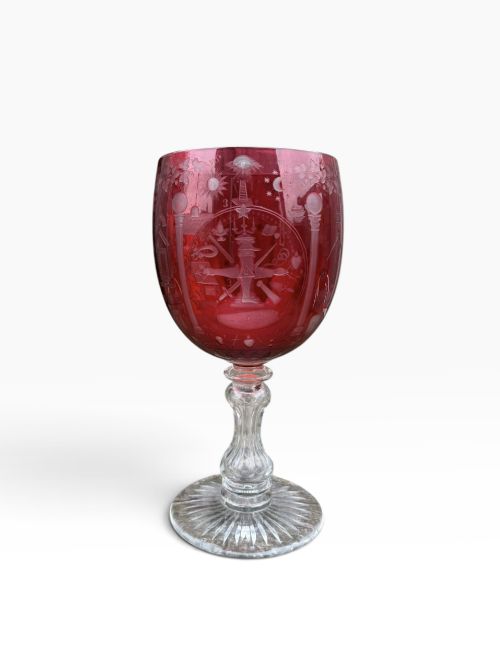
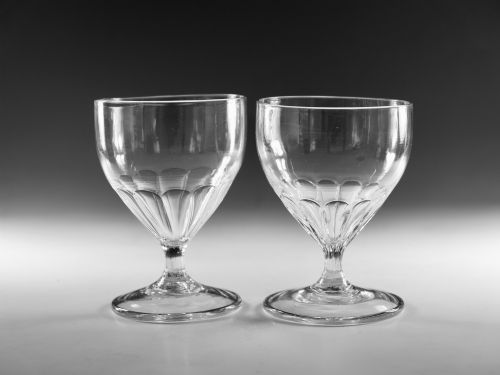
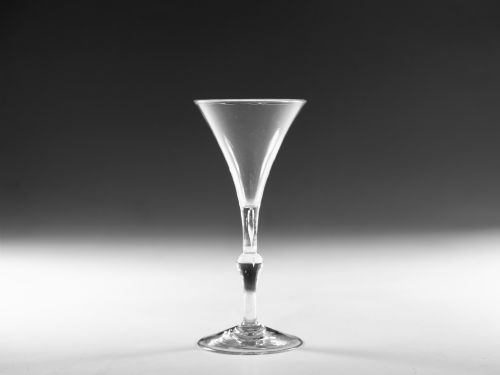
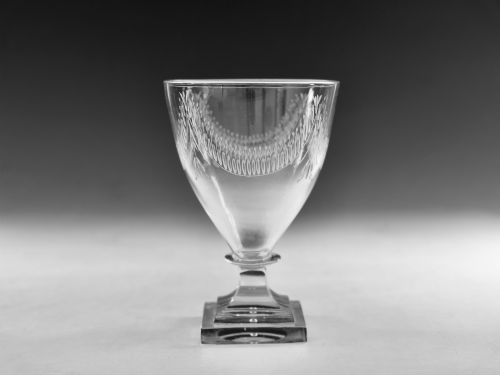
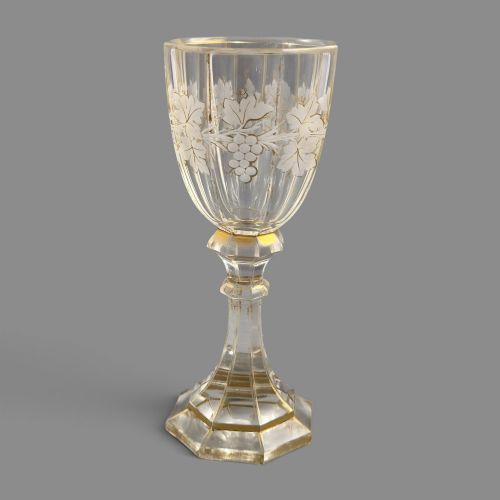
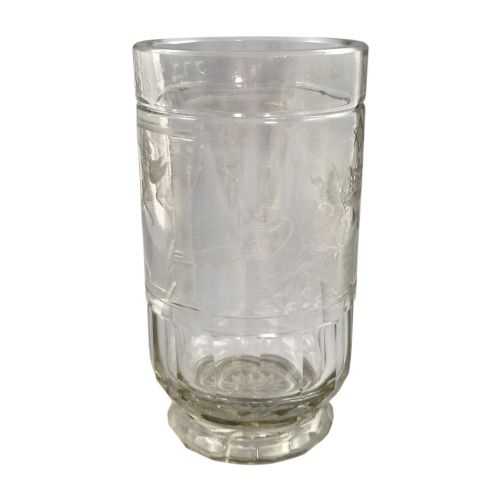
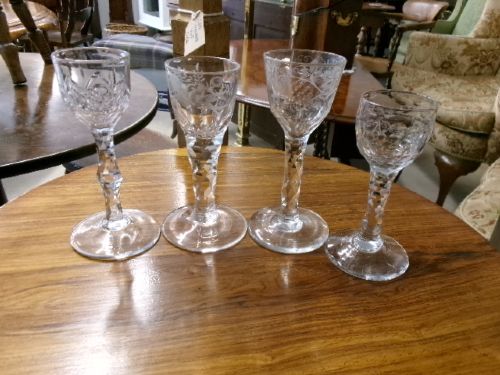
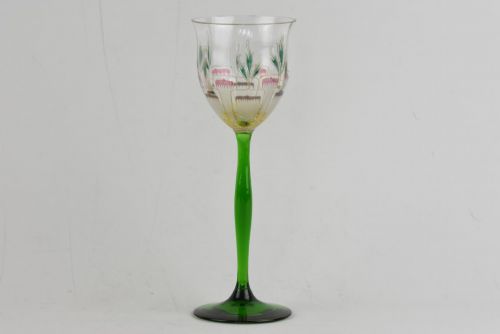
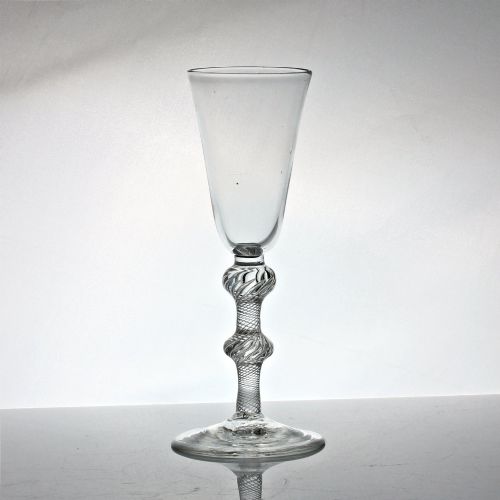
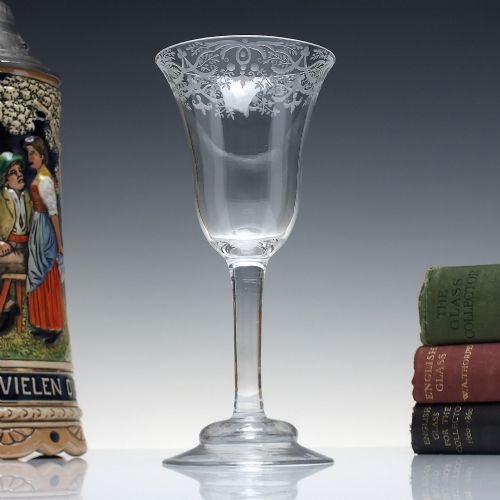
When you search for antique crystal goblet items, you encounter drinking vessels from the eighteenth century, Georgian era, and nineteenth century. The forms represented here include wine glasses with balustroid and facet stems, alongside a large rummer with a wide bowl.
You are most likely to meet English drinking vessels from the middle and late eighteenth century on this page. These pieces showcase period characteristics such as Jacobite engraving and dated commemorations like the Ducal Union glassware.
Materials and construction
These items are produced from lead crystal, clear glass, and lead glass. The material provides a substantial weight, such as the heavy two-hundred-and-forty-seven-gram lead crystal recorded in the Georgian collection.
Techniques involve blowing the glass and forming distinct stem types, including balustroid and facet cuts. Artisans then decorate the bowls using detailed wheel engraving.
Retail Price Guide 2026
Typical UK retail prices for crystal goblet, calculated from the Sellingantiques database of over a million retail prices indexed since 2003. This retail price guide relies exclusively on Sellingantiques data; no external sources or auction records are used, so the figures do not describe the wider market.
Listings span the eighteenth century, the Georgian era, and the nineteenth century, featuring lead crystal, lead glass, and clear glass.
Assessing quality in the range
Quality differences rest upon the clarity of the lead crystal and the crispness of the facet cutting along the stem. Finer examples display superior weight and optical purity without clouding.
The sophistication of the engraving separates standard vessels from exceptional collector pieces. Dated inscriptions and historical motifs, such as Jacobite or dynastic themes, elevate the artistic significance of the work.
The Antique Crystal Goblet Glossary
- Lead crystal
- A high-clarity glass containing lead oxide that increases the refractive index and weight. This material allows for deep cutting and brilliant light reflection.
- Balustroid stem
- A stem form derived from architectural balusters, featuring a swelling knop above the foot. It is a defining feature of mid-eighteenth-century English drinking glasses.
- Facet stem
- A stem shape created by grinding flat planes into the glass surface. This technique catches the light and became popular during the latter half of the eighteenth century.
- Rummer
- A large, wide-bowled drinking glass designed for heavier wines or spirits. These typically appear in nineteenth-century contexts.
- Jacobite engraving
- Decorative motifs associated with the secret societies supporting the exiled Stuart claimants. These symbols often include roses and oak leaves.
Frequently Asked Questions
What is an antique crystal goblet?
These are historical drinking vessels produced from lead crystal or lead glass, primarily originating in the eighteenth and nineteenth centuries.
They function as decorative and collectible pieces of glassware rather than everyday tableware.
How do I date an antique crystal goblet?
Dating relies on stylistic markers such as stem formations, including balustroid and facet cutting, alongside material weight.
Specific dates or historical events engraved upon the glass also provide clear chronological reference points.
What materials were used?
The pieces utilise lead crystal, clear glass, and lead glass to achieve their distinct weight and refractive qualities.
Heavier metal content allowed makers to shape complex stems and apply deep surface engravings.
How should I display them?
Place these vessels in secure cabinets away from direct vibration to protect their historical glass structures.
Lighting should be positioned to highlight the clarity of the lead crystal and the detail of the wheel engravings.