





Air Twist Stemware
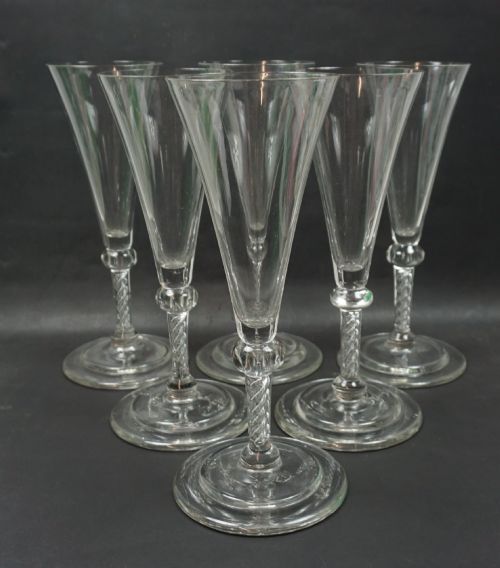
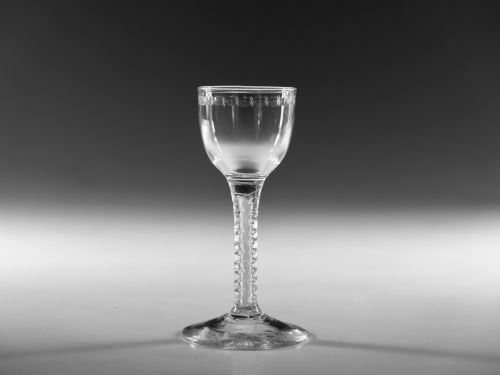
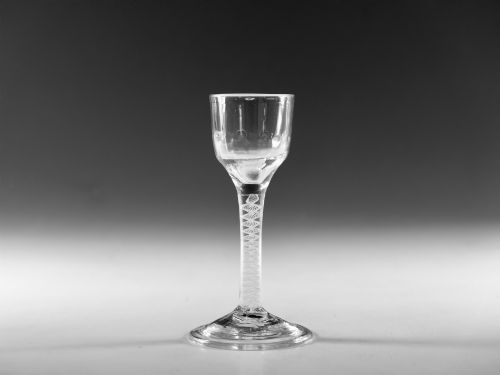
Air twist stemware brings eighteenth-century English drinking vessels with intricate internal glass threads straight to your table.
What air twist stemware is
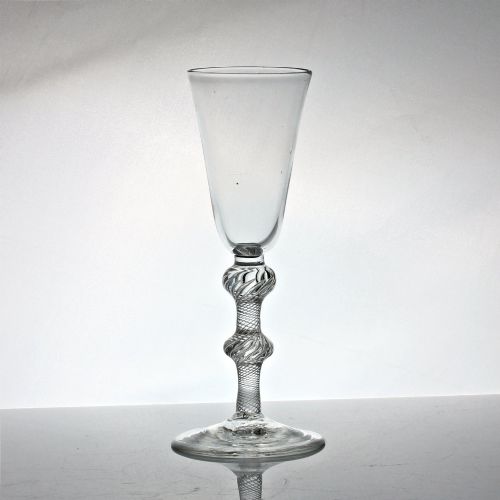
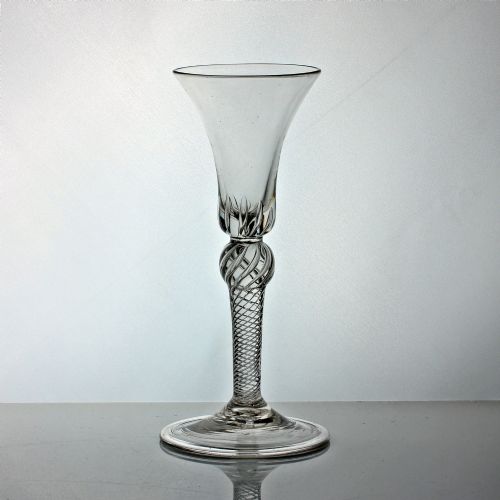
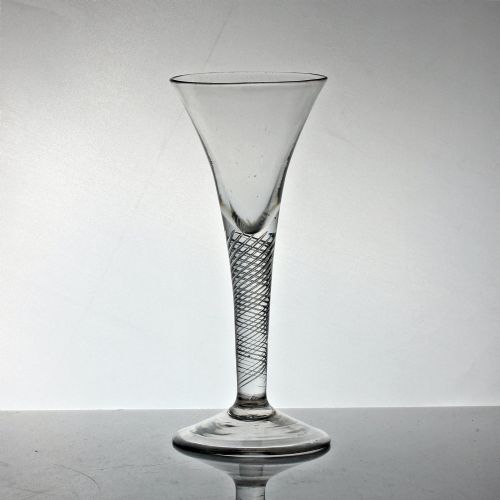
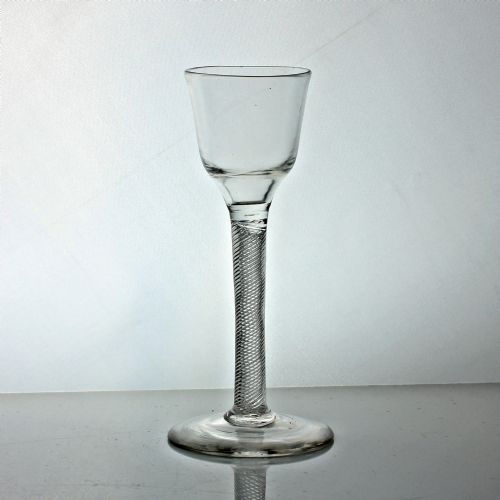
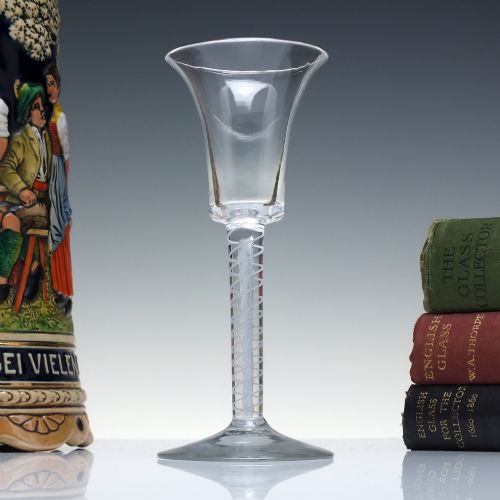
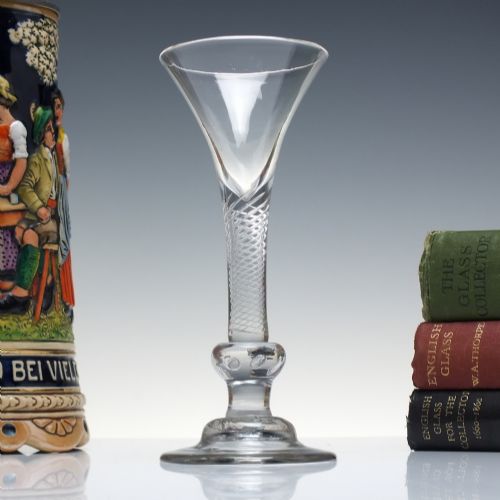
The pieces listed on this page belong entirely to the Georgian period and the eighteenth century. Collectors most frequently encounter wine glass forms with distinct funnel bowls, double knops, or pan top shapes.
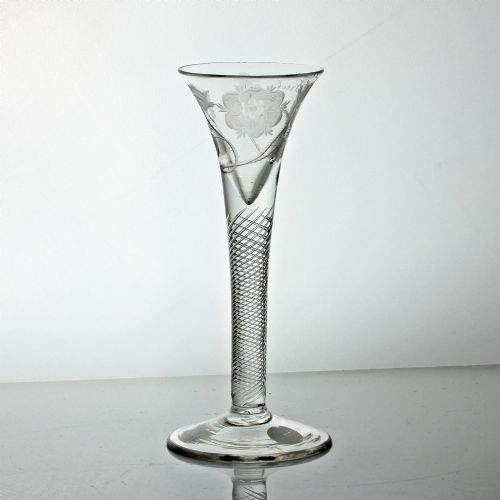
Makers produced these items from clear lead glass, lead crystal, and flint glass. Certain examples carry Jacobite-engraved decoration upon their rounded funnel bowls.
How they were made
Glassmakers utilised clear lead glass, lead crystal, and flint glass to form these vessels. The material allowed artisans to draw out slender stems while maintaining structural integrity.
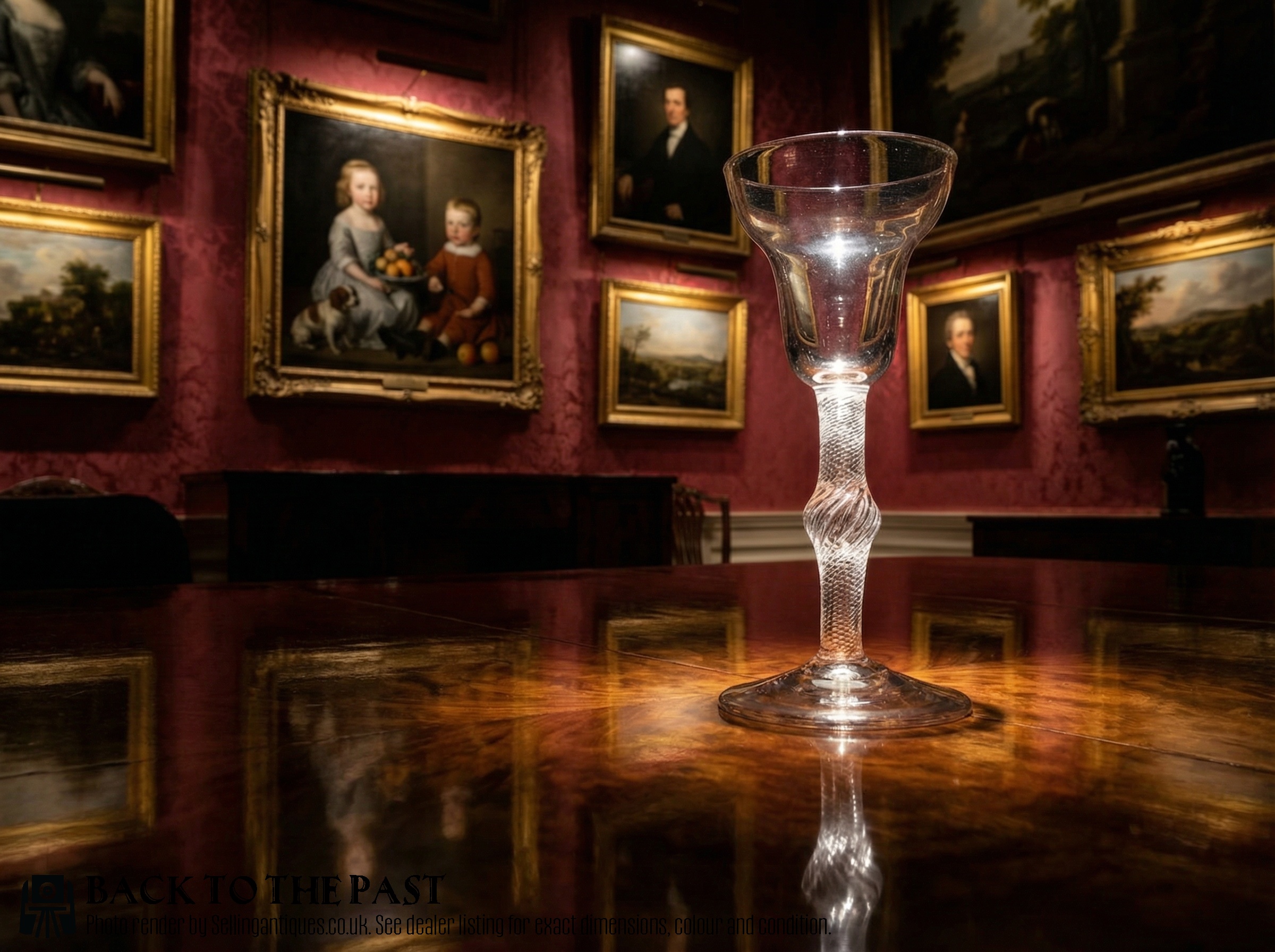
Makers trapped air inside the molten metal before twisting and stretching the stem to create multi spiral threads. Additional elements such as double knops were shaped by hand during the blowing process.
Retail Price Guide 2026
Typical UK retail prices for air twist stemware, calculated from the Sellingantiques database of over a million retail prices indexed since 2003. This retail price guide relies exclusively on Sellingantiques data; no external sources or auction records are used, so the figures do not describe the wider market.
What varies in quality
Quality rests in the precision and complexity of the internal twist formation within the stem. Multi spiral air twist threads that remain crisp and regular throughout the length indicate superior glasshouse execution.
The Air Twist Stemware Glossary
- Air twist
- A stem containing internal spiral channels of trapped air created during the drawing process. This technique defines the visual character of eighteenth-century English drinking glasses.
- Lead glass
- A heavy, clear glass formulation containing lead oxide that provides brilliance and resonance. British glassmakers utilised this material extensively for Georgian stemware.
- Pan top
- A bowl shape characterised by a slightly flaring rim resembling an open pan. This specific profile appears frequently on mid-eighteenth-century English wine glasses.
- Jacobite engraving
- Symbolic decoration applied to drinking vessels supporting the exiled Stuart dynasty. Such engraving often includes roses and oak leaves.
Frequently Asked Questions
What is air twist stemware?
Air twist stemware consists of eighteenth-century English drinking vessels featuring slender stems with internal spiral air threads.
These Georgian pieces utilise clear lead glass and appear primarily as wine glasses, cordial glasses, and ale glasses.
How old is air twist stemware?
The pieces available originate from the eighteenth century during the Georgian period.
Most examples date specifically to around the mid-eighteenth century, particularly the middle decades of the seventeen-fifties.
What materials were used?
Glassmakers utilised lead glass, lead crystal, and flint glass for these drinking vessels.
This high-quality material allowed artisans to pull thin, clear stems that showcase the internal air twists.
What styles exist?
The primary style represented is Georgian English glassware from the eighteenth century.
Specific variations include multi spiral twists, double knops, pan top bowls, and Jacobite-engraved rounded funnel bowls.