

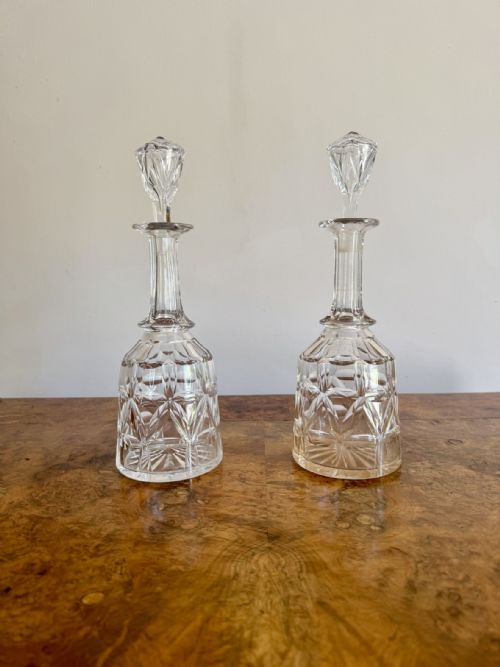
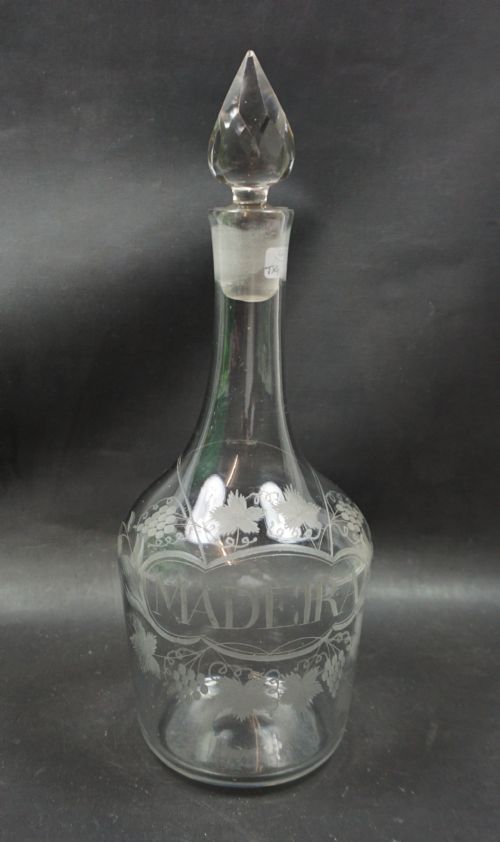
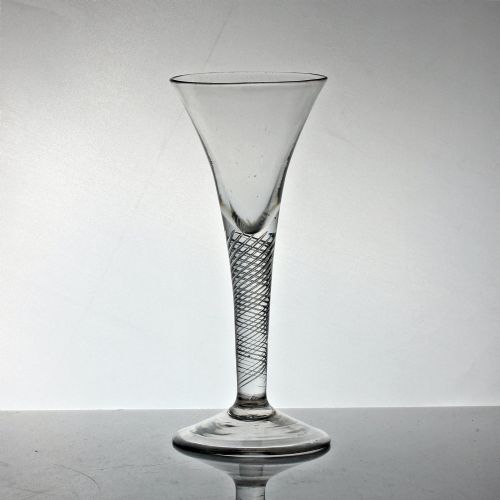
Lead Crystal Wine Glass
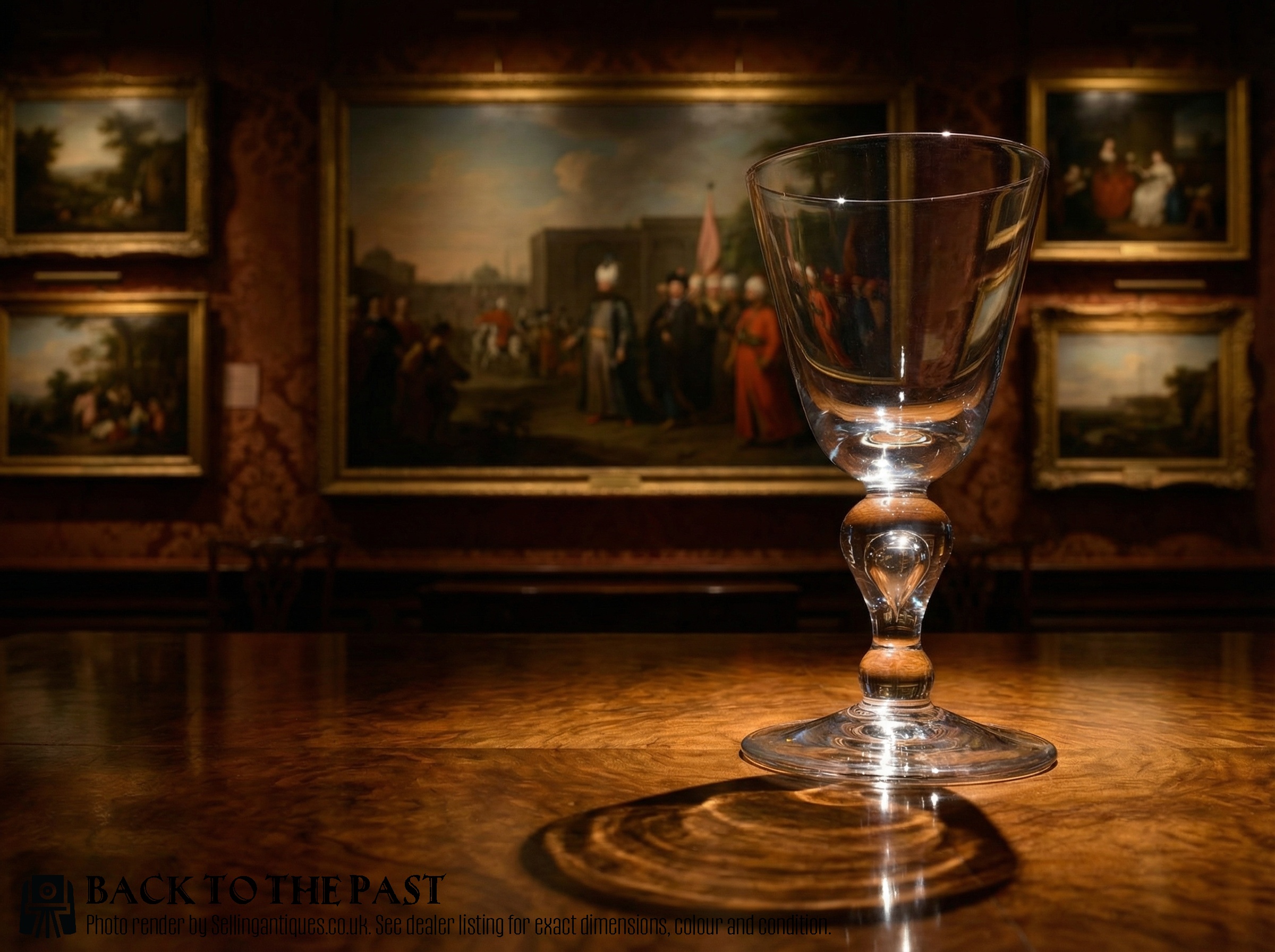
A lead crystal wine glass carries the weight of centuries in the hand, bringing brilliant clarity and ring to the table.
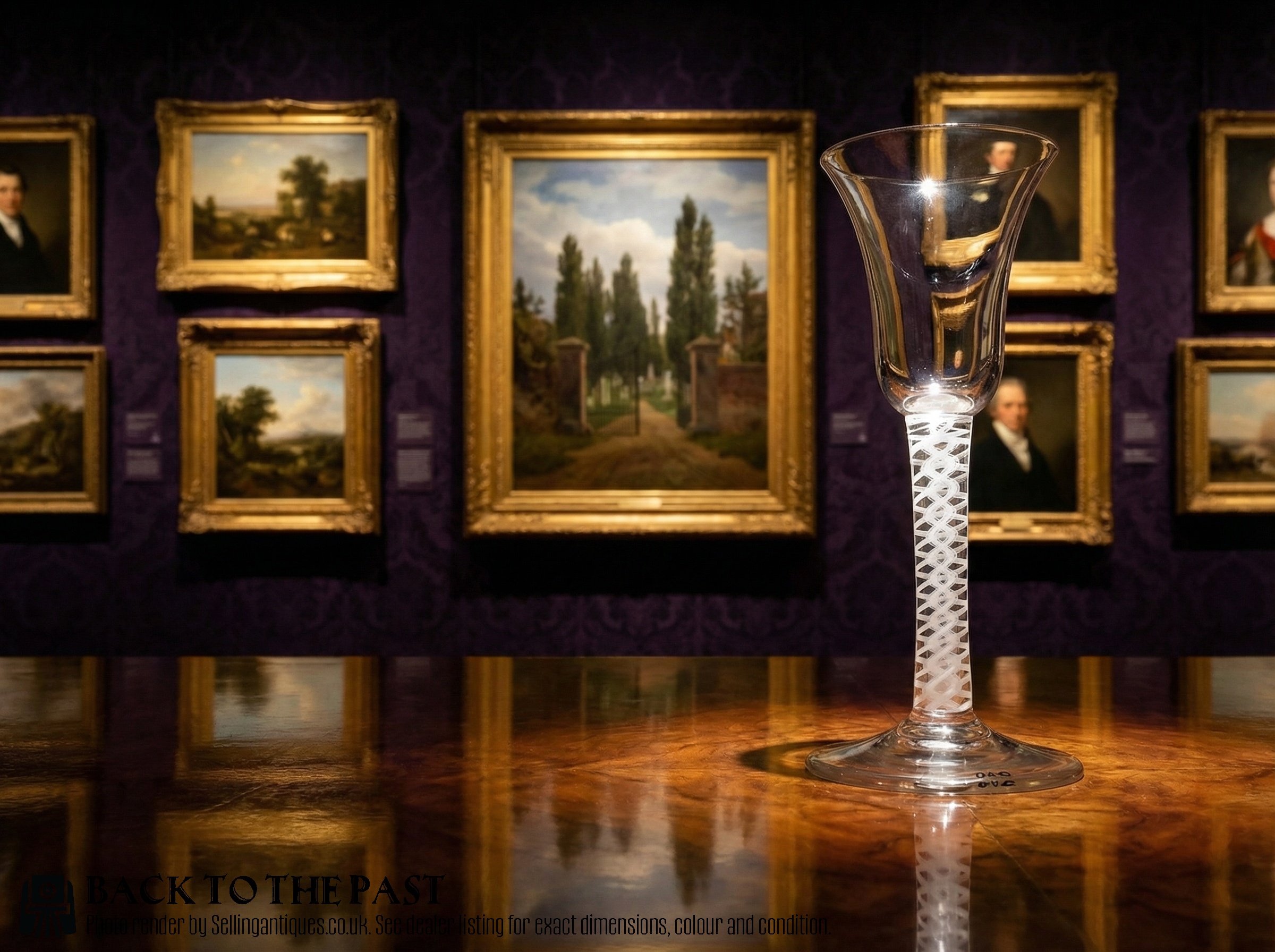
Lead Crystal Wine Glass
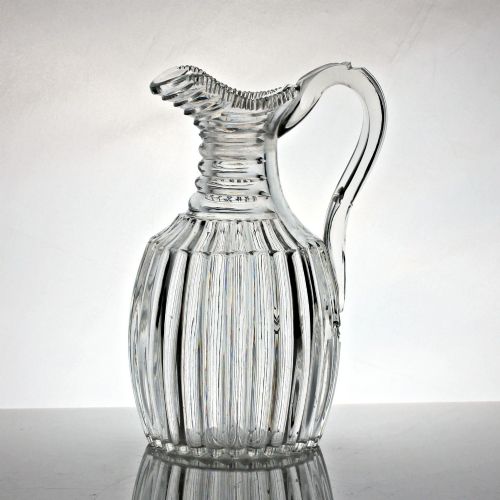
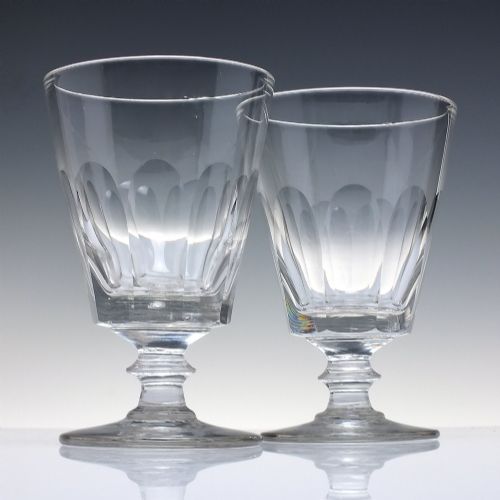
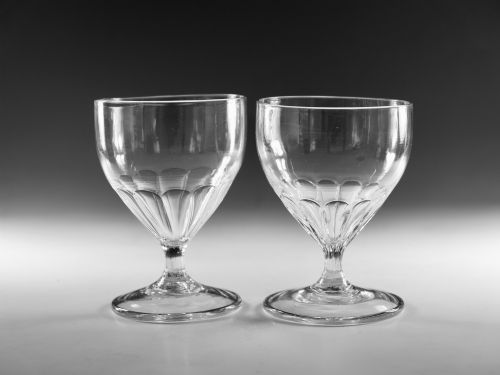
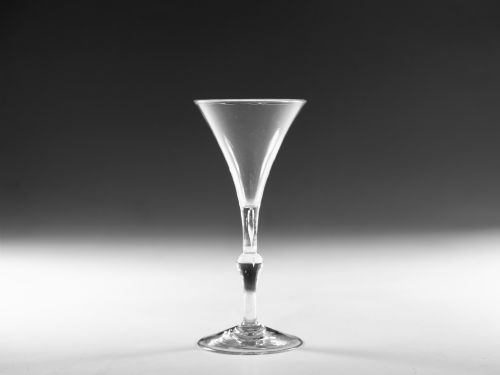
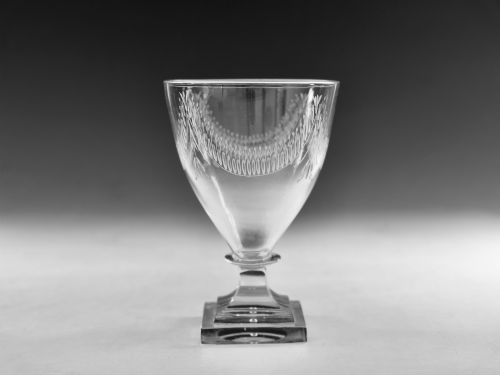
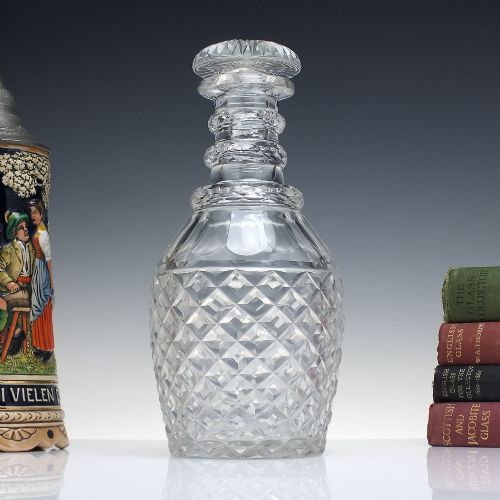
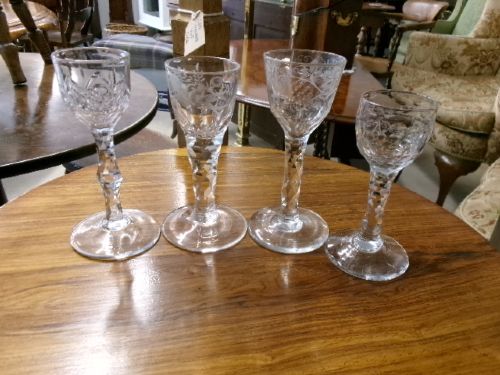
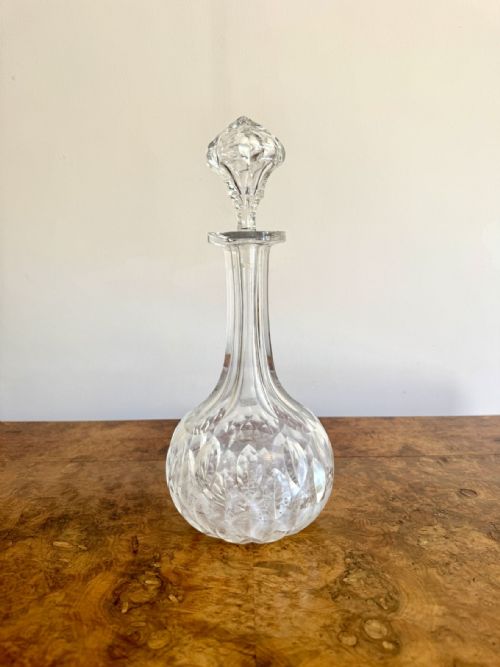
A lead crystal wine glass search brings together centuries of drinking vessels, ranging from mid eighteenth century examples to Victorian and Edwardian services. The pieces span Georgian plain, air twist, and opaque twist stems, alongside later cut glass rummers and decanters.
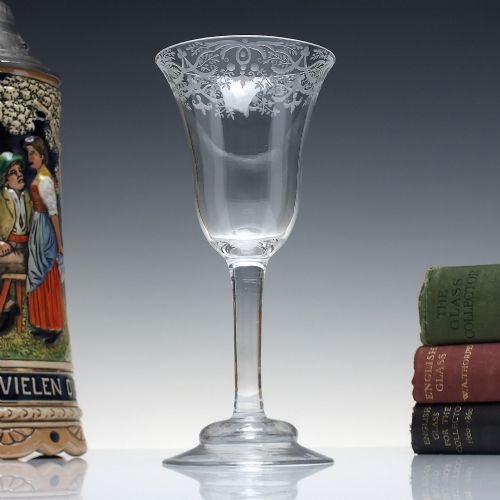
Most examples found in these listings date from the Georgian and Victorian eras, showing the shift from early lead metal compositions to heavy cut designs. Collectors encounter everything from delicate bell bowls on folded feet to sturdy port glasses and tall flutes.
Form follows function across the periods, moving from eighteenth century baluster and stem variations to nineteenth century rummers and decanters. The material varies from clear flint glass to coloured variants and pieces decorated with white enamel.
Materials and construction
Makers utilised lead glass, also known as flint glass, which introduced heavier metal oxides to achieve superior refractive qualities and brilliance. This dense composition allowed glassblowers to form complex stems and execute deep wheel cutting.
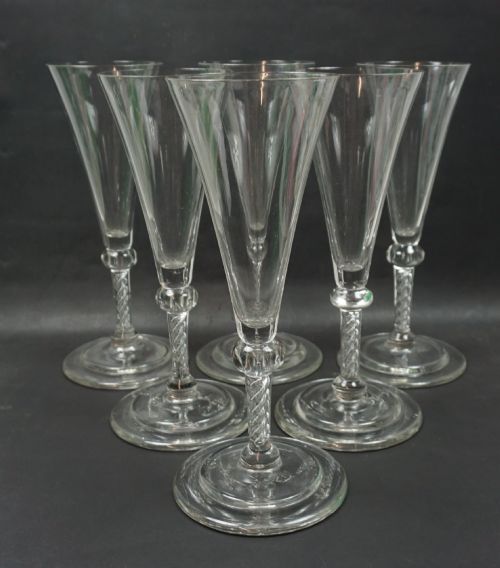
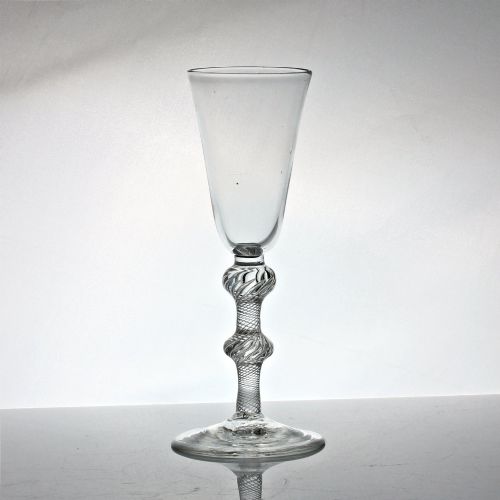
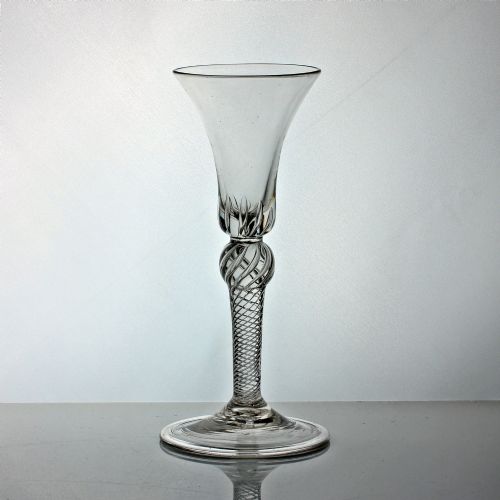
Stems were produced using specialised air twist and opaque twist techniques, entrapping minute threads of air or white enamel within the molten metal before drawing and forming. Bowls and feet were frequently mould blown, ribbed, or finished with folded edges for added stability.
Lead Crystal Wine Glass Retail Price Guide 2026
Typical asking prices for lead crystal wine glass among the pieces listed under this phrase on Sellingantiques today, from the lower quarter to the upper quarter. They describe what is for sale here now, not the wider market.
Listings incorporate lead crystal wine glass forms spanning the 18th Century, Georgian period, Regency era, and Victorian times.
Assessing quality and merit
Quality rests primarily in the clarity of the metal, the precision of the stem twist, and the crispness of any wheel engraving or facet cutting. Superior examples display high light refraction and balanced weight distribution without excessive clouding or manufacturing bubbles.
The sophistication of the form dictates distinction, separating simple utility vessels from masterworks featuring multi spiral air twists, composite stems, or documented historical engravings. Condition of the rim and foot rim remains central to the integrity of older stemware.
The Lead Crystal Wine Glass Glossary
- Air twist
- A stem decoration formed by drawing out elongated bubbles of air within the molten glass into spiral threads.
- Opaque twist
- A stem featuring one or more white or coloured enamel glass rods twisted into a corkscrew pattern within clear metal.
- Flint glass
- An early British term for heavy lead crystal possessing high refractive index and clarity.
- Rummer
- A large, sturdy goblet used for wine, ale, or punch during the eighteenth and nineteenth centuries.
- Folded foot
- A base edge turned under during manufacture to provide a stronger and thicker rim.
Lead Crystal Wine Glass: Frequently Asked Questions
How do I date an old wine glass?
Dating relies on combining the form of the bowl, the construction of the stem, and the characteristics of the metal foot. Pontil marks underneath and the presence of lead oxide weight offer further clues to the period.
Eighteenth century pieces typically feature drawn stems and folded feet, whereas Victorian examples tend to be heavier with moulded or cut decoration.
What is an air twist stem?
An air twist is a decorative stem containing spiral threads of trapped air running from the top to the base. Glassmakers created these by twisting a rod containing internal air bubbles while the metal was hot.
This technique reached great popularity during the mid eighteenth century before opaque twist variations largely superseded it.
Are these glasses safe to use?
Most antique lead crystal glasses remain suitable for occasional dining and toast use, provided they are handled with proper care. Hand washing in warm water prevents thermal shock and preserves the ancient surface.
Avoid dishwashers and harsh detergents to protect the clear flint metal and any delicate wheel engravings.
Why is lead crystal heavier?
The addition of lead oxide to the silica batch increases the overall density and weight of the finished glass. This heavy metal content allows the vessel to refract light more brilliantly and produce a clear musical ring when struck.
Georgian and Victorian makers relied on this specific formulation to execute deep cutting and fine stem details.