
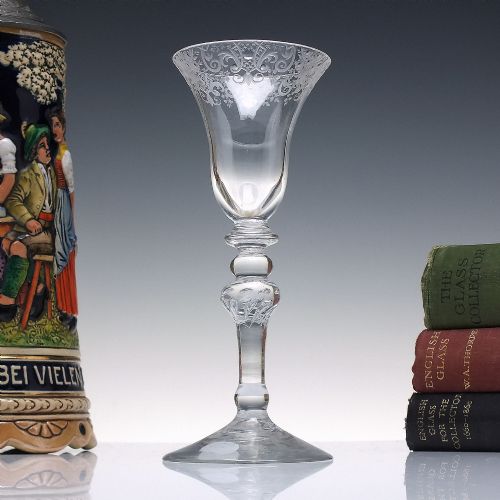
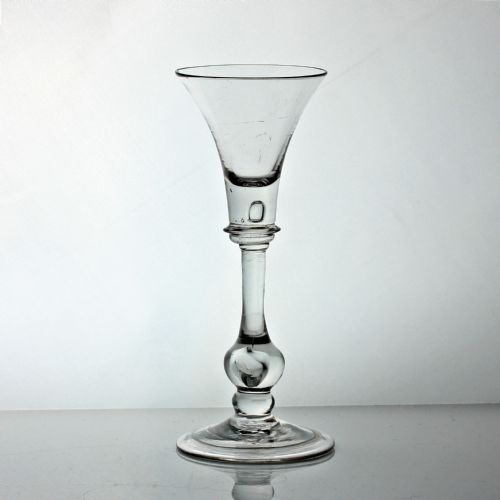


Georgian Baluster Glass
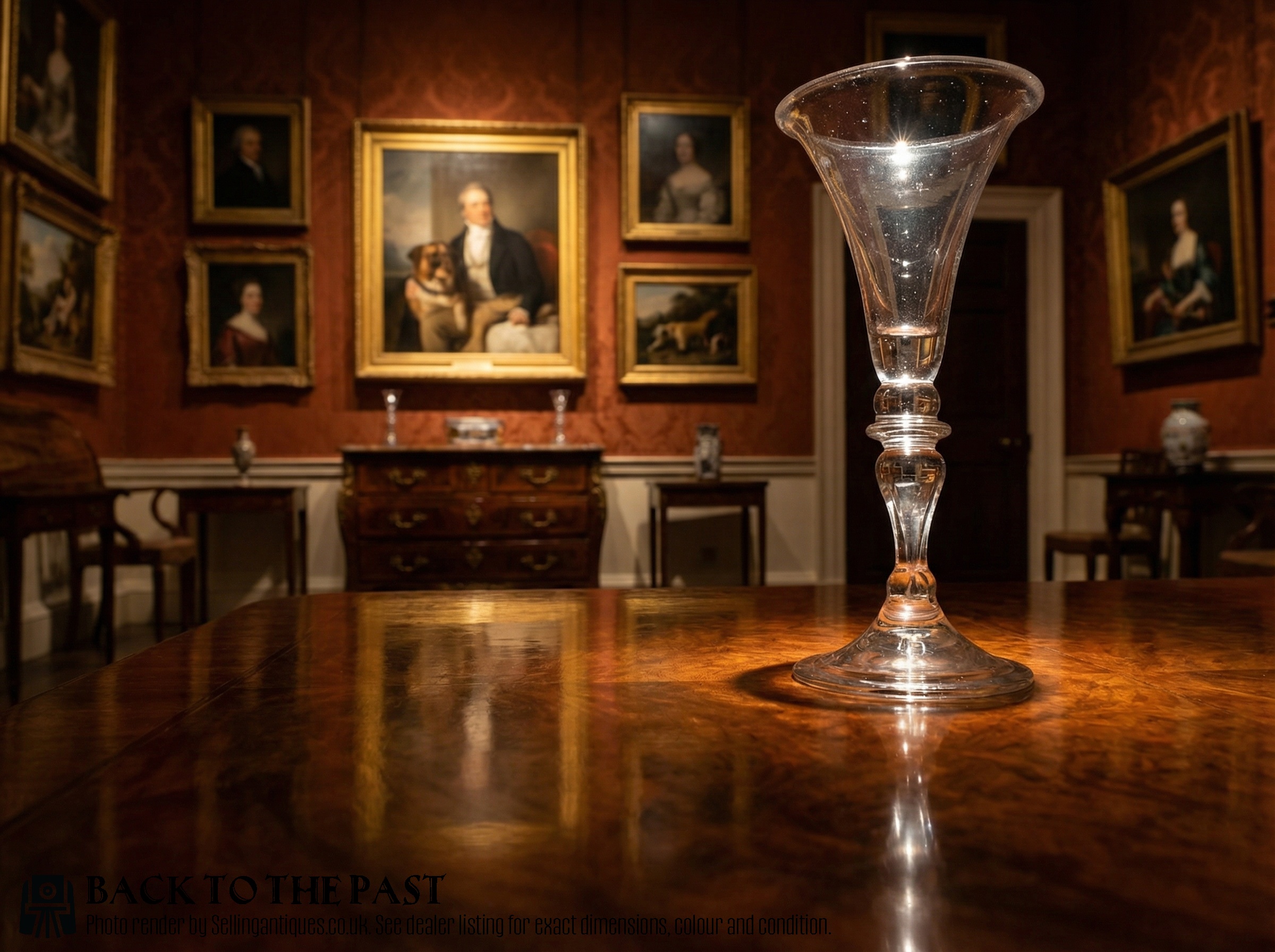
Georgian baluster glass pieces are thick-walled lead vessels with substantial stems, sought after for their heavy handle and eighteenth-century origins.
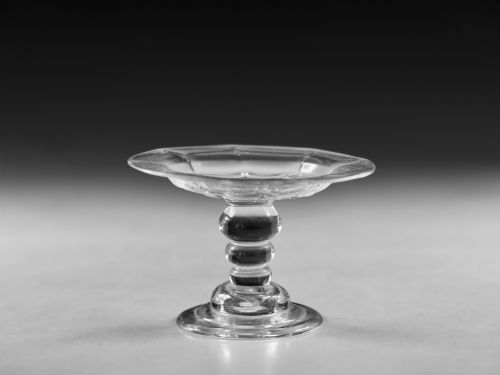
Georgian Baluster Glass
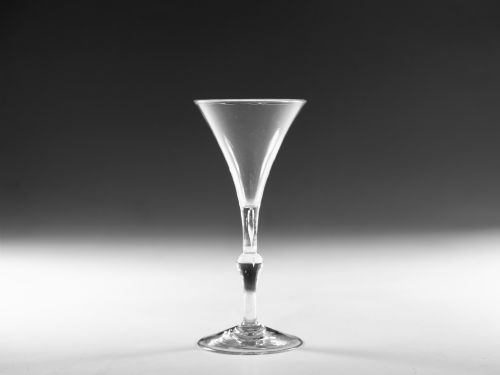
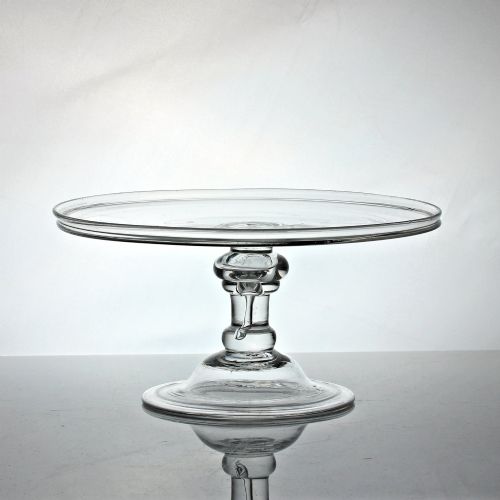
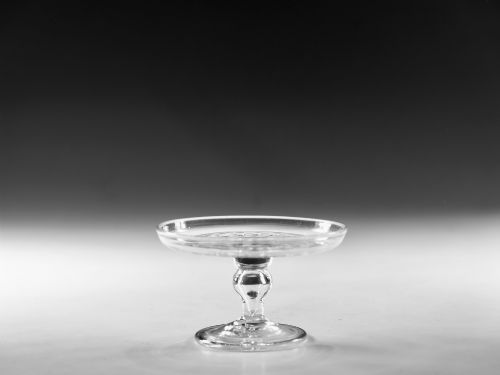
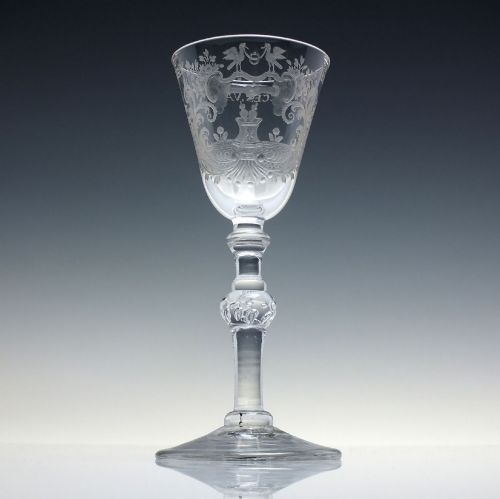
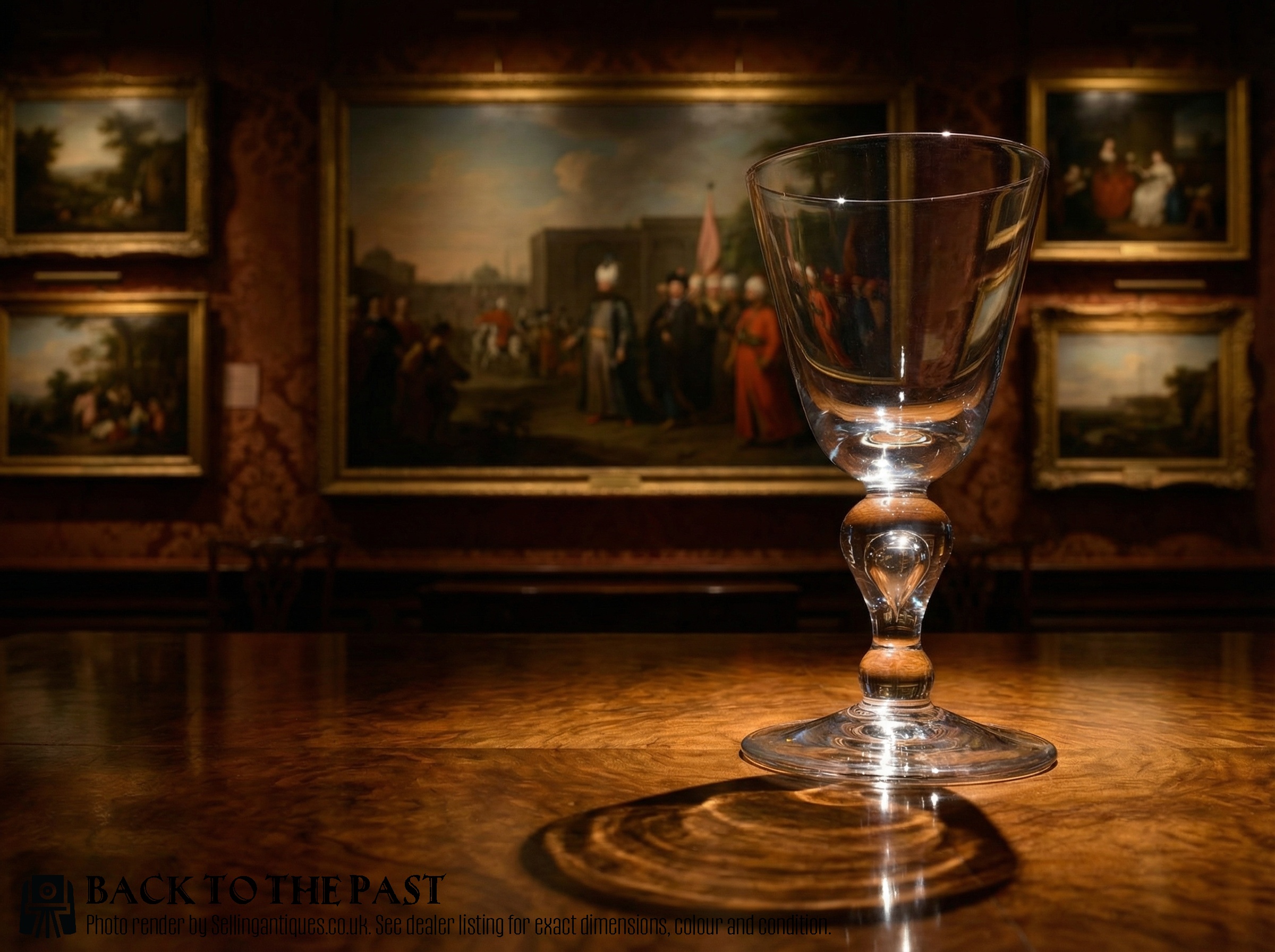
When you search for georgian baluster glass, you are looking at eighteenth-century drinking vessels and serving pieces defined by their sturdy,knotted stems. These objects span wine glasses, goblets, dram glasses, sweetmeat glasses, and tazzas dating primarily from the seventeen-tens through the seventeen-fifties.
The most common form you will meet on this page is the wine glass or goblet, frequently featuring clear lead metal blown into heavy bowls and distinctive baluster or balustroid stems. Alongside these drinking vessels, the selection occasionally includes patch stands, candlesticks, and champagne or ratafia glasses from the same periods.
What varies in quality
The distinction between ordinary and superior examples lies in the heft of the metal, the balance of the stem knops, and the crispness of any wheel engraving. Heavy baluster forms with well-proportionate baluster stems and domed feet represent the higher end of the range.
Degree of wear on the underside of the foot and the complexity of internal stem formations, such as multiple nodes or enclosed air tears, further separate standard utilitarian pieces from exceptional tablewares.
Georgian Baluster Glass Retail Price Guide 2026
Typical asking prices for georgian baluster glass among the pieces listed under this phrase on Sellingantiques today, from the lower quarter to the upper quarter. They describe what is for sale here now, not the wider market.
The Georgian Baluster Glass Glossary
- Baluster
- A stem form derived from architectural balusters, featuring swollen knops and heavy proportions. It provides a tactile grip and significant weight to eighteenth-century drinking vessels.
- Balustroid
- A lighter, more slender relative of the full baluster stem. These stems taper downwards and often include simpler knops.
- Tazza
- A wide, shallow dish raised upon a central stem and foot. Makers used these footed plates for serving confectionery or displaying small items.
- Deceptive glass
- A vessel featuring a solid or unusually thick lower bowl that reduces the internal liquid capacity. These forms frequently served as dram glasses or toastmaster's glasses.
- Sweetmeat glass
- A specialised stemmed vessel with a wide, shallow bowl intended for serving preserved fruits or dry sweetmeats.
Georgian Baluster Glass: Frequently Asked Questions
What is a baluster glass?
A baluster glass is an eighteenth-century drinking vessel characterised by a heavy lead glass body and a thick, knopped stem.
These pieces were produced to handle the rigorous use of Georgian dining tables.
How were dram glasses used?
Dram glasses served spirits and strong liquors in small, measured quantities during the eighteenth century.
Their heavy construction prevented accidental tipping on crowded tables.
How do I spot a fake eighteenth-century glass?
Authentic pieces show appropriate age-related wear beneath the foot and distinct tool marks from hand-blowing.
Genuine lead crystal also exhibits a specific heft and warm grey tone under natural light.
What is a Kit Kat glass?
A Kit Kat glass is a slender balustroid wine glass associated with the style popular among the Kit-Cat club.
These vessels feature elegant proportions well suited to polite eighteenth-century sociability.