




Lead Crystal Goblet
These lead crystal goblet items are drinking vessels of substantial weight and historic form, prized for their clarity and tactile presence at table.
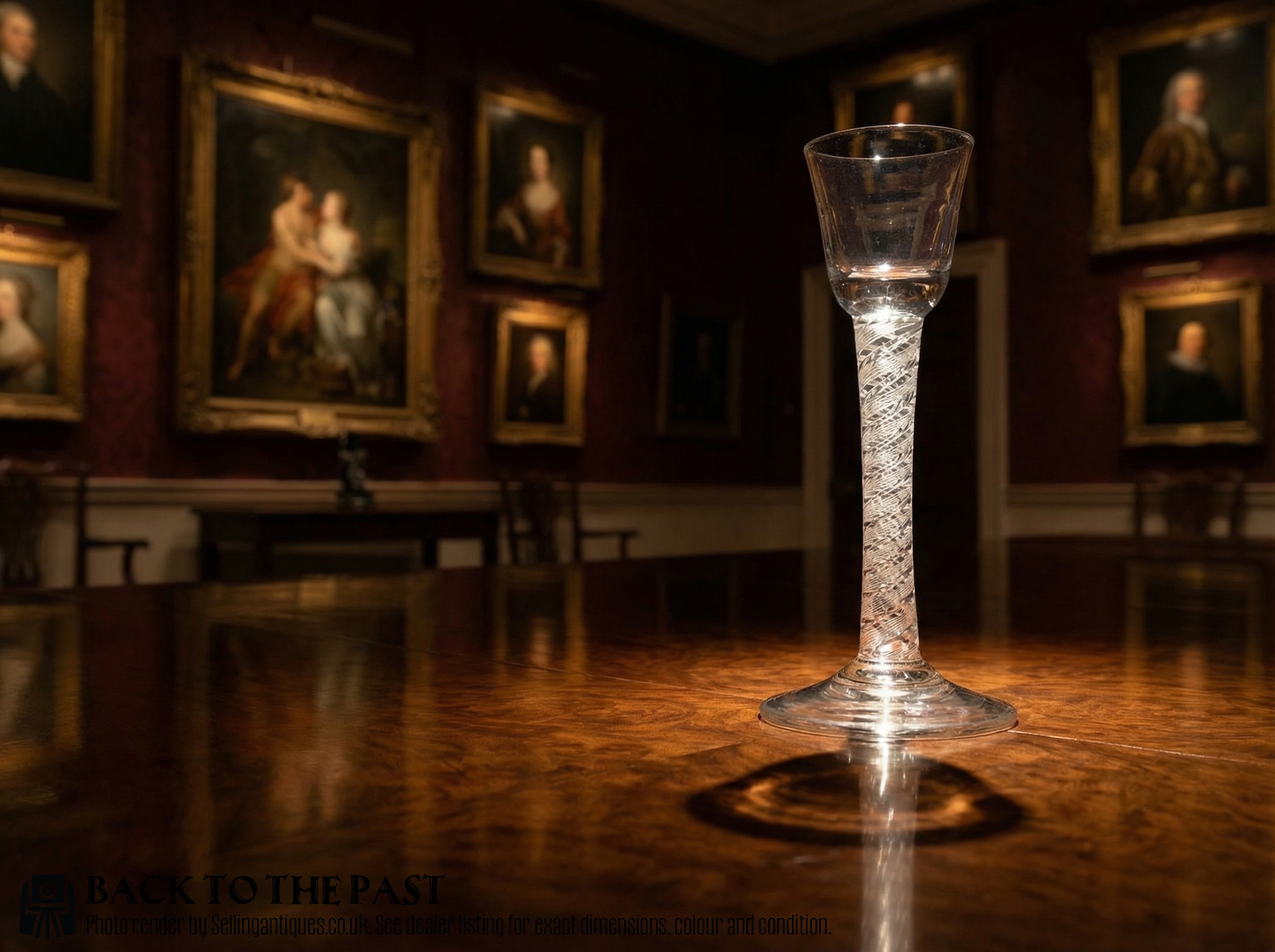
What these pieces are
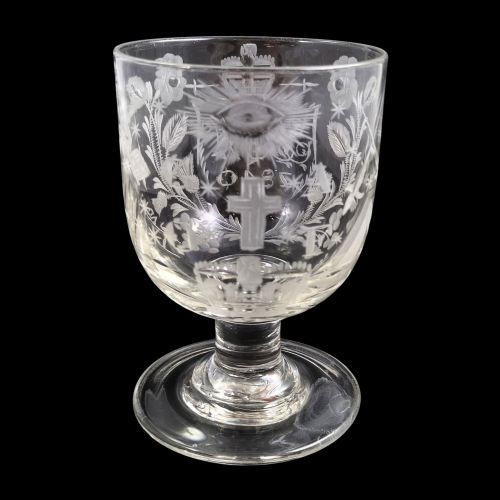
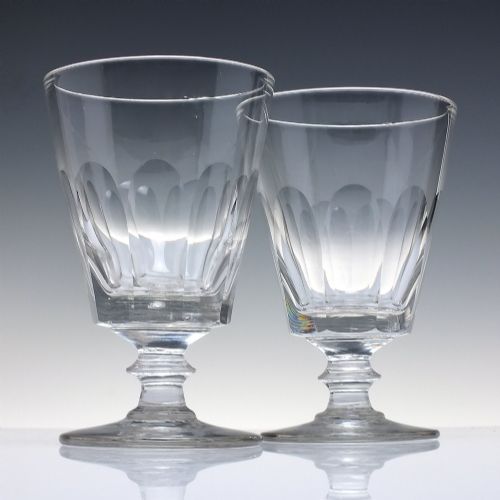
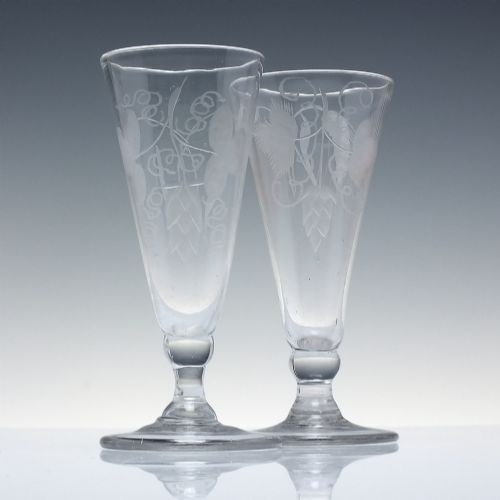
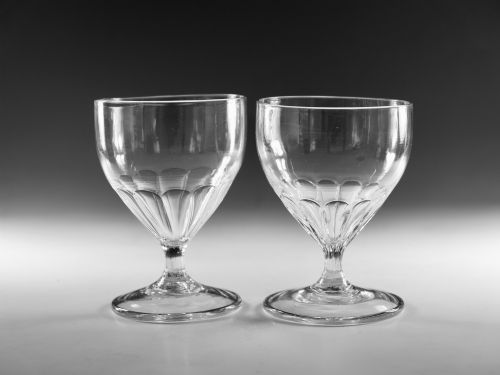
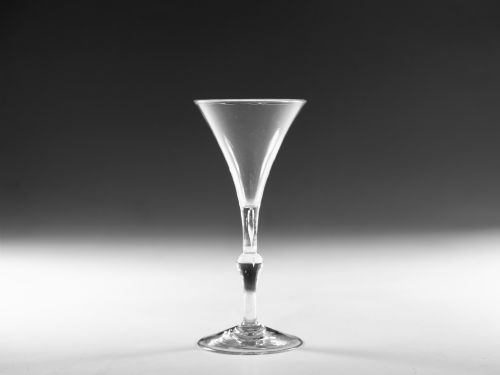
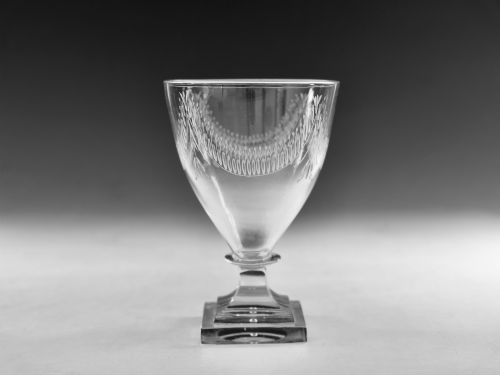
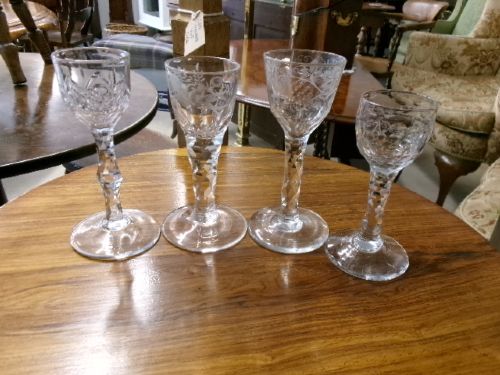
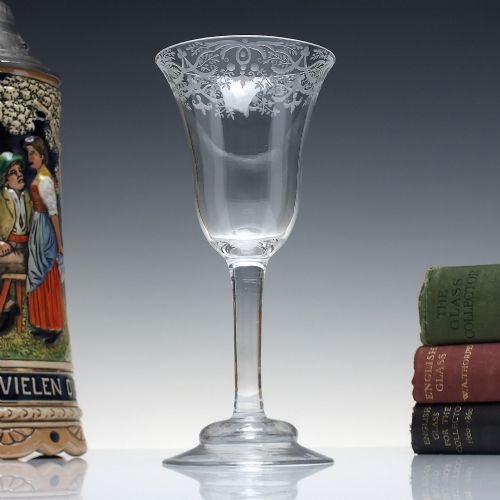
A lead crystal goblet encompasses drinking vessels from the eighteenth and nineteenth centuries, including rummers, wine glasses, cordials, and flutes. Buyers searching this phrase encounter drinking glasses spanning the Georgian period and the year eighteen hundred, featuring forms such as bucket bowls and ovoid bowls.
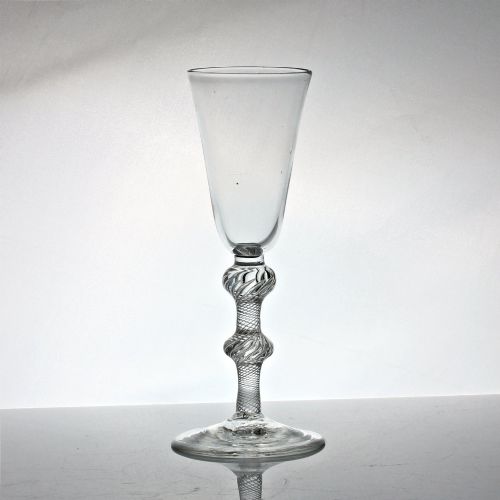
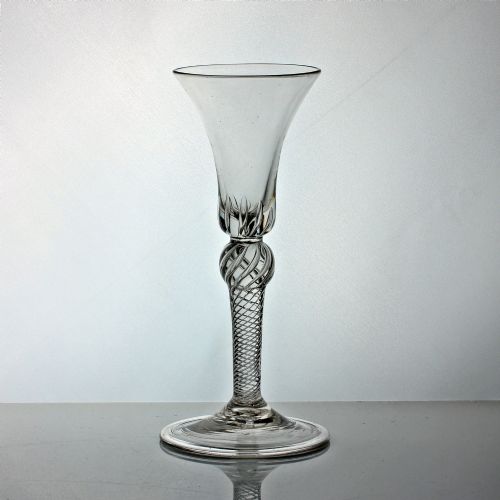
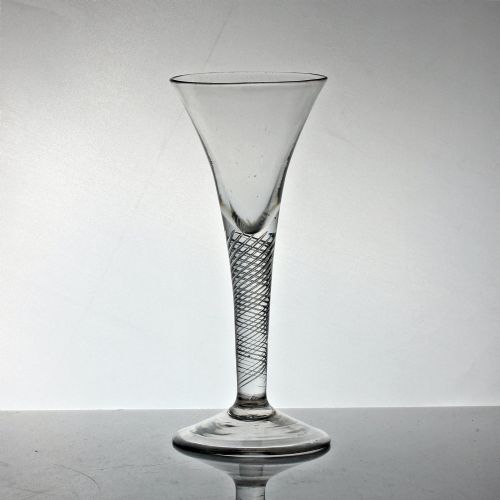
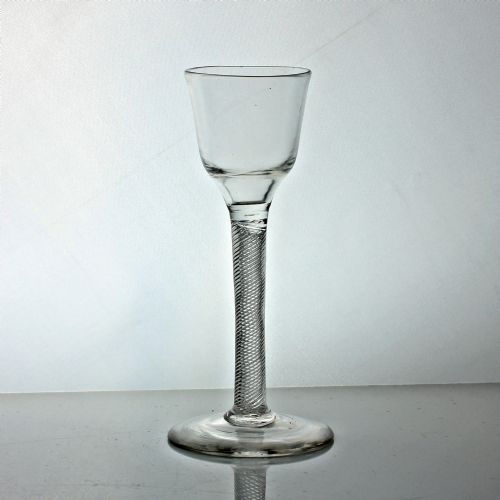
The selection centres on English glassware, demonstrating domestic forms from wine glasses with opaque and air twists to large rummers. These pieces range from delicate balustroid stems of the seventeen-forties to robust cut bucket bowl rummers of eighteen-thirty.
How they were made
The makers utilised lead glass, clear glass, flint glass, and lead crystal, shaping the molten material into distinct bowl and stem configurations. Surface decoration was achieved through techniques such as cutting and engraving, occasionally incorporating enamel.
Internal optical effects within the stems were created through air twist and opaque twist methods during glass formation. Bowls were blown and shaped into ovoid, bucket, or wide profiles, then attached to plain, balustroid, or twisted stems.
Retail Price Guide 2026
Typical UK retail prices for lead crystal goblet, calculated from the Sellingantiques database of over a million retail prices indexed since 2003. This retail price guide relies exclusively on Sellingantiques data; no external sources or auction records are used, so the figures do not describe the wider market.
Listings span the eighteenth and nineteenth centuries, featuring materials such as lead glass, flint glass, and enamel alongside lead crystal.
What varies in quality
Quality rests in the crispness of the cutting, the precision of the engraved monograms, and the brilliance of the lead crystal material. Earlier balustroid stems display different proportional harmony compared to later heavy cut rummers.
The complexity of internal stem formations, such as fine air twists and opaque twists, distinguishes finer examples from plain-stemmed drinking glasses. The weight and clarity of the flint glass or lead crystal set the standard for each piece.
The Lead Crystal Goblet Glossary
- Flint glass
- A heavy, bright glass containing lead oxide, known for high refractive index and clarity. It forms the basis of many eighteenth-century drinking vessels.
- Air twist
- A spiral of elongated air bubbles trapped within the stem of a glass during manufacture. This delicate optical effect is characteristic of mid-eighteenth-century English wine and cordial glasses.
- Opaque twist
- A stem decoration formed by drawing out opaque white or coloured glass rods within clear metal. It creates dense, milky threads running through the glass.
- Balustroid
- A stem form intermediate between the heavy baluster and the plain stem, featuring knops reminiscent of architectural balusters. These appear frequently on glasses from the seventeen-forties.
- Rummer
- A large, deep-bowled drinking glass introduced in the late eighteenth century and popular through the nineteenth century. They often feature cut decoration and heavy bucket or ovoid bowls.
Frequently Asked Questions
How do I date a Georgian rummer?
Georgian rummers are dated by observing bowl shape, cutting styles, and the presence of monograms or foot rims. Flute-cut bucket bowls often point towards the early nineteenth century.
Earlier eighteenth-century examples tend towards different stem forms and broader ovoid profiles before heavy cut decoration became dominant.
What is a balustroid stem?
A balustroid stem is a transitional glass stem shape that echoes architectural baluster forms in a lighter, more slender proportion. These stems typically feature one or more swelling knops.
They serve as key markers for distinguishing mid-eighteenth-century English wine glasses from their heavier predecessors.
Are these glasses safe to use?
While these pieces were originally made for dining and drinking, historic lead glass requires careful handling and hand washing. The material is softer than modern glass and susceptible to thermal shock.
Collectors generally choose to display them or use them with care for special occasions, avoiding dishwashers entirely.