




Flint Glass Rummer
These flint glass rummer pieces are heavy drinking vessels from the Georgian and Victorian periods that bring tactile weight and historic charm to any table.
Flint Glass Rummer
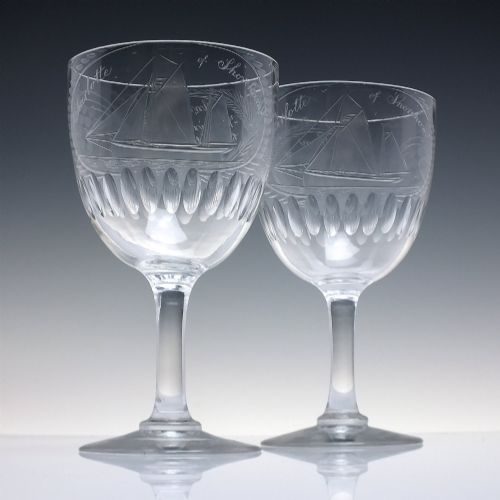
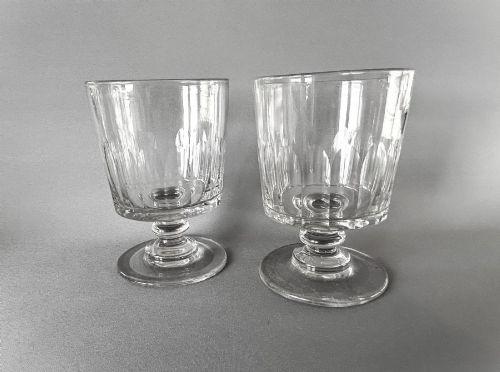
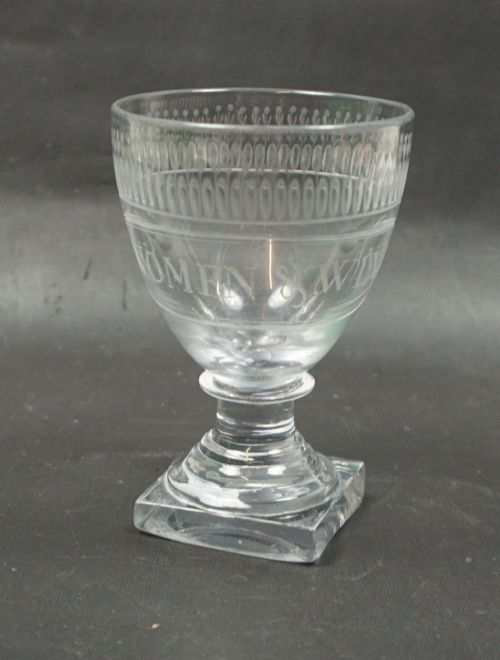
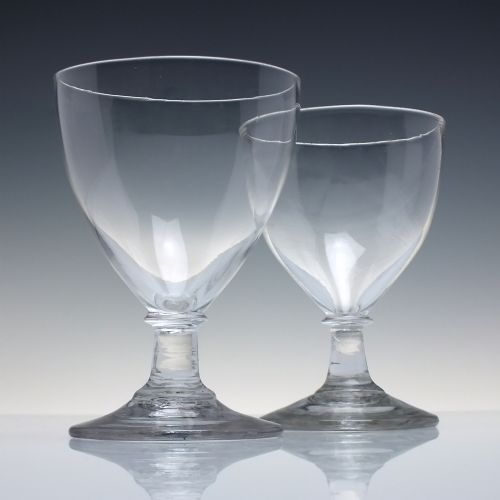
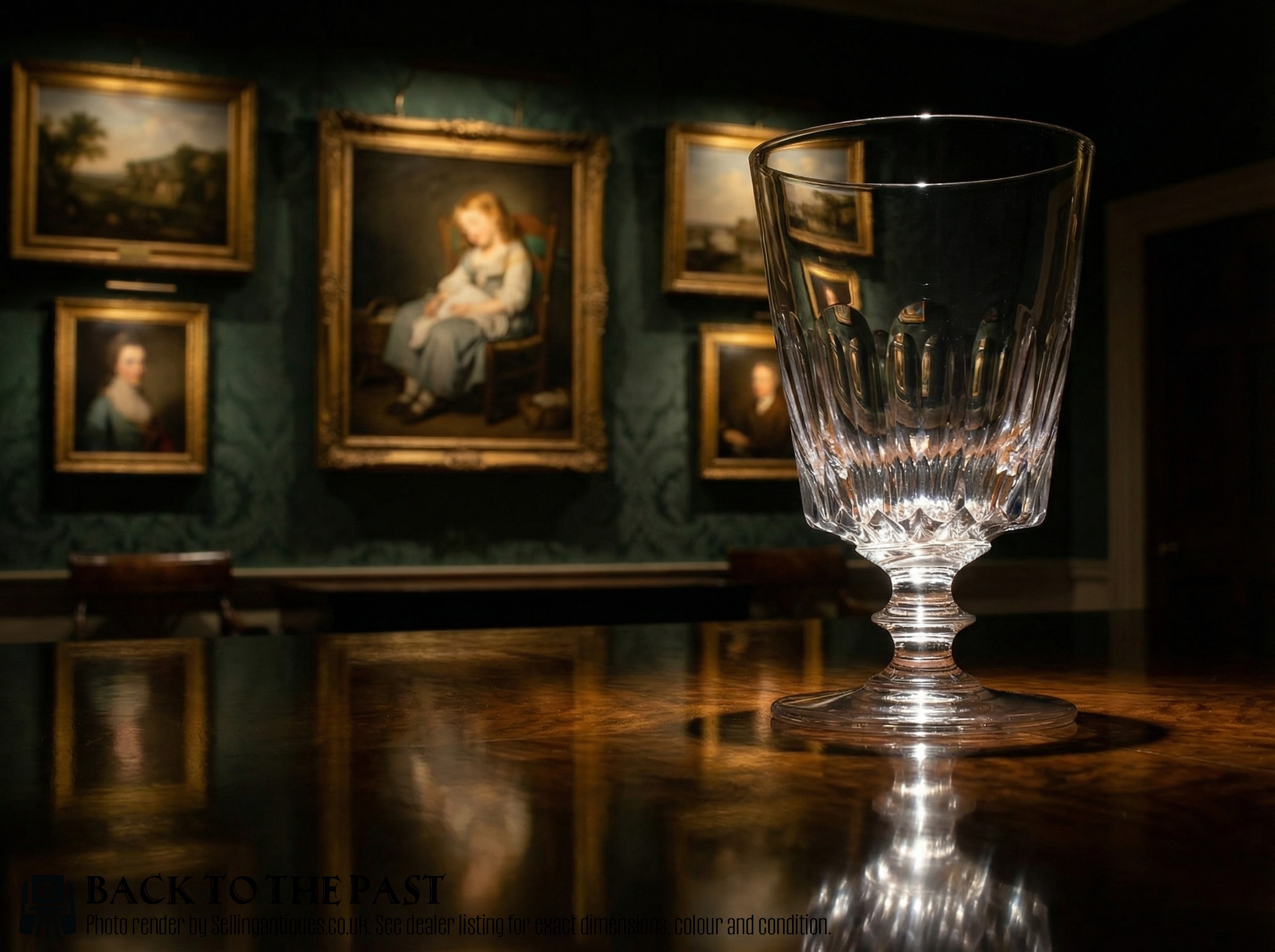
A flint glass rummer is a sturdy drinking vessel designed for heavy use during the Georgian and Victorian eras. These items appear in various forms, including ovoid bowls, plain stem goblets, and square lemon squeezer feet.
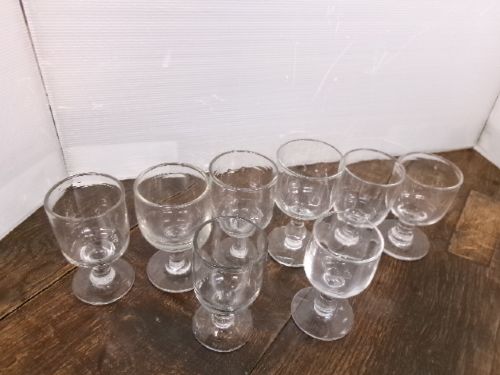
The versions most commonly met on this page date from the 1800s through to the mid-nineteenth century. Buyers encounter single items, pairs, small sizes, and tavern glass rummers that reflect the drinking habits of past centuries.
How they were made
These vessels utilise lead glass, lead crystal, and flint glass to achieve clarity and weight. Makers shaped the clear glass by blowing and forming ovoid bowls and sturdy stems.
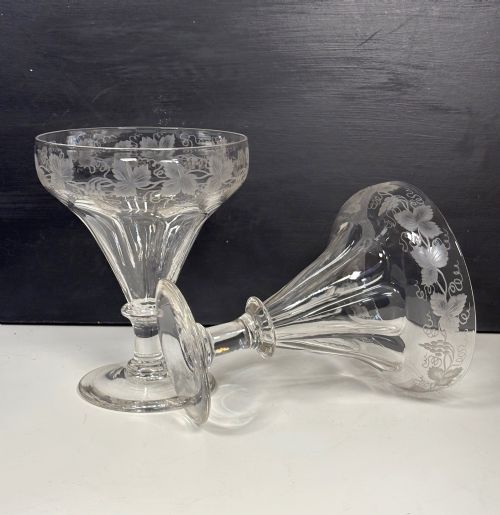
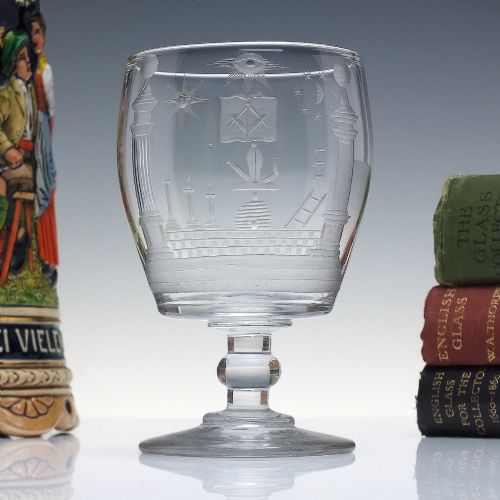
Decoration relied on skilled hand engraving rather than moulding alone. Artisans cut motifs such as hops, barley, monograms, and Masonic symbols directly onto the surface.
Flint Glass Rummer Retail Price Guide 2026
Typical asking prices for flint glass rummer among the pieces listed under this phrase on Sellingantiques today, from the lower quarter to the upper quarter. They describe what is for sale here now, not the wider market.
One exceptional small rummer carries the unusual engraved dedication 'Women & Wine' from around seventeen eighty.
What varies in quality
Quality depends upon the crispness of the hand engraving and the clarity of the clear glass. Pieces with detailed motifs like hops and barley or uncommon inscriptions display superior craftsmanship.
The stability and proportion of the foot and stem dictate the grade of the vessel. Square lemon squeezer feet and heavier lead crystal compositions represent more substantial workmanship.
The Flint Glass Rummer Glossary
- Flint glass
- An early British term for heavy, high-clarity lead glass. The material contains lead oxide to give the object greater weight and brilliance.
- Lemon squeezer foot
- A square, moulded glass base with sloping sides resembling a kitchen juicer. This geometric foot provides exceptional stability to heavy Georgian drinking vessels.
- Ovoid bowl
- An egg-shaped vessel profile common on nineteenth-century drinking glasses. This curved form helps concentrate aromas.
Flint Glass Rummer: Frequently Asked Questions
What were rummers used for?
These large vessels served for drinking ale, wine, and punch during social gatherings in taverns and homes. Their generous capacity made them popular for toasts and hearty consumption.
Over time, their sturdy build allowed them to transition from daily tavern use to prized display items. People valued them for their tactile weight and practical utility.
How do I date a rummer?
Dating relies on observing bowl shapes, stem formations, and foot styles recorded across periods like the Georgian and Victorian eras. Earlier pieces often feature ovoid bowls and plain stems.
Later Victorian examples tend to be larger and display different cutting techniques. Comparing the engraving style and glass composition helps narrow down the decade of manufacture.
Are these glasses safe to use?
Most of these historic vessels remain structurally sound enough for careful handling and occasional use. Hand washing in lukewarm water protects the antique material.
Due to the lead content in flint glass and the fragility of antique hand engraving, many collectors prefer to display them rather than use them daily.
What is tavern glass?
Tavern glass refers to utilitarian drinking vessels made for commercial public house use rather than wealthy private homes. These pieces often display simpler, robust construction to withstand heavy handling.
Despite their commercial origins, surviving examples now form an appreciated category of antique drinkware. They offer a direct connection to everyday life in the nineteenth century.