


Antique Glass Tumbler
An antique glass tumbler is a sturdy drinking vessel spanning Georgian to Edwardian eras, prized for heavy lead crystal bases and hand-blown character.
Identifying your antique glass tumbler
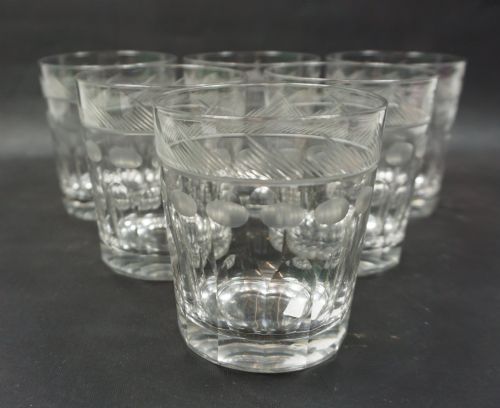
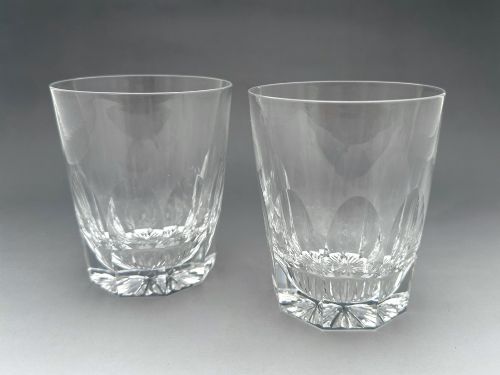
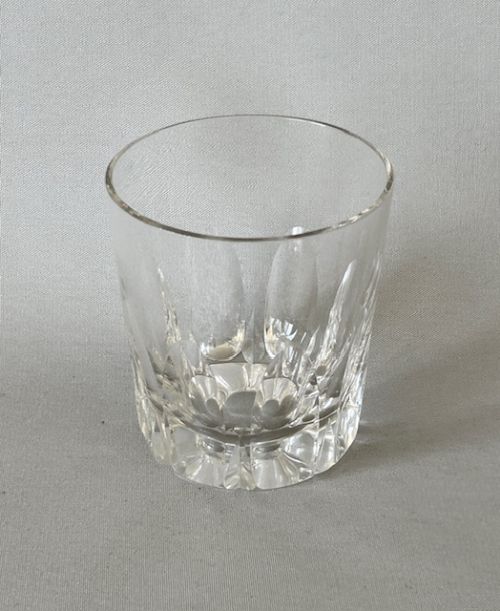
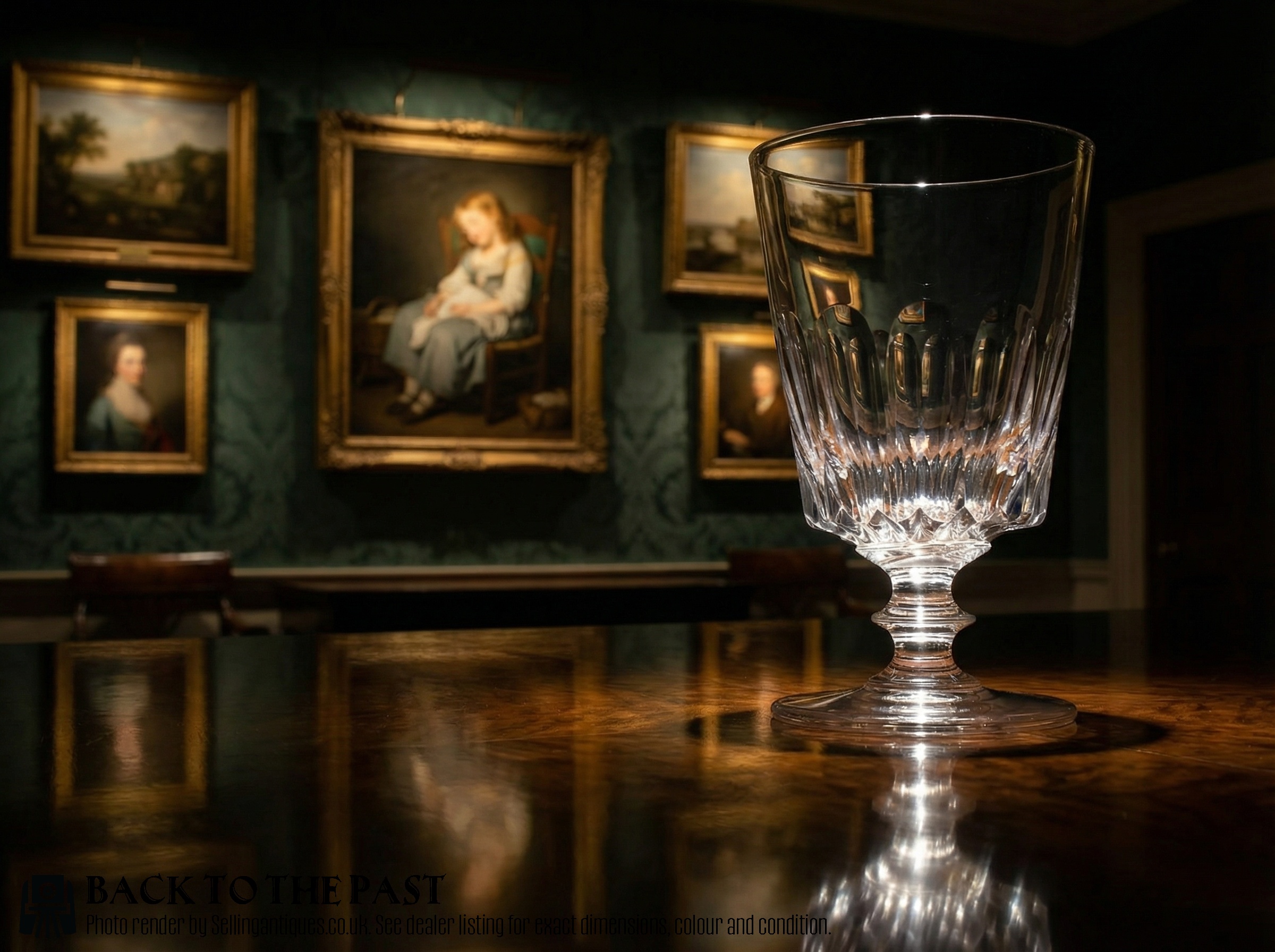
An antique glass tumbler is a flat-bottomed drinking vessel designed without a handle, appearing across Georgian, Victorian, and Edwardian periods. The selection encompasses plain soda glass forms alongside heavy lead crystal variations meant for everyday table service or spirits.
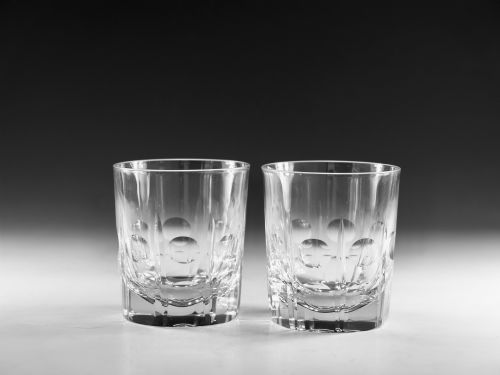
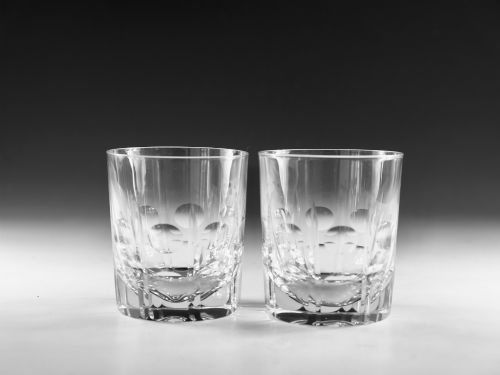
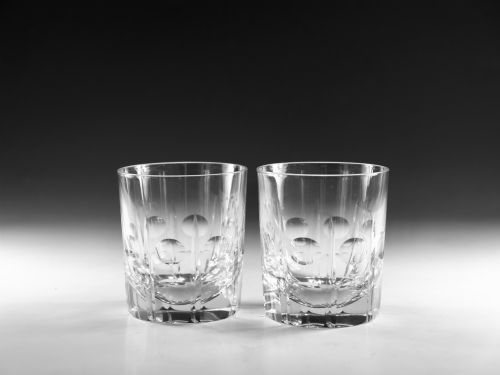
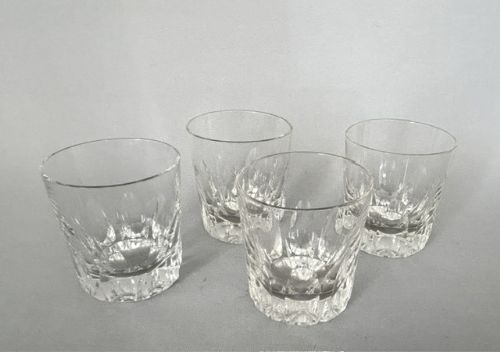
The most common examples you will encounter date from the nineteenth century, including pairs of English whisky tumblers and cut glass vessels from around eighteen seventy. Larger rummers and heavy pint glasses also recur frequently alongside smaller cordial sizes.
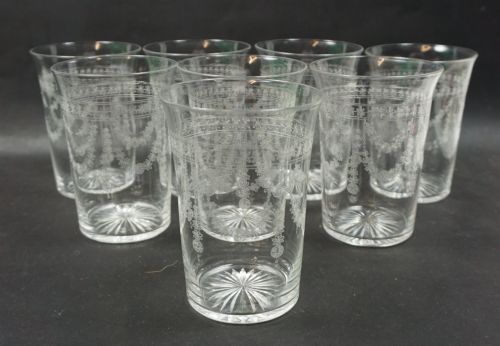
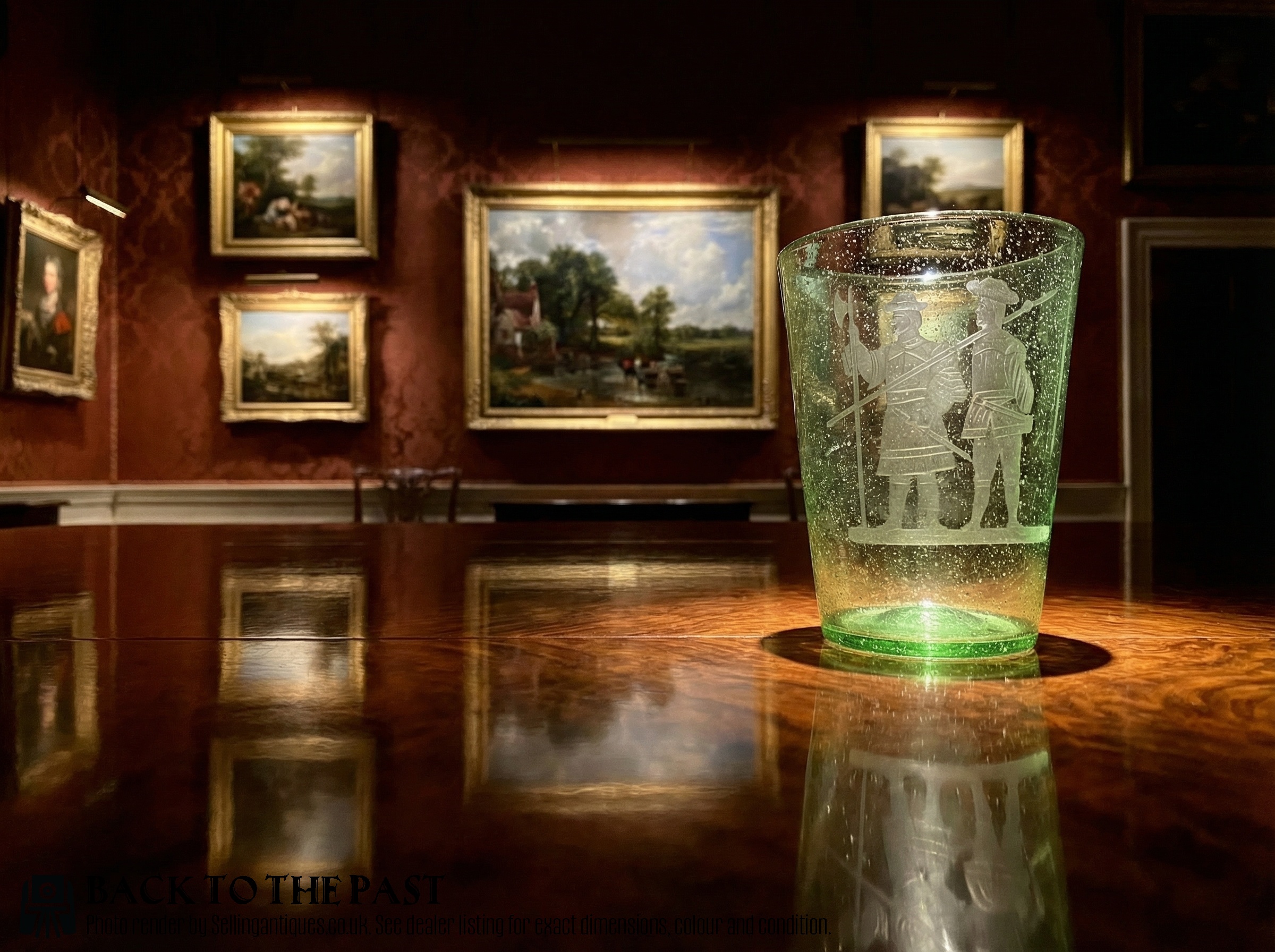
Moulded and hand-blown pieces represent distinct traditions, stretching from eighteenth-century green glass beakers to early twentieth-century sets. These drinking vessels bridge utilitarian service and decorative display through varied engraving techniques.
Manufacturing methods and materials
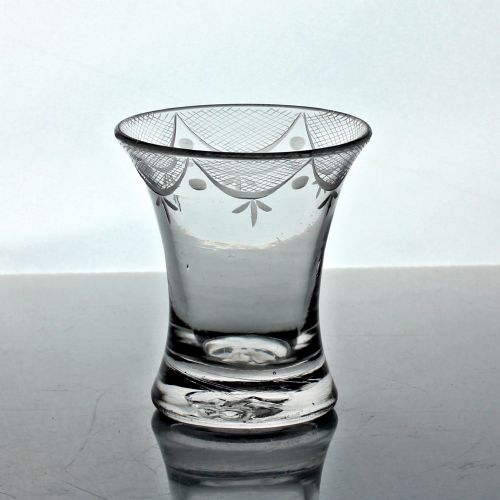
Makers utilised lead glass, lead crystal, and soda glass, shaping vessels through hand-blowing and subsequent moulding techniques. Early eighteenth-century examples display the bubbles and striations typical of hand-blown manufacture.
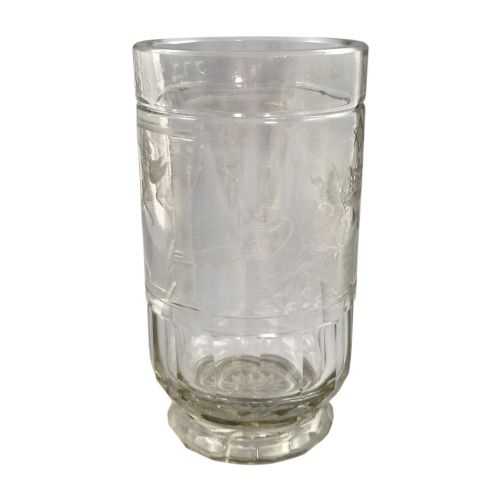
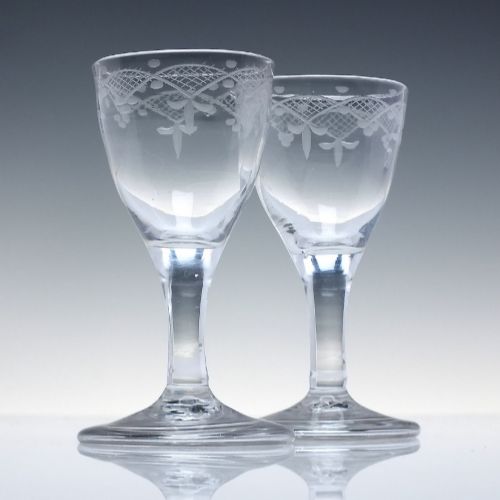
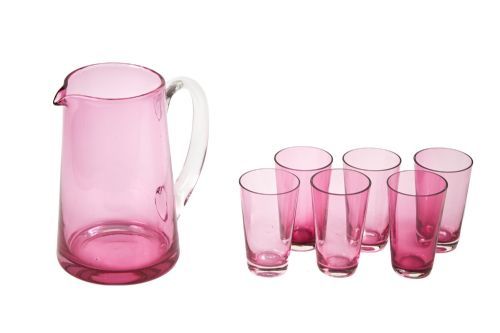
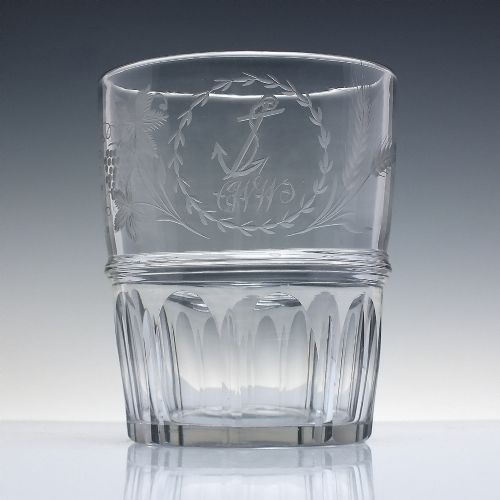
Surface decoration involved wheel-engraving, diamond cutting, and applied colour such as cranberry glass and Bristol blue hues. Engraved motifs often depicted fruiting vines, Masonic symbols, or geometric patterns.
Some nineteenth-century glasses bear the hopeful command 'LAST DROP' etched above fruiting vines.
Factors distinguishing finer specimens
Weight and metal clarity separate standard production pieces from superior lead crystal examples. The presence of deep, crisp wheel-engraving indicates higher skill than simpler surface etching.
Wall thickness and base stability demonstrate the glassblower's control over the molten material. Uniformity in colour saturation, particularly in Bristol blue and cranberry vessels, marks out better works.
Brierley
The Antique Glass Tumbler Glossary
- Lead crystal
- Glass containing a high proportion of lead oxide, increasing weight, refractive index, and clarity. This heavy formulation allows for deep, sharp cutting.
- Rummer
- A large, heavy-stemmed or thick-based drinking glass popular for wine, punch, or rum during the Georgian period. They offer substantial capacity compared to standard wine glasses.
- Pontil mark
- A rough scar on the base left where the pontil rod was snapped off after blowing. Its presence confirms hand-blown manufacture before modern grinding smooths it away.
- Mary Gregory glass
- Victorian glassware decorated with silhouette figures, usually children, painted in white enamel amidst foliage. These pieces often utilise cranberry or green glass grounds.
- Flip glass
- A tall, tapered cylindrical glass vessel lacking handles, used in the eighteenth and nineteenth centuries for serving beer or mixed drinks. They typically feature engraved decoration around the upper rim.
Frequently Asked Questions
How do I date an antique tumbler?
Dating relies upon examining the base for pontil marks, evaluating the weight of the lead crystal, and identifying stylistic cues in the engraving. Georgian pieces often display different proportions compared to Victorian or Edwardian counterparts.
Form variations also assist chronology, as heavy rummers and flip glasses belong predominantly to the eighteenth and early nineteenth centuries, whereas matching sets emerge more frequently by the twentieth century.
Can I use antique tumblers for drinks?
Many collectors use lead crystal and heavy glass tumblers for serving whisky, water, or spirits on special occasions. Hand-washed care prevents thermal shock and preserves the antique surface.
Avoiding dishwashers and harsh abrasives keeps wheel-engraving and coloured glass finishes intact. Storing them securely on flat surfaces protects the vulnerable rims.
What is the difference between lead glass and soda glass?
Lead glass incorporates lead oxide during production, creating a heavier metal with high refractive qualities suitable for deep cutting. Soda glass is lighter and more typical of utilitarian or continental output.
Distinguishing between the two involves feeling the weight and testing the resonance when tapped gently. Lead crystal produces a clear, sustained ring.
Why are some tumblers sold individually?
Many historical drinking vessels suffered breakage over centuries, leaving single survivors or incomplete sets from original groups. Larger rummers and flip glasses were also produced as standalone vessels.
Pairs and complete sets of six appear less frequently, which influences how collectors assemble matching groups over time. Individual pieces still offer usable service and historical interest.