


Cut Glass Rummer
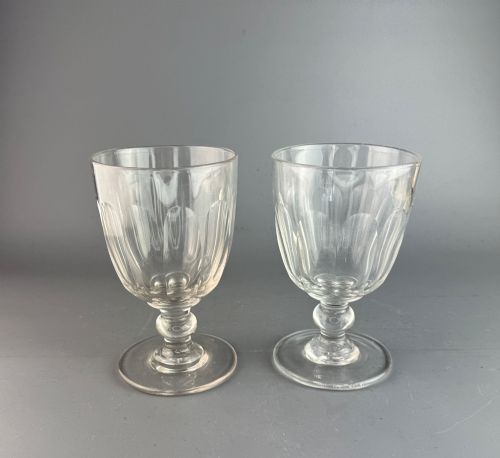
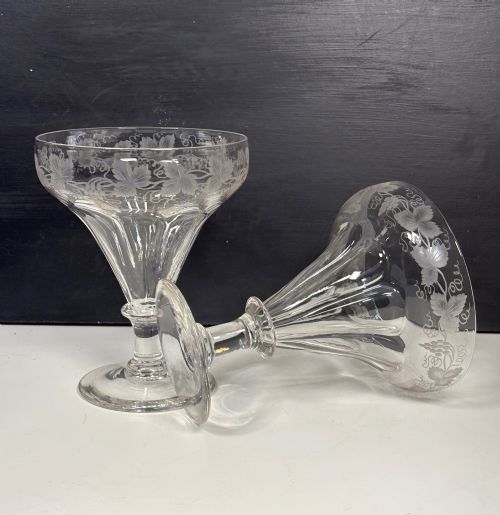
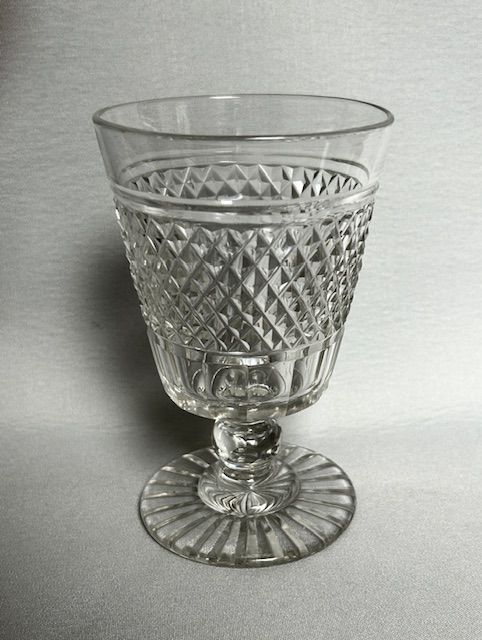
These cut glass rummer pieces are heavy drinking vessels from past centuries, offering a solid feel and bright sparkle that collectors prize.
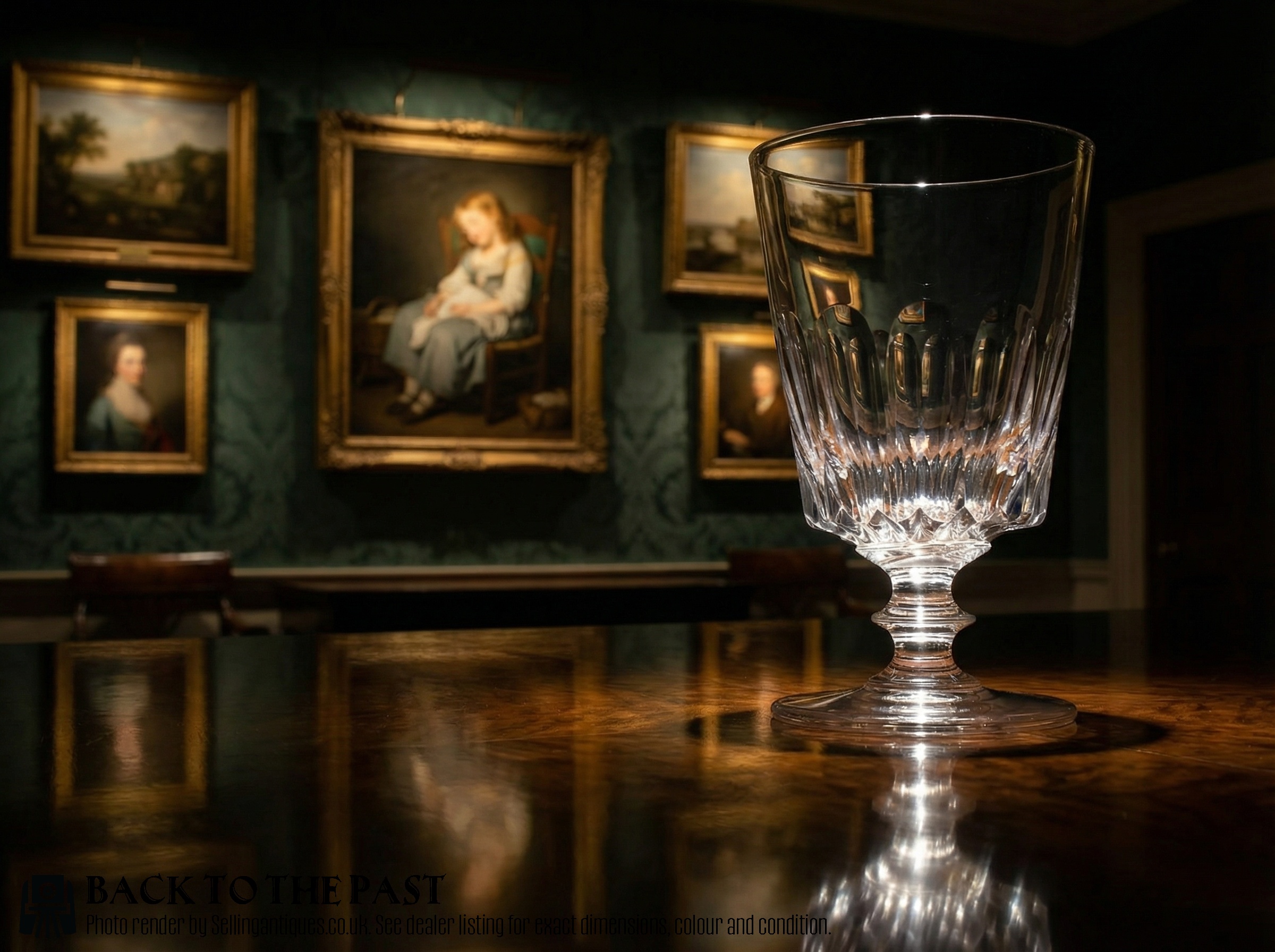
What a cut glass rummer is
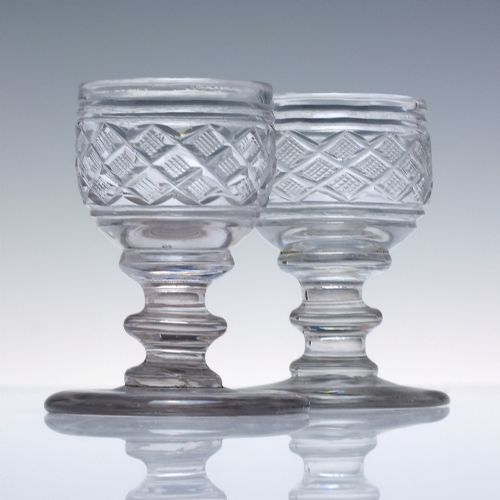
When searching for a cut glass rummer, you are looking at substantial drinking vessels designed for robust toasts and evening gatherings. The versions you meet most frequently on this page date from the Georgian, Regency, and Victorian periods, alongside later Edwardian examples.
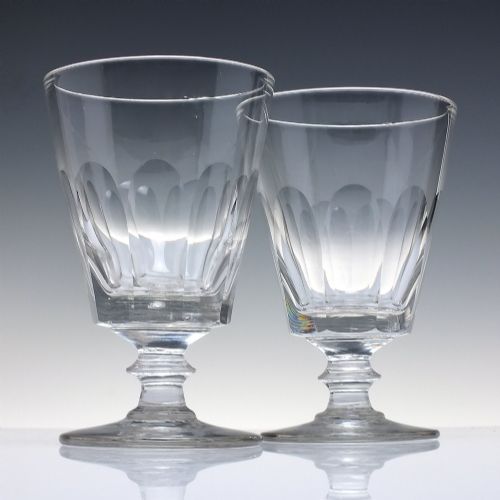
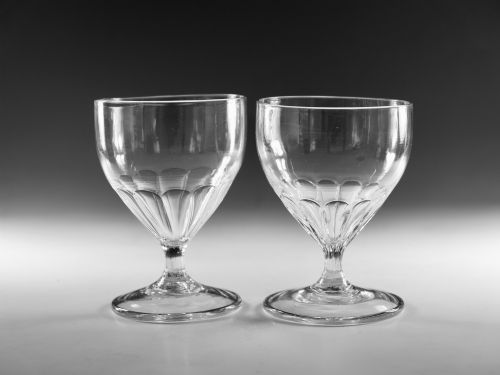
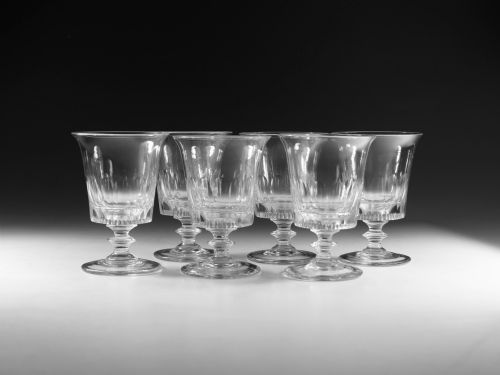
The evidence shows these pieces appear in forms such as large bucket bowls, barrel shapes, and panel cuts set upon pedestal bases. Origins span English and Irish workshops, showing how standard tavern and dining table forms evolved across the nineteenth century.
Many items survive as pairs or larger sets, pointing to their original use for shared hospitality in domestic settings and inns alike.
Assessing quality
Quality rests upon the depth and precision of the cutting, where sharp, clean facets distinguish finer vessels from softer, shallower work. The weight of the lead glass also contributes to how substantial the piece feels in the hand.
Proportion and clarity further separate standard examples from the finest items, particularly when the vessel retains a clean resonance and an unclouded surface.
Several rummers were recorded in green glass, proving that nineteenth-century drinkers enjoyed a dash of colour with their ale.
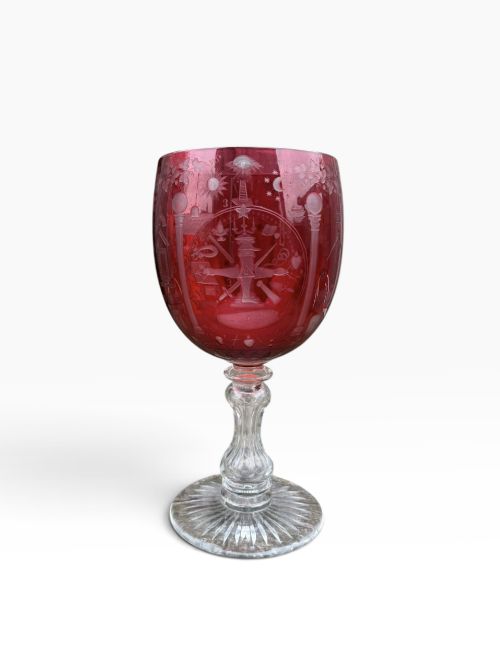
Baccarat
The Cut Glass Rummer Glossary
- Bucket rummer
- A drinking vessel shaped with straight, gently flaring sides resembling a small bucket. This form provides a stable base and a wide rim for drinking.
- Panel cut
- A decorative surface treatment consisting of flat, polished geometric facets. These cuts reflect light around the room and give the glass a heavier grip.
- Lead crystal
- A heavy glass mixture containing lead oxide that increases brilliance and softness for cutting. It accounts for the substantial weight found in these historical drinking vessels.
- Tavern glass
- A sturdy, simple drinking vessel intended for public house use. These pieces often lack complex decoration in favour of utilitarian strength.
Frequently Asked Questions
What is a rummer used for?
A rummer served as a heavy drinking vessel for ale, wine, or punch during eighteenth and nineteenth-century gatherings. Their generous size made them popular for hearty toasts.
Over time, these glasses shifted from everyday tavern items to refined dining table accessories, often sold in matched pairs or larger sets.
How do I tell Georgian from Victorian rummers?
Georgian and Regency examples tend to display wider, shallower bucket bowls with hand-polished pontil marks underneath. Their lead glass often shows a slightly darker, warmer tone.
Victorian and later nineteenth-century pieces frequently feature deeper barrel shapes with sharper, more mechanical facet cutting. Sets also survive more commonly from the Victorian era onward.
Are these glasses safe to use?
While these pieces were made for drinking, modern owners often choose to display them as decorative objects. Lead glass can leach small amounts of lead into acidic liquids if left stored for long periods.
Gentle hand washing in lukewarm water keeps the historic surfaces clean without risking thermal shock or scratching.
Why do some rummers have heavy pedestals?
The pedestal base elevates the heavy bowl, improving the overall balance of the drinking vessel. It also makes the glass easier to lift during toasts.
This form draws on earlier goblet designs, adapted here to suit the thick lead crystal demanded by nineteenth-century drinkers.