





Regency Glass Goblet
A regency glass goblet is a heavy drinking vessel from the early nineteenth century that brings genuine period weight and clarity to the table.
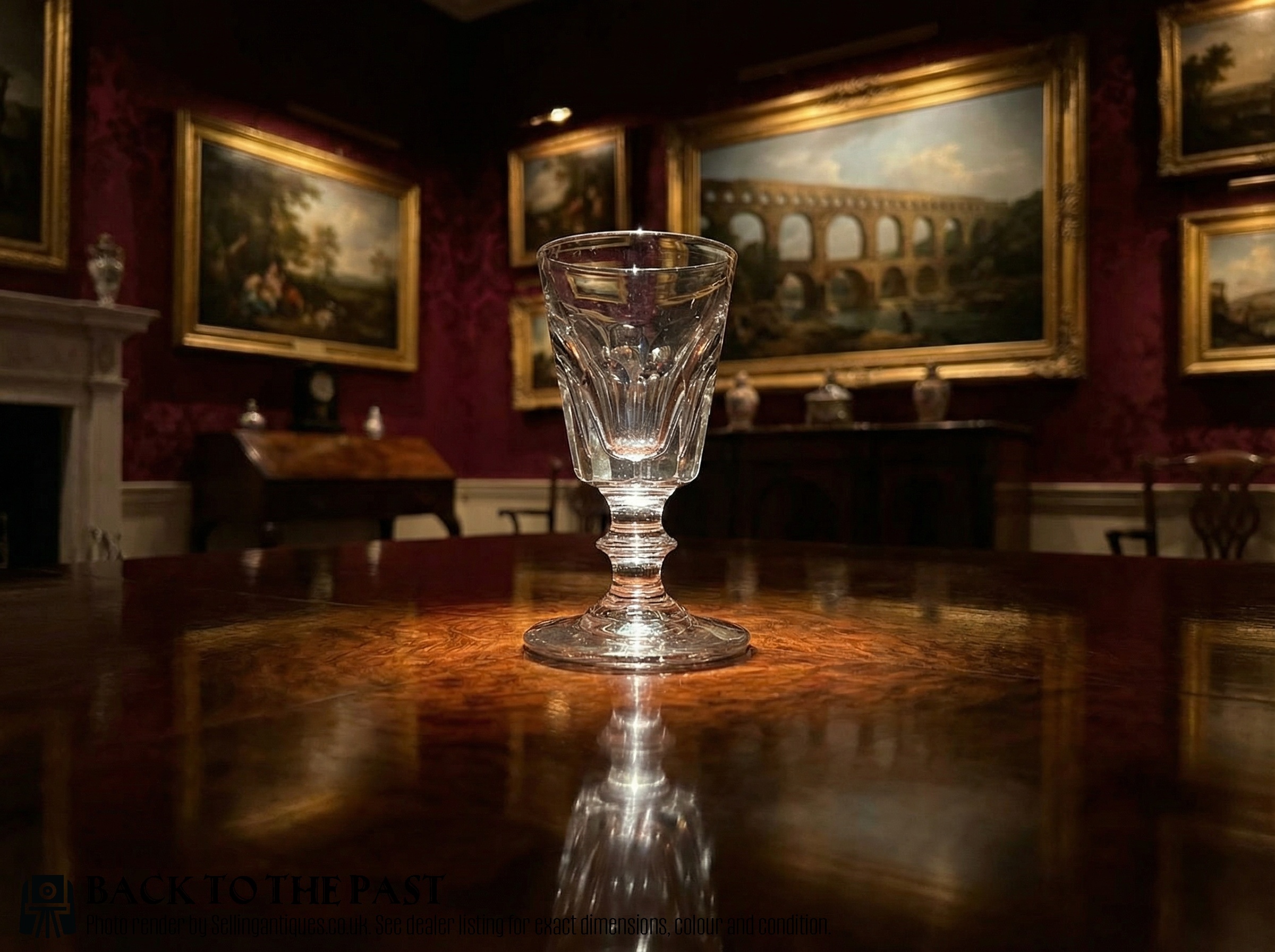
What They Are
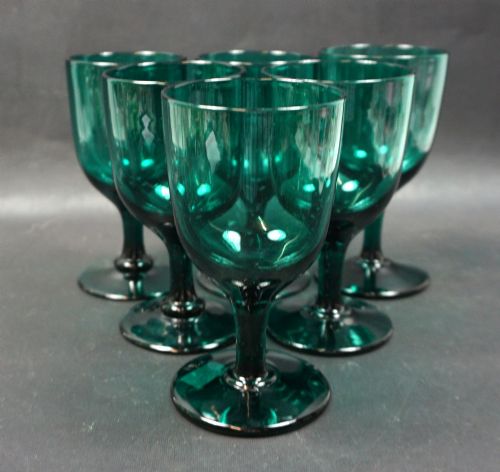
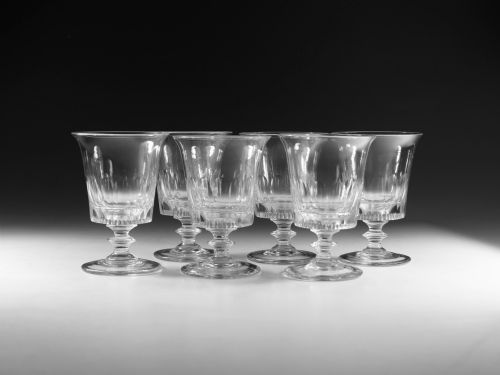
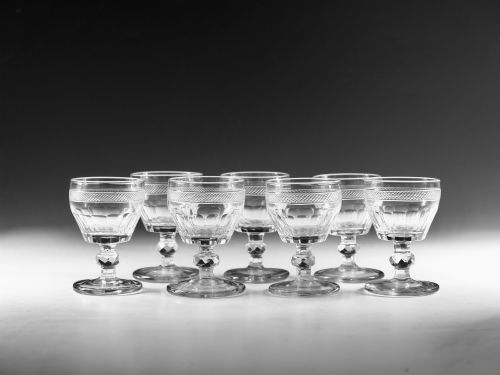
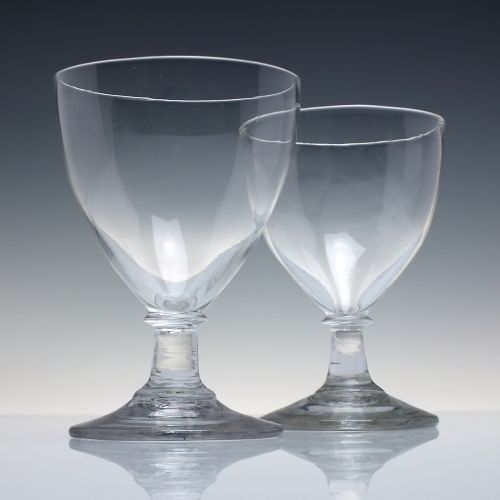
A regency glass goblet encompasses substantial drinking glasses from the Georgian period, typically taking the form of rummers, ale glasses, and toastmaster glasses. These items date from around eighteen hundred to eighteen thirty, reflecting the robust glassware tastes of the era.
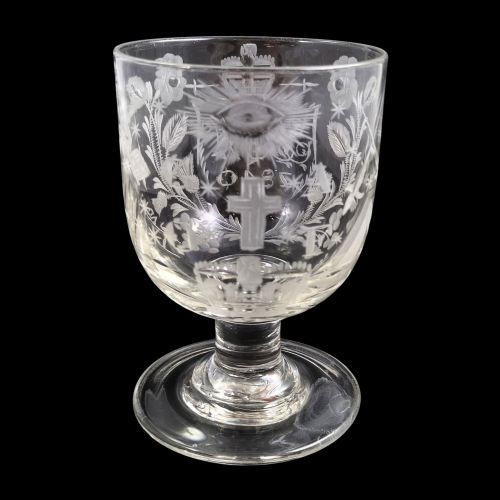
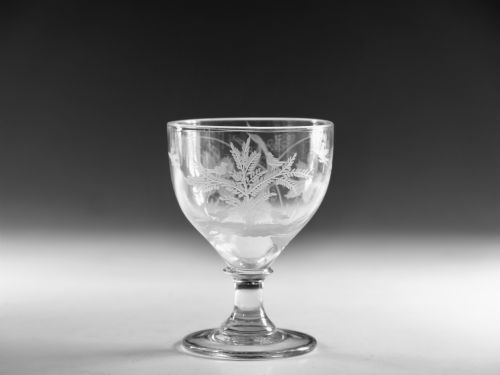
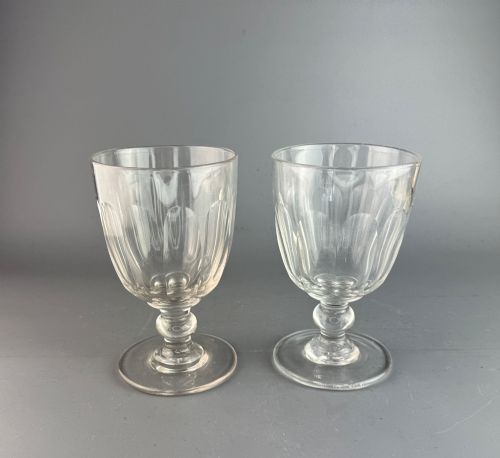
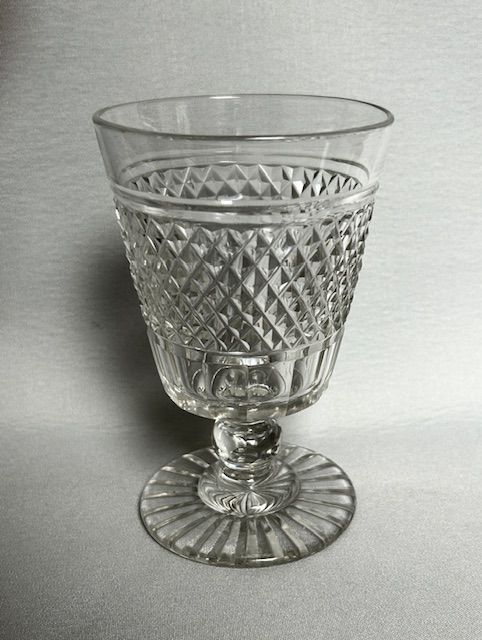
The pieces appearing on this page present clear lead glass and crystal forms, including bucket bowl shapes and lemon squeezer bases. Buyers encounter engraved hops and barley motifs, Masonic emblems, and flute cut details across these drinking glasses.
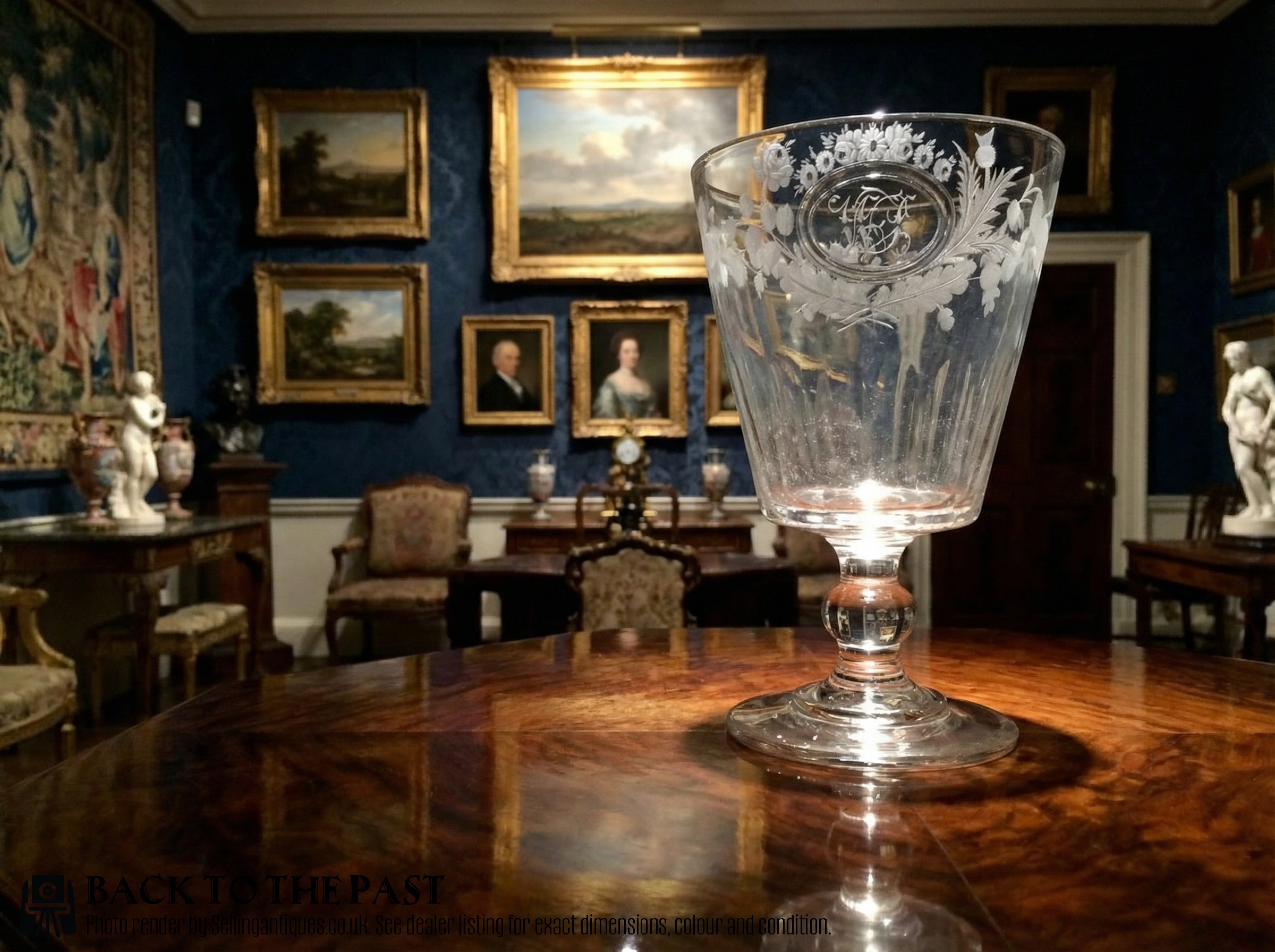
How They Were Made
These vessels utilise lead glass and lead crystal, offering high clarity and a heavy handle suited to daily dining or ceremonial use. Makers shaped the molten material into substantial bowls before attaching sturdy stems and bases.
Craftsmen applied surface decoration through wheel engraving and deep flute cutting, creating tactile patterns such as hops, barley, and geometric panels on the clear glass walls.
What Varies in Quality
Quality rests in the crispness of the wheel engraving and the precision of the facet cutting across the bowl and stem. Superior examples display deep, sharp incisions and excellent metal clarity without excessive clouding.
The stability and formation of the base dictate distinction, especially in pieces with moulded lemon squeezer feet or heavy spreading pedestals that require balanced weight distribution.
The Regency Glass Goblet Glossary
- Rummer
- A large, heavy drinking glass popular in the eighteenth and nineteenth centuries, often used for ale, wine, or punch. These vessels typically feature a short, thick stem and a capacious bowl.
- Lemon squeezer base
- A square, moulded glass foot with indented corners resembling a citrus juicer, common on drinking glasses from the early nineteenth century. This form provided exceptional stability for heavy table rummers.
- Lead crystal
- Glass containing a significant proportion of lead oxide, which increases weight, refractive index, and brilliance. It allows for deeper cutting and sharper engraved details.
- Bucket bowl
- A drinking glass bowl shape with straight, slightly flaring sides that resemble an inverted bucket. This profile supports generous engraved decoration like hops and barley.
Frequently Asked Questions
What is a regency glass goblet used for?
These large vessels served for drinking ale, wine, and punch during hearty meals and gatherings in the early nineteenth century. Their substantial capacity made them practical for robust toasts.
Today, collectors often utilise them for display or continue their traditional purpose at the dining table. Their sturdy build ensures they remain durable drinking vessels.
How do I identify a regency period glass?
Look for heavy lead crystal construction, thick foot rims, and characteristic early nineteenth century cutting styles such as flute cuts and bucket bowls. Pontil marks on the underside indicate traditional hand-blown manufacturing methods.
Decoration often includes specific motifs like hop and barley engravings or Masonic symbols typical of Georgian glassware. The overall weight and greyish clarity of the metal offer further clues to the period.
What does a lemon squeezer base mean?
A lemon squeezer base refers to a square, moulded foot with pressed indents designed to anchor heavy drinking glasses firmly on the table. This innovative foot shape became fashionable during the late Georgian era.
Its presence helps date a rummer or goblet to the early decades of the nineteenth century. The distinctive pressed corners resemble the kitchen utensil of the same name.