





Green Glass Goblet
A green glass goblet brings intense colour and weight to the table, offering a rich drinkware form that catches the light.
What these pieces are
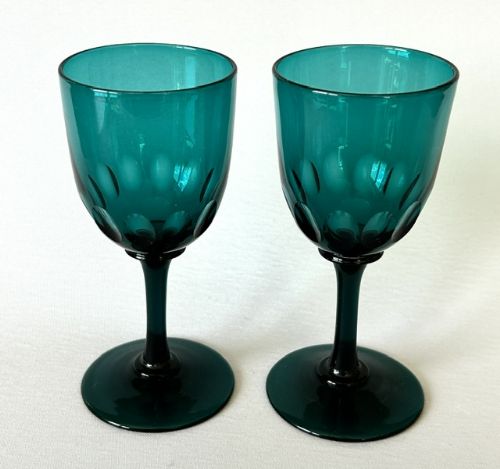
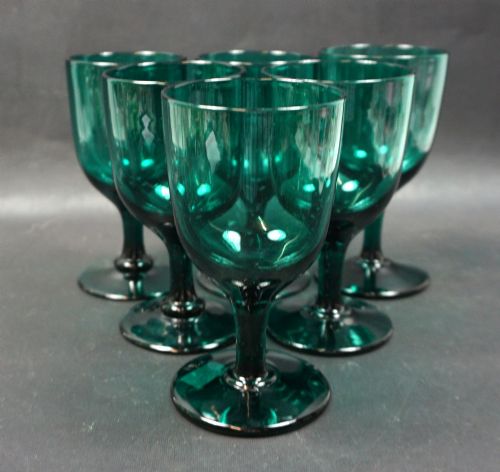
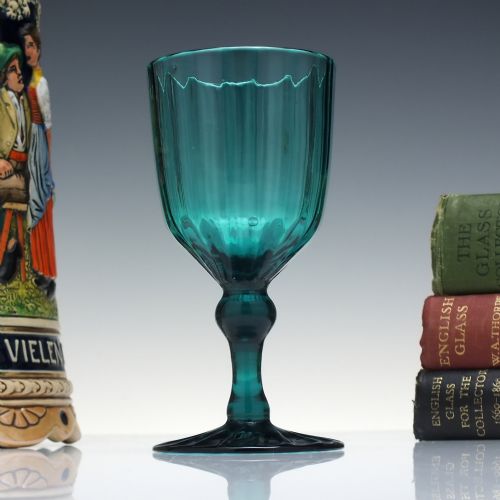
The search for a green glass goblet reveals drinking vessels spanning the Georgian and Victorian eras, alongside later historicist revivals. These objects encompass robust wine glasses, dram glasses, and large roemers intended for communal or formal dining.
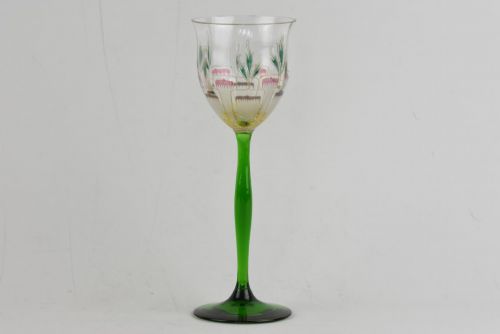
Most examples encountered here originate from the late eighteenth century through to the early twentieth century. Forms range from pale export wares and deep emerald vessels to decorated Jugendstil pieces.
How they were made
Craftsmen shaped these vessels using hand-blown techniques, working molten lead glass and coloured glass into distinct forms. Rib moulding added tactile surface texture to early Georgian examples.
Later nineteenth-century and early twentieth-century pieces incorporate polychrome enamel decoration and armorial details. Makers such as Lobmeyer and Frits Heckert applied delicate enamel work directly onto the blown surface.
Retail Price Guide 2026
Typical UK retail prices for green glass goblet, calculated from the Sellingantiques database of over a million retail prices indexed since 2003. This retail price guide relies exclusively on Sellingantiques data; no external sources or auction records are used, so the figures do not describe the wider market.
Some vessels wear coats of arms in bright enamel, letting you toast like a medieval baron.
What varies in quality
Quality rests in the depth of the metal and the precision of the hand-blown form. Heavier lead crystal exhibits greater brilliance and clarity than standard utility glass.
The artistry of the surface ornament distinguishes standard production from distinguished workshop output. Detailed armorial enamelling and controlled polychrome work require superior skill.
Lobmeyer·Frits Hechert
The Green Glass Goblet Glossary
- Roemer
- A traditional Germanic large-bowled drinking glass with a decorated stem and broad foot. These vessels frequently feature a pale green hue and enamel decoration.
- Lead glass
- A heavy glass composition containing lead oxide that increases refractive index and weight. This material allows for deeper ringing tones and enhanced brilliance.
- Rib moulded
- A glass vessel formed by blowing molten metal into a ribbed pattern-mould. This technique creates parallel ridges along the body of the glass.
- Enamel
- Opaque vitreous material fused to the surface of glass through firing. It provides permanent polychrome decoration and armorial detailing.
Frequently Asked Questions
What is a roemer glass?
A roemer is a historical German drinking vessel characterised by a large spherical bowl resting on a cylindrical stem. These pieces are typically fashioned from green glass and decorated with prunts or enamel.
They developed from Renaissance forms and remained popular through the nineteenth and twentieth centuries for serving white wine.
How do I date an old goblet?
Dating relies on examining the weight, pontil mark, and manufacturing technique of the vessel. Georgian pieces often display different proportions and lighter rib moulding compared to heavier Victorian examples.
Surface decoration such as armorial enamelling also helps assign pieces to specific periods like Jugendstil or the Medieval Revival.
Can I use these for drinking?
These antique vessels are primarily collected as historic works of art and decorative objects. Hand-blown historical glass requires careful handling and washing by hand rather than machine use.
Many collectors prefer to display them in cabinets or on sideboards to protect the delicate enamel work and fragile rims.
What is Bristol green glass?
Bristol green refers to a deep, distinctive shade of dark green glass produced in English factories during the eighteenth and nineteenth centuries. It was commonly utilised for wine glasses, dram glasses, and finger bowls.
The rich colour comes from mineral oxides added during the melting process in the glasshouse.