


Antique Glass Roemer
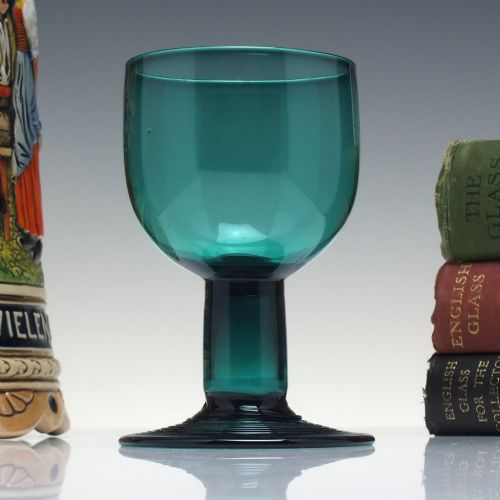
An antique glass roemer brings traditional European charm to the table with deep forest green hues and distinctive ribbed stems.
Antique Glass Roemer
An antique glass roemer is a traditional Germanic wine goblet defined by a generous bowl set upon a cylindrical stem and a conical foot. When you search for antique glass roemer, you encounter pieces that span from the Georgian and Victorian eras through to the early twentieth century.
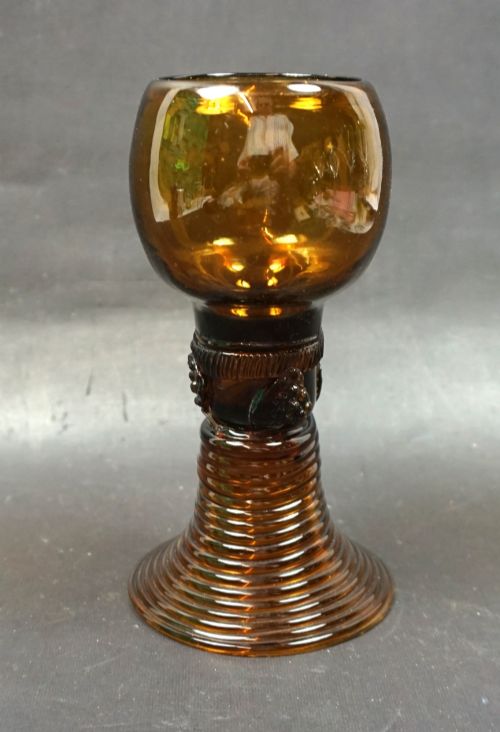
The green glass roemer remains the most common form on this page, often featuring the classic hollow stem wrapped with applied glass threads or prunts. Alongside these traditional forest green examples, the listings include amber, ruby red, amethyst, and turquoise colorways originating from Britain, Germany, Bohemia, and France.
How they were made
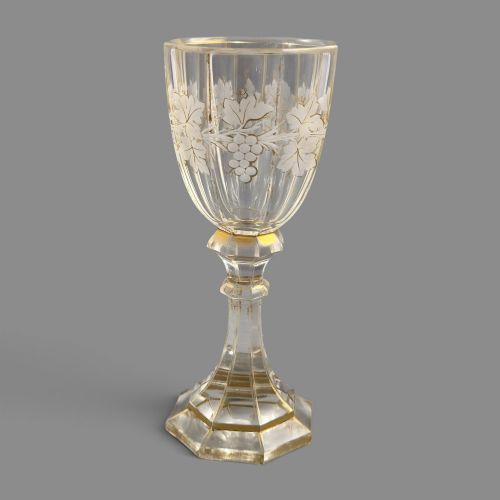
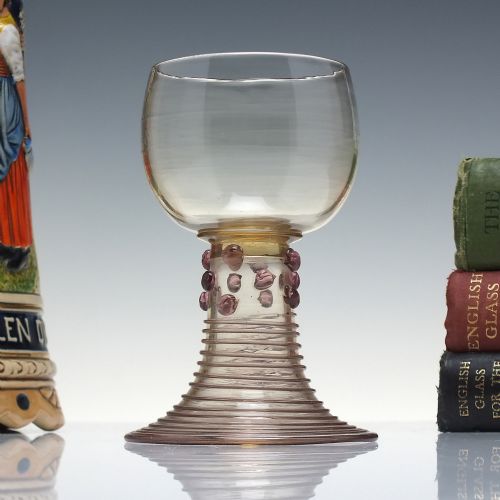
Makers shaped these vessels using free-blown and hand-blown glass techniques, forming the signature hollow stem and applying molten glass threads or coils around the base for grip. Craftsmen also utilised mould-blowing and wheel-cutting to create facets on the bowls of later Victorian and Biedermeier pieces.
Decoration often involved polychrome enamel painting, heraldic motifs, and intricate gilding applied to the surface of the glass. Workshops utilised engraved crystal and cut crystal methods to add texture and detail to the upper bowls of nineteenth-century exhibition pieces.
Victorian diners relied on the knobby glass coils wrapped around these stems to prevent expensive wine from ending up on their laps during lively toasts.
What varies in quality
Quality rests upon the crispness of the hand-applied trailing on the stem and the clarity of the blown metal. Pieces with cleanly formed hollow stems and well-balanced proportions demonstrate superior craftsmanship compared to heavy, thick-walled alternatives.
The intricacy and preservation of enamel work and gilding elevate certain goblets above standard domestic drinkware. Well-executed wheel engraving and the presence of documented historical decoration set atelier pieces apart from basic production glass.
Moser·Lobmeyer·Frits Hechert·Theresienthal
The Antique Glass Roemer Glossary
- Roemer
- A traditional continental European wine goblet featuring a large round bowl, a cylindrical stem, and a wide conical foot. It is typically rendered in green glass.
- Prunt
- An applied lump or blob of molten glass melted onto the stem of a goblet to provide a secure grip for the hand. They frequently appear as raspberry-shaped blobs on older German forms.
- Hollow stem
- A tubular central shaft that opens directly into the foot of the glass, characteristic of traditional eighteenth and nineteenth-century examples. This construction reduced the weight of heavy glass vessels.
- Historismus
- A nineteenth-century artistic movement reviving historical styles, particularly German Renaissance and Baroque forms. Pieces in this style often display enamelled heraldic designs.
- Biedermeier
- A Central European style dating to the first half of the nineteenth century that prioritised utility and clean lines. glassware from this period often exhibits restrained cutting and amber or green tones.
Antique Glass Roemer: Frequently Asked Questions
What is a roemer used for?
A roemer served traditionally as a celebratory wine glass across Northern Europe and Germany. The large bowl accommodated generous pours of hock, Rhine wine, or white wine during formal dinners.
The wide conical foot and textured stem provided a secure hold for hands that had dined on heavy meals. Today, collectors utilise them primarily as decorative display items or occasional table glassware.
Why are most roemers green?
Early glasshouses could not easily remove natural iron impurities from local sand and materials, which resulted in a characteristic forest green tint. This coloration became the defining aesthetic of Germanic wine vessels.
Even after purification techniques improved during the nineteenth century, makers deliberately added colorants to maintain the traditional appearance that buyers expected from a roemer.
How do I date an old roemer?
Dating relies on examining the pontil mark on the base, the weight of the metal, and the style of stem construction. Eighteenth-century pieces typically feature thin, blown walls and rough snapped pontils, while Victorian examples often show smoother finishes and heavier cut facets.
Enamel decoration and applied threading styles also provide strong chronological clues. Pieces decorated with heraldic motifs frequently point to the late nineteenth-century Historismus revival.
Are these glasses safe for wine?
Most antique glass roemers remain structurally sound enough to hold liquids for special toasts. However, hand-washing in warm water is essential to protect delicate enamel work and historic gilding.
Harsh detergents and automatic dishwashers should be avoided entirely. Enamelled and gilded surfaces can degrade quickly if exposed to high heat and aggressive cleaning agents.