



Antique Forest Glass
Antique forest glass brings together verdant European vessels and intricately carved wooden frames that capture the spirit of the woodlands.
Antique Forest Glass
When you search for antique forest glass, you encounter two distinct traditions that often share a collector's interest: historical green glassware and heavily carved wooden objects bearing the name Black Forest. The glassware spans Georgian export pieces and Bohemian vessels, while the wooden works include barometers, mirrors, and animal carvings.
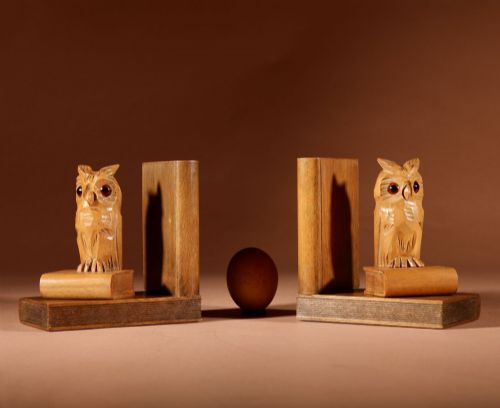
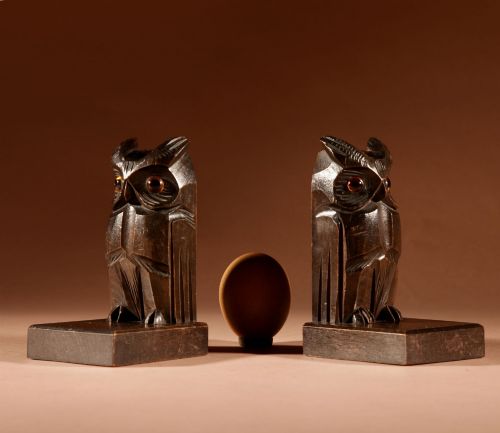
The nineteenth century dominates the selections, ranging from Georgian specimens through Victorian and Edwardian interpretations up to early twentieth-century pieces. Common functional forms include inkstands, bookends, wall mirrors, and table centrepieces alongside drinking vessels.
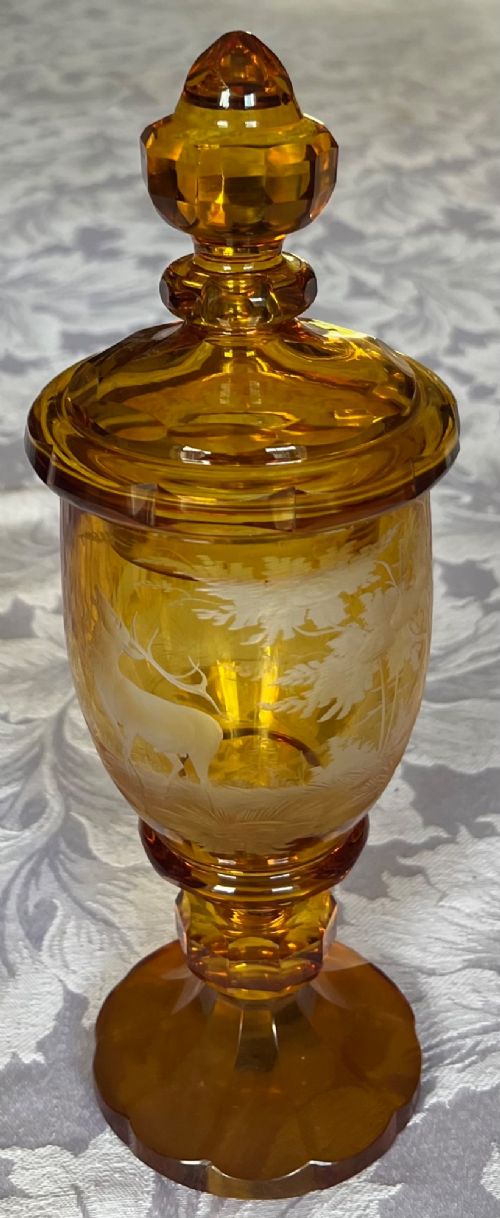
Wooden items frequently incorporate carved figures of bears, owls, dogs, and monkeys, sometimes paired with crystal inserts or ceramic dials. Glassware relies on pale or deep green tones, hollow stems, and cameo techniques.
Materials and methods of construction
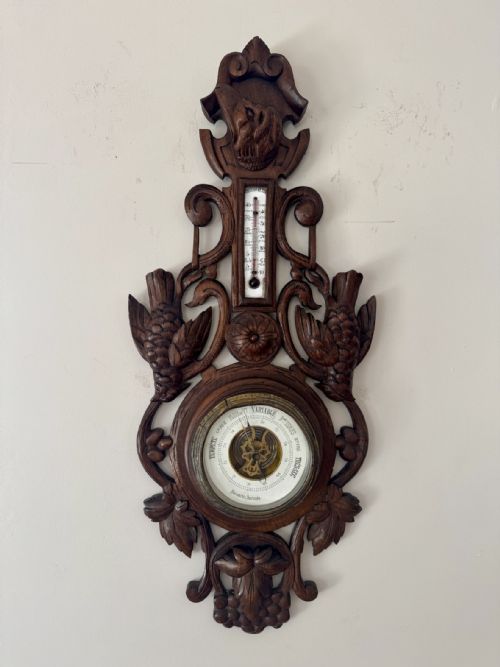
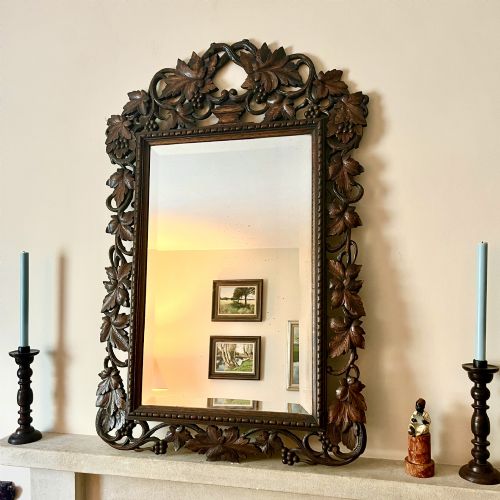
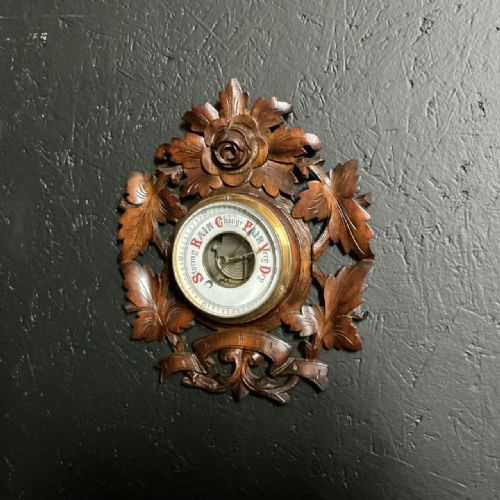
Makers utilised natural materials including walnut, linden wood, and carved oak to construct the elaborate frames, boxes, and figures associated with the Black Forest style. Sculptors worked the timber by hand to achieve deep relief and expressive animal forms.
Glassware production involved blowing green glass into traditional roemer shapes with hollow stems, as well as applying cameo carving techniques to create layered coloured vessels. Crystal elements, brass fittings, and ceramic barometer dials completed the composite pieces.
Listings combine nineteenth-century carved wood objects with Georgian and Bohemian green glassware.
Distinctions in standard and execution
The refinement of the carving dictates the distinction between standard and superior wooden pieces, where lively anatomical details and deep undercut foliage separate master craftsmanship from basic production. Glass quality rests on the clarity of the green tint, the integrity of the hollow stem, and the precision of any cameo work.
Condition and originality play a defining role, particularly regarding the preservation of original glass eyes in figural carvings and the retention of matching crystal inserts within epergnes and centrepieces.
Baccarat·Galle
The Antique Forest Glass Glossary
- Roemer
- A traditional Germanic drinking glass featuring a large bowl set upon a wide, hollow stem decorated with applied prunts. These vessels typically display a natural green hue derived from impurities in the historical batch.
- Black Forest
- A designation for heavily carved wooden furnishings and decorative objects originating from Central Europe during the nineteenth and early twentieth centuries. The style is recognised by naturalistic depictions of local fauna and foliage.
- Epergne
- A large table centrepiece designed with multiple branching dishes or holders for fruit, flowers, or sweets. In this context, they frequently combine carved wooden stands with moulded crystal bowls.
- Aneroid barometer
- A portable meteorological instrument that measures atmospheric pressure without using liquid mercury. These mechanisms are housed inside decorative carved wooden frames.
- Cameo glass
- An art glass technique produced by etching or carving through fused layers of contrasting colours to create raised designs. This method appears on specialised vases from the period.
Antique Forest Glass: Frequently Asked Questions
What is forest glass?
Forest glass refers to historical European vessels blown from tinted green potash glass. The colour originates from the raw wood ashes used in early melting furnaces.
These pieces range from Georgian export wine glasses to nineteenth-century Bohemian roemers.
How do I identify Black Forest carvings?
Black Forest carvings are identified by their deep, naturalistic wooden work depicting bears, owls, dogs, and woodland foliage. Walnut and linden wood are typical materials.
Many of these pieces function as inkstands, bookends, mirrors, or barometers from the nineteenth century.
How were epergnes used?
Epergnes served as elaborate dining table centrepieces designed to hold fruit or floral arrangements during formal meals. They combined decorative stands with removable glass or crystal dishes.
Examples often pair carved wooden frames with crystal inserts.