



Vintage Green Glass
Vintage green glass brings intense colour and weight to a room, ranging from deep botanical tones to bright uranium highlights.
Vintage Green Glass
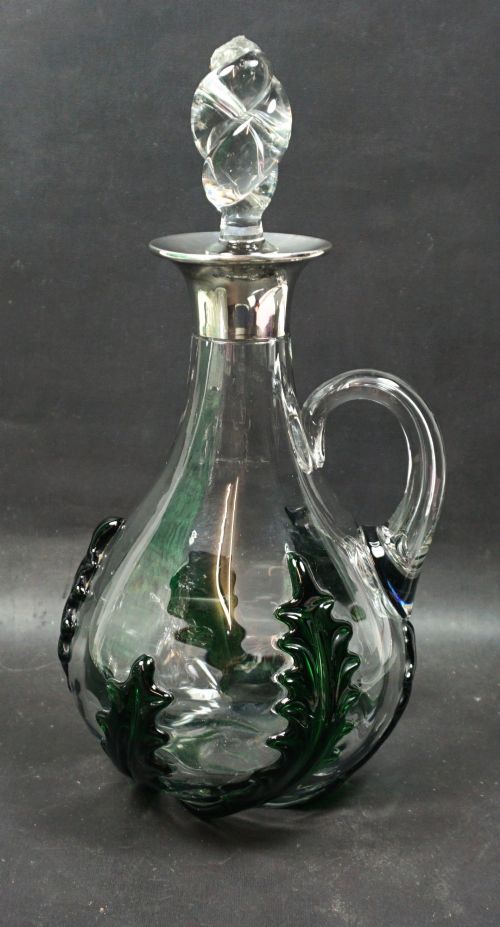
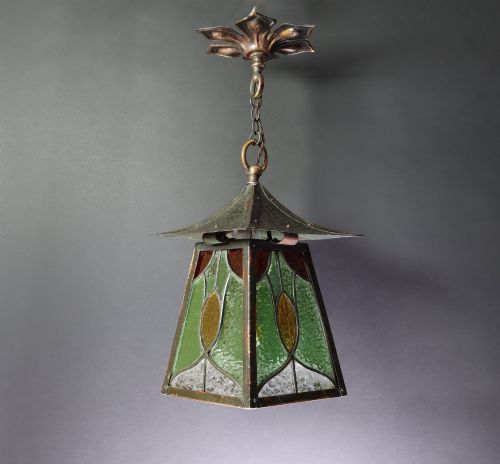
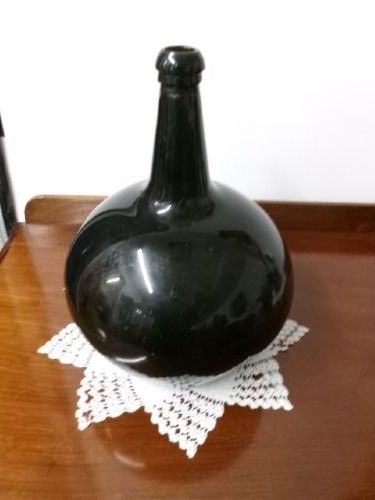
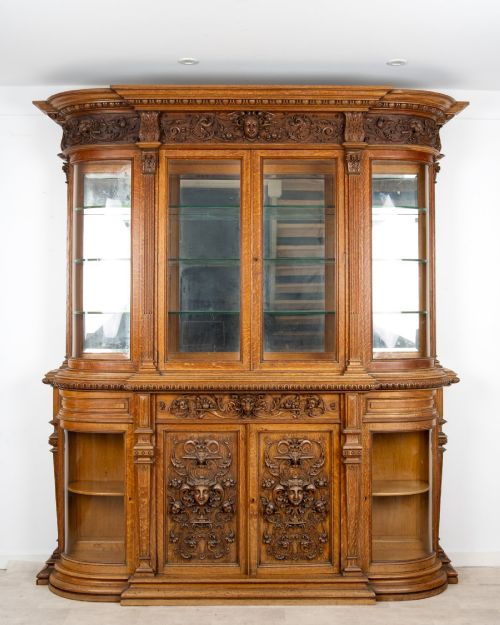
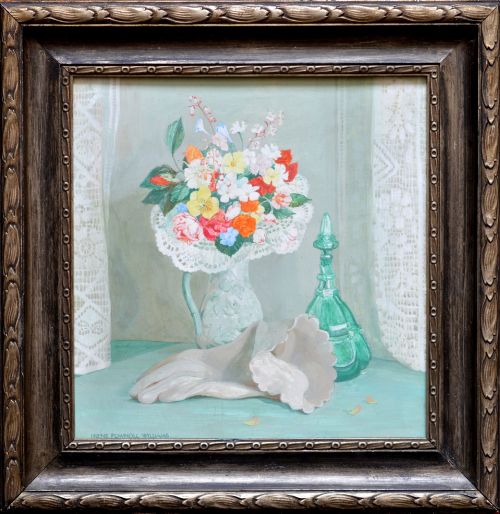
When searching for vintage green glass, buyers encounter a diverse selection of decorative and functional objects spanning from the late eighteenth century through the mid-twentieth century. The material manifests primarily in domestic tableware, lighting components, and cabinet pieces produced across Britain and continental Europe.
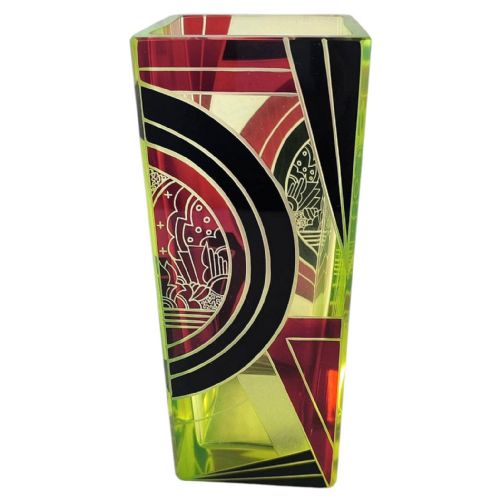
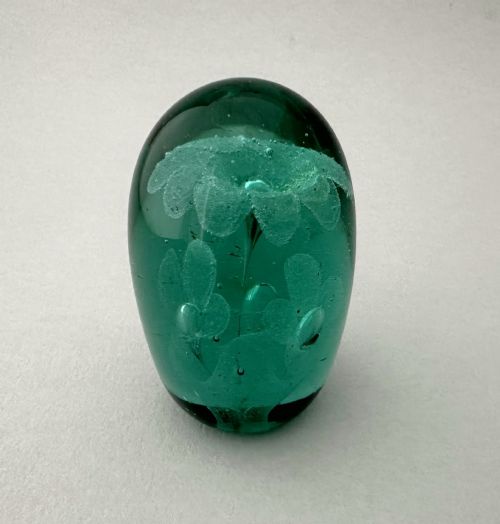
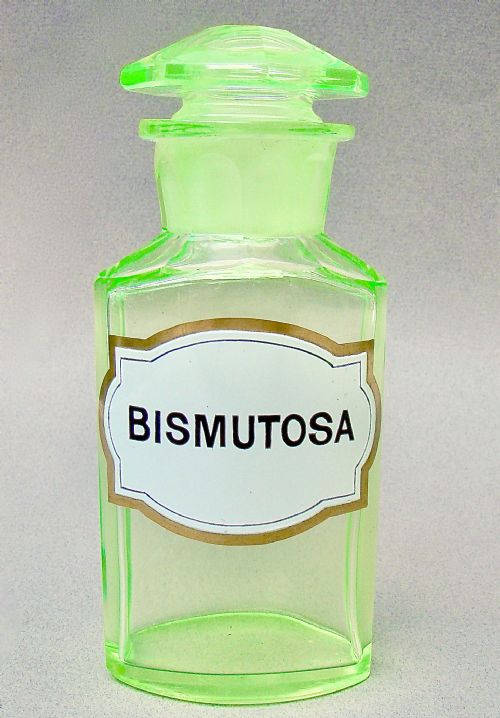
Tableware forms dominate the available selection, featuring sets of wine glasses, finger bowls, and decanters shaped in styles from Georgian simplicity to Victorian elaboration. Alongside these utilitarian vessels sit heavier decorative items, including apothecary jars, table lustres, and art glass vases from notable European houses.
The objects cross multiple historical periods, uniting nineteenth-century craftsmanship with twentieth-century modernist design. Whether sourced from English glasshouses or French workshops, each piece displays the distinctive hues achieved through historical tinting methods.
How they were made
The manufacture of these objects relies on traditional glassblowing and mould-pressing techniques executed with metal oxides added to the molten batch to secure the signature green colouration. Artisans shaped the hot material by hand or pressed it into metal moulds to create patterned surfaces, followed by slow cooling in a lehr to relieve internal stresses.
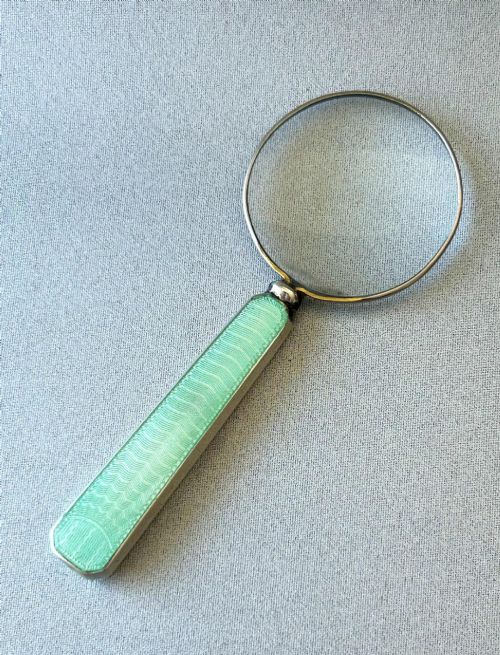
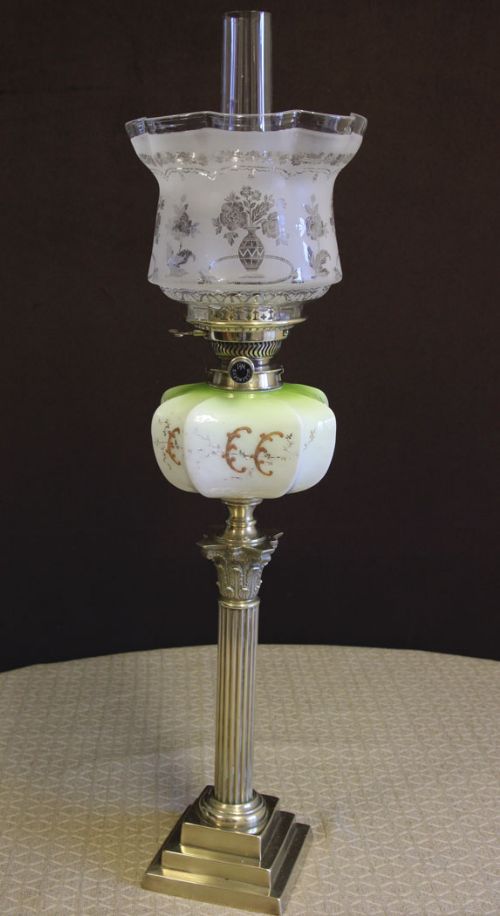
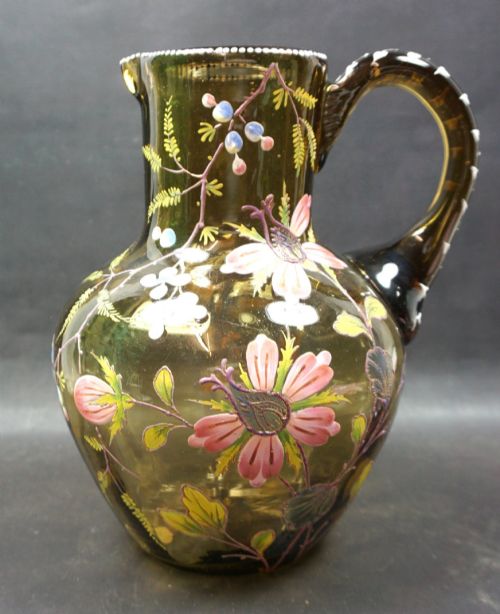
Many high-end decorative pieces incorporate additional surface treatments such as acid etching, cameo carving, or hand-painted enamel decoration fired onto the glass body. Mounts of sterling silver, brass, or gilt metal frequently complement the glass components, secured with collars or applied directly during assembly.
Vintage Green Glass Retail Price Guide 2026
Typical asking prices for vintage green glass among the pieces listed under this phrase on Sellingantiques today, from the lower quarter to the upper quarter. They describe what is for sale here now, not the wider market.
Listings feature green glass items spanning the late eighteenth century to the mid-twentieth century, incorporating materials like brass, sterling silver, and enamel.
What varies in quality
Quality in these items rests upon the clarity of the material and the precision of the forming process, where heavier weight and absence of interior bubbles indicate superior glasshouse output. Pieces that retain crisp mould seams or finely hand-cut facets demonstrate greater artisanal skill than mass-produced utilitarian equivalents.
The integration of secondary materials dictates the overall standard of the finished object, distinguishing simple domestic items from luxury commissions fitted with sterling silver overlays or delicate enamel work. Preservation of the original surface finish, whether polished crystal or matte cameo layers, elevates the standing of any piece.
Whitefriars·Rene Lalique·Daum Frères·Johann Loetz·Theresienthal·Baccarat·Gorham·Hinks
The Vintage Green Glass Glossary
- Uranium glass
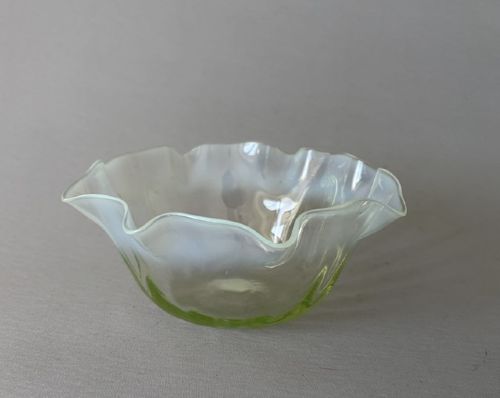
- Glass coloured with small quantities of uranium oxide, resulting in a vivid yellow-green hue that fluoresces brightly under ultraviolet light. This material enjoyed widespread popularity during the Victorian and Art Deco periods.
- Vaseline glass
- A specific semi-opaque subset of uranium glass named for its yellowish-green colour resembling petroleum jelly. It was utilised extensively for decorative tableware and small vessels.
- Cameo glass
- An art glass technique involving multiple layers of coloured glass fused together, then carved or acid-etched away to create a raised design in contrast to the background. Daum Frères and other early twentieth-century makers perfected this method.
- Table lustre
- A decorative Victorian glass candlestick or mantel ornament hung with lead glass prisms designed to catch and reflect light. They often feature hand-painted floral motifs over a green ground.
- Hock glass
- A tall-stemmed wine glass traditionally used for German white wine, frequently produced with coloured bowls and clear or twisted stems during the nineteenth and early twentieth centuries.
Vintage Green Glass: Frequently Asked Questions
How do I identify uranium glass?
Uranium glass exhibits a distinct yellowish-green hue under natural light and produces a bright neon green glow when exposed to a ultraviolet blacklight. The colour results from uranium oxide added to the molten batch during manufacturing.
Most pieces date from the nineteenth century up to the mid-twentieth century, appearing in forms ranging from small finger bowls to decorative vases and oil lamp shades.
Were these green glasses used daily?
Many of the wine glasses and decanters served functional roles on dining tables during the Georgian and Victorian eras, while others remained purely ornamental display items. Table lustres and epergnes sat on mantelpieces and sideboards as decorative centrepieces.
The durability of lead glass and heavy soda-lime glass allowed daily utility, though finer enamelled or gilt pieces were reserved for formal occasions.
How should I clean antique green glass?
Wash vintage glass gently by hand using warm water and a mild detergent, avoiding harsh abrasives that can scratch the surface or damage applied enamel and gold leaf. Dry the pieces promptly with a soft linen cloth to prevent water spots.
Items with metal mounts, sterling silver overlays, or delicate painted details require particular care to keep moisture away from vulnerable joints and adhesives.
What is the difference between Bristol green and other shades?
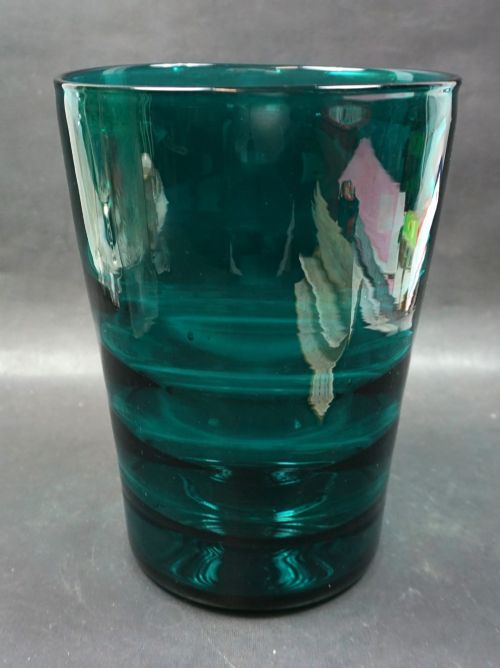
Bristol green refers to a deep, rich botanical green colour historically associated with glass production in the English port city during the late eighteenth and nineteenth centuries. Other regions produced lighter aqua shades, yellowish vaseline tones, or deep emerald hues.
The specific shade depends on the precise mineral oxides added to the melt and the traditions of the particular glasshouse.