




Knopped Stem Glass
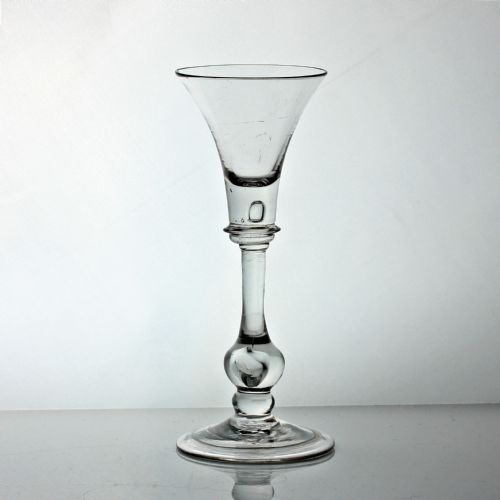
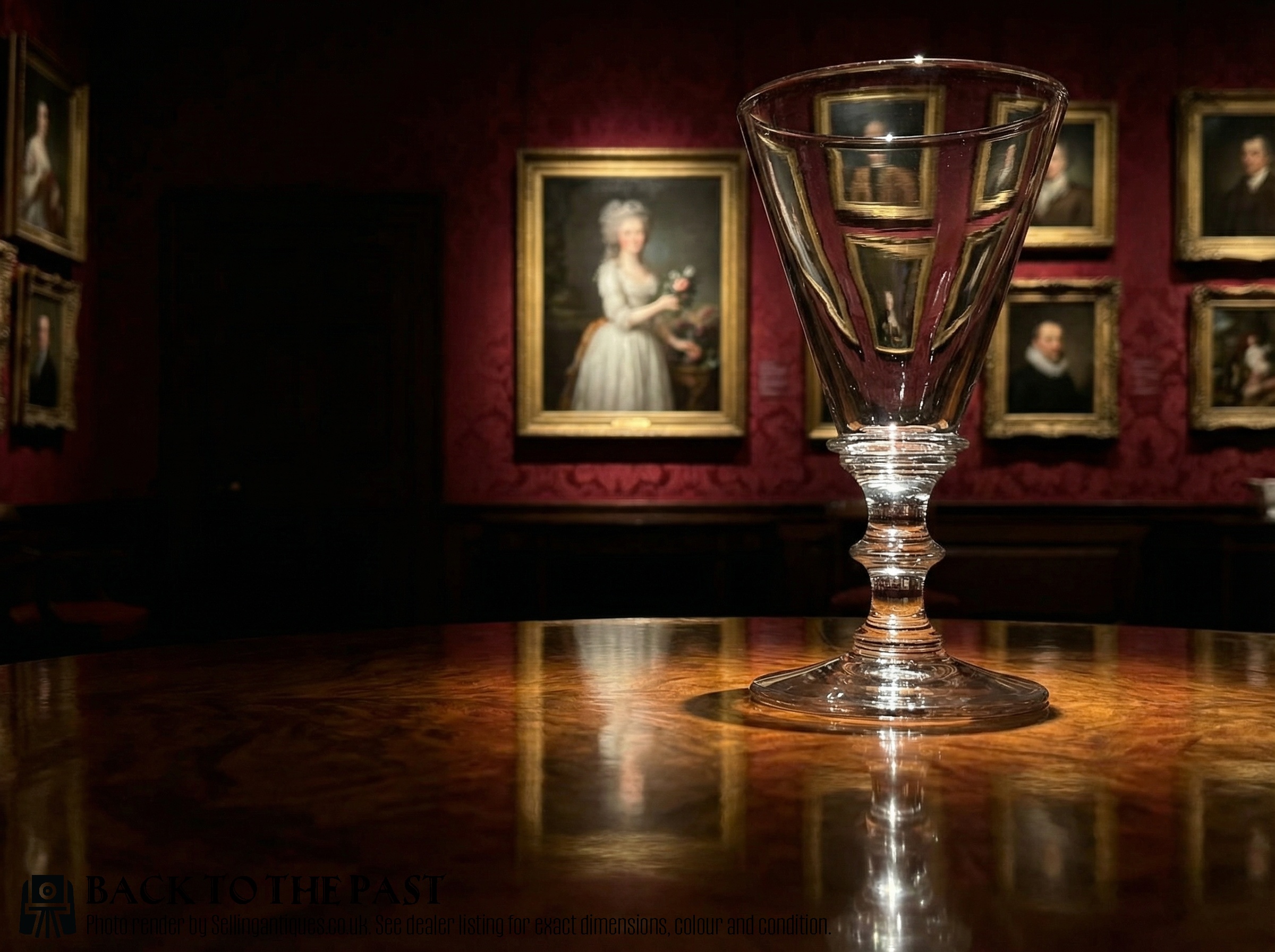
A knopped stem glass holds centuries of drinking history, bringing tactile weight and sculptural form to the table.
Knopped Stem Glass
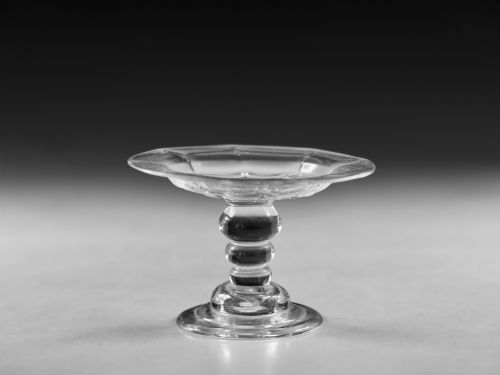
When you search for a knopped stem glass, you are looking at drinking vessels featuring prominent nodes or bulges formed along the stem. These additions alter the silhouette and provide a secure grip for the hand.
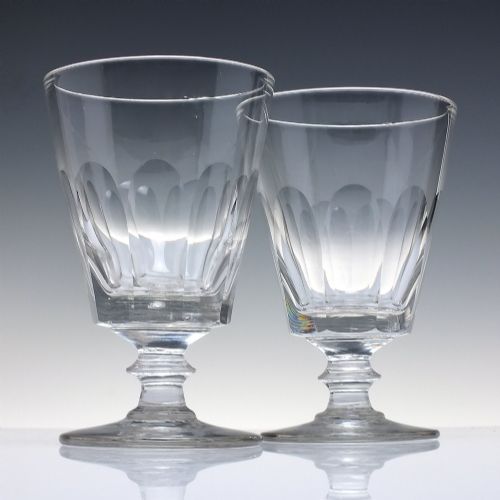
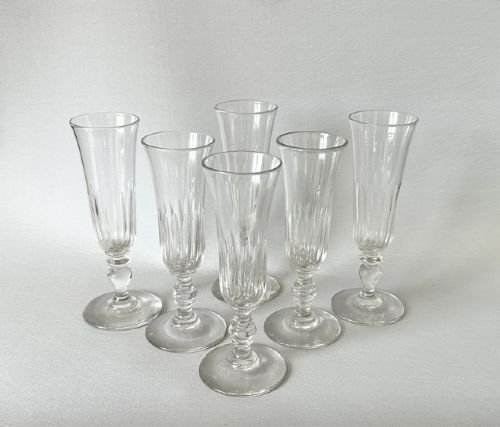
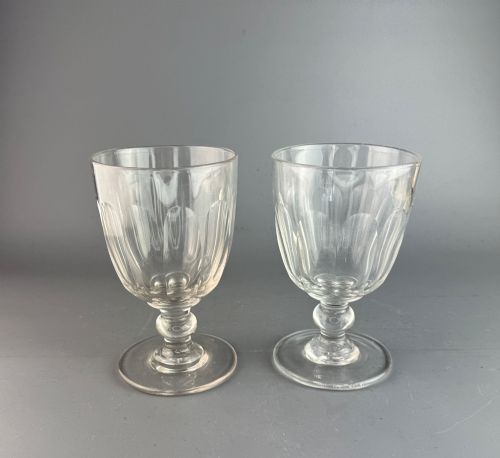
The pieces on this page span from early eighteenth-century Georgian balusters to Victorian and Edwardian coloured services. You will frequently meet wine glasses, rummers and champagne flutes carrying these distinctive stem formations.
Originating primarily from English and Continental glasshouses, these items reflect changing domestic habits across the decades. The forms range from plain clear lead crystal to richly moulded and engraved display pieces.
How they were made
These items rely on lead glass and lead crystal, shaped while molten by skilled blowers and workers. Flint glass and standard clear glass also appear frequently across the period ranges.
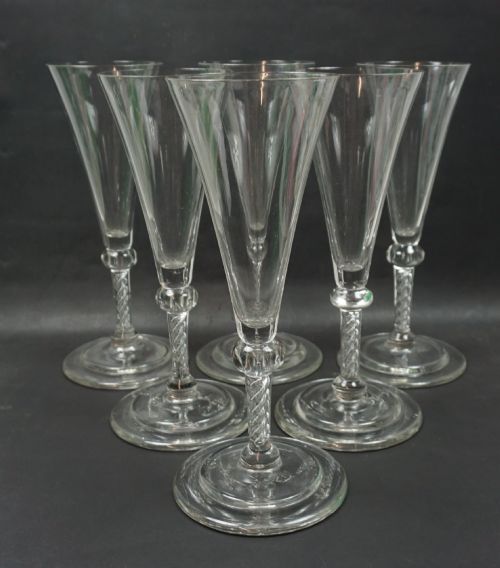
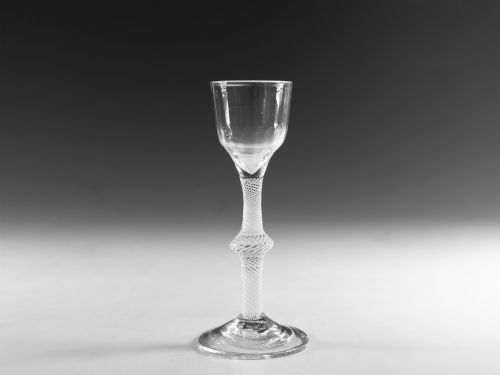
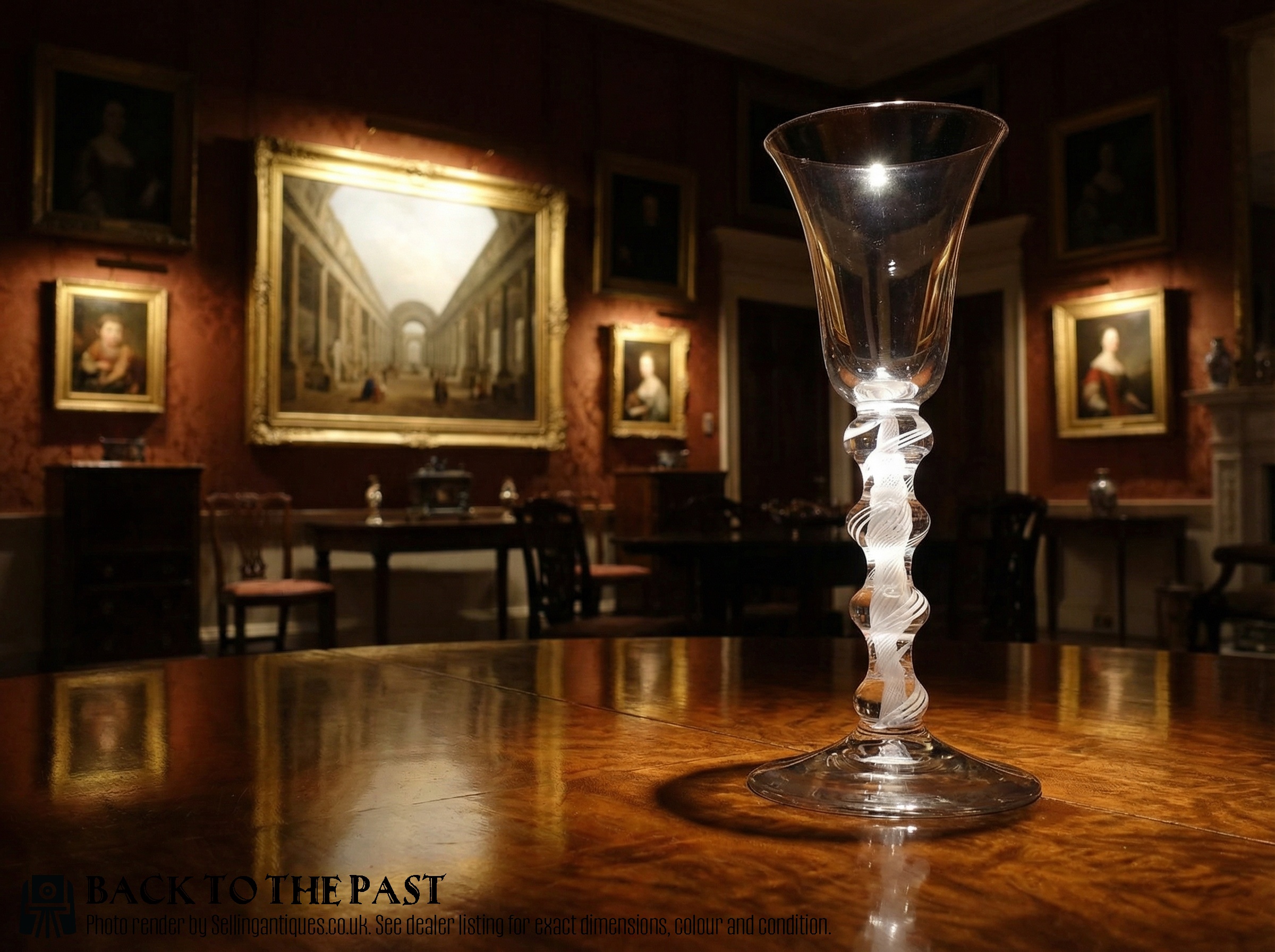
Moulding, cutting and engraving techniques create surface detail and internal patterns. Makers incorporate air twists, opaque twists and applied enamel details directly into the fabric of the stem and bowl.
Knopped Stem Glass Retail Price Guide 2026
Typical asking prices for knopped stem glass among the pieces listed under this phrase on Sellingantiques today, from the lower quarter to the upper quarter. They describe what is for sale here now, not the wider market.
Some eighteenth-century glasses hide secret bubbles inside their stems just to catch the light.
What varies in quality
Quality rests in the proportional balance between the bowl, the knopped stem and the foot. Superior examples display crisp definition in the mould work and careful distribution of the metal without heavy distortion.
The complexity of the stem formation also separates standard production from finer work. Multiple knops, air teares and intricate twist threads require advanced skill from the glassblower.
The Knopped Stem Glass Glossary
- Knop
- A knob or protuberance formed on the stem of a glass. It provides both decorative punctuation and a functional grip.
- Baluster
- A heavy, swelling stem form popular in early eighteenth-century English drinking vessels. It borrows its contour from architectural supports.
- Air twist
- A spiral thread of air enclosed within the glass stem. Makers achieve this by drawing out bubbles trapped inside the molten metal.
- Opaque twist
- A white or coloured enamel thread twisted inside the clear stem. It forms intricate lace-like patterns visible through the glass.
- Rummer
- A large, sturdy drinking glass common in the Georgian and Victorian eras. These vessels often sit on short knopped stems and serve ale or wine.
- Pontil mark
- A rough scar left on the base of a vessel where the holding rod was snapped away. Its presence confirms traditional handmade manufacture.
Knopped Stem Glass: Frequently Asked Questions
How do I date a knopped stem glass?
Dating relies on observing the silhouette of the bowl, the formation of the foot and the style of the knop itself. Early eighteenth-century examples often show heavy baluster profiles, while Victorian pieces lean towards coloured metal and cut decoration.
Foot form and pontil marks provide further clues. Folded feet and rough pontil scars point firmly to earlier periods, whereas ground bases typically indicate nineteenth-century production.
Were these glasses used for everyday drinking?
Many of these vessels served practical roles at the dining table for wine, beer and cordials. Sturdier forms like rummers handled robust daily use during the Georgian and Victorian periods.
Finer examples with complex air twists or delicate engraving likely served on special occasions. Their survival in matched sets points to careful preservation by past owners.
What is an air-teared stem?
An air-teared stem contains intentional elongated bubbles trapped within the solid glass. Glassmakers manipulate these bubbles during the pulling process to catch the light.
This technique bridges simple baluster styles and the later development of the sophisticated air twist. It adds subtle visual depth to an otherwise plain stem.