
Clear Glass Stemware
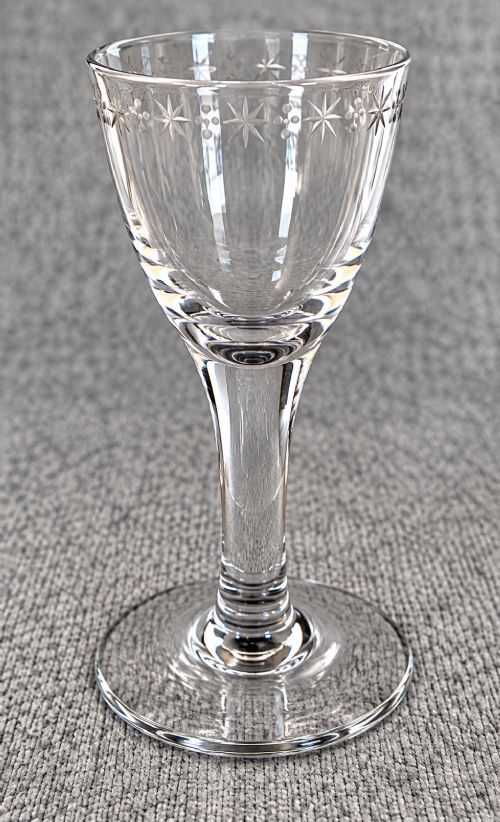
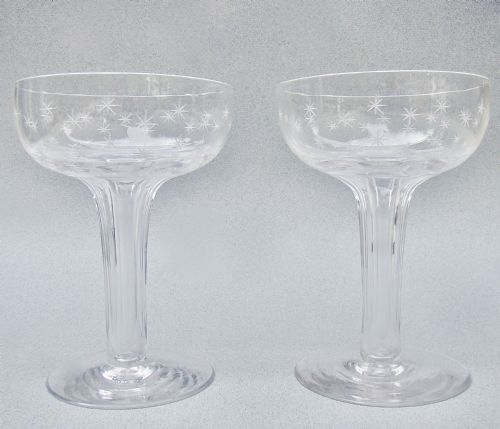
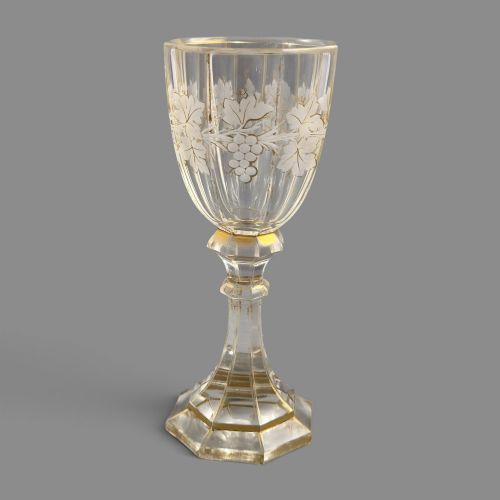
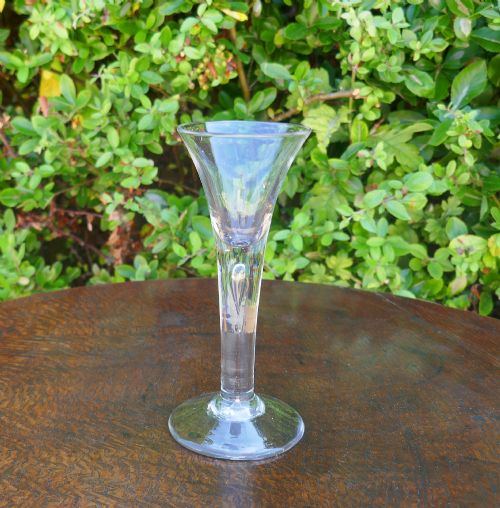
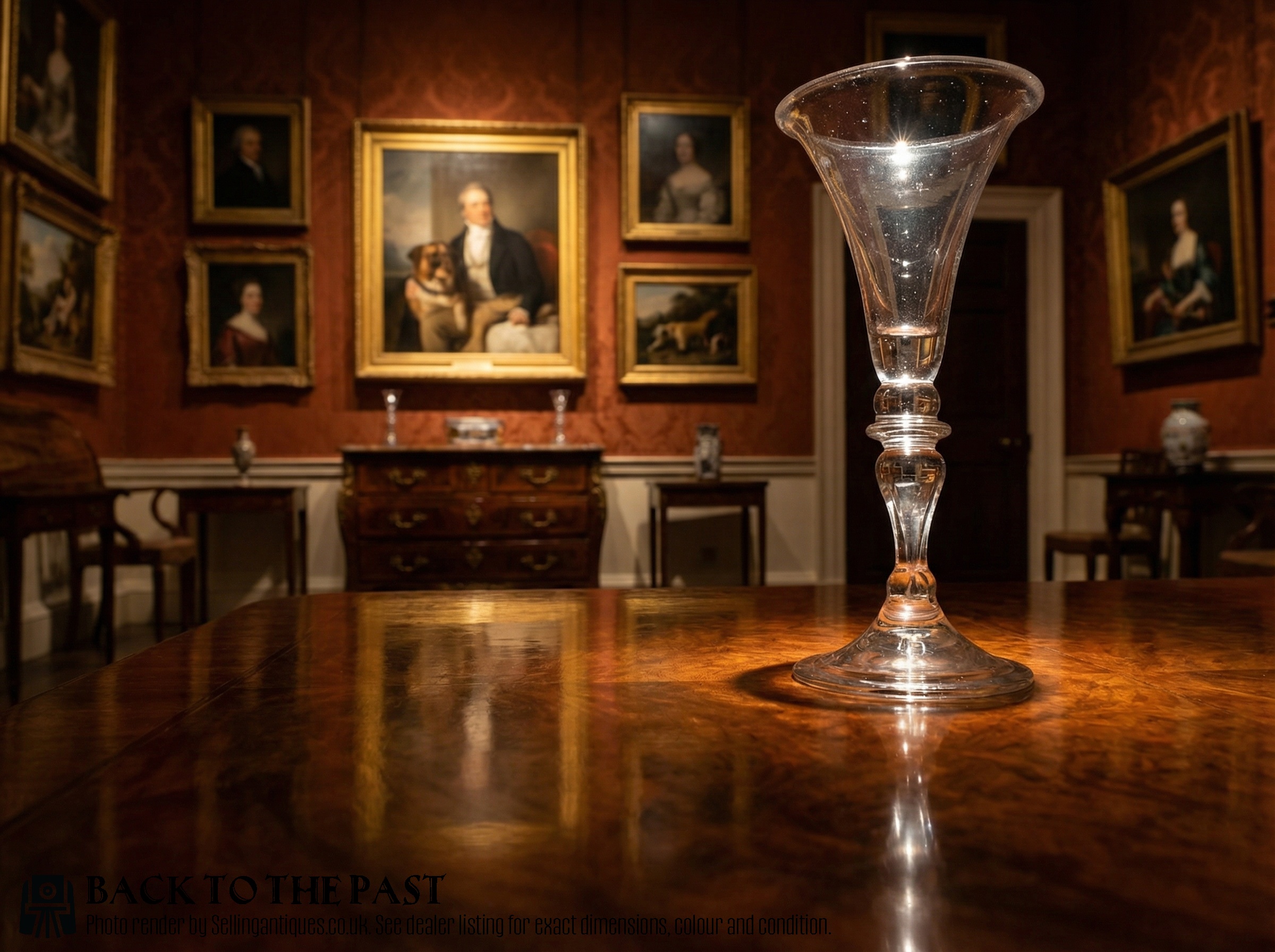
Clear glass stemware brings together drinking glasses, wine glasses, rummers and champagne coupes shaped across the Georgian, Victorian and later periods.
Clear Glass Stemware
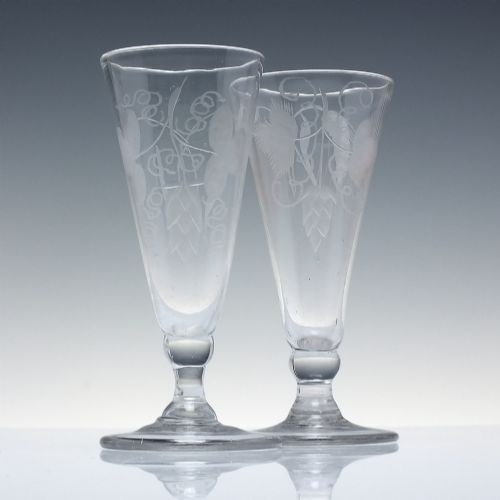
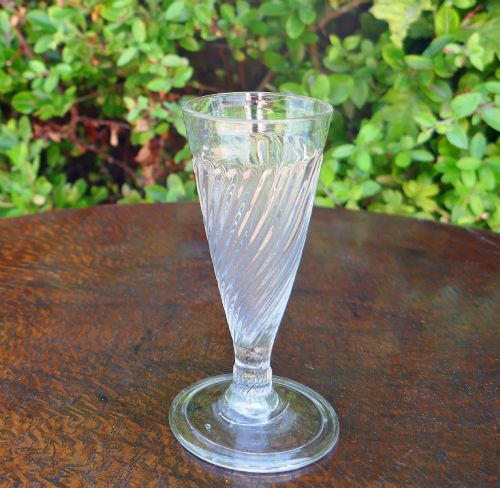
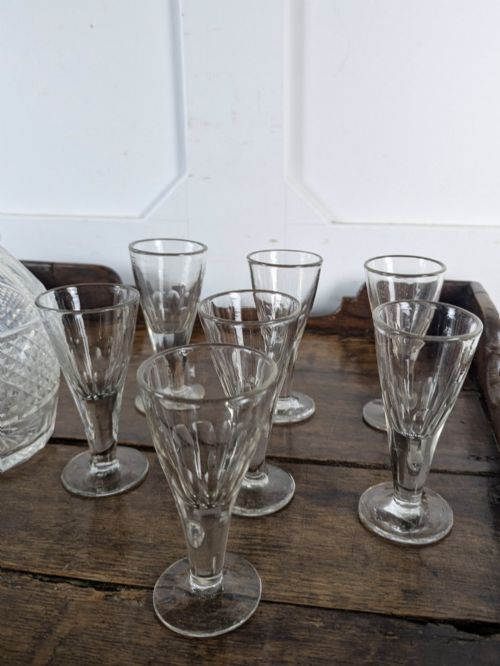
When you search for clear glass stemware, you encounter drinking vessels designed for wine, ale, champagne, whisky and drams. The forms span centuries of production, from eighteen-century balustroid wine glasses to nineteen-century thumb-cut sherry flutes and twentieth-century art deco drinking glasses.
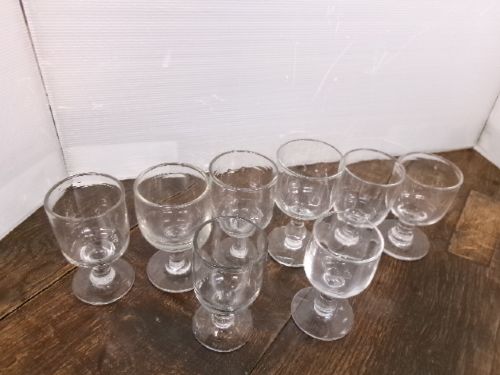
The selection on this page relies heavily on Georgian and Victorian examples, featuring trumpet bowls, ogee bowls, pan top bowls and hollow stems. You will find single pieces alongside matching sets of six or seven, and larger suites intended for formal dining.
Origins range across English, French and Bohemian makers, encompassing styles from the regency and edwardian eras to art nouveau. The variety covers everything from plain stem wine glasses and Jacobite glasses to heavily decorated roemer goblets.
Judging the range
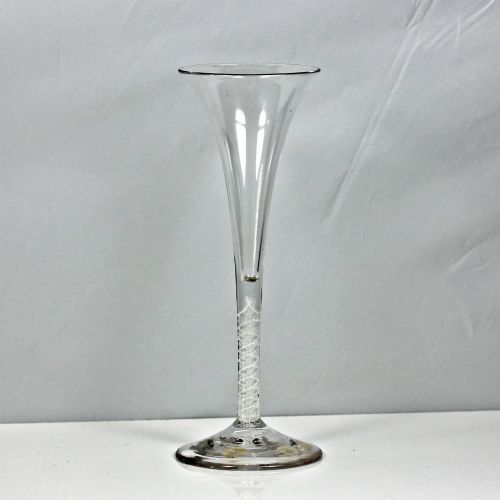
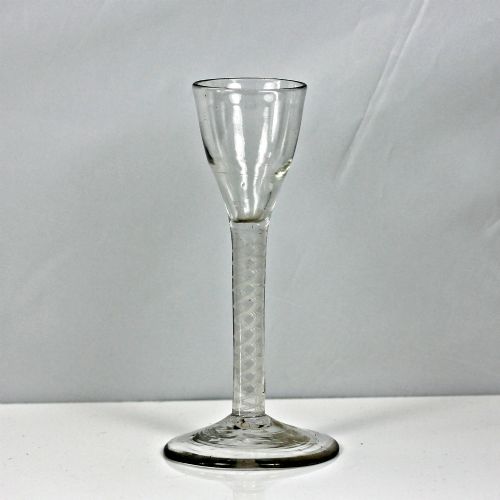
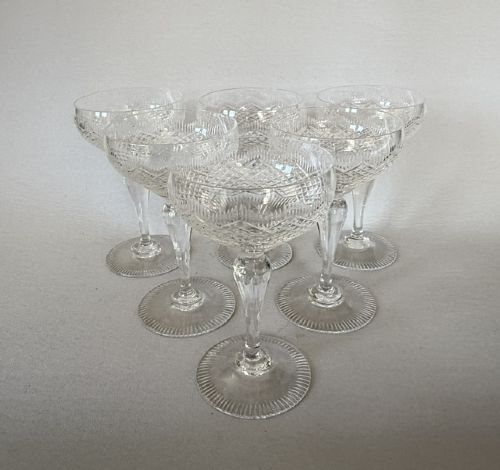
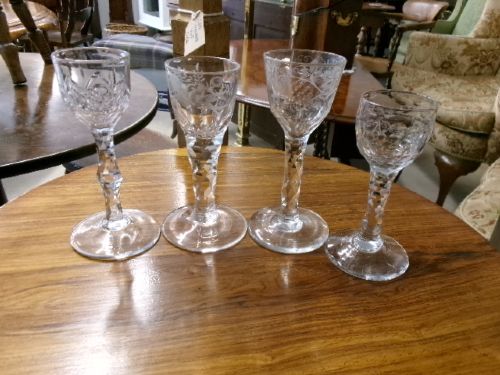
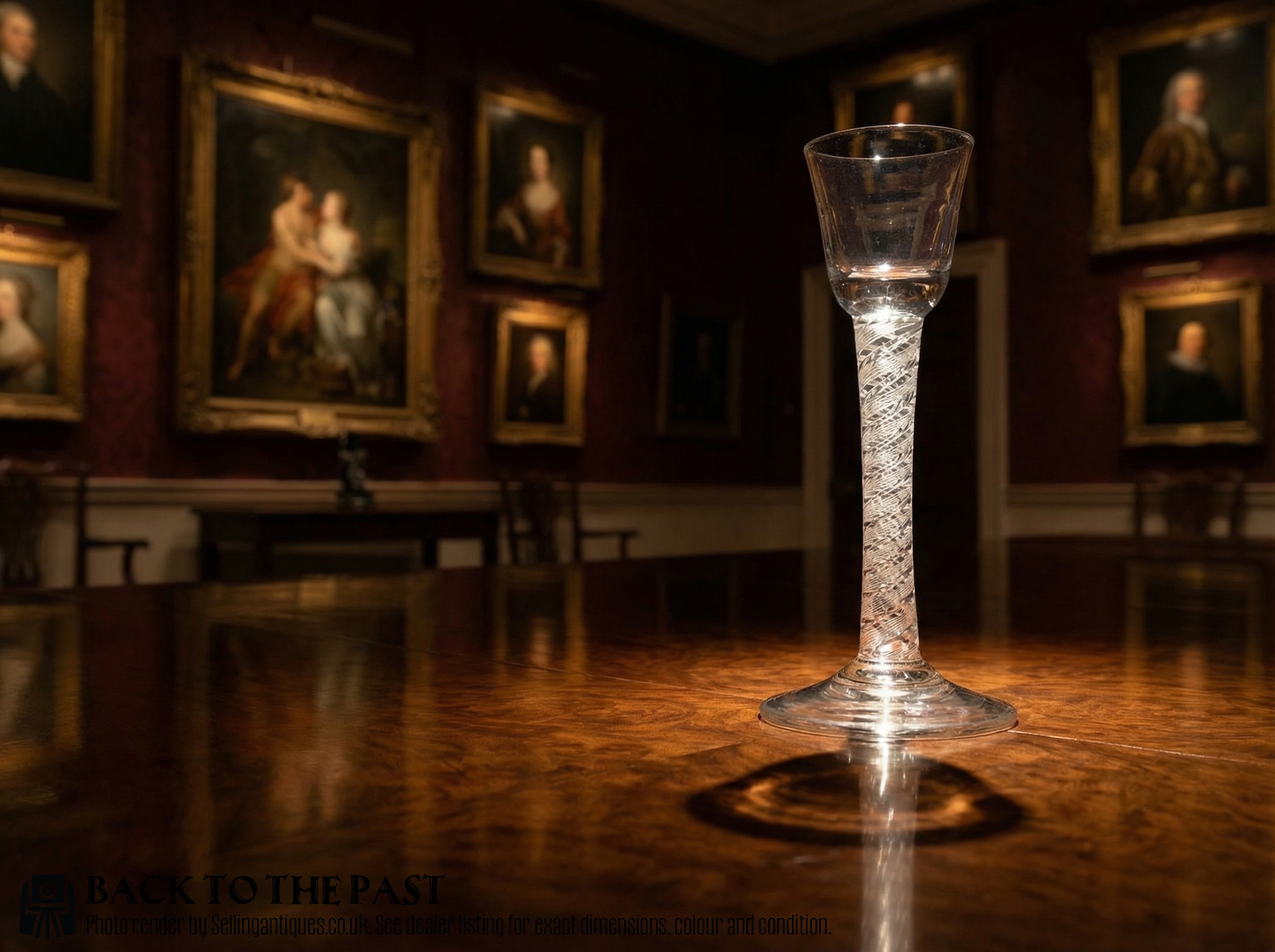
Quality rests on the crispness of the cutting, the complexity of the stem formation, and the clarity of the metal. Fine air twists and double series opaque twists require immense skill to draw uniformly without distorting the channel.
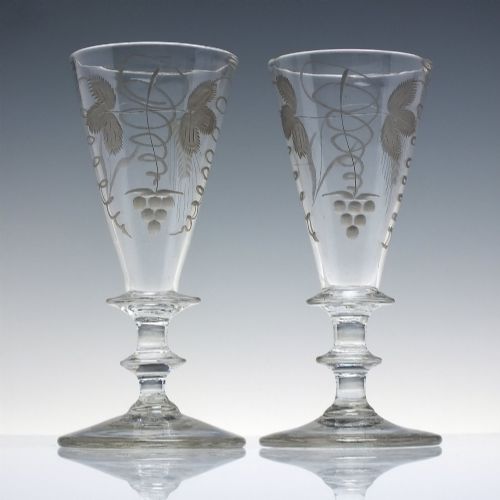
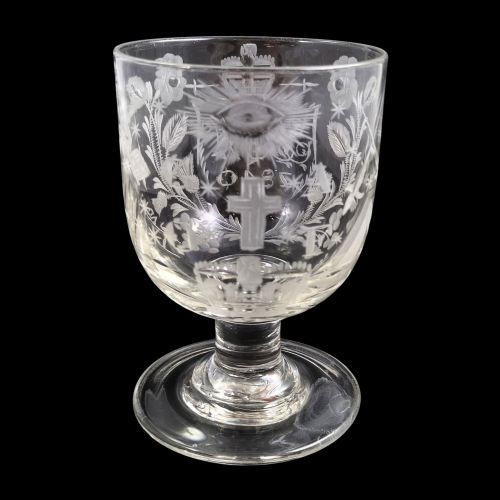
Engraving depth and detail elevate a piece, shifting standard drinking glasses into exhibition-grade rummers and goblets. Folded feet and heavy baluster knops add weight and structural integrity that mark out superior production.
Clear Glass Stemware Retail Price Guide 2026
Typical asking prices for clear glass stemware among the pieces listed under this phrase on Sellingantiques today, from the lower quarter to the upper quarter. They describe what is for sale here now, not the wider market.
An eighteenth-century rummer bears the engraved toast 'Women & Wine', capturing a cheerful Georgian sentiment in clear lead glass.
Moser Bohemian·Theresienthal crystal
The Clear Glass Stemware Glossary
- Baluster
- A heavy, turned stem form resembling an architectural pillar, common in mid-eighteenth-century drinking vessels. This shape gives the glass a reassuring weight in the hand.
- Opaque twist
- A stem containing threads of white or coloured enamel glass spun within the clear metal. These threads form single or double series patterns.
- Air twist
- A stem enclosing elongated bubbles of air drawn into a spiral thread. The technique creates delicate internal movement inside the clear glass.
- Rummer
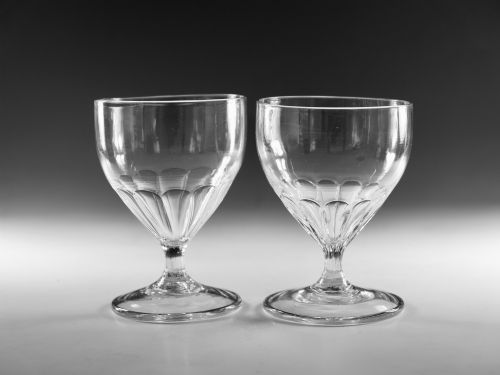
- A capacious, heavy-bottomed glass used for ale, wine or punch during the Georgian and Victorian periods. They often sit on a short stem with a wide foot.
- Sweetmeat glass
- A shallow bowl on a stem intended for confectionery or small sweet items rather than liquid. They share identical stem styles with contemporary wine glasses.
Clear Glass Stemware: Frequently Asked Questions
How do I spot an opaque twist stem?
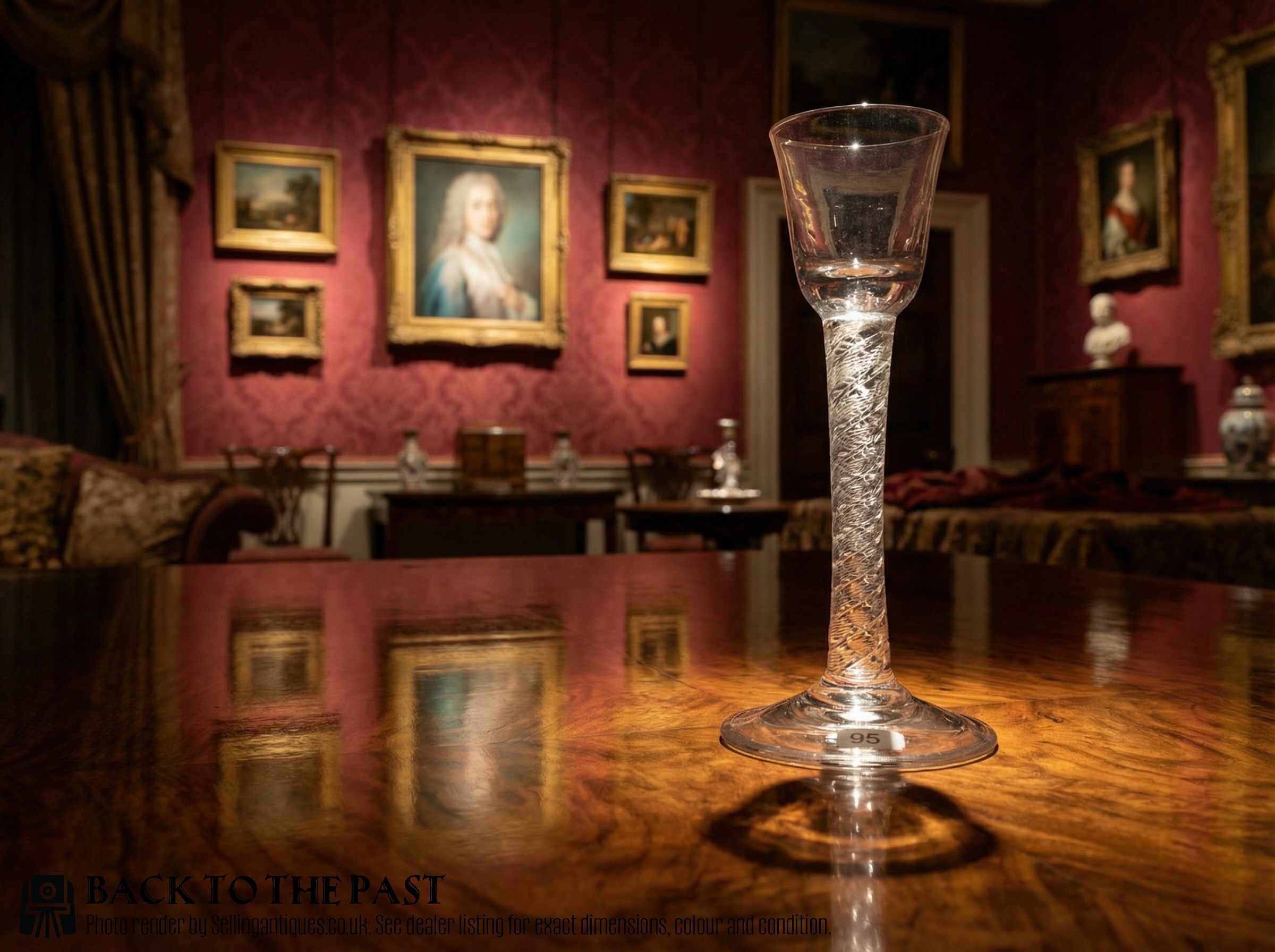
An opaque twist stem contains internal white glass threads running in a spiral through the clear metal. Makers formed these by twisting canes of opaque glass within the molten gather before drawing the stem.
Single series twists contain one set of spirals, while double series versions intertwine two distinct thread patterns.
What were rummers used for?
Rummers served as large, sturdy drinking vessels for ale, wine, beer and punch during the Georgian and Victorian eras. Their generous bowl capacity suited communal drinking or heavy tavern use.
They typically feature thick walls, short stems and stable, wide foot bases.
Are champagne coupes the same as champagne bowls?
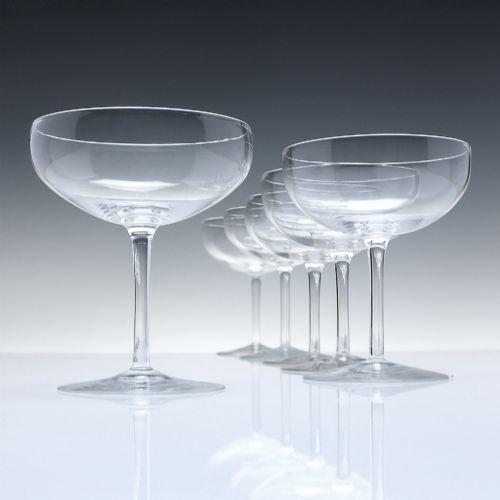
Champagne coupes and champagne bowls both describe wide, shallow vessels designed for sparkling wine. The terms appear interchangeably across edwardian and nineteen-twenties listings.
Their broad bowls allowed bubbles to dissipate quickly compared to modern flutes.