
Georgian Glassware
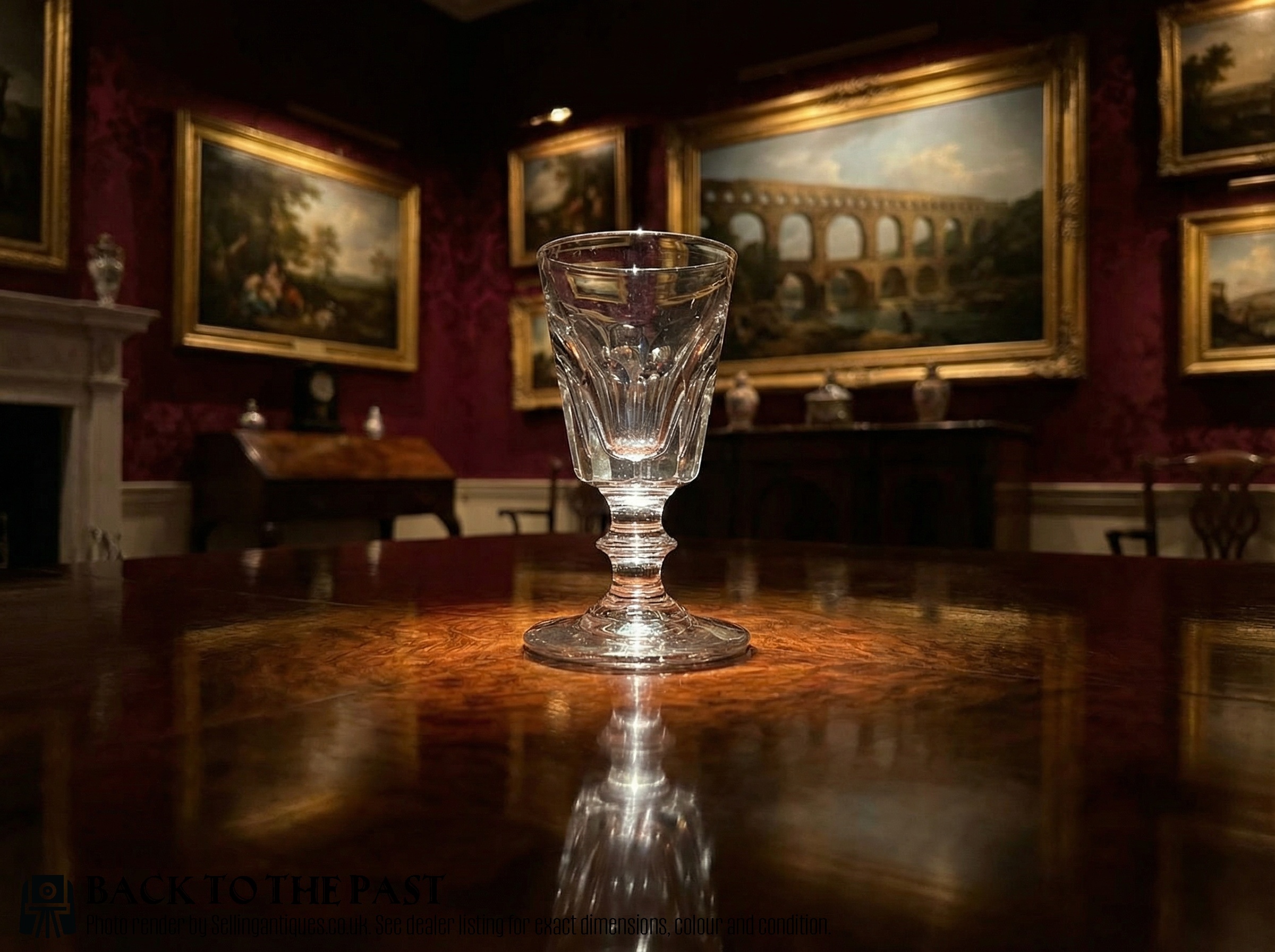
These robust lead crystal vessels and drinking glasses defined polite dining tables through the eighteenth and nineteenth centuries.
Georgian Glassware
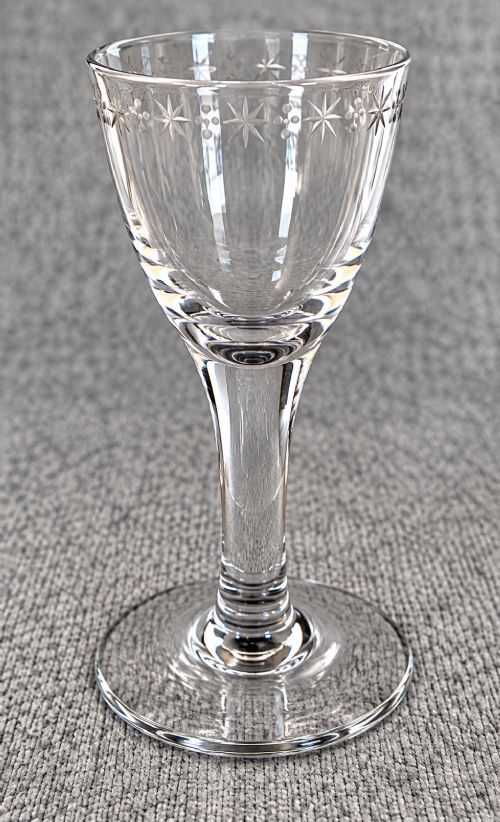
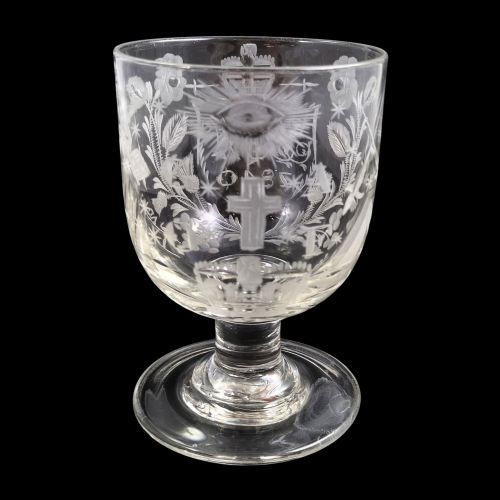
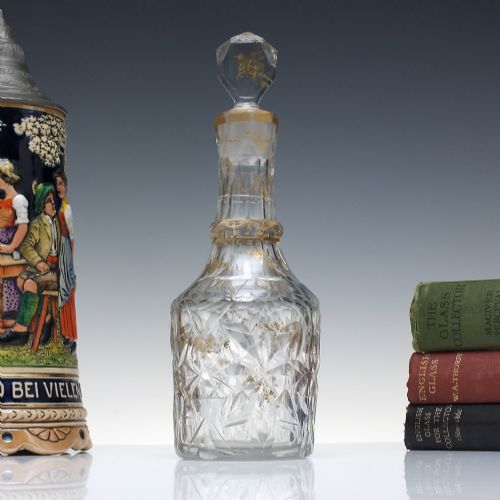
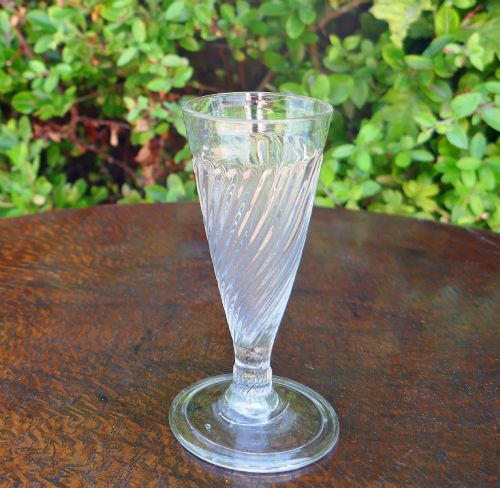
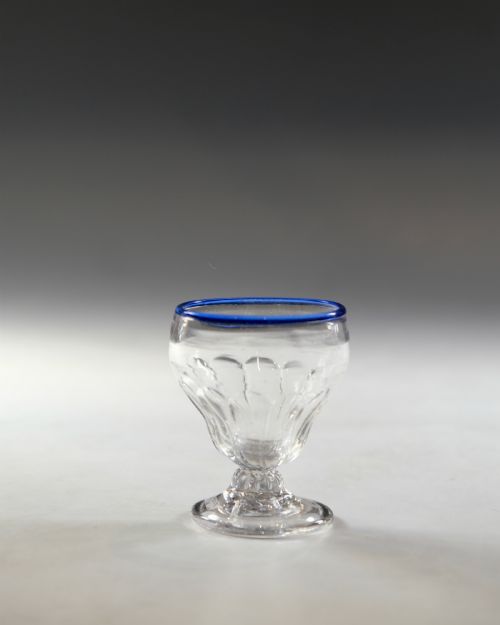
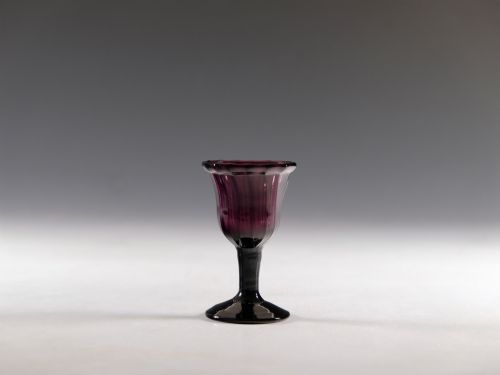
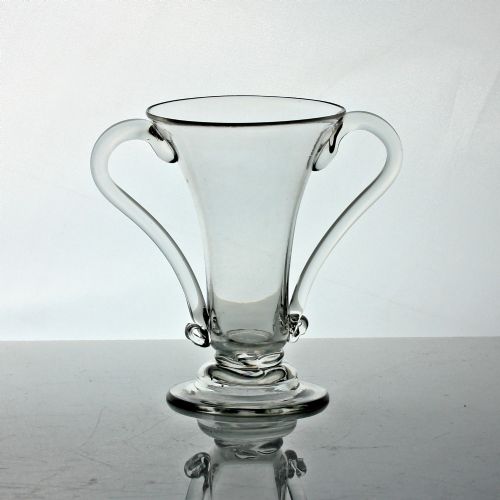
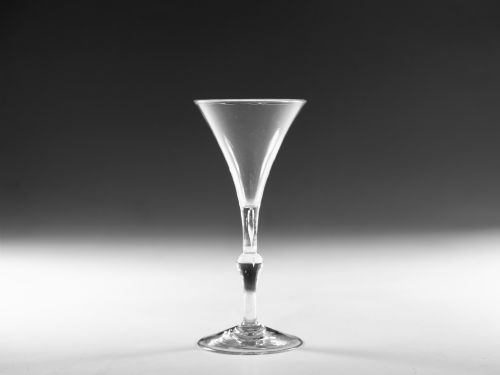
Georgian glassware encompasses a diverse range of functional table objects, from delicate dram glasses and opaque twist wine goblets to heavy rummers and decanters. Buyers looking at this page will encounter everyday drinking vessels alongside specialist forms like jelly glasses, bonnet glasses, and oil lamps.
The objects span periods from the mid-eighteenth century into the early Victorian era, reflecting stylistic shifts from simple plain stems to intricate cut glass and gilded decoration. English production dominates the selection, though continental pieces such as German roemers and Bohemian dishes appear.
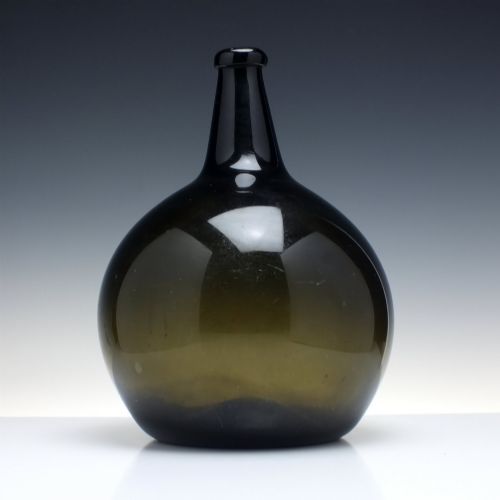
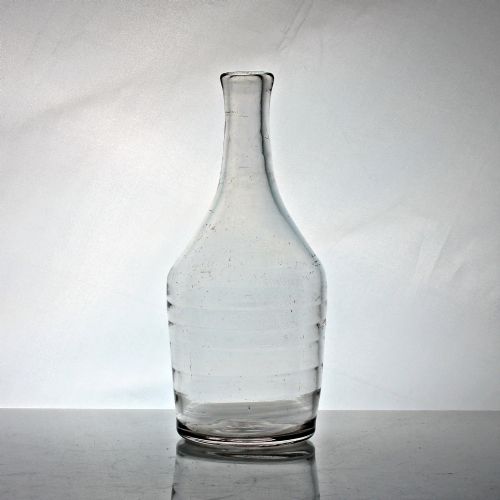
Vessels on offer range from early examples featuring folded feet and air bubbles in the metal to later nineteenth-century rummers and blue decanters. Collectors will find distinct regional variations, including Scottish wine bottles and North-East English rummers.
Assessing quality and execution
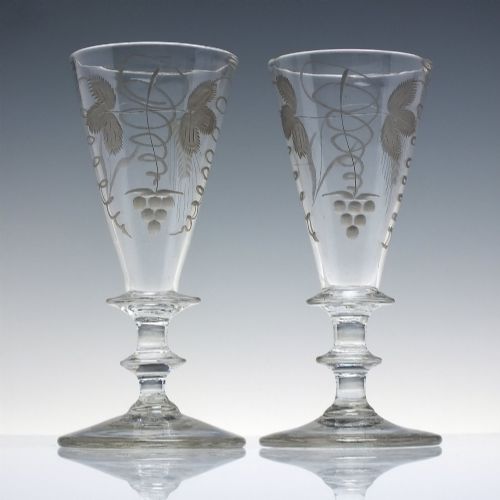
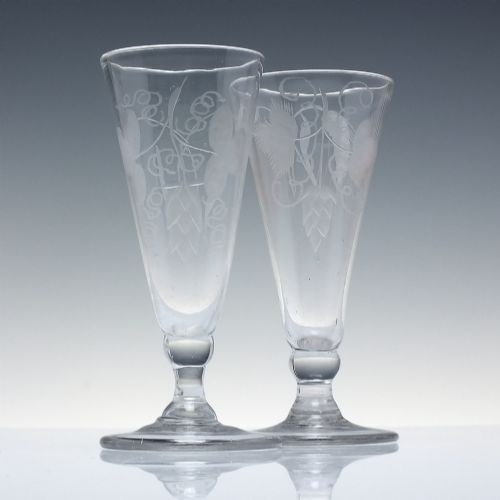
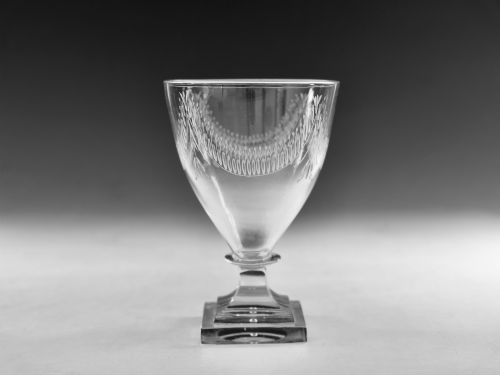
Quality rests upon the purity of the metal and the dexterity of the glassblower in forming balanced proportions without excessive weight. Superior pieces display crisp, deep wheel engraving of motifs like hops and barley, whereas lesser examples show softer, shallower surface cuts.
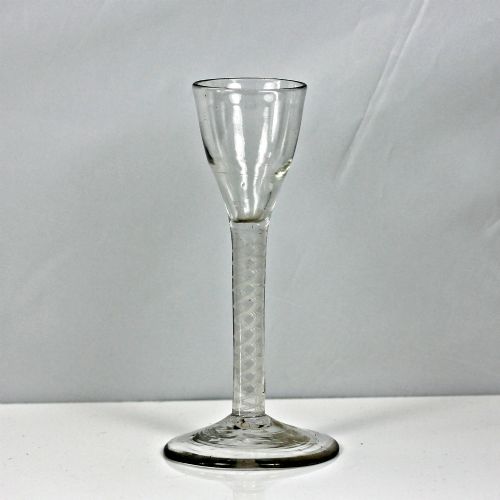
Stem formation distinguishes standard items from superior specimens, particularly in complex single or multi-spiral air twists and opaque twists. The finishing of the base, such as a neatly folded foot, indicates the level of care taken by the glasshouse.
Georgian Glassware Retail Price Guide 2026
Typical asking prices for georgian glassware among the pieces listed under this phrase on Sellingantiques today, from the lower quarter to the upper quarter. They describe what is for sale here now, not the wider market.
Atelier of James Giles
The Georgian Glassware Glossary
- Rummer
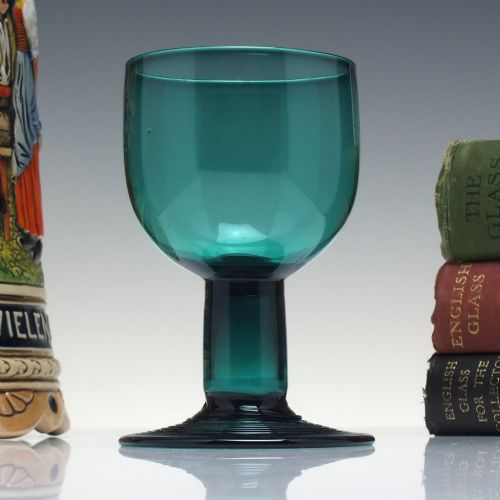
- A large, sturdy drinking glass introduced in the late eighteenth century for ale, beer, or wine. They typically feature heavy stems and capacious bowls.
- Dram glass
- A small drinking vessel designed for consuming spirits. These early pieces often have thick bases and narrow bowls.
- Air twist
- An optical effect inside a glass stem created by drawing out imprisoned air bubbles during the blowing process. The resulting threads form spiral patterns within the metal.
- Opaque twist
- A stem decoration formed by drawing white or coloured enamel glass rods through clear metal. This technique became popular in mid-eighteenth-century drinking glasses.
- Tazza
- A decorative pedestal plate or shallow bowl used for serving sweetmeats or fruit. These large glass pieces sit on a central foot or stem.
Georgian Glassware: Frequently Asked Questions
How do I identify air twist stems?
Air twists appear as delicate, elongated bubbles trapped inside the stem of a drinking glass, often drawn into a fine spiral. They reflect light differently than the surrounding clear metal.
Examine the stem under good lighting to trace the continuous thread pattern running from the bowl down toward the foot.
What is a firing glass?
Firing glasses are small eighteenth-century drinking vessels characterised by exceptionally thick, heavy foot rims. The dense base produced a sharp ringing sound when struck against a wooden table after a toast.
This practice replaced traditional cheers in certain clubs and gatherings of the period.
Why are some decanters called Bristol blue?
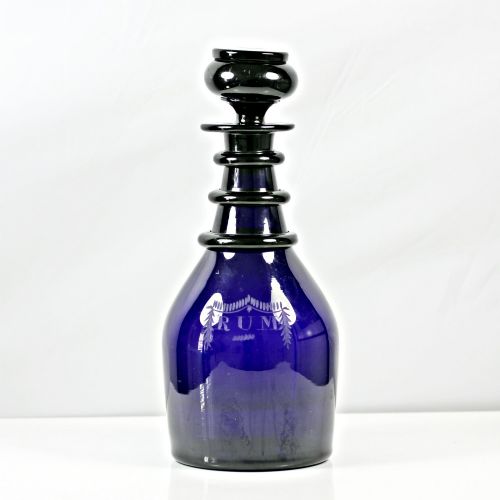
Bristol blue describes the deep cobalt hue produced by West Country glasshouses during the late eighteenth and early nineteenth centuries. The colour comes from cobalt oxide added to the molten glass batch.
These pieces often feature gilded labels or three-ring necks designed for secure handling.
How were jelly glasses used?
Jelly glasses served sweet custards and jellies during formal eighteenth-century dessert courses. Their small, often double-handled or fluted bowls displayed layered puddings.
Hosts arranged these vessels centrally on the table alongside tazzas and sweetmeat dishes.