

Clear Lead Glass Stemware
Clear lead glass stemware combines weight and clarity, offering the tactile satisfaction that collectors value in antique drinking vessels.
What clear lead glass stemware is
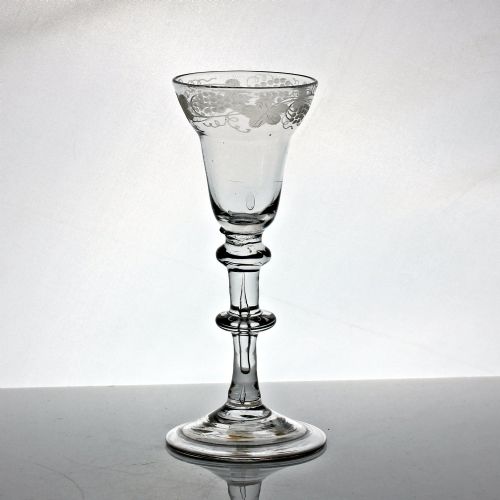
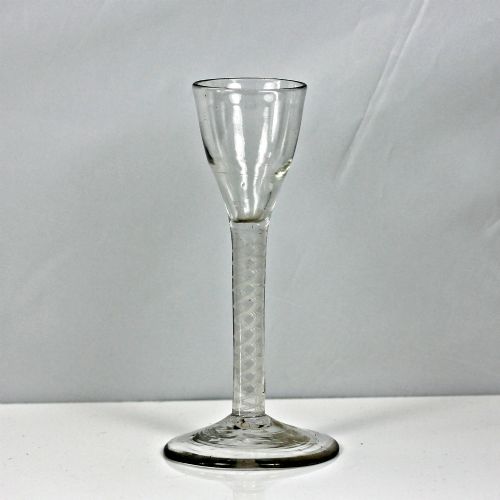
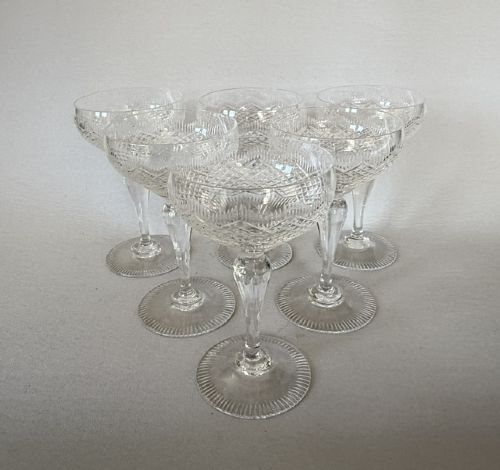
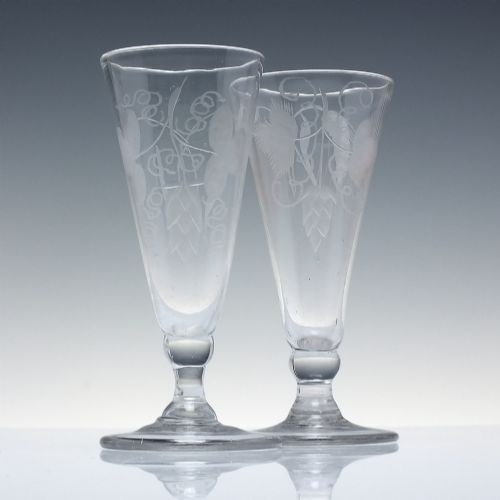
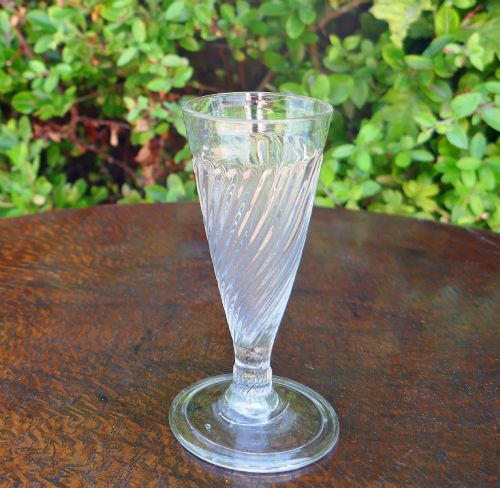
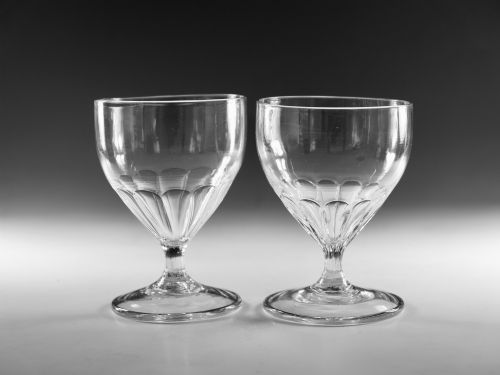
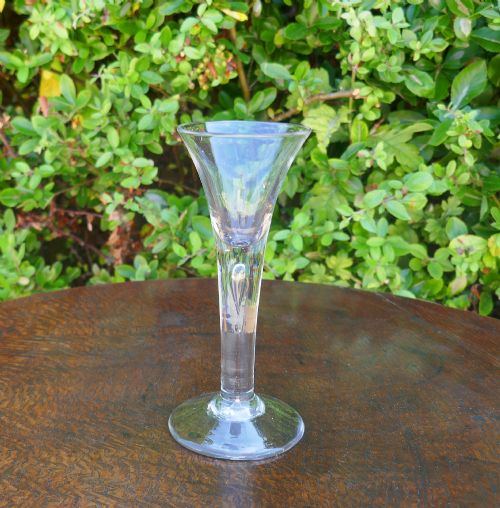
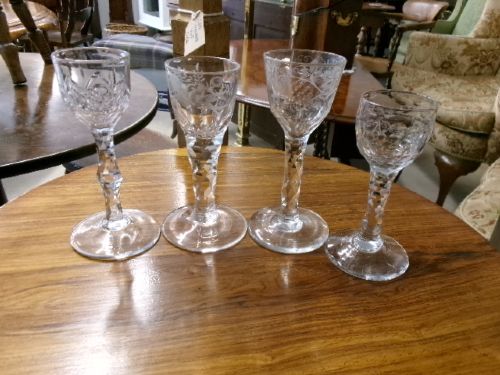
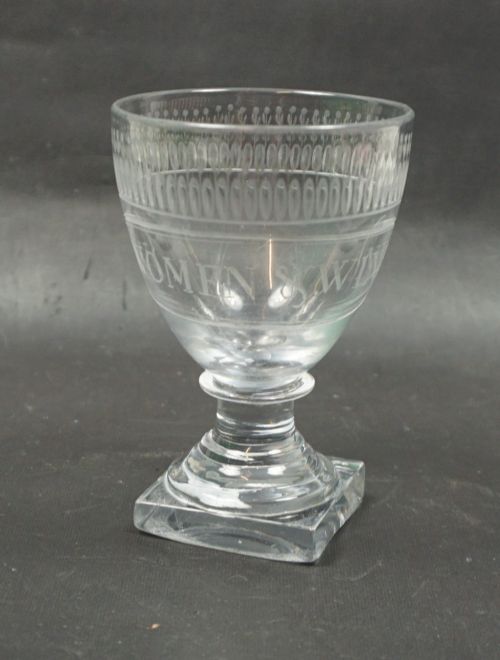
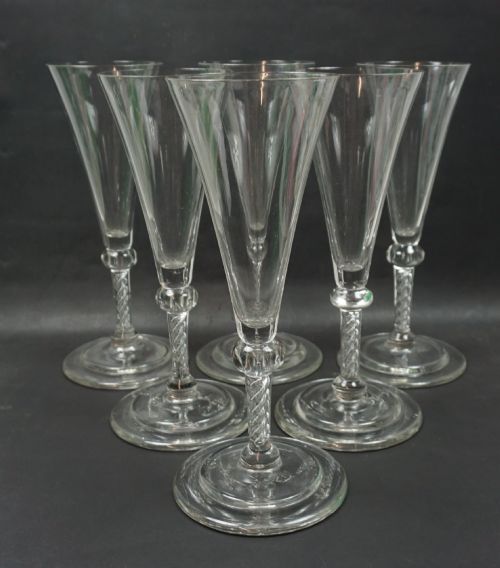
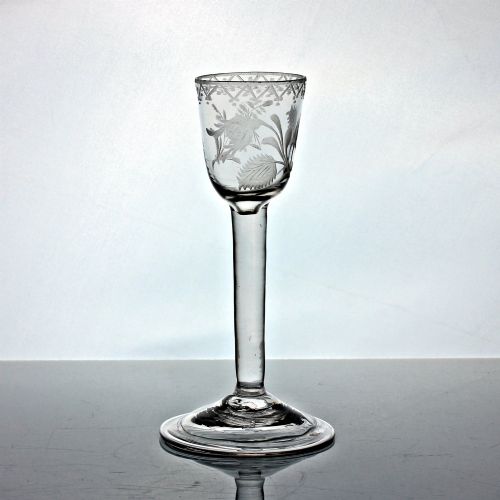
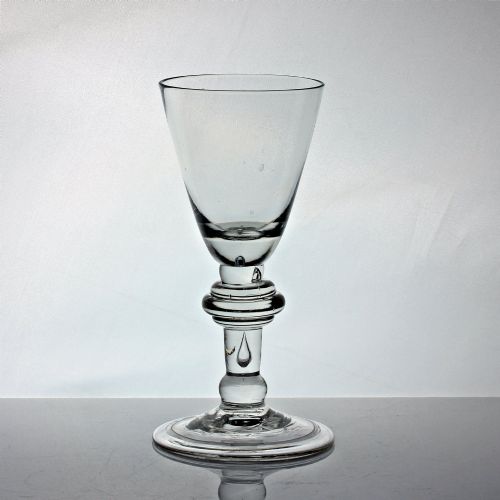
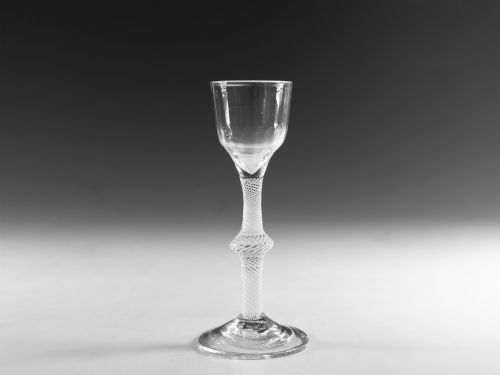
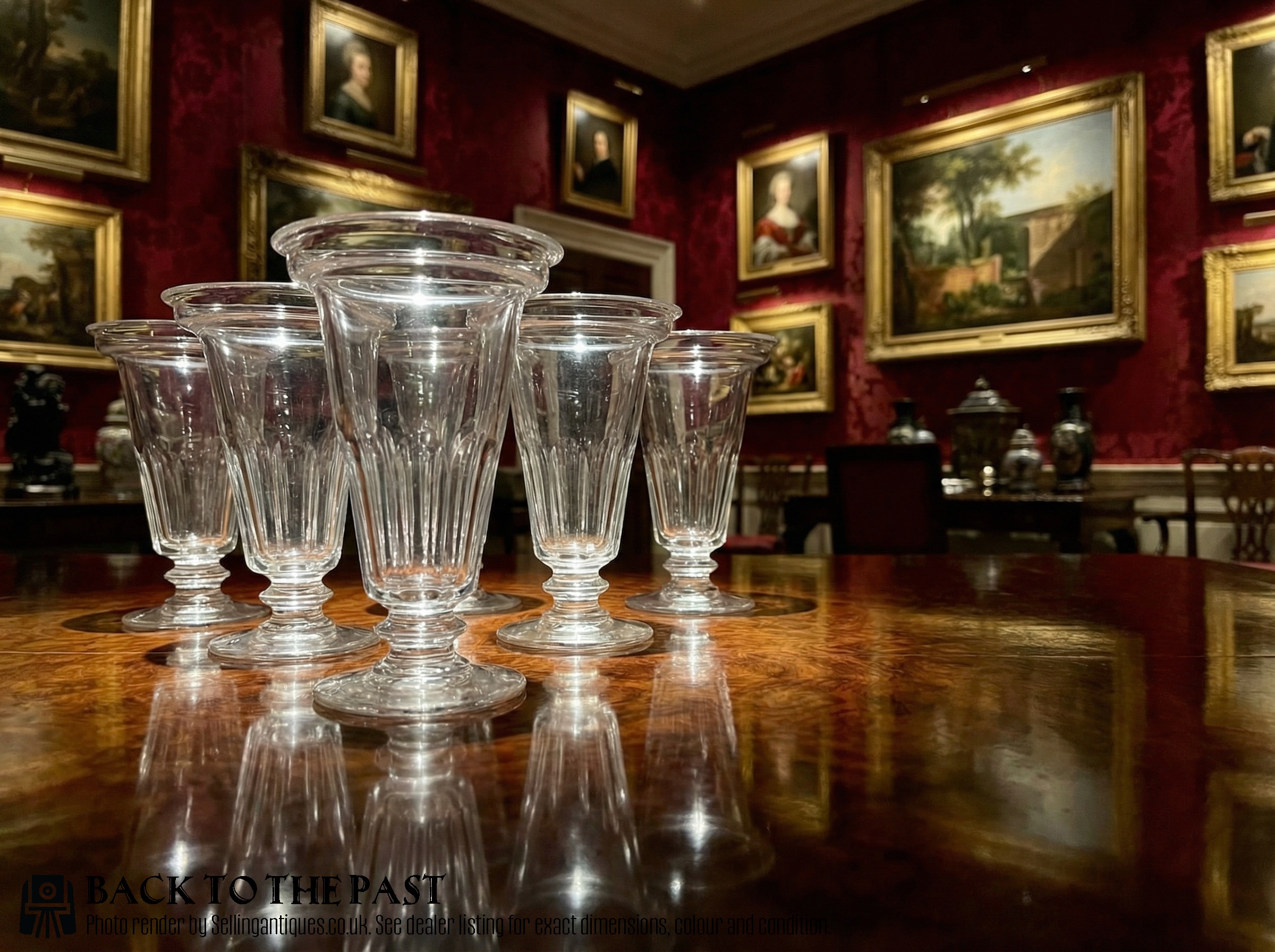
When you search for clear lead glass stemware, you encounter functional drinking vessels produced across the eighteenth and nineteenth centuries. These drinking vessels survive in forms such as tall facet cut stem ale glasses, etched gin glasses, dish top jelly glasses, and champagne glasses.
The pieces on this page span the Georgian and Regency periods, representing both eighteenth century production and nineteenth century craftsmanship. They demonstrate the domestic and dining habits of past eras through specialised forms designed for specific beverages.
How they were made
The makers utilised lead glass, clear lead glass, and hand blown glass to shape these vessels while hot on the iron. Artisans manipulated the molten material to create the foundational bowls and stems before cooling.
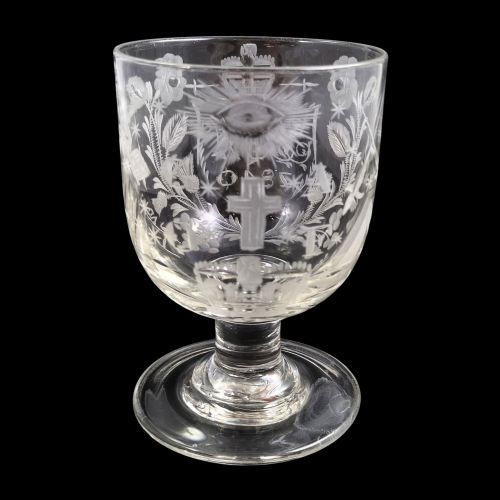
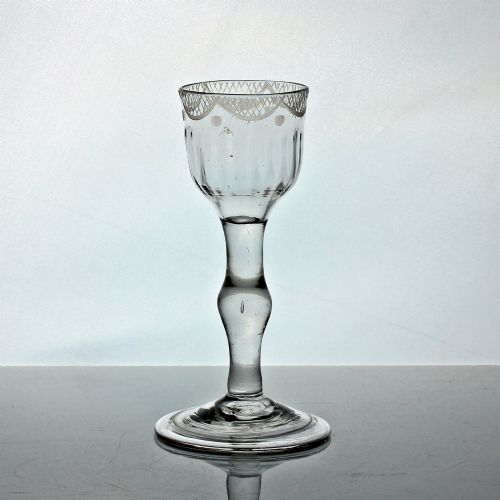
Makers finished many of these pieces through surface decoration, applying wheel cutting to form facets or using acid and engraving tools to produce fine etched designs on the bowls.
Georgian jelly glasses were small enough to hold in the palm of one hand while standing at a fashionable house party.
What varies in quality
The crispness of the cutting separates superior examples from ordinary production, particularly where facets catch the light with sharp definition. Deep, clean wheel work on nineteenth century cut crystal and eighteenth century stems indicates higher technical skill.
Proportion and weight also define the better pieces, where the balance between the bowl, stem, and foot feels substantial yet refined. Finer pieces display clearer metal with fewer bubbles or inclusions within the glass.
The Clear Lead Glass Stemware Glossary
- Lead glass
- A type of glass containing lead oxide, which increases brilliance, weight, and workability for cutting. This material became standard for British table glass from the late seventeenth century onward.
- Facet cut
- A decorative technique involving grinding flat planes into the surface of the glass. It creates geometric patterns that reflect light from multiple angles.
- Etched glass
- Glass decorated by scratching or chemically biting designs into the surface. This method allowed makers to apply delicate floral or geometric motifs without removing deep sections of material.
- Dish top
- A shallow, indented rim form found on specific serving glasses. This shape held contents securely during formal dining.
Frequently Asked Questions
What is clear lead glass stemware?
Clear lead glass stemware comprises drinking vessels shaped from heavy, brilliant glass containing lead oxide. These objects date from periods including the eighteenth century and the Regency era.
They include specialised drinking vessels such as ale glasses, gin glasses, and champagne glasses, alongside related table items like jelly glasses.
How do I date Georgian stemware?
Dating Georgian stemware involves examining the form, manufacturing technique, and decorative style of the piece. Eighteenth century examples often display characteristic tool marks and specific stem formations.
Regency and nineteenth century pieces frequently incorporate heavier cutting and distinct silhouettes that align with changing dining fashions of the later period.
Were these glasses used daily?
Many of these glasses served specific roles during formal dining and social occasions in elite or middle class households. Ale glasses, gin glasses, and champagne glasses catered to distinct beverages consumed at the table.
Other forms, such as jelly glasses, played a direct role in the presentation of sweet courses during multi course dinners.
How should I clean antique glass?
Cleaning antique lead glass requires gentle hand washing in warm water with mild detergent. Avoid sudden temperature changes to protect the material from thermal shock.
Dry the pieces promptly with a soft linen cloth to prevent water spots and maintain the clarity of the clear lead metal.