





Georgian Beer Glass
These georgian beer glass pieces are historic drinking vessels holding the robust ales and lagers of past centuries.
Georgian Beer Glass
When you search for a georgian beer glass, you encounter drinking vessels originating primarily from the eighteenth century and the early nineteenth century. These forms include tall flutes, rummers, tankards, and decanters designed specifically for serving beer and ale.
The versions most frequently met on this page combine traditional English glassware traditions with period styles such as Regency. They range from plain stem tablewares to large crystal serving pieces intended for communal use.
How they were made
The production of a georgian beer glass relied upon heavy lead crystal and flint glass manipulated by skilled glassblowers. Artisans utilised clear glass compositions that provided both weight and clarity to the finished drinkware.
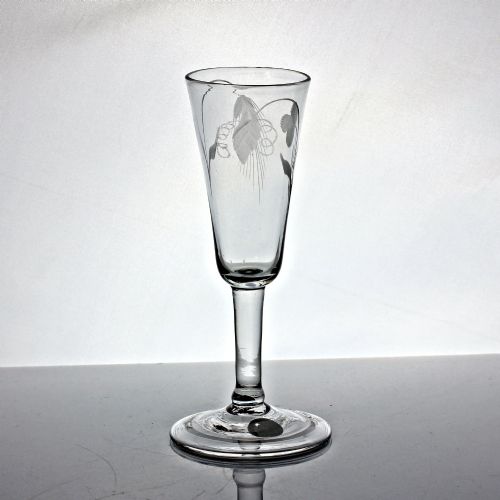
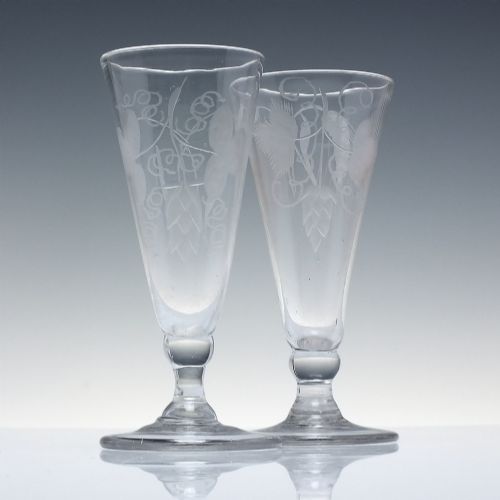
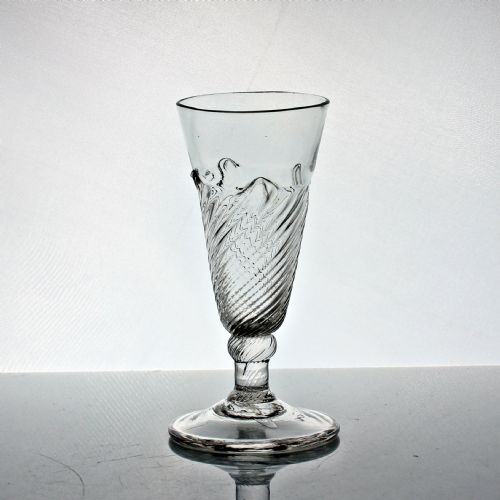
Techniques recorded in these pieces include air twist stems formed inside the molten metal, alongside intricate facet cutting and wheel engraving. Craftsmen frequently decorated the bowls with motifs such as hops and barley.
Forming large vessels like tankards and magnum sugarloaf decanters required precise temperature control during blowing and subsequent annealing. This ensured the lead glass could withstand regular use at the tavern or dining table.
Georgian Beer Glass Retail Price Guide 2026
Typical asking prices for georgian beer glass among the pieces listed under this phrase on Sellingantiques today, from the lower quarter to the upper quarter. They describe what is for sale here now, not the wider market.
Listings span the eighteenth century, the Georgian era, and the early nineteenth century, utilising clear glass, lead crystal, and flint glass.
What varies in quality
The standard of a georgian beer glass depends upon the crispness of its wheel engraving and the optical clarity of the lead glass. Superior examples display deeply cut botanical details such as hops and barley without surface blurring.
Stem construction and proportion also distinguish finer pieces, particularly where air twist formations or precise facet cutting are present. The balance and weight of the clear glass reflect the skill involved in shaping the vessel while hot.
The Georgian Beer Glass Glossary
- Air twist
- A decorative stem formation created by drawing bubbles through molten glass before twisting the rod. This technique produces delicate internal threads visible throughout the length of the stem.
- Rummer
- A large, heavy drinking glass popular for serving generous portions of ale or wine. These vessels typically feature a short stem and a capacious bowl.
- Flint glass
- An early British term for high-clarity glass containing lead oxide. This material refracts light strongly and allows for deeper wheel engraving.
- Facet cut
- A surface decoration composed of multiple flat polished planes meeting at sharp angles. This technique enhances the sparkle of clear lead glass under candlelight.
Georgian Beer Glass: Frequently Asked Questions
What distinguishes an ale glass from a wine glass?
Ale glasses from the Georgian period typically feature taller, narrower bowls or specialised flute forms suited to carbonated brews. They also frequently display hops and barley engravings that signal their specific purpose.
Wine glasses of the same era generally possess smaller, more rounded bowls on slender stems. The distinction lies in both the capacity and the commemorative decoration chosen for the drinkware.
How were these glasses used originally?
These vessels served ales, beers, and malt liquors at both private dining tables and public taverns. Larger rummers and tankards held communal portions or substantial single servings of strong brews.
Decanters stored the liquor before pouring, while delicate flutes and stemware were held during toasts and social gatherings. Their robust lead glass construction ensured they survived daily use.
Can I still use historic glass for drinks?
While these pieces are antique collector items, lead crystal drinkware remains physically capable of holding liquids. Many collectors prefer to display them rather than risk thermal or physical shock.
Hand washing in lukewarm water is essential if one chooses to use them, as modern dishwashers damage historic glass surfaces. Careful handling preserves both the material and the delicate wheel engraving.
How do I identify a genuine period piece?
Authentic examples exhibit the weight and greyish refraction characteristic of eighteenth-century lead glass. Tool marks, pontil scars on the base, and hand-cut facets provide further evidence of period manufacture.
Comparing the form and engraving style against documented examples helps confirm the era. Subtle irregularities in the clear glass confirm human craftsmanship rather than modern mass production.