


Antique Jelly Glasses
Antique jelly glasses are small, tactile vessels designed for sweet treats, prized by collectors for their brilliant handle work and early facet cutting.
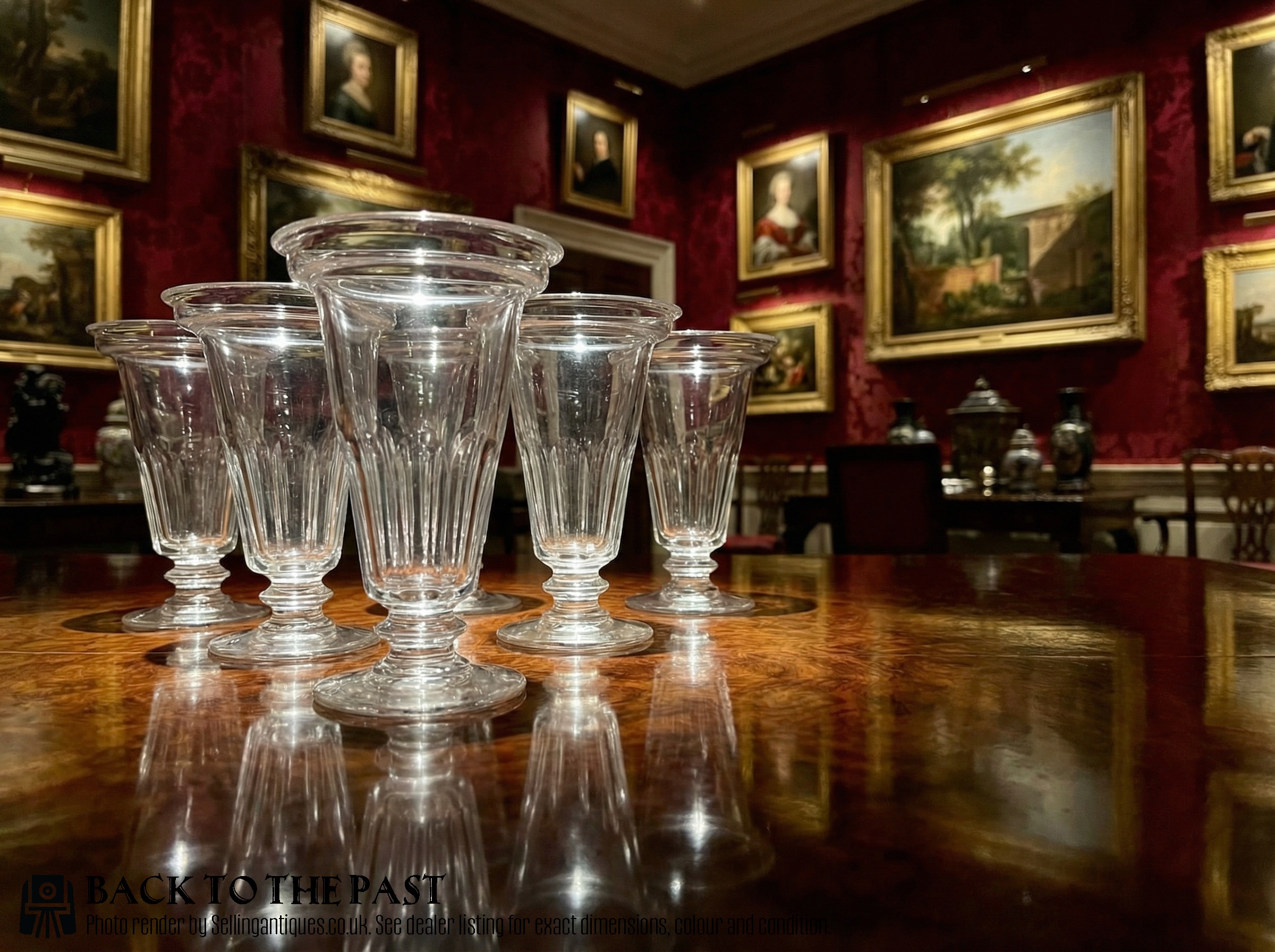
Antique Jelly Glasses
When you search for antique jelly glasses, you find small, footed vessels designed to hold sweet jellies and preserves at the Georgian and Victorian table. The selection here ranges from eighteenth-century examples to later Victorian sets.
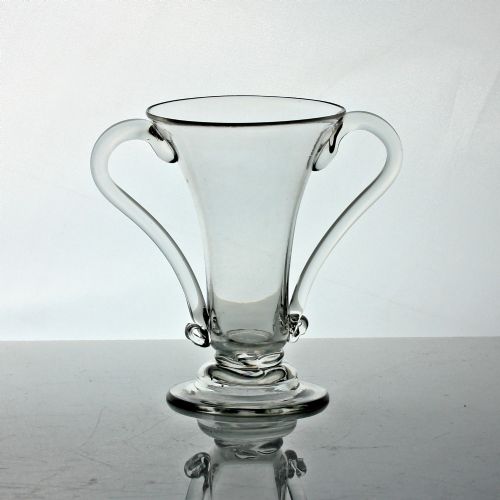
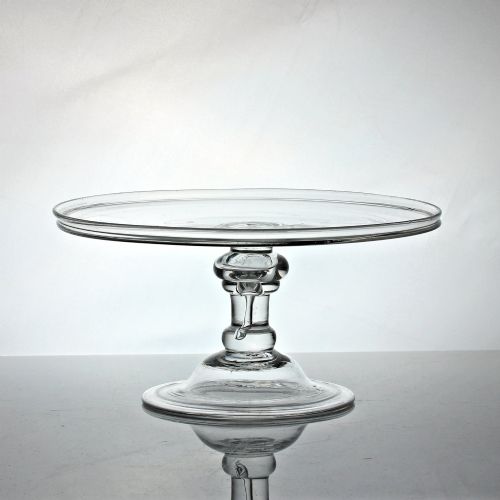
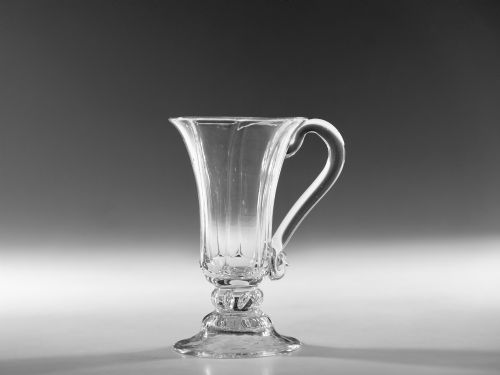
The most common forms you meet are single or double handled vessels, panel moulded shapes, and dish top glasses. Alongside these, the listings include related serveware such as custard cups, sweetmeat glasses, and bonnet glasses.
These pieces primarily date from the Georgian and Victorian eras, reflecting the social dining habits of the eighteenth and nineteenth centuries. They span simple domestic glassware to decorative table wares.
How they were made
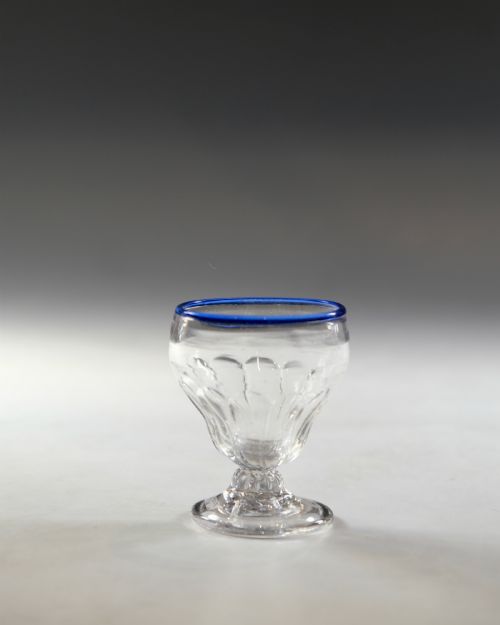
Makers utilised lead glass, flint glass, and clear lead glass to achieve the weight and brilliance expected of fine table service. Some pieces feature vibrant cobalt glass elements, such as blue rims on ogee bowls.
Techniques relied upon manual manipulation of molten metal, including rib-moulding and panel moulding to create structural texture on the bowl. Artisans also employed wheel-cutting and slice-cutting to define facets on the body and stem.
Some glasses come with blue rims, proving Georgian table settings loved a flash of colour with their custard.
What varies in quality
Quality rests in the crispness of the cutting and the weight of the metal itself. Early vessels show sharp facets and well-defined rib-moulding that catch the light cleanly.
The finish of the foot and the balance of the stem distinguish finer table wares from standard domestic items. Hand-finished details on handles and rims show the care taken during production.
The Antique Jelly Glasses Glossary
- Jelly glass
- A small, stemmed or footed drinking vessel specifically shaped for serving jellies and syllabubs. These pieces typically feature deep bowls and sturdy feet.
- Sweetmeat glass
- A small pedestal glass designed for dry confectionery, nuts, or sweetmeats. They share many formal characteristics with jelly glasses.
- Panel moulded
- A decorative technique where molten glass is blown into a ribbed or panelled mould to create vertical facets. This adds texture and strength to the vessel wall.
- Monteith
- A bowl with a scalloped or notched rim, used in period dining settings. Some examples double as bonnet glasses for sweet treats.
Antique Jelly Glasses: Frequently Asked Questions
What are antique jelly glasses?
Antique jelly glasses are small, footed or stemmed vessels created to serve sweet jellies, syllabubs, and creams at formal dining tables during the eighteenth and nineteenth centuries.
They typically feature deep bowls, decorative stems, and sturdy round feet designed to sit securely on wooden dining surfaces.
How were jelly glasses used?
These glasses were filled with layered jellies, custards, or spiced creams and presented as part of the dessert course in Georgian and Victorian homes.
Their small capacity suited the rich, concentrated nature of the desserts served during formal multi-course meals.
Are custard cups the same as jelly glasses?
While both belong to the category of sweet-serving tableware, custard cups are generally handleless, straighter-sided vessels designed for softer custards.
Jelly glasses more frequently feature stems, handles, and moulded decorative panels tailored to display clear or coloured jellies.