




Clear Cut Glass Tableware
Clear cut glass tableware brings brilliant sparkle to the dining table through heavy lead crystal and bright silver mounts.
Clear Cut Glass Tableware
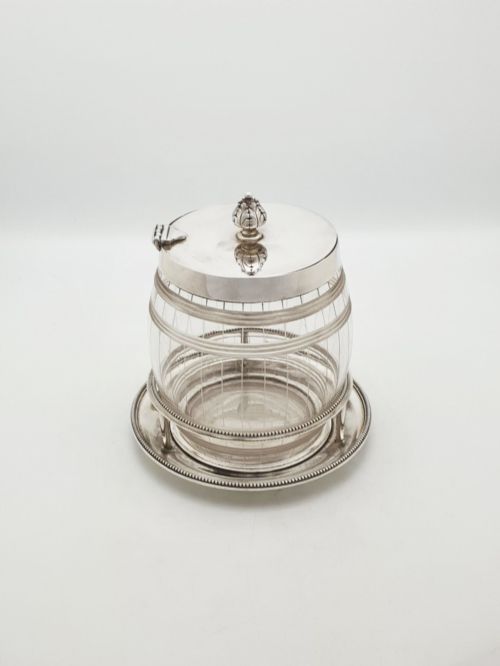
When you search for clear cut glass tableware, you encounter a refined range of dining accessories spanning the eighteenth, nineteenth and early twentieth centuries. These pieces encompass practical table items such as salt cellars, biscuit barrels, decanters, cruet sets and fruit bowls.
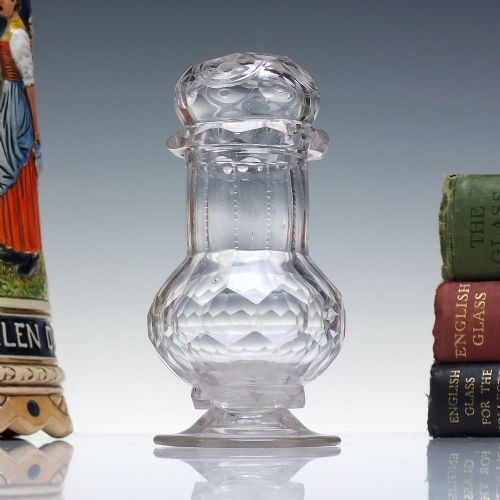
The selection on this page leans heavily towards Victorian, Georgian and Edwardian examples, alongside Regency and Art Deco forms. You will find everything from single sugar casters and celery vases to matched sets of finger bowls and knife rests.
Many of these items combine heavy glass bodies with sterling silver or silver plated mounts, merging functional dining utility with decorative brilliance.
Distinguishing quality
Quality rests in the crispness of the cutting and the weight of the metal. Superior pieces display sharply faceted edges that catch the light cleanly, alongside thick, heavy lead crystal or clear glass bodies devoid of distracting cloudiness.
The integration of metal hardware further defines the grade of an item. Securely fitted sterling silver mounts and original silver plated stands elevate the distinction of decanters, biscuit boxes and cruet frames.
Materials span clear glass, lead crystal, sterling silver and silver plate, appearing across vessels like biscuit barrels, cruets and celery vases.
Elkington·Asprey & Co.
The Clear Cut Glass Tableware Glossary
- Lead crystal
- Glass containing lead oxide which increases weight, clarity and brilliance. This material allows for deep, sharp wheel cutting.
- Salt cellar
- A small open vessel or dish used to hold salt at the dining table. Georgian and Victorian examples often feature intricate cut glass designs.
- Decanter
- A vessel used for holding and serving wine or spirits. These pieces frequently incorporate cut glass bodies and matching stoppers.
- Cruet set
- A matched group of small bottles or containers designed to hold condiments like oil, vinegar, salt and pepper. They usually sit within a fitted silver plate or metal frame.
- Comport
- A large pedestal bowl or dish raised on a foot, used historically for serving fruit or sweets. They showcase hand blown and cut crystal forms.
Clear Cut Glass Tableware: Frequently Asked Questions
How do I use clear cut glass tableware today?
These items function brilliantly for modern dining and display. Decanters hold wine for dinner parties, while bowls and comports serve fruit or desserts.
Smaller pieces like salt cellars and knife rests add period charm to table settings when paired with contemporary tableware.
How should I clean antique glass and silver mounts?
Wash glass items gently in lukewarm water using mild detergent to preserve the clarity. Avoid soaking pieces with silver plate or sterling silver mounts for extended periods.
Dry the metal components immediately with a soft cloth to prevent tarnishing and water spotting.
How do I date Georgian and Victorian cut glass?
Dating relies on stylistic clues, cutting techniques and accompanying metal mounts. Georgian pieces often feature heavier footed bases and softer greyish tones in the metal.
Victorian and Edwardian items introduce sharper mechanical cutting, brilliant lead crystal compositions and specific hallmarks on silver fittings.
What is the difference between glass and crystal?
Crystal contains lead oxide, which alters the chemical composition of standard glass. This addition increases the weight of the piece and allows artisans to cut finer, deeper facets.
The higher refractive index gives crystal its characteristic rainbow sparkle under direct light.