
Vintage Spirit Glass
These vintage spirit glass pieces bring period craftsmanship to the table, offering a tangible link to historic entertaining traditions.
Vintage Spirit Glass
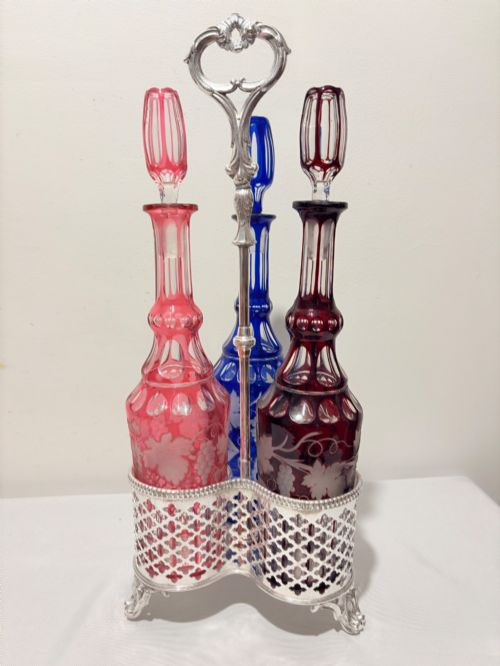
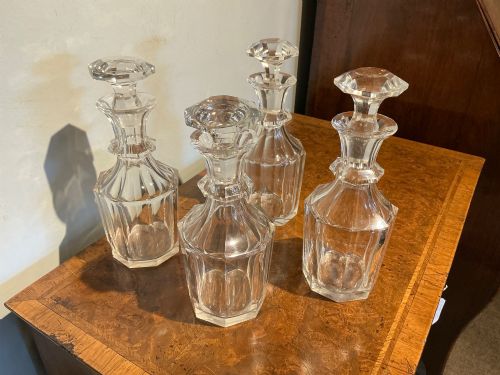
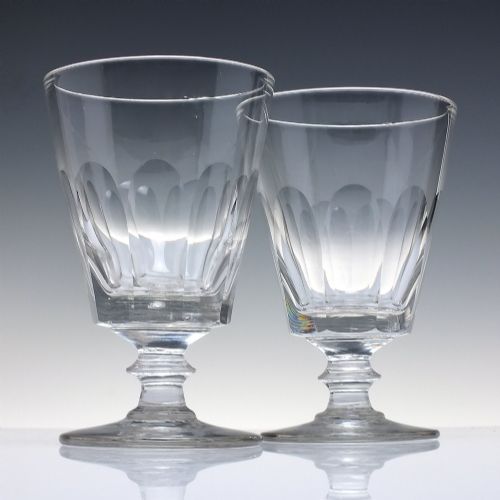
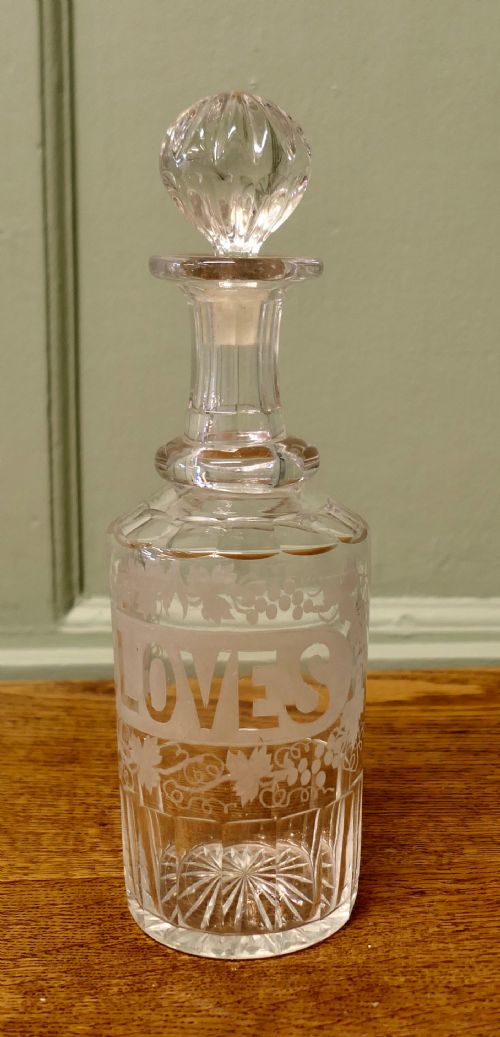
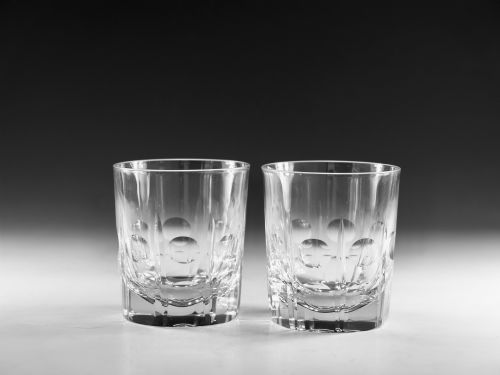
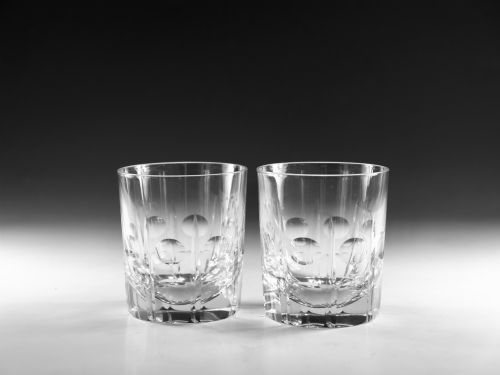
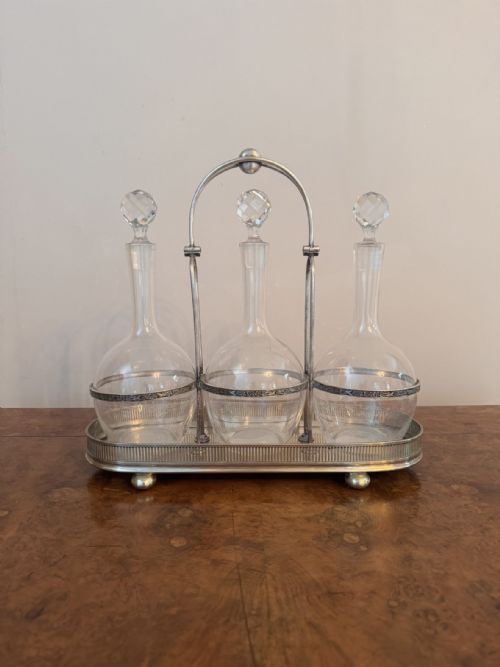
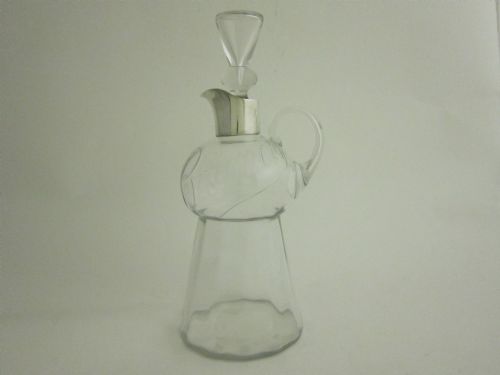
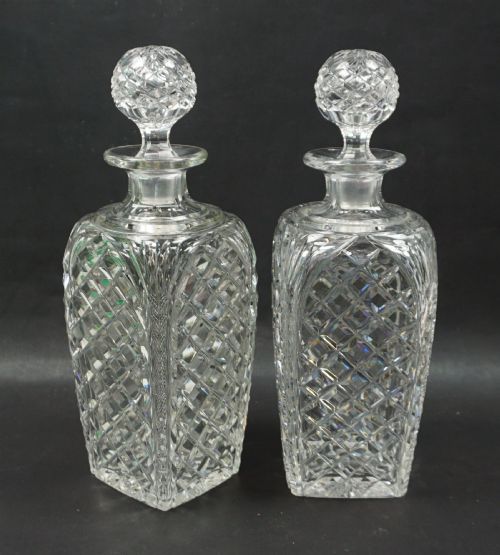
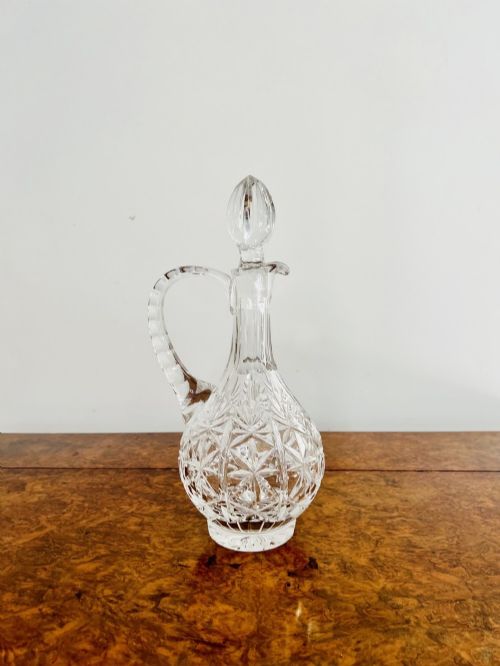
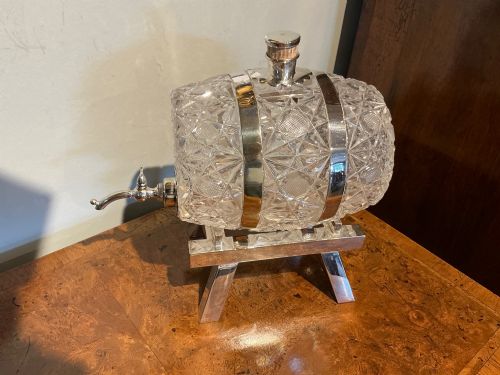
When you search for vintage spirit glass, you encounter an array of barware designed to hold, measure and serve strong liquors. The selection spans decanters, whiskey tumblers, dram glasses, rummers and fitted tantalus sets intended for spirits.
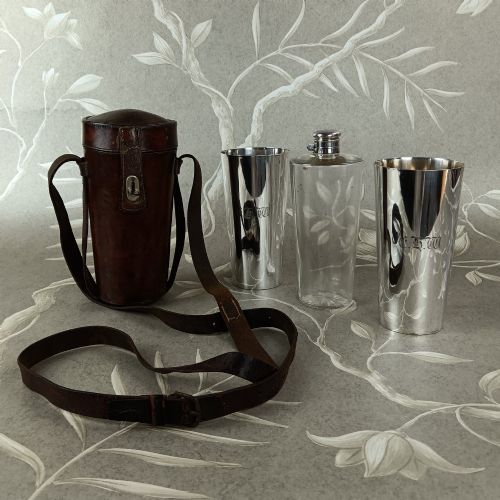
Victorian and Edwardian examples dominate the offerings, alongside pieces from the Georgian, Regency and early twentieth-century periods. These items range from single etched crystal bottles to complete campaign spirit sets housed in leather cases or wooden compendiums.
Cut crystal and silver mounts
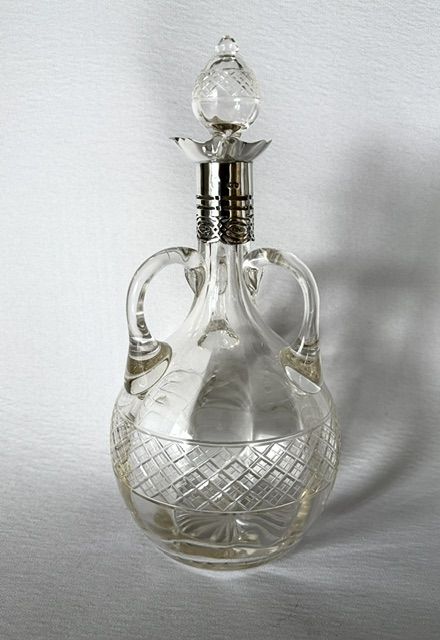
The objects combine heavy lead crystal or cut glass with metalwork, utilising materials such as sterling silver, silver plate, oak, coromandel and satinwood. Glass makers employed cutting, etching, hand painting and enamelling techniques to ornament the vessels.
Mounts and collars in silver or plated brass were fitted securely to glass necks and stoppers, while campaign sets integrated bespoke leather casing and fitted wooden frames to protect fragile glassware during travel.
Weight, clarity and mount execution
Distinctions in quality rest upon the depth and crispness of the glass cutting, the clarity of the crystal and the weight of the metal mounts. Fine examples display sharp facets that catch the light cleanly, alongside substantial silver work bearing clear hallmarks.
The integrity of fitted wooden frames, functioning locks on tantalus sets and the presence of matching original stoppers further separate standard production items from exceptional archival specimens.
James Dixon & Sons·Betjemann·Rene Lalique
The Vintage Spirit Glass Glossary
- Tantalus
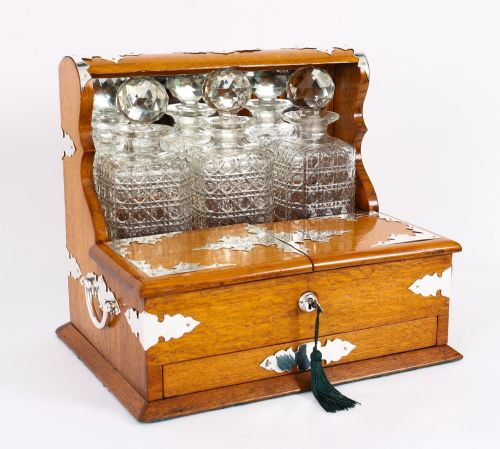
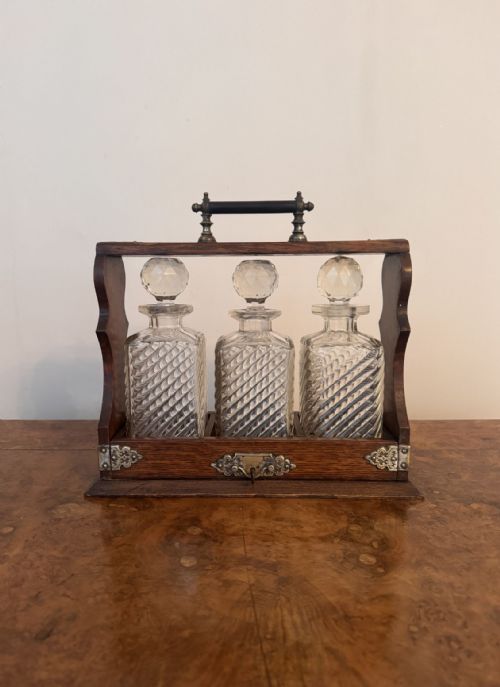
- A locking wooden frame that secures spirit decanters to prevent unauthorized access while displaying the bottles within. The mechanism typically holds two or three crystal decanters.
- Rummer
- A large, sturdy drinking glass originating in the eighteenth and nineteenth centuries, commonly used for punch, rum or strong wines. They often feature short stems and thick foot bases.
- Dram glass
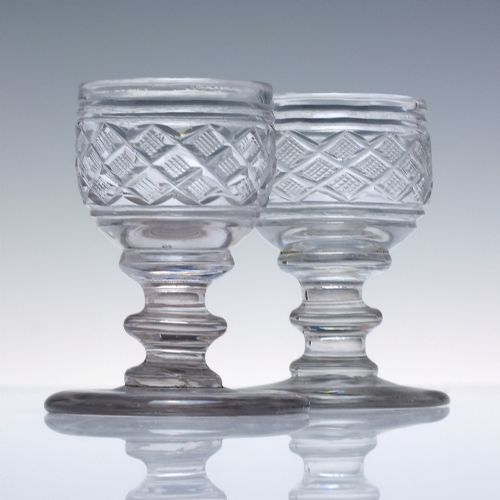
- A small historical drinking vessel proportioned for a single measure of whisky or spirits. Georgian examples frequently exhibit Anglo-Irish cut glass decoration.
- Lead crystal
- Glass containing metal oxide that increases refractive index, weight and brilliance. This material allows for deep, sharp geometric cutting.
Vintage Spirit Glass: Frequently Asked Questions
What is a spirit tantalus?
A spirit tantalus is a locking wooden caddy designed to hold crystal decanters securely in place. The frame prevents guests or servants from pouring drinks without authorization while keeping the bottles on display.
These units usually incorporate silver plated or sterling silver locking bars and handles. They became popular household items during the Victorian and Edwardian eras.
How do I date a cut glass decanter?
Dating a decanter involves examining the shape of the body, the style of the cut facets, and the formation of the base. Pontil marks underneath indicate older hand-blown manufacturing methods.
Silver collars with visible Birmingham or Sheffield hallmarks provide a precise year of manufacture. The presence of square section profiles or mushroom stoppers also points toward specific nineteenth-century decades.
What were campaign spirit sets used for?
Campaign spirit sets served officers and travellers who required portable refreshment during military deployment or long journeys. The fitted leather cases protected multiple glass flasks or bottles from breaking.
These compact kits often included silver-topped flasks and small drinking cups. They were built for durability and convenience away from permanent residences.
How should I clean antique glass decanters?
Cleaning antique decanters requires lukewarm water and mild detergent, avoiding sudden temperature changes that can crack old glass. Stubborn interior residue can be addressed with specialised cleaning beads rather than harsh abrasives.
Silver collars must be polished carefully to prevent cleaning agents from contacting the glass or interior seals. Storing decanters with stoppers slightly loose prevents them from sticking over time.