




Cut Glass Tumblers
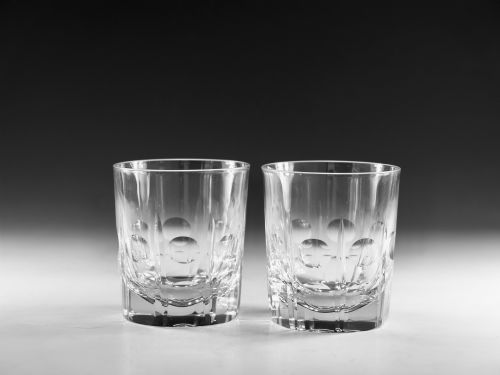
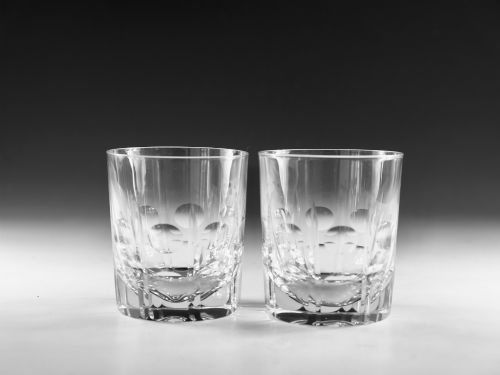
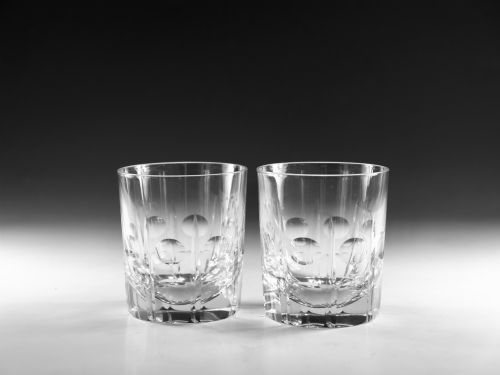
Cut glass tumblers bring substantial weight and intricate facets to the table, making every drink feel deliberate.
Cut Glass Tumblers
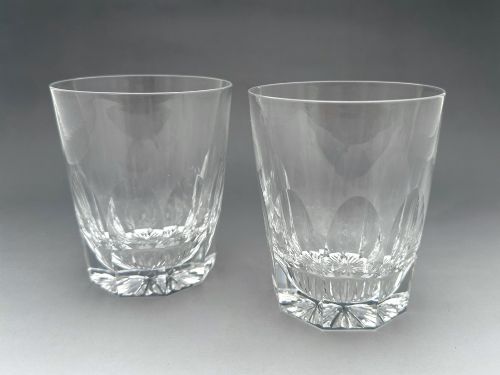
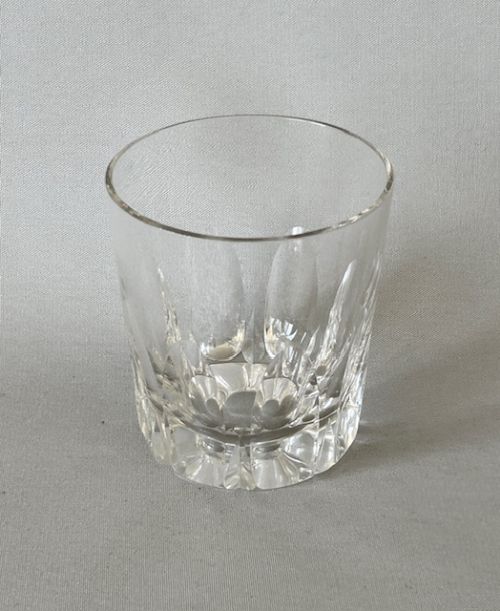
Cut glass tumblers are heavy drinking vessels defined by deep geometric or linear facets carved into the walls. When buyers search for cut glass tumblers, they encounter sturdy drinking vessels designed for whisky, water, and cordials originating from the Georgian, Victorian, and Edwardian eras.
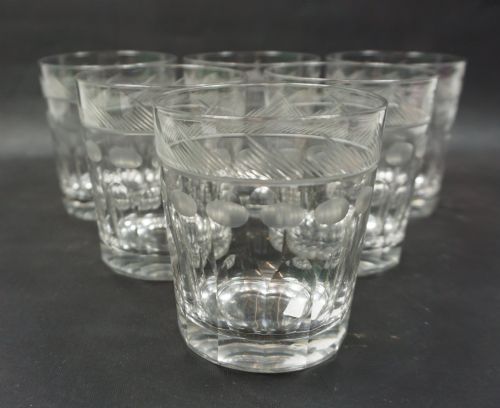
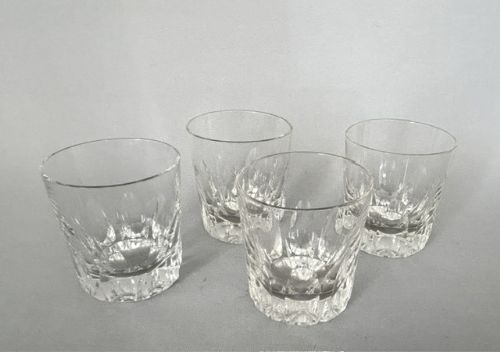
The most common versions met on this page are sets of Victorian and Edwardian English whisky tumblers, often found in pairs or larger groupings of four, six, or eight pieces. These vessels typically possess flat, heavy bases and substantial walls that provide a reassuring grip and balance in the hand.
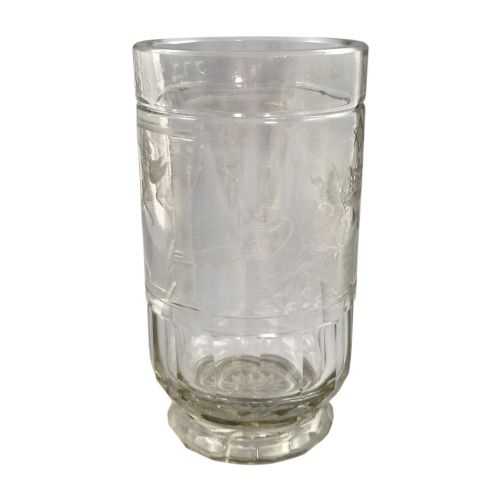
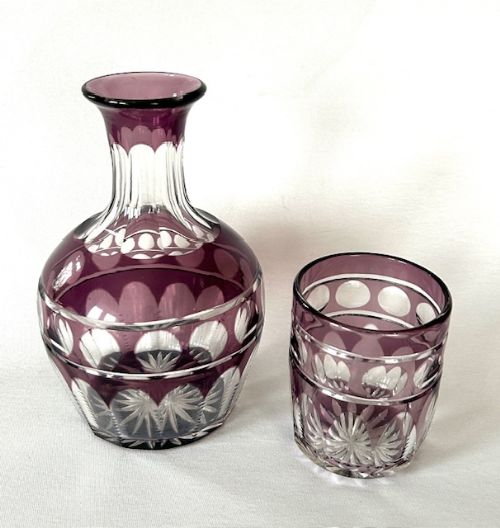
Alongside standard drinking tumblers, the selections include larger flip glasses, ceremonial beakers, and matching sets complete with decanters or carafes. Origins span English production alongside Bohemian and Czech workshops, offering both clear lead crystal and flashes of ruby or amethyst colour.
How they were made
The primary material across these pieces is lead crystal or heavy clear glass, chosen for its refractive brilliance and density. Artisans shaped the raw metal by blowing glass into moulds or free-blowing the vessel before cooling it for subsequent cold-work decoration.
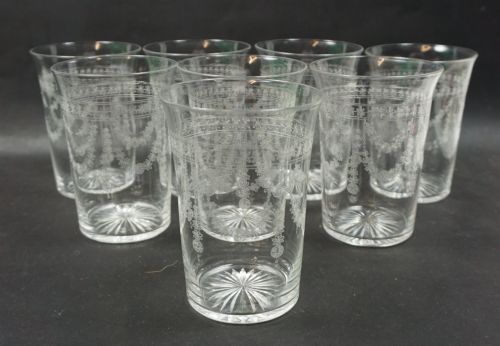
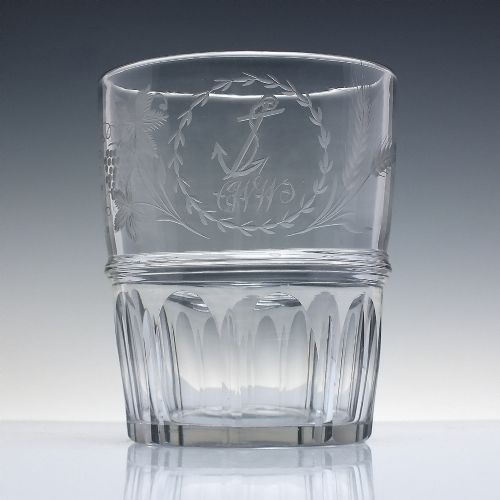
Decoration relied on skilled wheel-cutting, where craftsmen pressed the glass against rotating stone or metal wheels fed with abrasive grit to carve flutes, diamonds, and stars. Finer examples received secondary embellishments such as acid etching or intricate hand-engraving depicting motifs and scenes.
Listings feature lead crystal and ruby flash glass from Victorian, Edwardian, and Georgian periods.
What varies in quality
Quality rests upon the crispness of the cutting and the weight of the metal itself. Superior examples display sharp, cleanly defined edges along every facet that catch the light directly, whereas lower tiers show softened or rounded lines from hasty finishing.
The overall balance and thickness of the glass distinguish finer sets from everyday utility ware. Heavy lead crystal provides a sonorous ring when tapped and a profound depth to the optical play through the walls.
The Cut Glass Tumblers Glossary
- Lead Crystal
- Glass containing a high proportion of lead oxide, which increases the weight, clarity, and light-refracting properties of the vessel. This composition allows for deeper, sharper facet cutting.
- Flip Glass
- A tall, tapering Georgian drinking tumbler with a flat base, historically used for serving beer or mixed drinks. These pieces often feature delicate hand-engraving near the rim.
- Ruby Flash Glass
- Clear glass coated with a thin layer of red glass on the surface before being cut away to reveal the clear glass beneath. This technique creates high-contrast red and clear patterns.
- Wheel Engraved
- A decorative technique where the glass is held against small rotating metal or stone wheels to grind shallow, detailed pictorial or abstract designs into the surface.
- Acid Etched
- A process using hydrofluoric acid to eat away exposed areas of glass, producing frosted or matted decorative patterns that contrast with polished cut facets.
Cut Glass Tumblers: Frequently Asked Questions
What were cut glass tumblers used for?
These robust vessels served primarily for consuming spirits such as whisky and brandy, alongside everyday water service at the dining table. Larger pint-sized and three-quarter pint formats accommodated longer drinks or ale.
Finer cordials and small beakers held specialised drams after dinner. Their weighted bases prevented tipping during lively gatherings.
How do I tell Victorian tumblers apart from Edwardian ones?
Victorian tumblers frequently exhibit deeper, bolder hobnail or heavy diamond cutting paired with thick, utilitarian walls designed for daily tavern or parlour use. They often carry a darker, more industrial weight in the hand.
Edwardian examples tend toward brighter, lighter lead crystal with refined starbursts, swags, and panel cuts. The overall silhouette becomes slightly more slender and uniform as manufacturing precision advanced.
Can I use antique cut glass tumblers every day?
These vessels were built for actual use and possess sturdy walls that handle regular dining duties comfortably. Hand washing in warm water keeps the polished facets brilliant and safe from thermal shock.
Avoiding modern dishwashers preserves the historic glass surface and prevents microscopic pitting on the high points of the cut decoration.
What is Bohemian cut glass?
Bohemian glass originates from the historic regions of Bohemia, now part of the Czech Republic, renowned for centuries of master glassmaking. These pieces often incorporate rich coloured overlays like ruby red or amber alongside deep, complex wheel-engraved scenes.
Masonic and ceremonial beakers from this tradition frequently showcase elaborate commemorative motifs executed with exceptional artistic depth.