
Antique Crystal Glassware
Antique crystal glassware offers brilliant clarity and weight, bringing genuine period elegance to any table.
What antique crystal glassware is
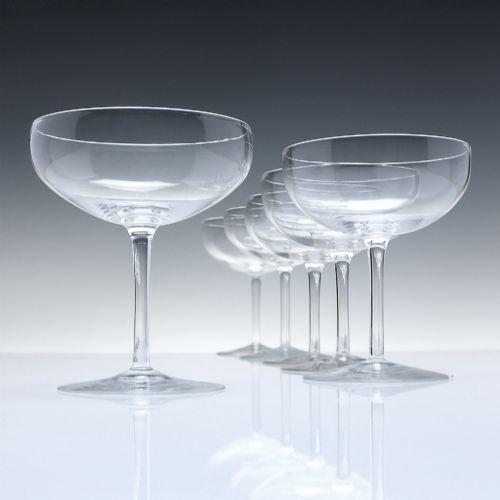
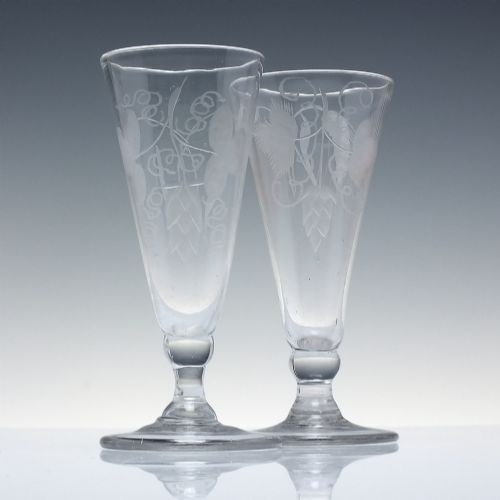
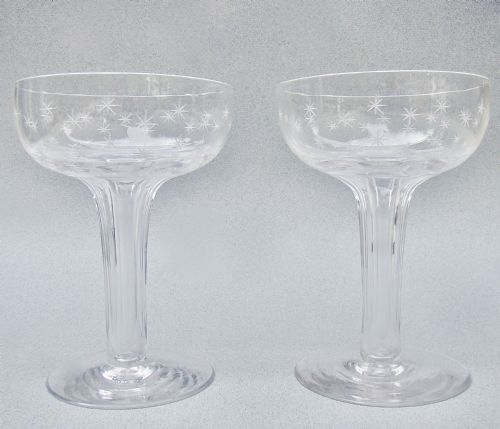
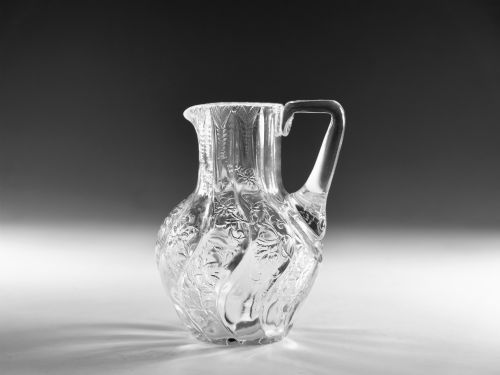
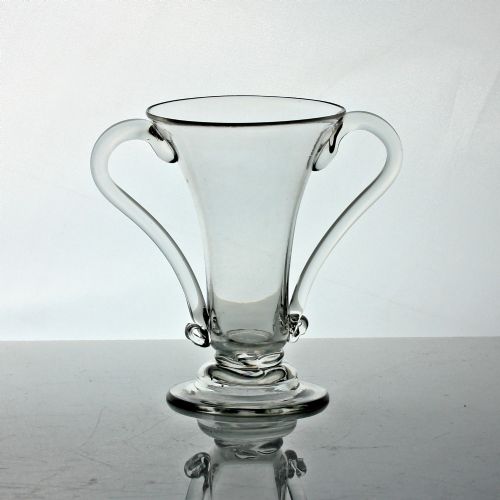
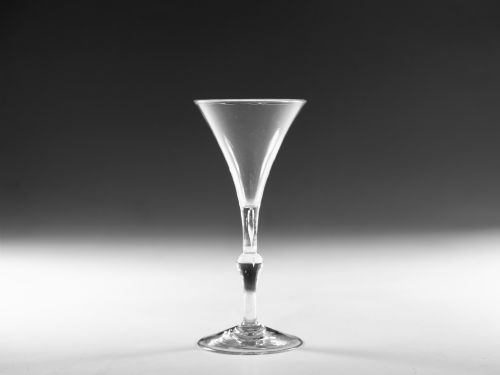
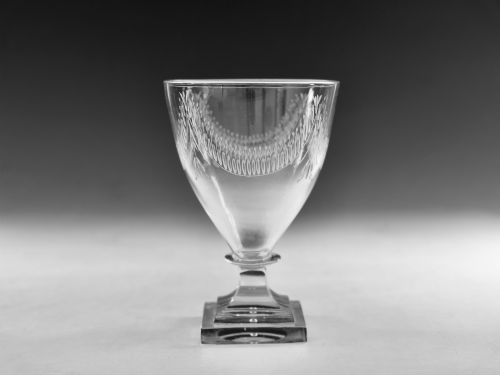
Antique crystal glassware encompasses drinking vessels and serving pieces shaped from heavy lead glass and cut crystal. When buyers search for antique crystal glassware, they encounter practical items such as whisky tumblers, wine glasses, rummers, and ice plates.
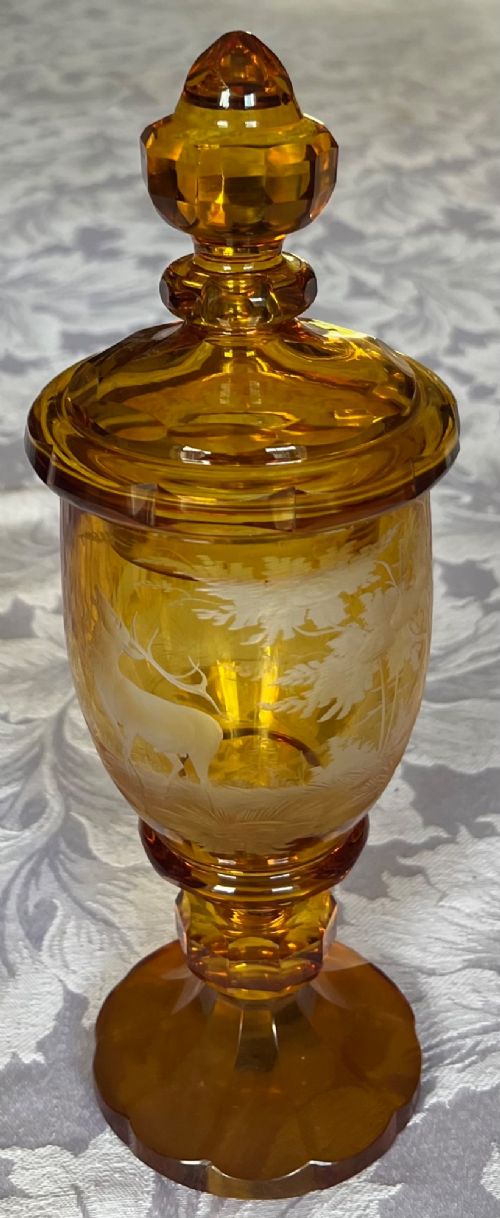
The selections span the Victorian era, the Edwardian period, and the early twentieth century, alongside specific Bohemian examples. Matching sets and pairs dominate the available forms, ranging from single pairs of large tumblers to sets of twelve plates or six wine glasses.
How antique crystal glassware was made
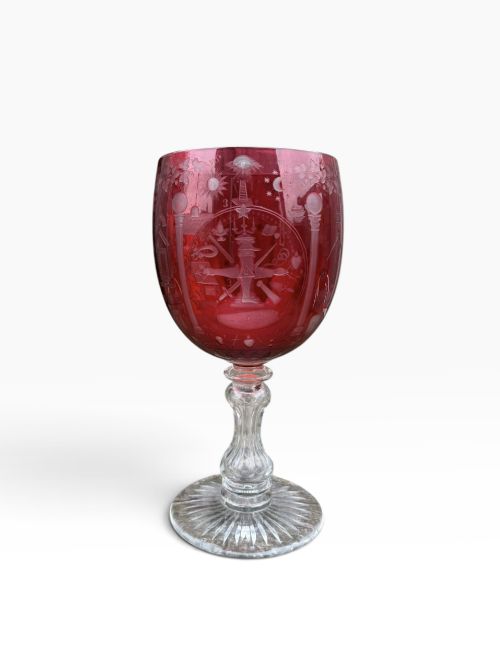
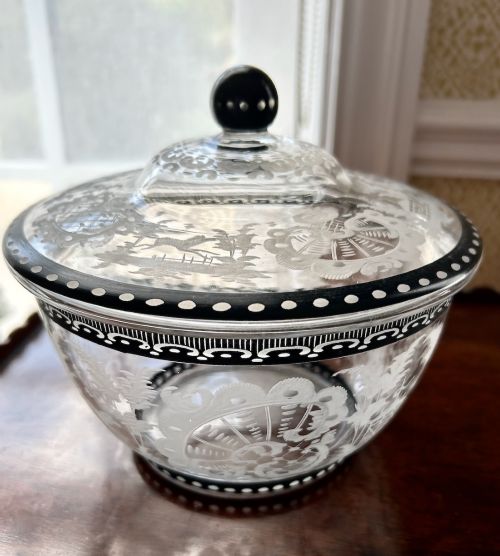
Makers utilised heavy lead crystal, lead glass, and clear glass, sometimes incorporating overlay glass for distinct colour contrast. Pieces were free blown or moulded before artisans applied deep wheel cutting to create faceted patterns that refract light.
The combination of high lead content and manual cutting produced the characteristic weight and brilliance seen across Victorian rummers, Edwardian tumblers, and Georgian-style wine glasses.
Retail Price Guide 2026
Typical UK retail prices for crystal glassware, calculated from the Sellingantiques database of over a million retail prices indexed since 2003. This retail price guide relies exclusively on Sellingantiques data; no external sources or auction records are used, so the figures do not describe the wider market.
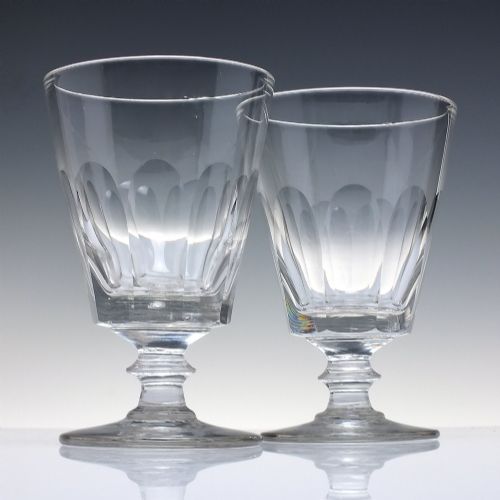
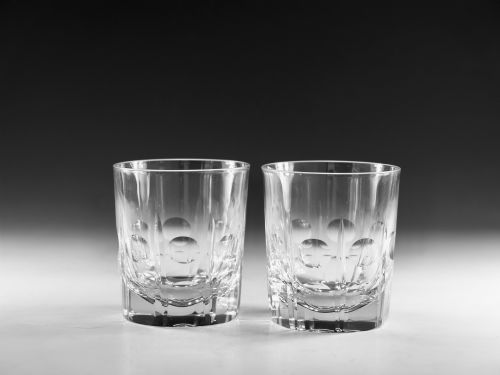
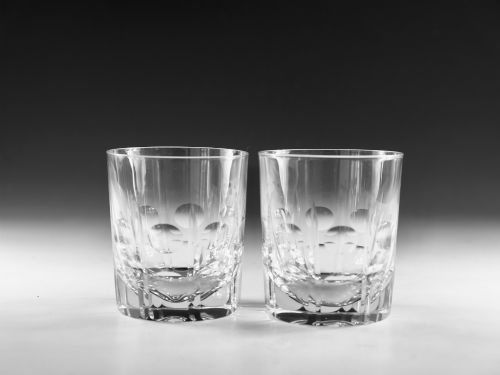
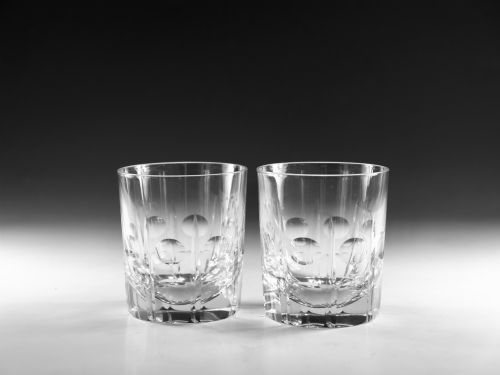
Early twentieth-century drinkers clearly enjoyed a generous measure, judging by the hefty proportions of these heavy cut-glass whisky tumblers.
What varies in quality
Quality rests in the precision and depth of the wheel cutting, where sharper facets and balanced symmetry elevate a piece. The purity of the metal itself, free from cloudiness or heavy impurities, dictates the resonance and clarity of the vessel.
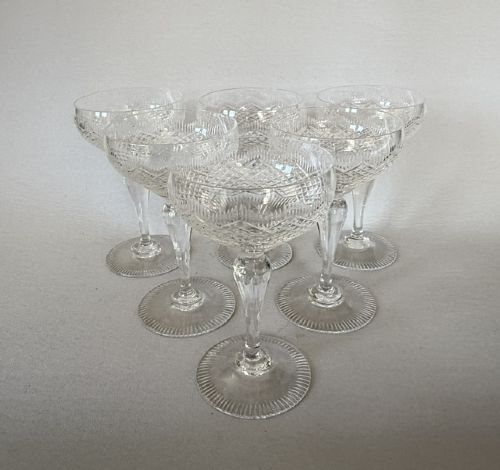
Consistency across a set, especially in matched groups of six or twelve ice plates and wine glasses, separates standard utilitarian wares from superior dining services.
The Antique Crystal Glassware Glossary
- Lead crystal
- Glass containing a significant proportion of lead oxide, which increases weight, brilliance, and the ease of decorative cutting. This composition gives antique glassware its characteristic ring and clarity.
- Rummer
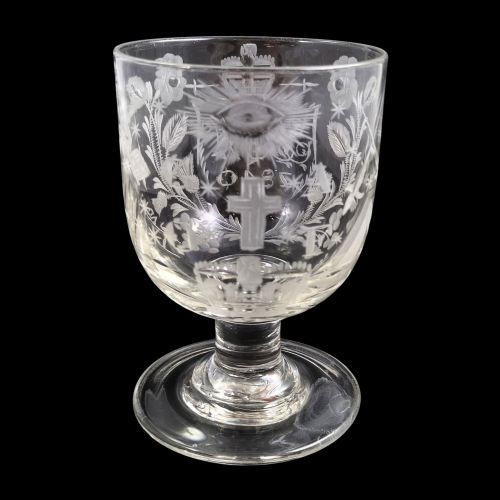
- A large, sturdy drinking glass popular in the nineteenth century, typically featuring a short stem and a capacious bowl used for ale or wine. These heavy vessels form a staple of Victorian tablewares.
- Free blown
- A forming technique where molten glass is gathered on the end of a blowpipe and shaped entirely by breath and hand tools without the aid of a full mould. This method results in subtle individual variations across sets of plates or glasses.
- Overlay glass
- A layered material created by fusing a thin casing of coloured glass over a clear or contrasting body, which is then partially cut away to reveal the underlayer. Bohemian makers frequently utilised this technique for decorative effect.
Frequently Asked Questions
How do I clean antique crystal glassware?
Wash pieces by hand in warm water using a mild detergent, avoiding sudden temperature changes that can crack the lead glass.
Dry them immediately with a lint-free linen cloth to maintain their brilliant surface lustre.
Can I use antique crystal glassware daily?
Many items, such as heavy tumblers and wine glasses, remain robust enough for regular use if handled with proper care.
Hand washing prevents the cloudy etching that modern dishwashers cause on older lead crystal surfaces.
What is the difference between glass and crystal?
Crystal contains lead oxide, which adds substantial weight, brilliance, and a resonant ring when struck.
Standard glass lacks this lead content, resulting in a lighter feel and less light refraction.
How do I date antique crystal glassware?
Examine the cutting style, weight, and pontil marks on the base to determine the period of manufacture.
Victorian and Edwardian examples often display deeper facet cuts and heavier metal compared to later pieces.