
Victorian Glass Tableware
Victorian glass tableware brings functional brilliance to the table, combining clear and cranberry glass with sterling silver and silver plate.
Victorian Glass Tableware
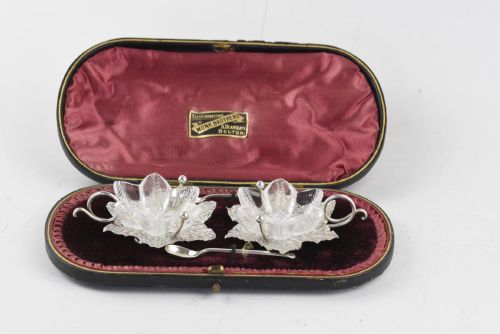
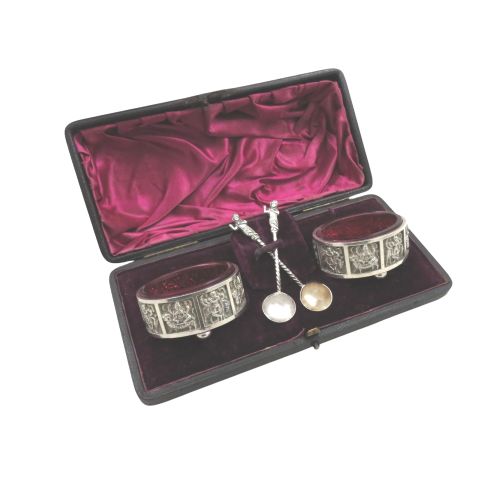
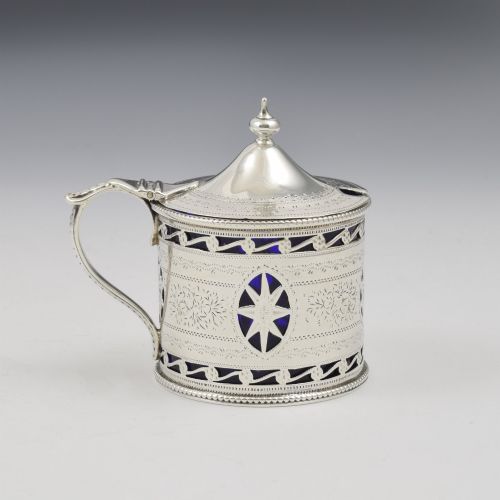
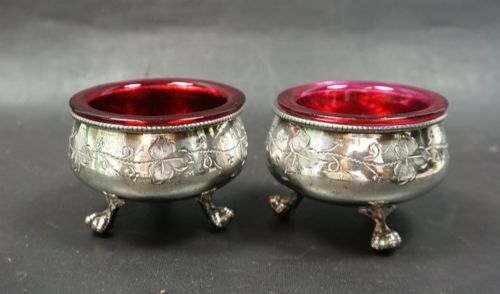
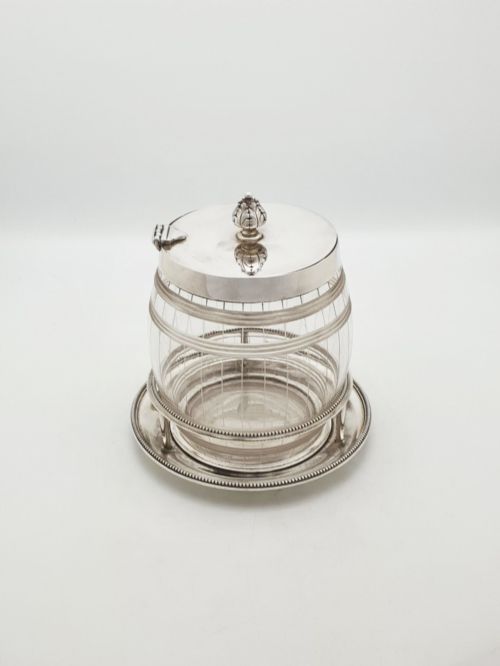
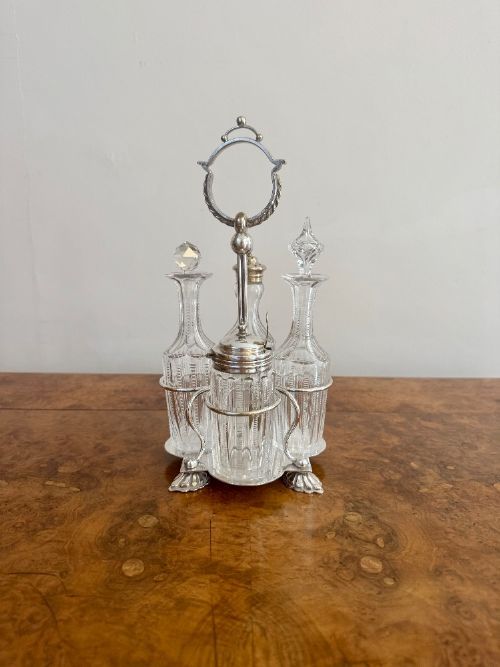
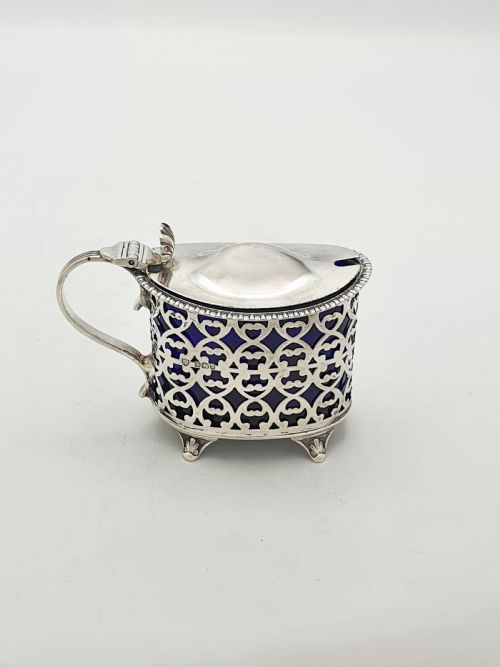
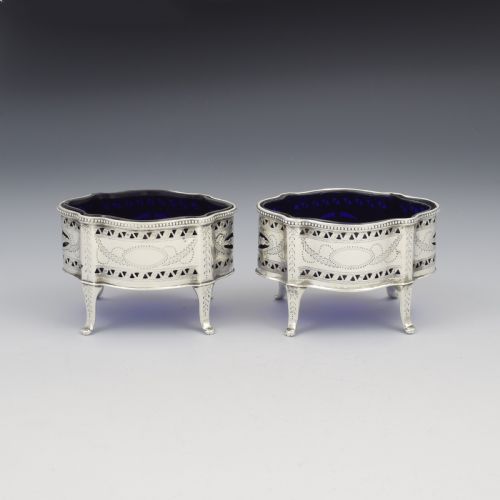
When you search for victorian glass tableware, you encounter a diverse range of functional and decorative pieces spanning the nineteenth century. The selection includes cruet sets, salt cellars, biscuit barrels, mustard pots, decanters, and bowls designed for formal dining.
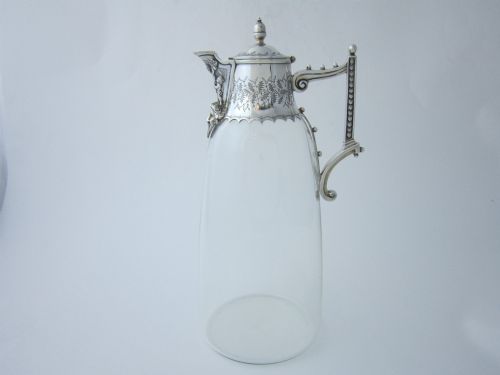
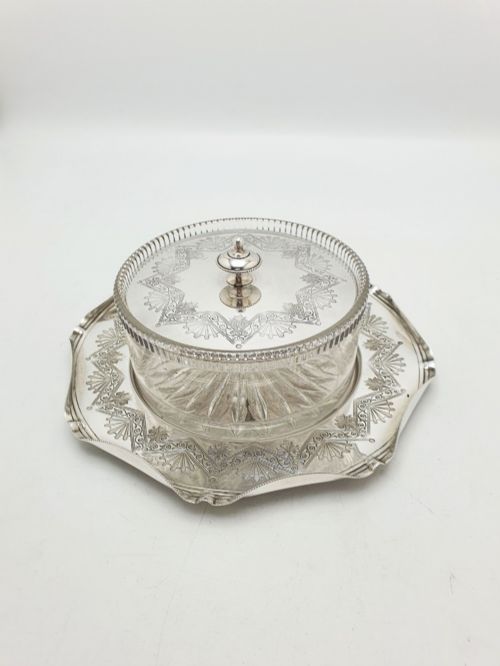
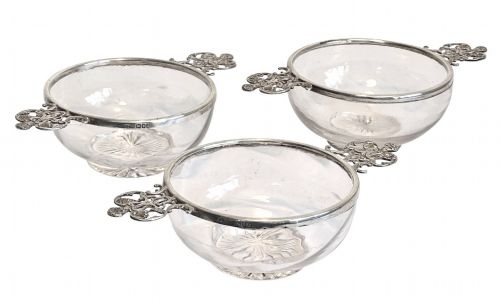
You frequently meet pieces that combine glass with sterling silver or silver plate mounts. These hybrid items range from simple butter dishes with glass liners to elaborate claret jugs and multi-bottle cruet stands.
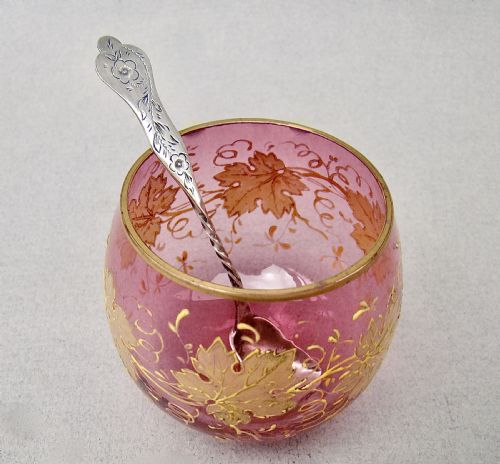
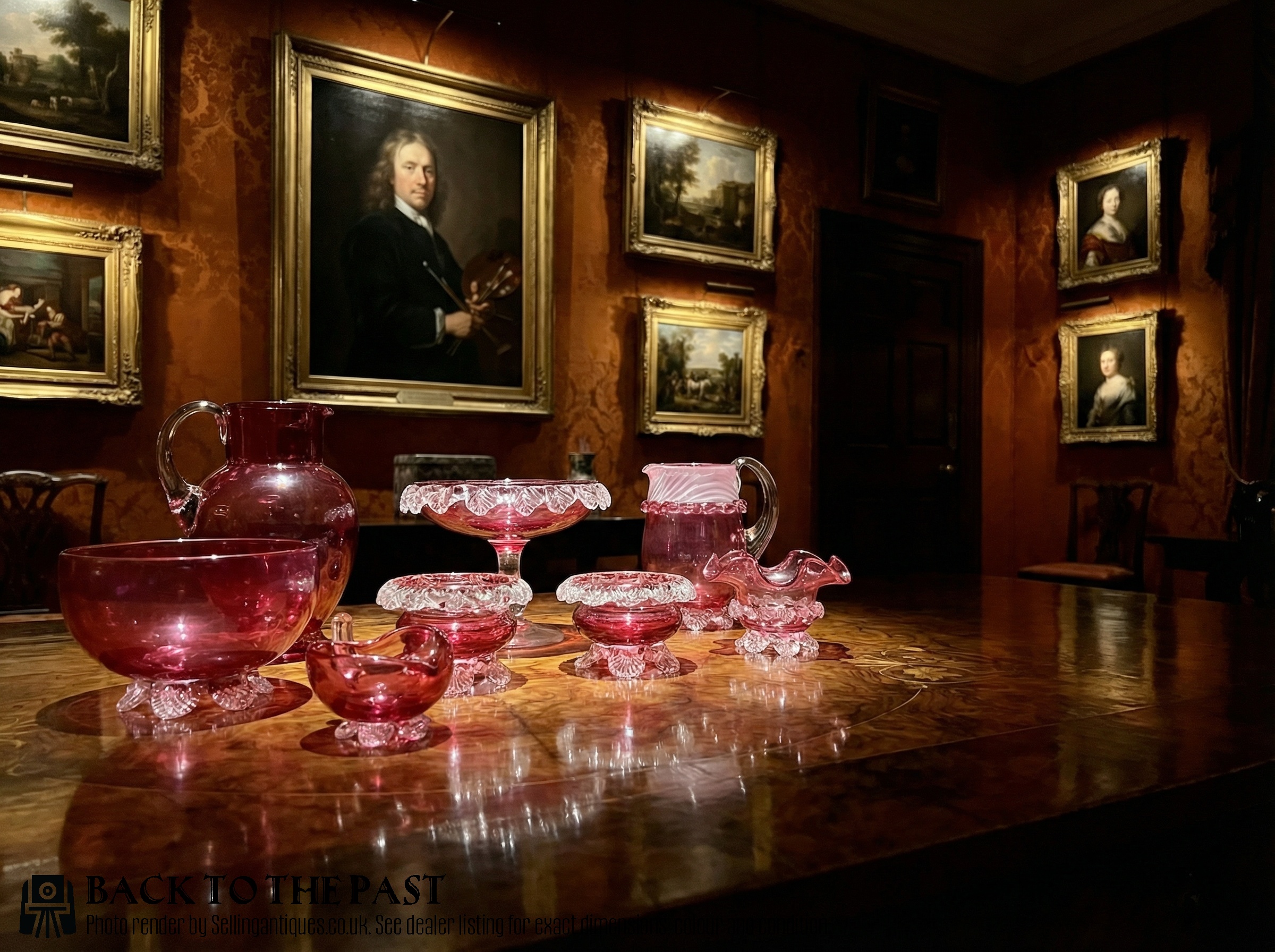
The objects originate primarily from the Victorian and Edwardian periods, displaying styles from early Victorian through to the Aesthetic Movement and late Victorian revivals. Many items incorporate distinct glass types, notably cranberry glass and heavy cut crystal.
Materials and Techniques
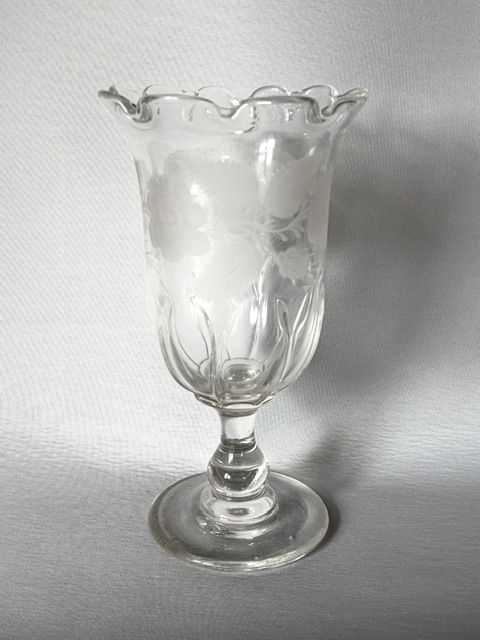
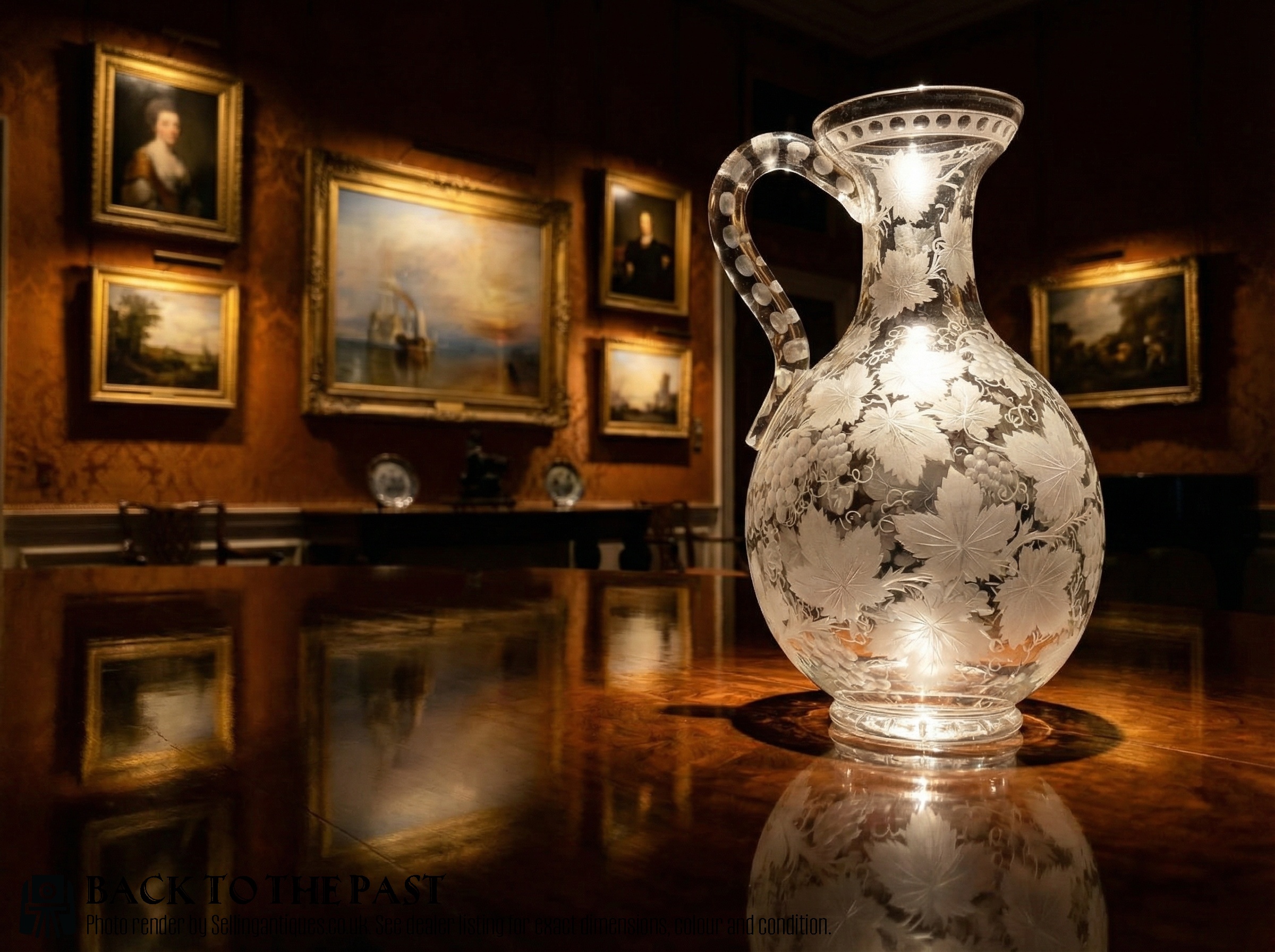
Makers utilised lead crystal, clear glass, and coloured varieties such as cranberry glass, often shaping them through hand blowing and deep cutting. Surface decoration frequently involved etching, engraving, and parcel gilding.
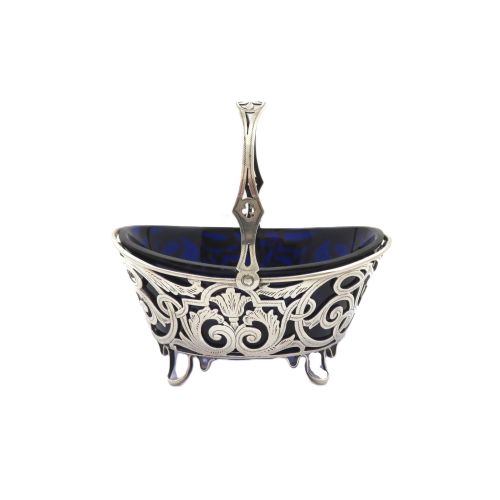
Metal components relied on sterling silver and silver plate, which were cast, pierced, and engraved to form mounts, handles, and stands. Silversmiths integrated these metal elements securely with the glass vessels using collars and fitted rims.
Victorian Glass Tableware Retail Price Guide 2026
Typical asking prices for victorian glass tableware among the pieces listed under this phrase on Sellingantiques today, from the lower quarter to the upper quarter. They describe what is for sale here now, not the wider market.
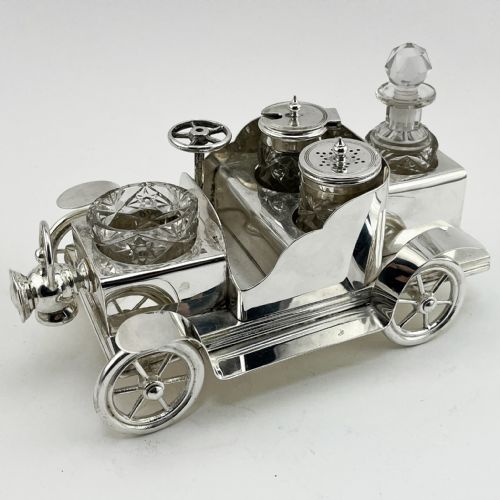
Carriage and vintage car cruet sets allowed Victorian travellers to season their meals while on the move.
Quality and Craftsmanship
The distinction between standard and superior pieces rests on the crispness of the glass cutting and the weight of the metal mounts. Heavy lead crystal and substantial sterling silver elements indicate higher grade manufacturing.
Design complexity also sets finer examples apart, particularly pierced silver work, cast floral handles, and detailed engraving. Makers known for high production standards achieve a sharper definition in both the glass facets and the silver ornamentation.
Nathan and Hayes·William Comyns·Elkington and Co·Walker and Hall·Moser
The Victorian Glass Tableware Glossary
- Cranberry glass
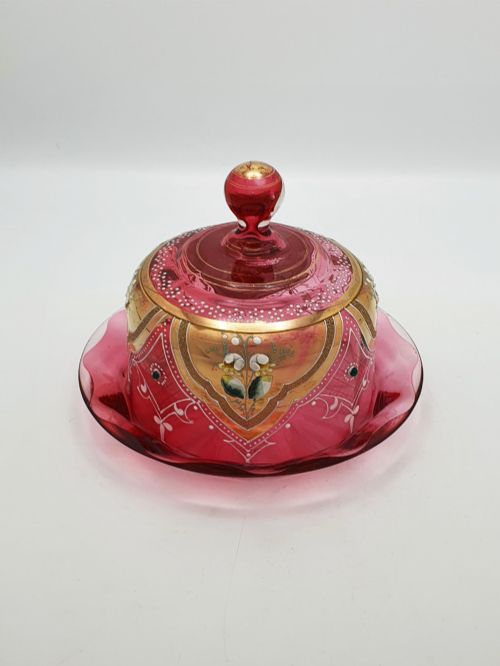
- A rich red-pink transparent glass coloured with gold chloride during production. It appears frequently in Victorian bowls, salts, and biscuit barrels.
- Cruet set
- A matched collection of glass bottles or jars for condiments, held within a silver or silver-plated stand. They typically contain oil, vinegar, mustard, and pepper.
- Biscuit barrel
- A covered ceramic or glass container designed for storing dry biscuits on the dining table. They often feature elaborate silver-plated or sterling silver mounts and swing handles.
- Claret jug
- A large pouring vessel designed for serving red wine at the table. These pieces usually combine a blown glass body with a silver spout, hinged lid, and handle.
Victorian Glass Tableware: Frequently Asked Questions
What is cranberry glass?
Cranberry glass is a distinctive transparent red-pink glass created by adding gold to the molten mixture. It became immensely popular during the Victorian era for decorative tableware.
Craftsmen utilised this vibrant material for items like salt cellars, bowls, and biscuit barrels, often pairing it with pierced silver mounts.
How were cruet sets used?
Cruet sets held liquid and dry seasonings for the dining table, including oil, vinegar, mustard, and pepper. They allowed guests to flavour their food individually.
The sets typically featured several glass bottles fitted into a dedicated silver-plated or sterling silver stand with a central carrying handle.
What is a biscuit barrel?
A biscuit barrel served as a covered container for dry biscuits and crackers during formal tea or dinner services. They sat prominently on the sideboard or table.
Victorian examples usually combined a cut glass or cranberry glass body with a silver-plated hinged lid, rim, and swing handle.