


Victorian Glass Pitcher
A victorian glass pitcher brings heavy-handed nineteenth-century craft to the table, offering a functional vessel that doubles as a display piece.
Victorian Glass Pitcher
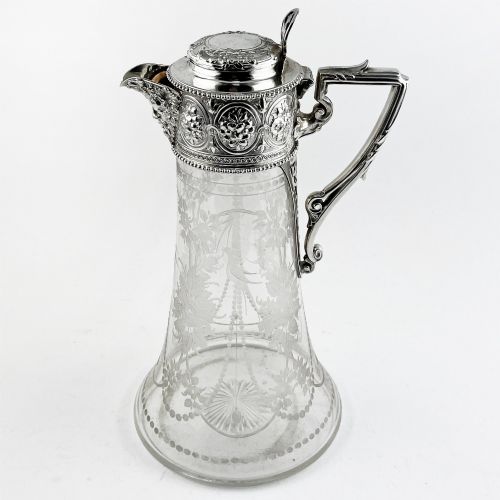
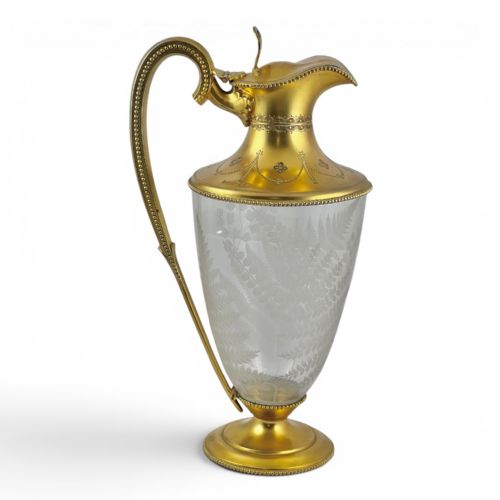
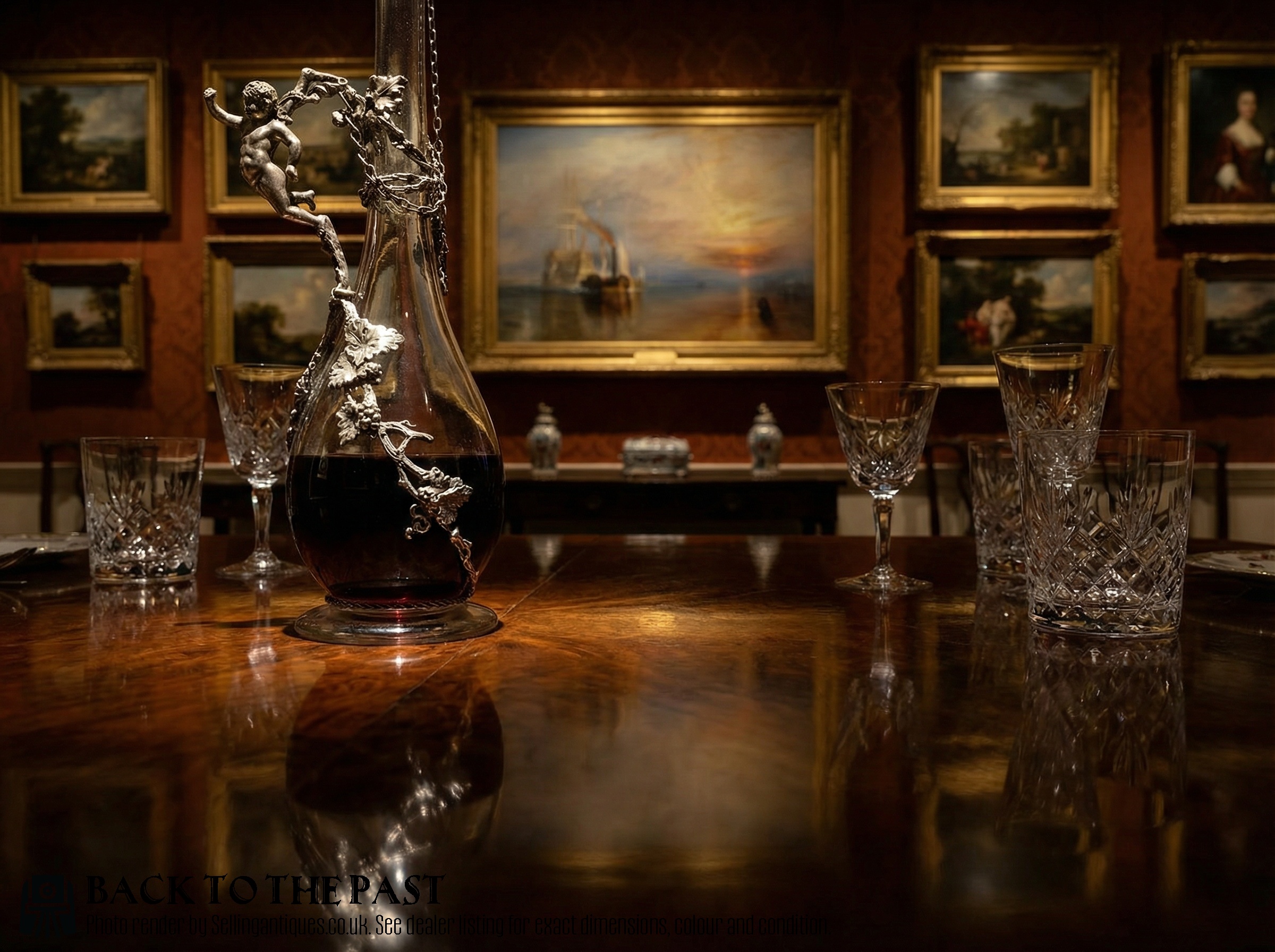
A victorian glass pitcher encompasses a diverse group of serving vessels designed for water, wine, claret, and lemonade during the nineteenth century. These objects appear in clear, cut, and coloured glass forms, frequently paired with sterling silver or silver-plated mounts.
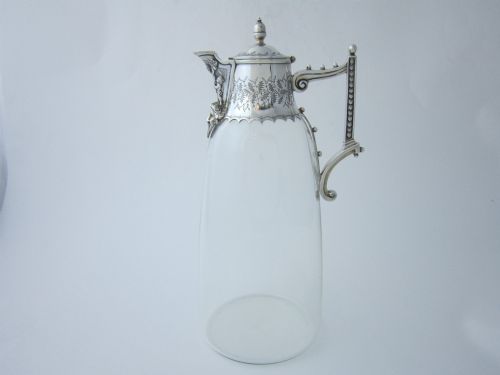
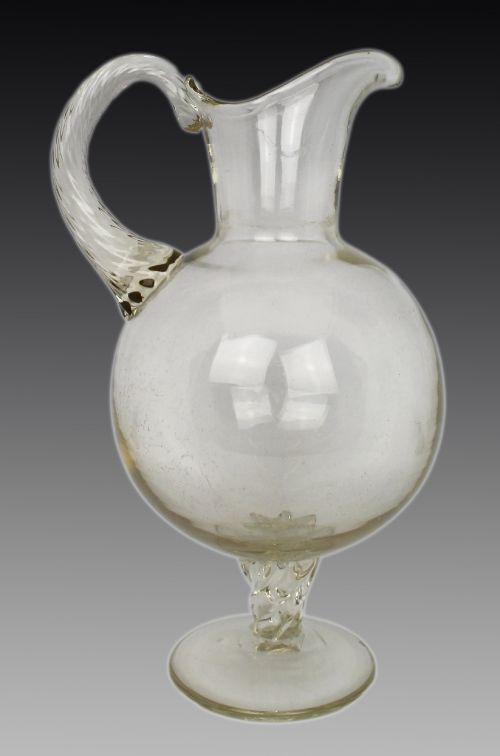
The category spans multiple functional shapes including claret jugs, water ewers, and decanters dating from the 1860s through the Edwardian era. Makers across England, Bohemia, and Italy produced these vessels with varied decorative programmes ranging from simple enamel painting to heavy wheel-cutting.
How They Were Made
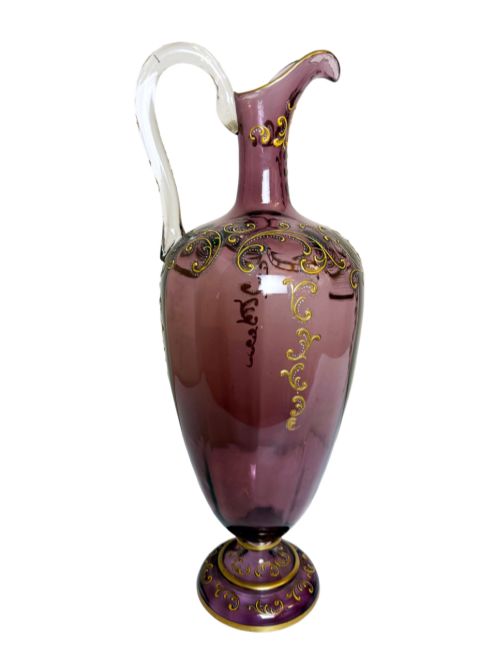
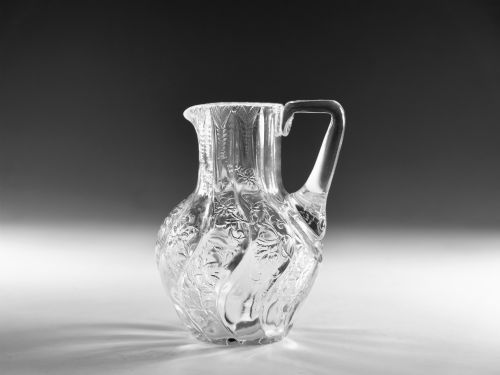
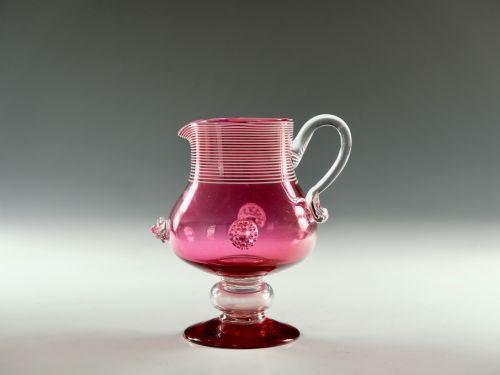
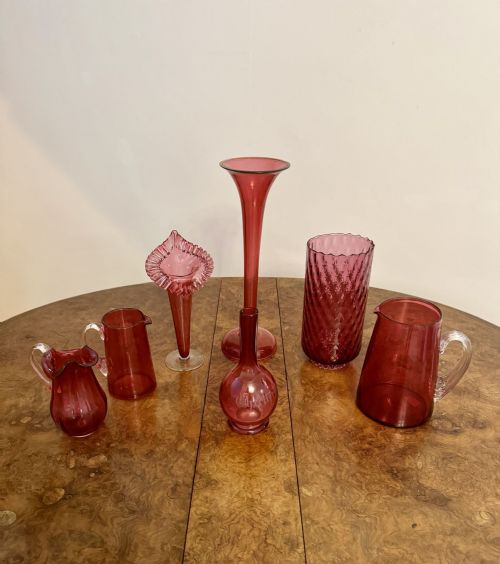
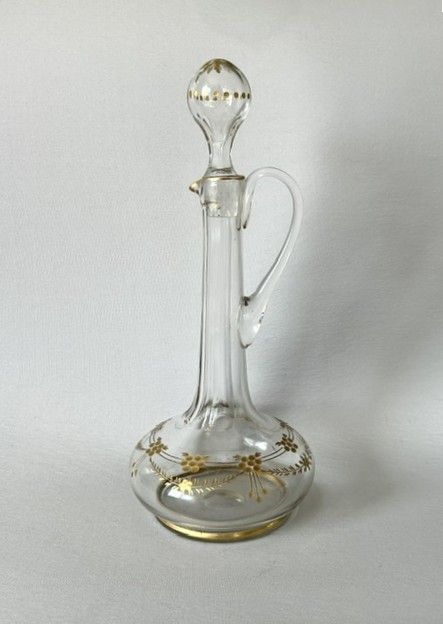
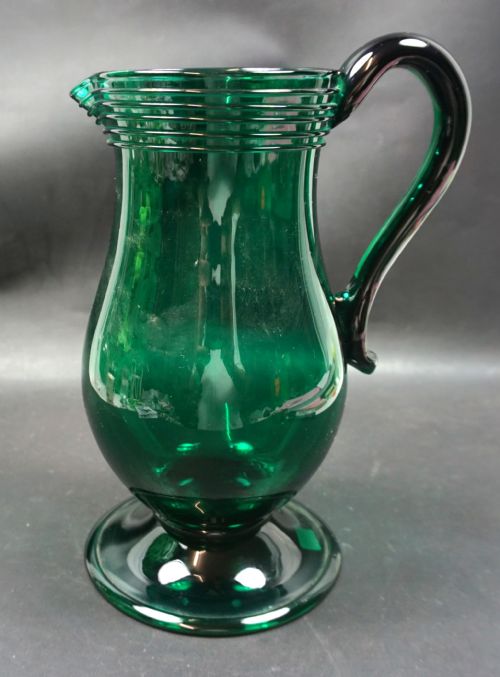
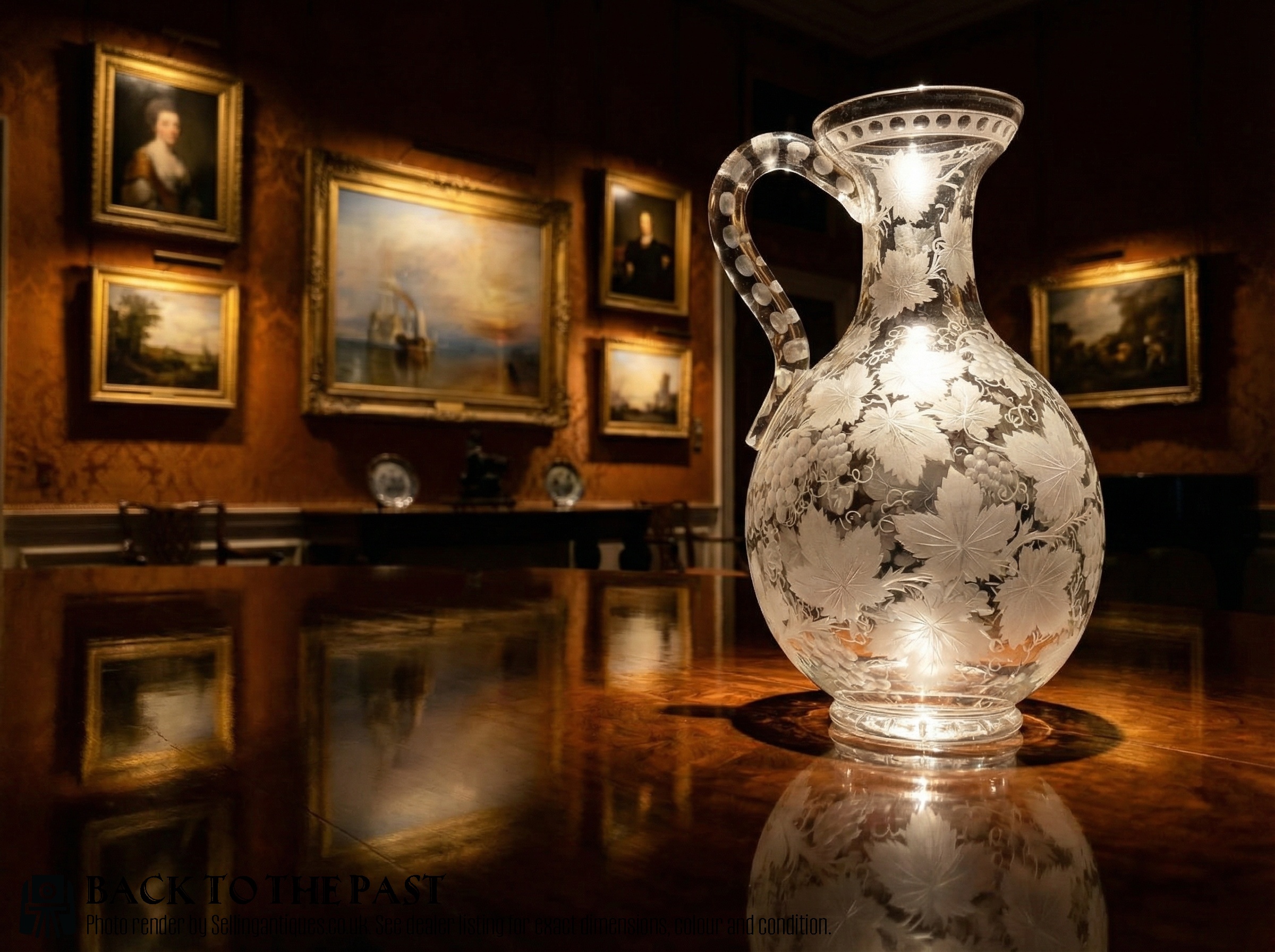
Glassmakers utilised traditional techniques such as free-blowing, mould-blowing, and heavy wheel-cutting to shape clear, cranberry, green, and amethyst metal. Surface ornamentation involved acid etching, hand-painted gilt applique, floral engraving, and latticinio threads embedded in the handle or body.
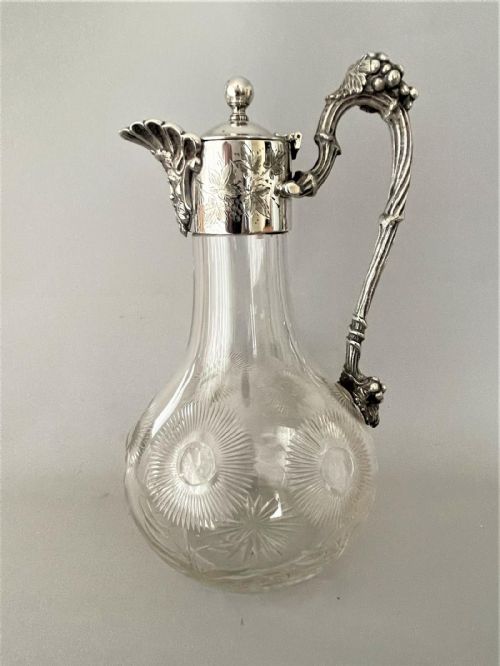
Metalworking formed an integral part of production, where silversmiths and electroplaters fitted vessels with cast or chased handles, collars, and hinged lids in sterling silver or silver plate. Specific mounts often incorporated naturalistic motifs like serpent handles or Bacchus masks secured to the glass body.
Victorian Glass Pitcher Retail Price Guide 2026
Typical asking prices for victorian glass pitcher among the pieces listed under this phrase on Sellingantiques today, from the lower quarter to the upper quarter. They describe what is for sale here now, not the wider market.
Several Victorian lemonade pitchers secretly hid internal ice tubes to keep drinks cold without diluting the claret or cordial.
What Varies in Quality
The calibre of a piece rests on the crispness of the glass cutting and the weight of the metal mounts. Deep, clean wheel-cuts catch the light sharply, whereas softer facets indicate a rushed mould or lower lead content in the crystal.
Makers' marks on the silver mounts elevate a vessel, distinguishing standard electroplate from fully hallmarked sterling silver. The integration between glass body and metal collar reveals the maker's hand, where tight, secure seating separates standard workshop output from finer production.
Asprey and Co. Ltd·Stevens and Williams·Mappin and Webb·Richardsons
The Victorian Glass Pitcher Glossary
- Claret Jug
- A specialised vessel designed for serving red wine at the dining table. These typically feature a glass body with a silver-plated or sterling silver handle, spout, and hinged lid.
- Cranberry Glass
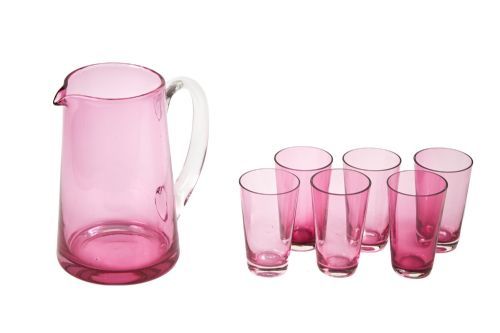
- A transparent pinkish-red glass produced by adding gold chloride to the molten batch. It gained immense popularity during the nineteenth century for decorative tableware.
- Overshot Glass
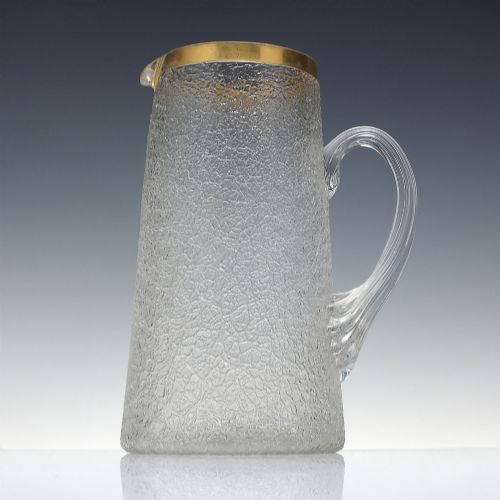
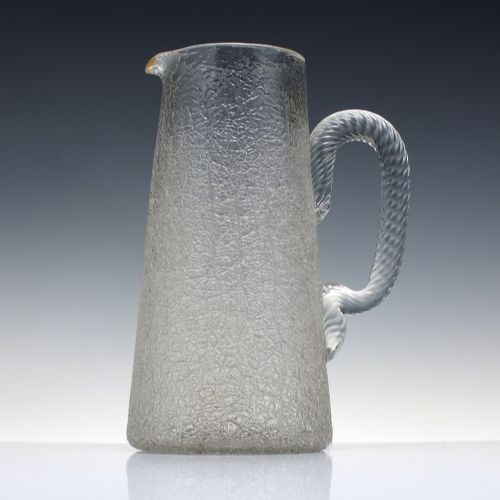
- A rustic glass technique where fine threads of glass are trailed across the hot surface to create a textured, icy appearance. This finish provides tactile contrast against smooth rims.
- Latticinio
- An intricate glassblowing technique involving opaque white or coloured glass threads twisted within clear glass. It creates delicate lace-like patterns inside the vessel wall.
- Ewer
- A large jug featuring a wide spout and a curved handle, traditionally used for pouring water. Victorian examples often take inspiration from earlier French Rococo or Italian forms.
Victorian Glass Pitcher: Frequently Asked Questions
How do I clean my antique pitcher?
Wash the glass by hand using warm soapy water and a soft bottle brush to protect any delicate gilding or enamel decoration. Avoid harsh abrasives and submerging silver mounts for extended periods.
Dry the metal immediately with a soft cloth to prevent water spots and tarnish accumulation. Store the vessel away from direct sunlight to preserve the rich tones of cranberry or green glass.
Were these pitchers meant for daily use?
Many nineteenth-century vessels served functional roles at the dining table for water, lemonade, and claret during formal meals. Thicker cut-glass iterations endured regular service, while delicate enamel-painted or gilt pieces likely saw more restrained parlour use.
Modern owners frequently utilise sturdy cut-glass examples for serving beverages or holding fresh flowers. Lighter pieces with extensive surface decoration remain better suited for decorative display.
How can I date a silver-mounted glass jug?
Hallmarks stamped onto the silver collar provide the most accurate date, recording the specific assay office and year of manufacture. London, Birmingham, and Sheffield marks often correspond directly to the silver components.
Stylistic cues in the glass, such as cranberry colouring or overshot textures, point towards the late nineteenth century. Comparing handle styles and mount motifs against documented Victorian design periods helps narrow the timeframe further.
What is the difference between a claret jug and a decanter?
A claret jug incorporates a fitted handle and a hinged metal spout designed for pouring wine directly at the table. Decanters generally lack handles and rely on a simple glass stopper to seal the contents.
Victorian claret jugs often display elaborate metalwork mounts and hinged lids operated by a thumbpiece. Decanters focus primarily on the glass body shape and stopper fit.