

Edwardian Glassware
Edwardian glassware brings together brilliant cut crystal, vibrant coloured vessels and delicate enamel decoration from the turn of the twentieth century.
Edwardian Glassware
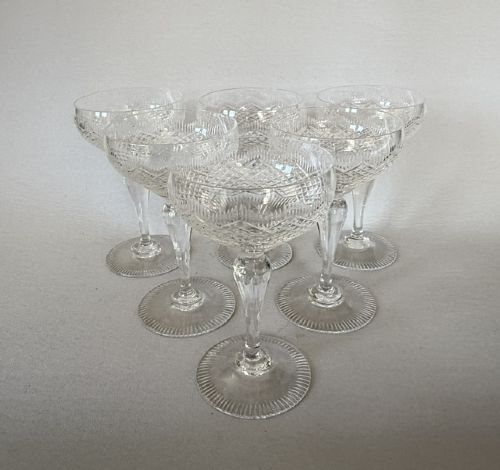
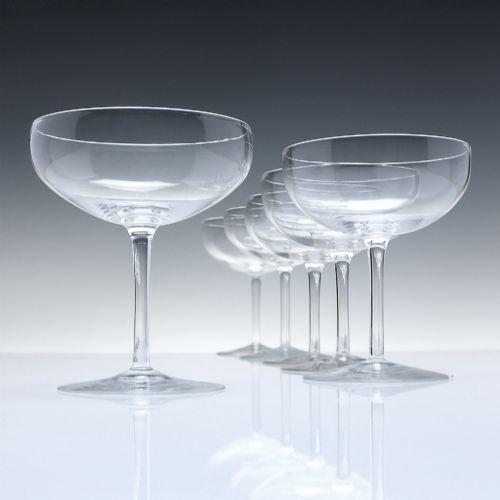
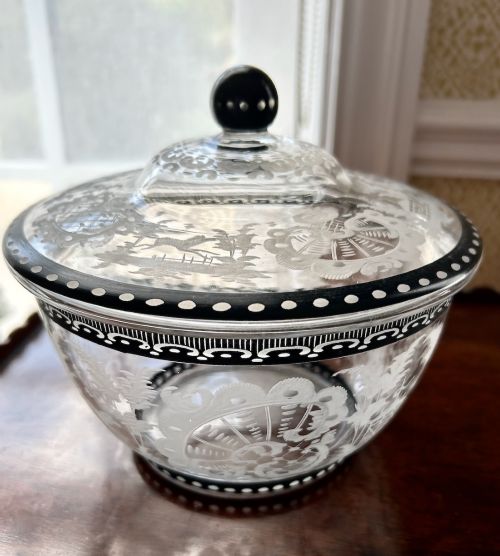
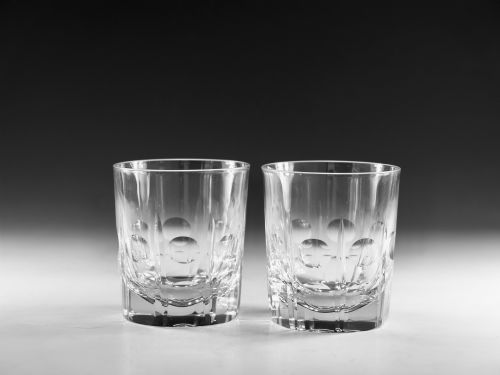
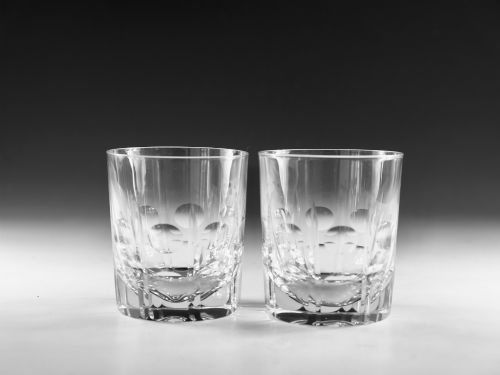
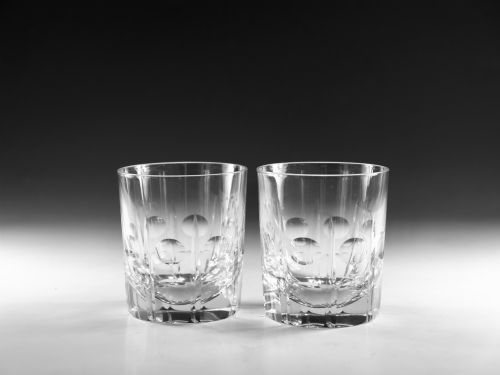
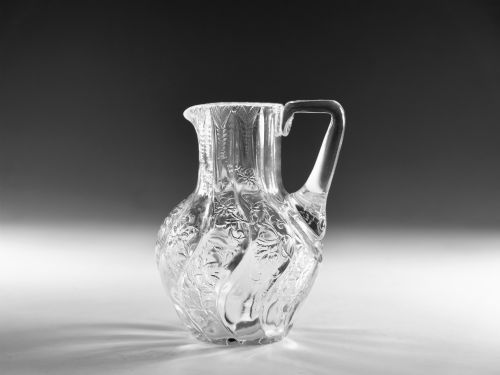
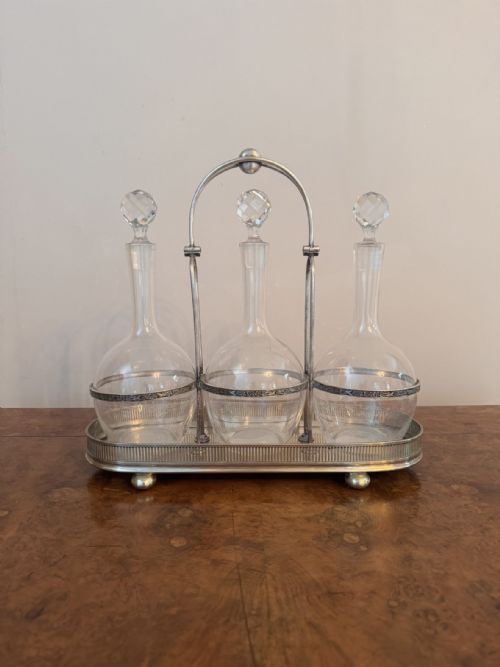
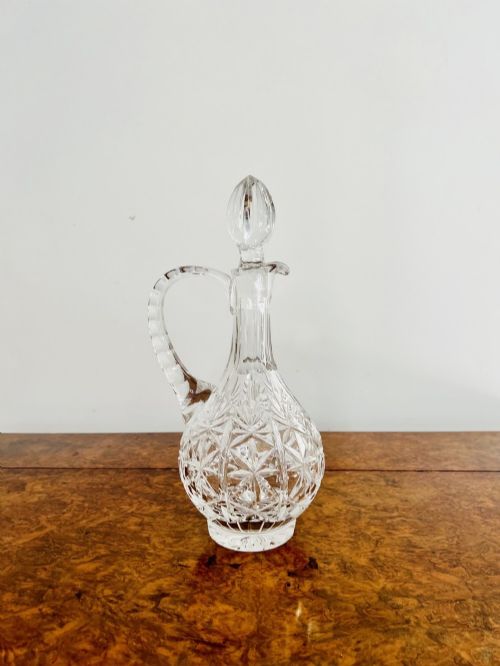
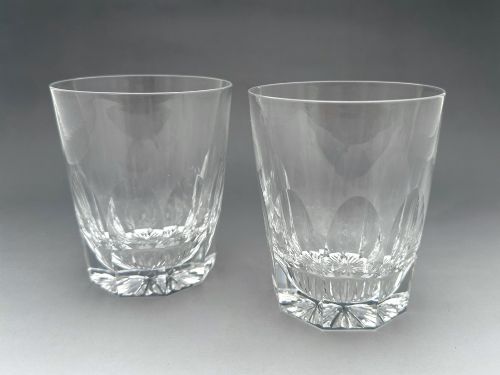
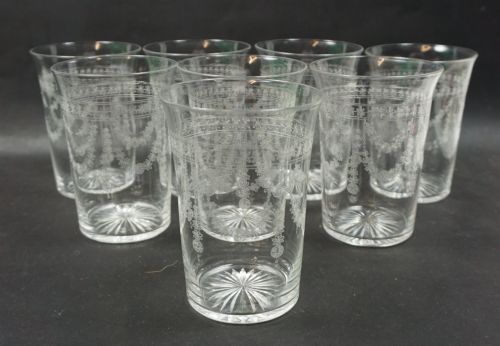
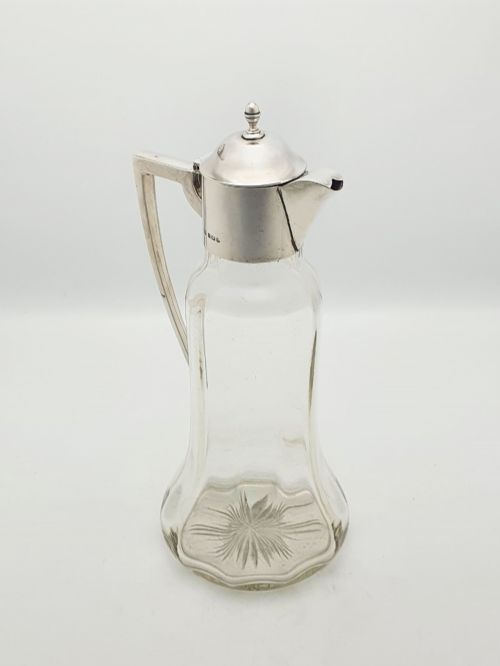
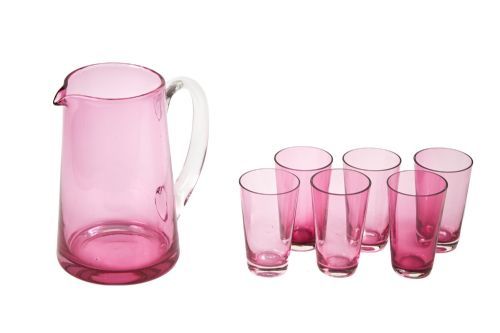
When you search for edwardian glassware, you encounter a diverse array of tablewares and display pieces originating primarily from the early twentieth century. The selection spans drinking vessels such as champagne coupes, tumblers, and cordial glasses, alongside larger serving forms including decanters, jugs, and biscuit barrels.
While the pieces bear the distinct aesthetic of the Edwardian period, the inventory also incorporates overlapping Victorian survivals and later 1920s expressions. Functional items designed for dining and entertaining dominate the selection, complemented by decorative vases and apothecary bottles.
Materials and Technique
Makers utilised lead crystal and clear glass as the primary foundation for many drinking vessels and decanters, shaping them through blowing and heavy cutting. Intricate surface patterns were achieved via acid etching, intaglio engraving, and wheel cutting.
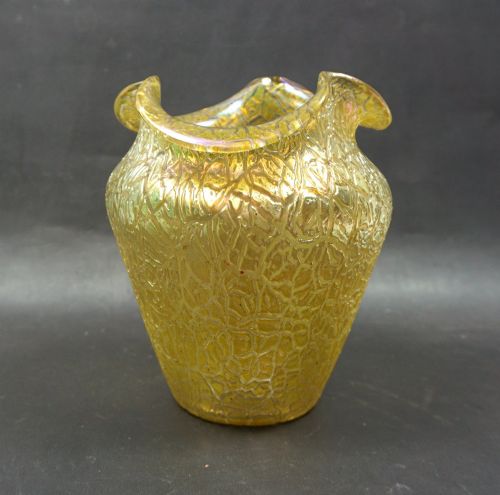
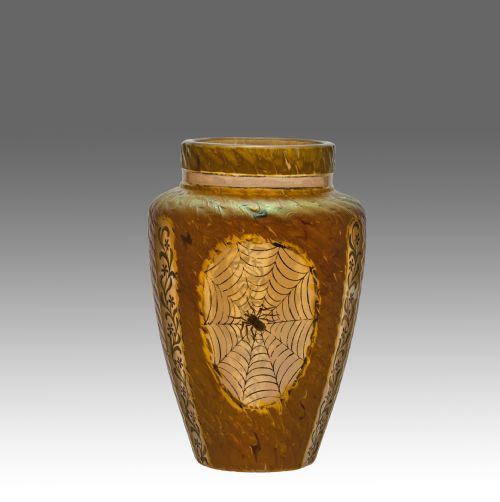
Coloured glass production relied on specialised mineral additions to create deep cranberry tones, turquoise blue, and iridescent effects. Metal mounts in silver plate and sterling silver frequently finished ewers, decanter stands, and whiskey noggins.
Edwardian Glassware Retail Price Guide 2026
Typical asking prices for edwardian glassware among the pieces listed under this phrase on Sellingantiques today, from the lower quarter to the upper quarter. They describe what is for sale here now, not the wider market.
Continental manufacturers such as Loetz and Theresienthal appear alongside prominent English glasshouses in the current selection.
Distinctions in Execution
The degree of hand-finishing and the crispness of the wheel cutting or engraving separate standard production from superior examples. Sharp facets on cut crystal reflect light cleanly, whereas softer edges indicate mass production or simpler moulding.
The integration of metalwork also dictates overall merit, where hallmarked sterling silver mounts demonstrate higher atelier standards than basic silver plate. Furthermore, the application of enamelling and gilding requires precise hand control that elevates a vessel above plain utility.
Stevens and Williams·Loetz·Kralik Glass·Theresienthal·James Powell·Webb Corbett·Rene Lalique
The Edwardian Glassware Glossary
- Cut glass
- Glass decorated by holding it against a rotating wheel to grind geometric or floral patterns into the surface. This technique produces deep, light-reflecting facets.
- Cranberry glass
- Transparent red glass created by adding gold chloride to the molten batch. It is widely seen in nineteenth and early twentieth century tableware.
- Epergne
- A central tabletop centrepiece featuring multiple arms and hanging baskets or trumpets for holding fruit or flowers. They are frequently fashioned entirely from coloured glass.
- Intaglio
- A method of engraving where the design is sunk beneath the surface of the glass rather than left in relief. It yields a subtle, frosted finish when polished.
- Tazza
- An ornate shallow cup or saucer mounted on a stem and foot, used historically for serving small items of food or displaying fruit.
Edwardian Glassware: Frequently Asked Questions
Are these glass items suitable for daily dining?
Many drinking vessels and jugs remain robust enough for regular use at the table. Hand-blown crystal and heavy cut glass function well for modern entertaining when handled with reasonable care.
Items featuring delicate enamel decoration, gilding, or fragile silver mounts require more cautious treatment and hand washing. Reserve those pieces for special occasions to preserve their surface detail.
How do I distinguish Edwardian pieces from Victorian ones?
Edwardian glassware often leans towards lighter, more restrained forms influenced by Art Nouveau and early Arts and Crafts ideals. Victorian pieces frequently display heavier ornamentation, deeper colours, and more complex epergne structures.
Overlapping production dates mean stylistic elements can blur between decades. Examining any accompanying silver hallmarks provides a reliable guide to precise dating.
What is the difference between crystal and glass?
Crystal contains lead oxide, which increases the weight, refractive index, and clarity of the material compared to standard soda-lime glass. This composition allows artisans to cut much deeper, sharper facets into the surface.
Lead crystal also produces a clear, resonant tone when struck gently. Standard glass feels lighter in the hand and disperses light with less brilliance.