
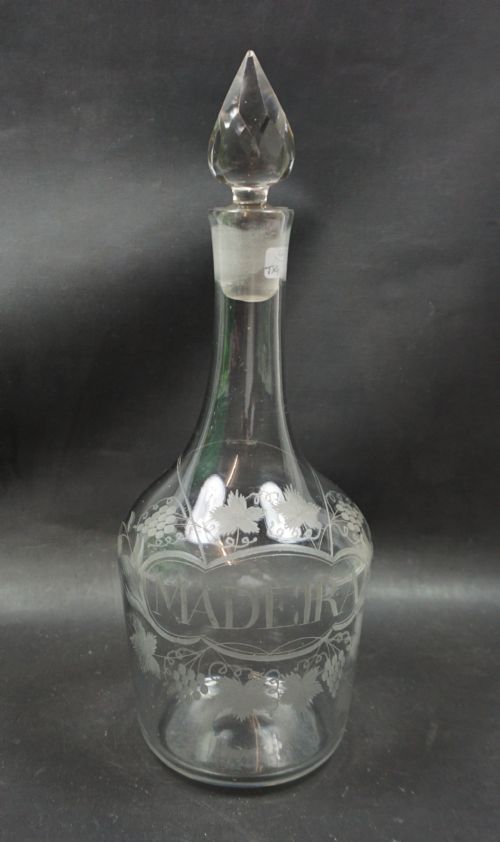

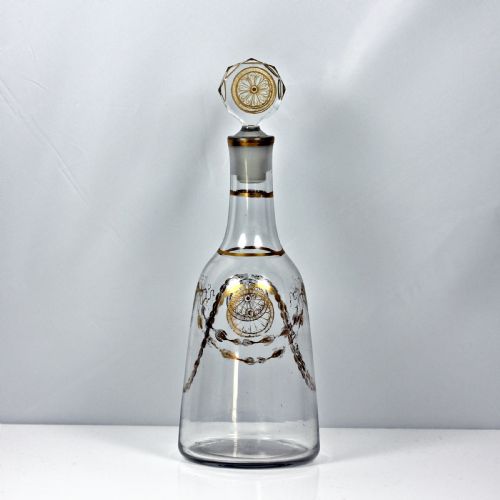


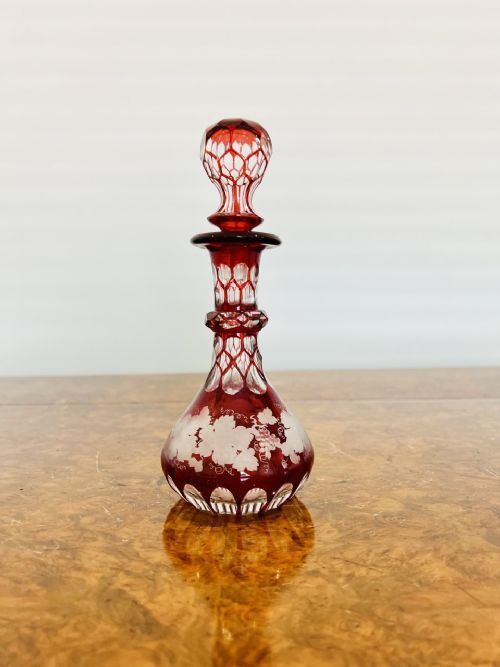


Faceted Stopper Decanter
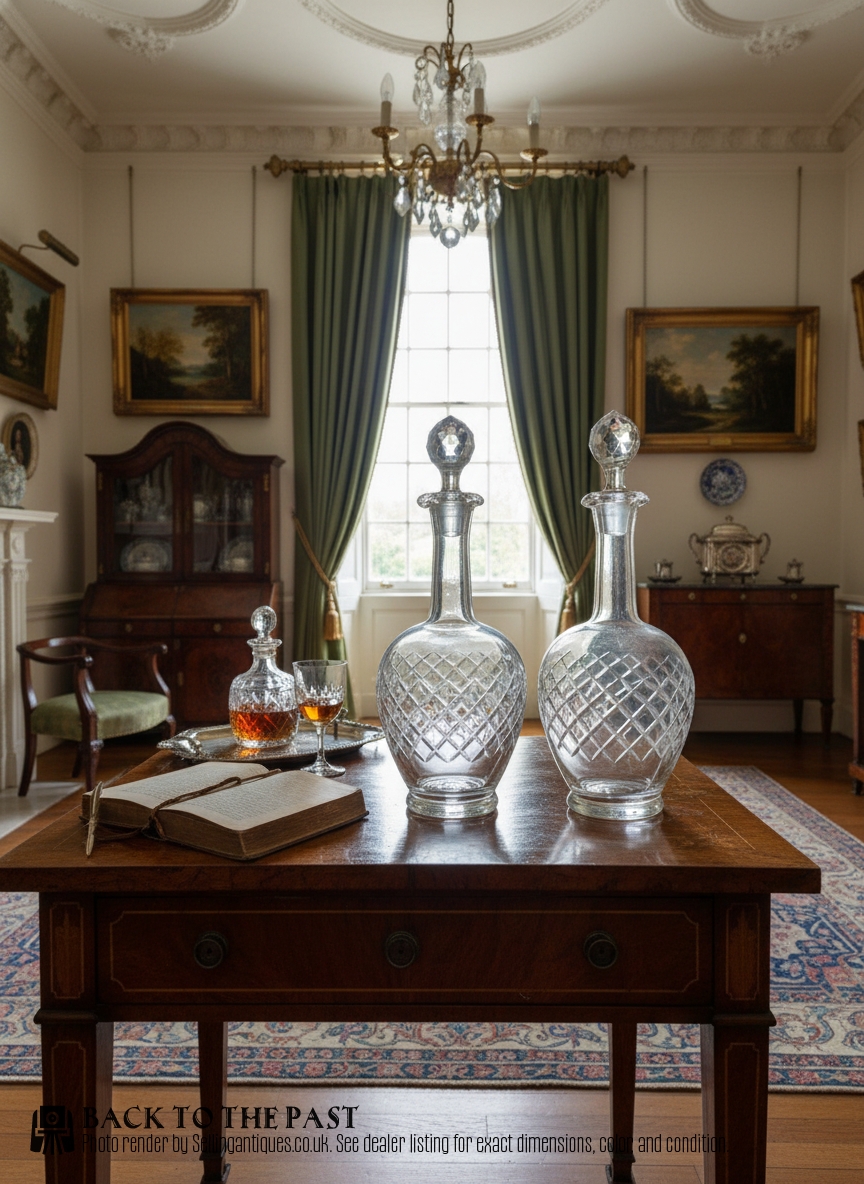
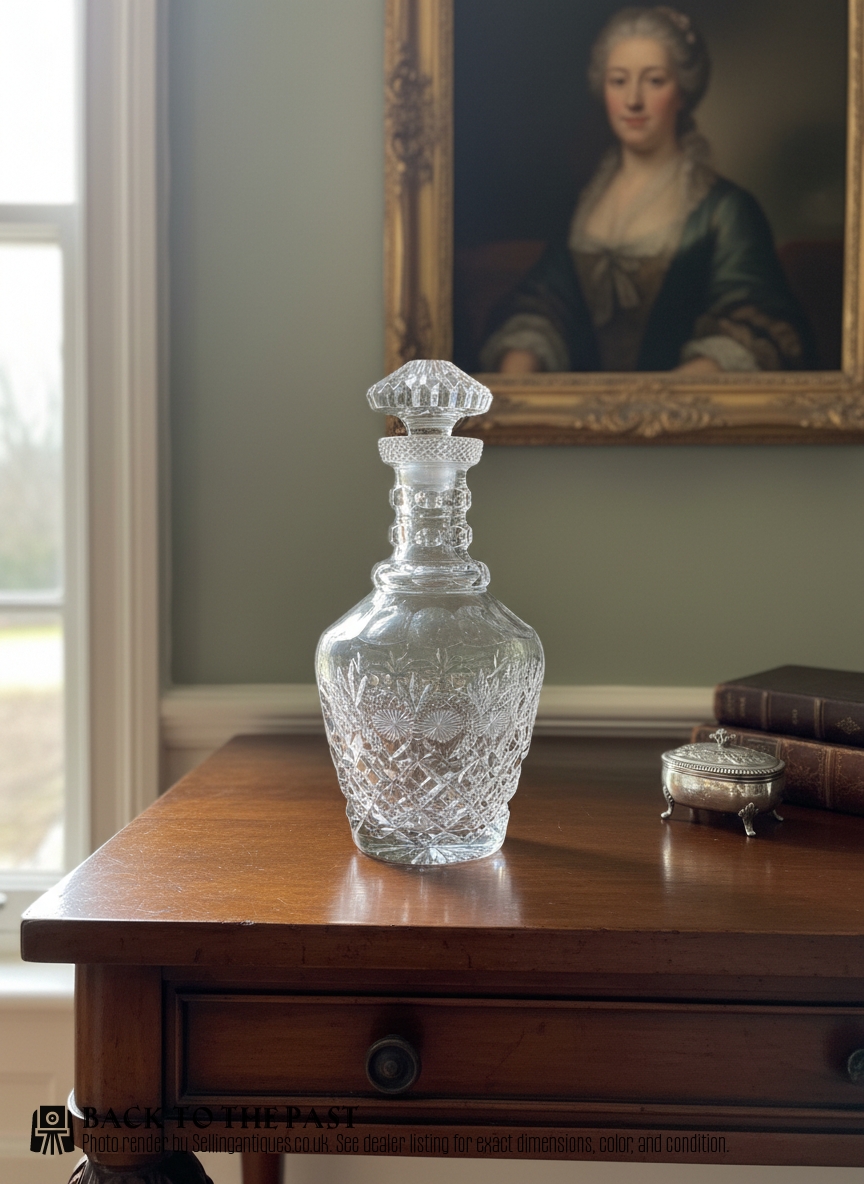
A faceted stopper decanter is a heavy glass vessel designed to hold spirits or wine, topped by a sharply cut lid that catches the light.
Faceted Stopper Decanter
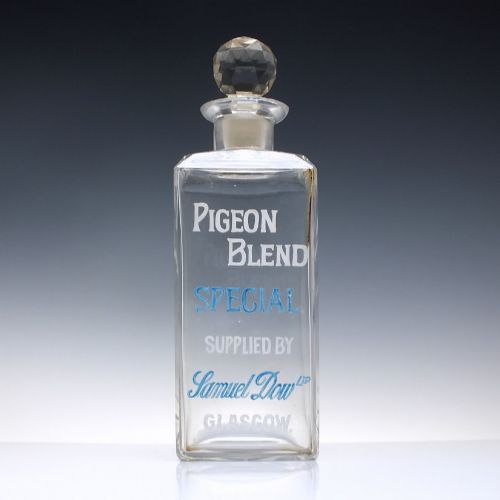
A faceted stopper decanter brings functional elegance to the sideboard, serving spirits and wine while displaying the light-refracting properties of cut glass. When searching for a faceted stopper decanter, a buyer encounters forms ranging from slender Georgian sugarloaf vessels to stout Victorian whisky containers and Edwardian bell-shaped examples.
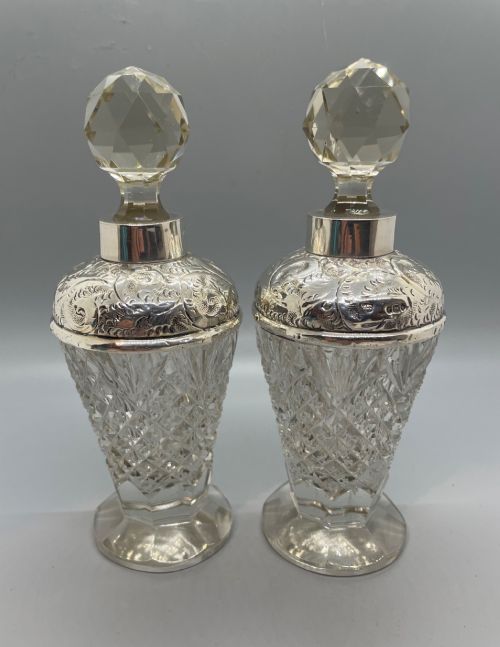
Beyond standard drinks service, the category encompasses related forms such as perfume bottles, scent flasks, and ewers. These smaller iterations share the characteristic cut stoppers and heavy glass bodies found on larger beverage containers.
Materials and Techniques
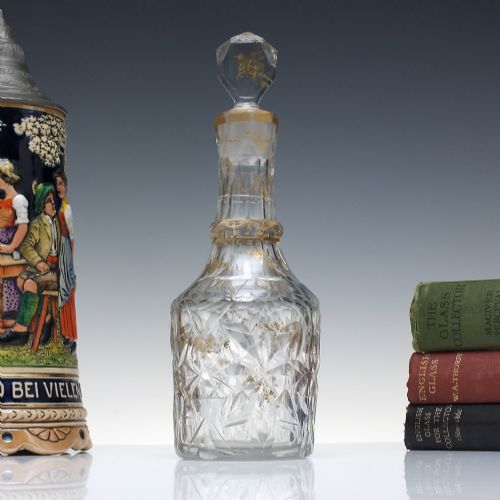
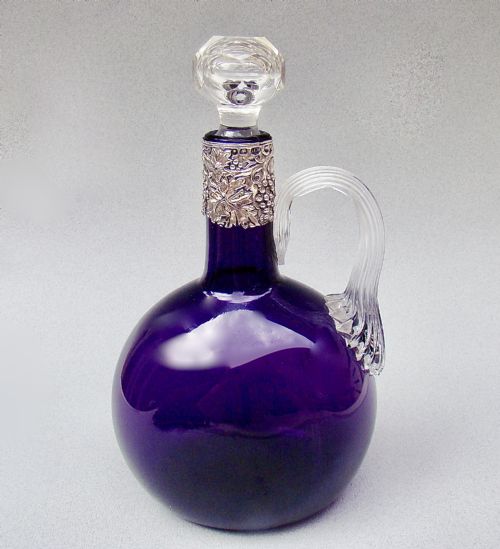
Makers shaped these vessels using clear glass, lead crystal, and occasionally coloured glass such as amethyst or enamelled varieties. Artisans employed cutting wheels to carve geometric facets into the body and the matching stopper, creating sharp edges that diffuse light.
Metal mounts in sterling silver and gold leaf frequently complement the glass work, providing secure collars, engraved labels like Madeira, or locking frameworks from makers such as Betjemann Brothers and Hukin and Heath. Gilding, such as the work attributed to the atelier of James Giles, added painted and fired gold decoration to the exterior surfaces.
Blowing and mould-blowing established the primary vessel shape before skilled hands applied wheel-cutting, engraving, and polishing. This combination of hot glass forming and cold-working produced the heavy, stable bases and precise stopper fits required for liquid storage.
Faceted Stopper Decanter Retail Price Guide 2026
Typical asking prices for faceted stopper decanter among the pieces listed under this phrase on Sellingantiques today, from the lower quarter to the upper quarter. They describe what is for sale here now, not the wider market.
Materials represented include lead crystal, clear glass, amethyst glass, and sterling silver mounted components.
Markers of Quality
Quality rests in the crispness of the cutting and the weight of the glass, where deeper, sharper facets on lead crystal produce a more brilliant refraction than shallow cuts on standard glass. The precision with which a stopper fits its specific neck demonstrates the skill of the original workshop.
The presence of precious metal mounts, particularly hallmarked sterling silver collars or specialised locking mechanisms by known silversmiths, elevates a piece above standard domestic barware. Artistic embellishment, such as fine hand-engraving, enamel work, or period gilding, separates ordinary vessels from exceptional examples.
Proportion and harmony between the vessel body and its faceted stopper dictate visual success. Heavier, well-balanced proportions and clear, unclouded material mark the upper tiers of the surviving pieces.
Atelier of James Giles·Henry Matthews·Betjemann Brothers·Hukin and Heath
The Faceted Stopper Decanter Glossary
- Faceted stopper
- A glass lid shaped with flat polished planes designed to catch and reflect light. This component must match the original neck grinding of the decanter.
- Lead crystal
- A high-clarity glass containing metal oxide that increases weight and refractive index. This material allows for deeper, sharper facet cutting.
- Sugarloaf decanter
- A form characterised by a broad base tapering upward toward the neck, resembling a traditional block of refined sugar. These early vessels often date to the Georgian era.
- Silver collar
- A band of sterling metal fitted around the mouth of the decanter. It frequently bears hallmarks indicating the assay office and date of manufacture.
- Locking decanter
- A beverage container secured with a metal framework and a functional key-operated lock. This mechanism prevented unauthorized access to spirits in period households.
Faceted Stopper Decanter: Frequently Asked Questions
What were faceted stopper decanters used for?
These vessels served to store and pour wine, whisky, and spirits at the dining table or sideboard. The tight-fitting faceted stopper kept contents fresh while protecting fine liquors from air.
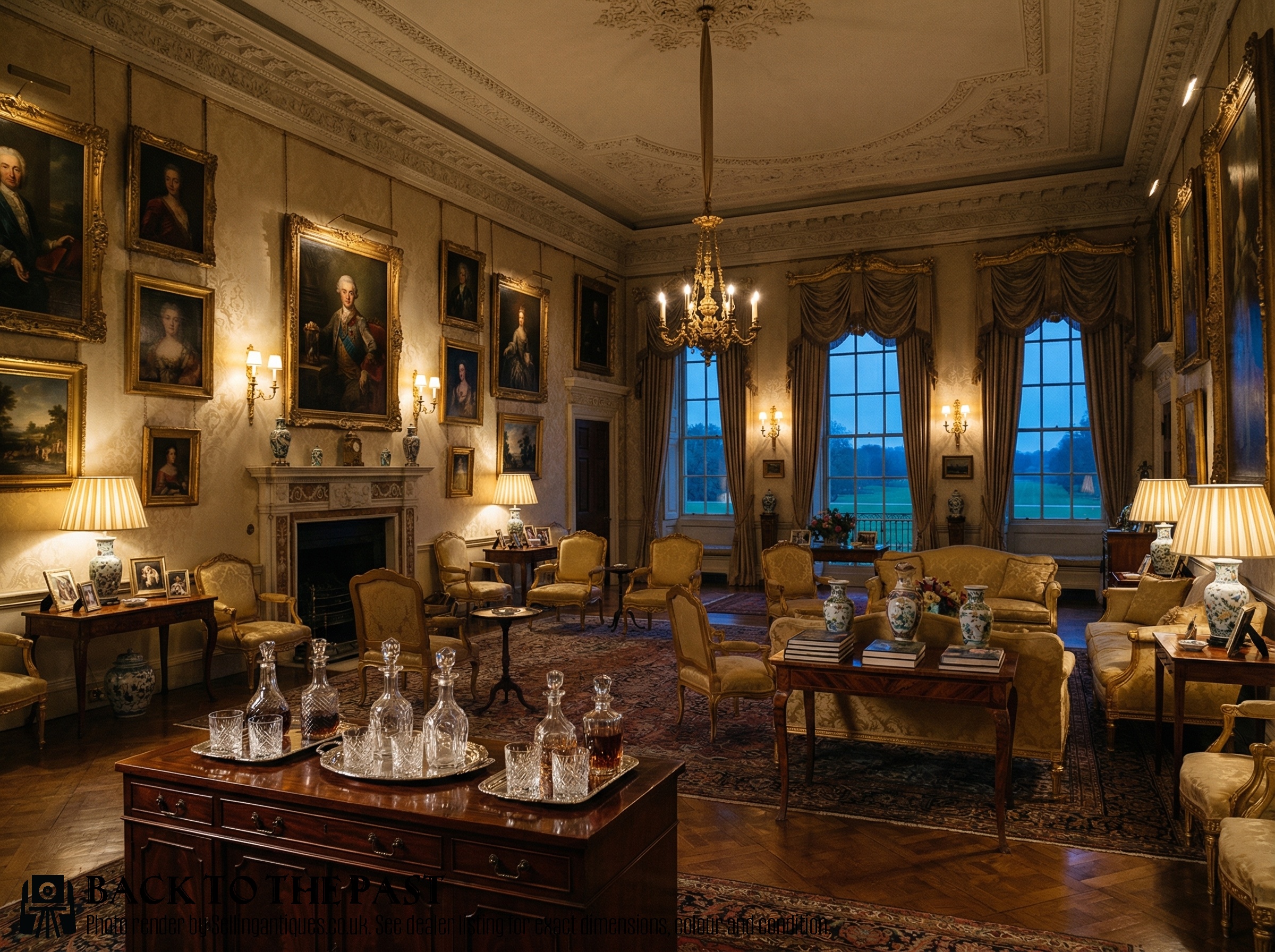
In domestic settings, they functioned as both practical barware and decorative objects displayed on mahogany trays or within fitted tantalus frames.
How do I date an antique decanter?
Dating relies on examining the shape of the body, the style of the cutting, and any accompanying metal elements. Georgian examples often feature heavier kick-up bases and simple geometric cuts, while Victorian and Edwardian pieces show machine-pressed influences or elaborate silver collars.
Hallmarks on silver mounts provide exact assay years and maker marks, offering a reliable point of reference for pieces from the nineteenth century onward.
Can I still use these decanters today?
These glass vessels remain functional for holding and serving wine or spirits provided they receive gentle hand washing. Avoiding sudden temperature changes protects the historical material from thermal shock.
Careful handling of heavy crystal bodies and matching stoppers ensures safe daily use in modern dining environments.
What is the difference between glass and crystal?
Lead crystal contains added metallic oxides that increase the density, resonance, and light-refracting capacity of the material compared to standard glass. This heavier composition permits deeper and sharper facet cutting by the artisan.
Crystal vessels generally produce a clear ringing tone when struck gently and display greater brilliance under direct light.