
Vintage Wine Decanter
A vintage wine decanter brings weight and clarity to the table, and the pieces found here span from heavy cut crystal to silver-mounted glass.
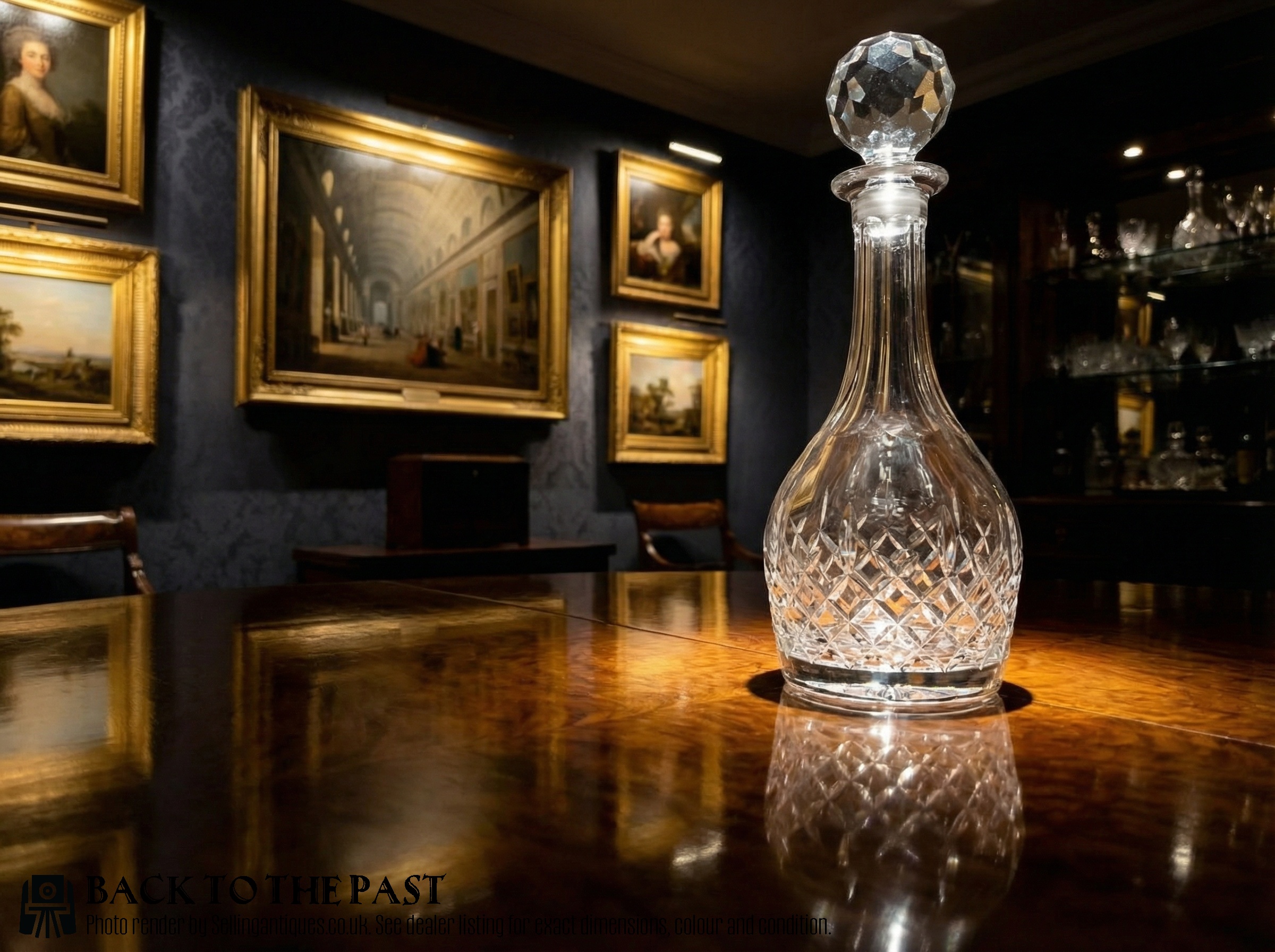
Vintage Wine Decanter
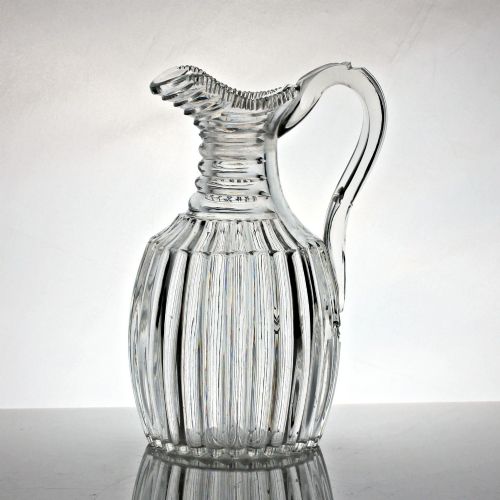
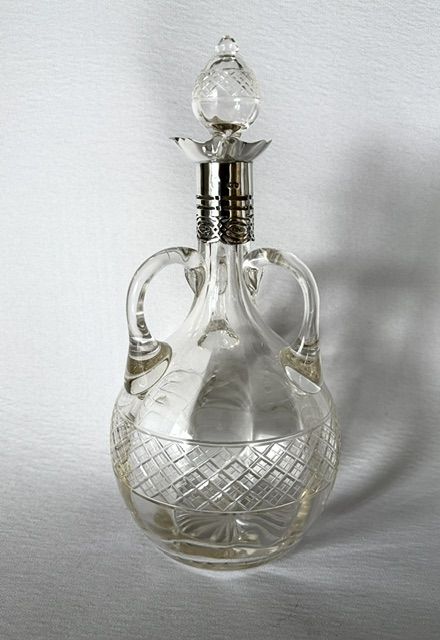
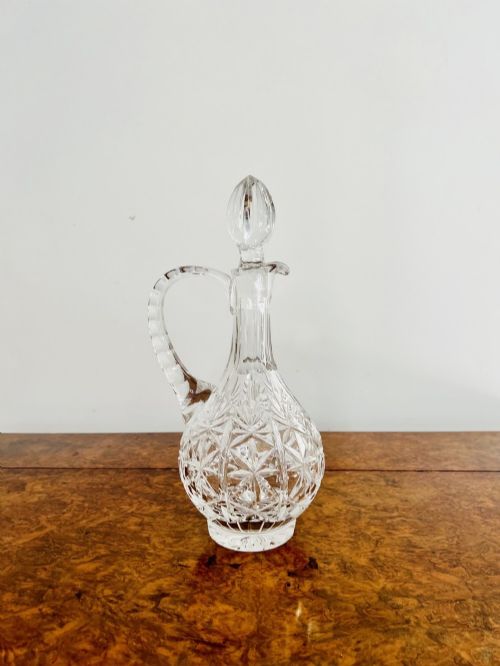
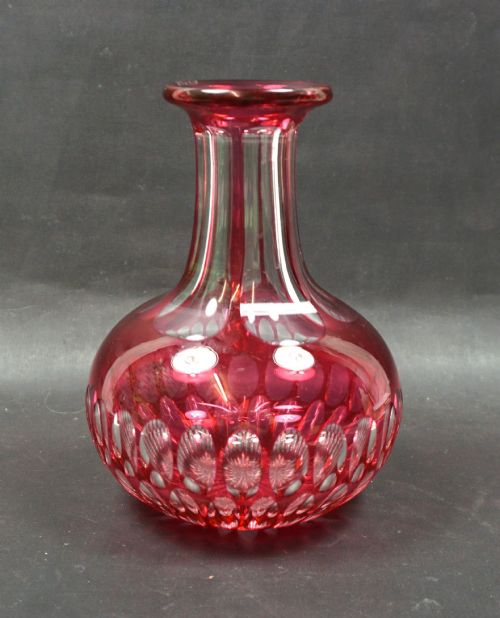
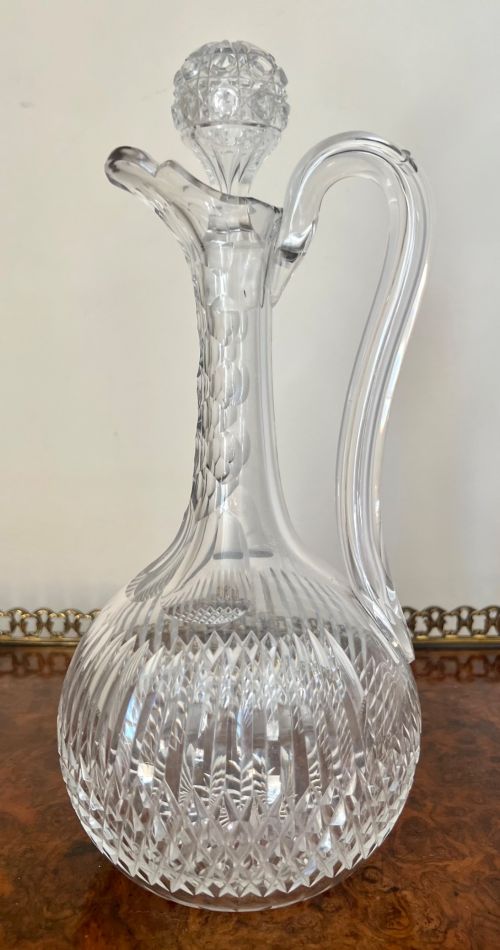
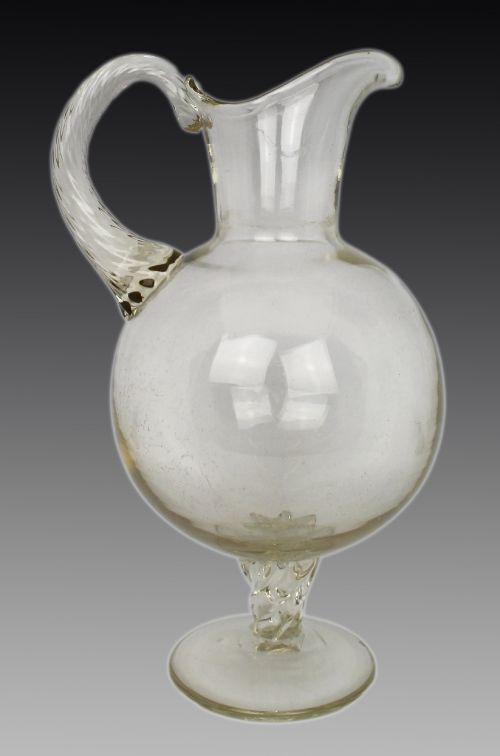
A vintage wine decanter is a vessel designed to hold and serve wine, appearing across this page in forms ranging from tall glass ewers to broad carafes and spirit bottles. Buyers seek these items to present wine properly at the table, drawing on examples shaped by Victorian, Edwardian, and Georgian hands. The selection relies heavily on cut glass and crystal bodies paired with silver collars or mounts, alongside related serving pieces like claret jugs and wine coasters.
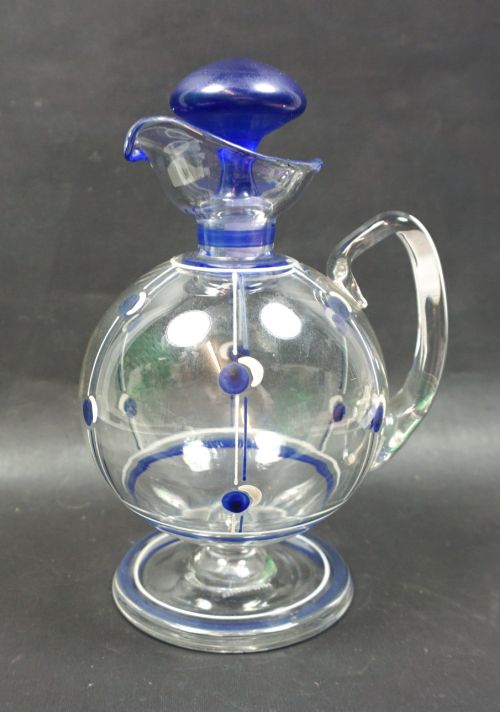
The most common versions met on this page date from the Edwardian period and the nineteenth century, often combining heavy cut glass with silver-plated or sterling silver hardware. Alongside standard decanters, the listings include specialised vessels such as claret jugs, glass ewers with enamel decoration, and occasional mahogany cellarettes or bottle holders. These objects reflect domestic dining habits of the past, when wine service involved distinct jugs, funnels, and labeled bottles.
What varies in quality
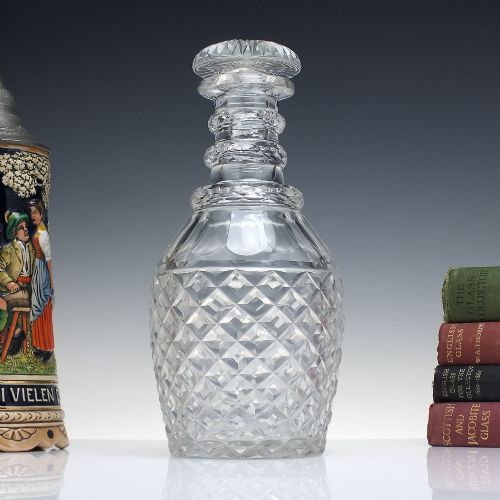
Quality rests upon the crispness of the glass cutting and the weight of the metal mounts, where deeper facets and heavier gauge silver indicate superior execution. The clarity of the crystal and the precision of hand-blown forms distinguish standard production items from finer workshop pieces.
Design details also separate items, such as hand-painted enamel decoration, fully hallmarked silver collars, and balanced proportions in handles and stoppers. Pieces bearing identifiable maker marks or specific regional styles show a higher level of craftsmanship.
Vintage Wine Decanter Retail Price Guide 2026
Typical asking prices for vintage wine decanter among the pieces listed under this phrase on Sellingantiques today, from the lower quarter to the upper quarter. They describe what is for sale here now, not the wider market.
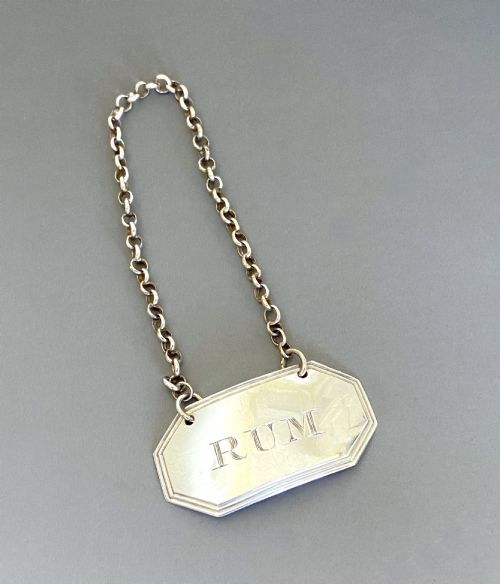
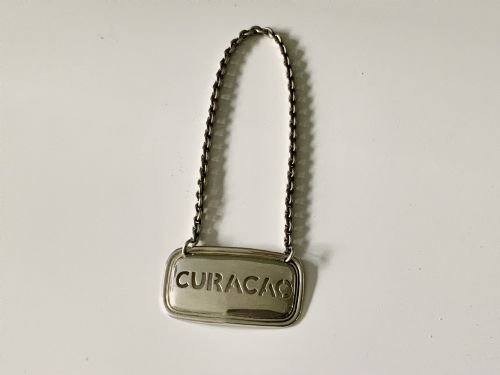
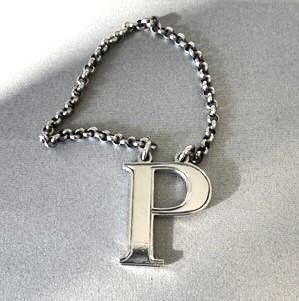
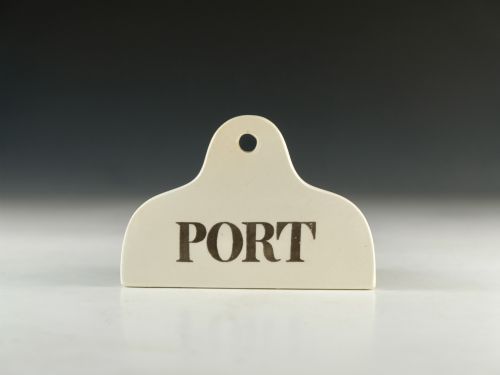
A thirsty butler could easily misidentify the contents without a silver label hanging from the neck.
Elizabeth Morley·Tiffany·Thomas Wallis II·Rene Lalique·Brook and Son
The Vintage Wine Decanter Glossary
- Claret jug
- A specialised pouring vessel designed for red wine, typically featuring a glass body with a hinged silver or silver-plated lid and handle.
- Decanter label
- A small metal tag hung by a chain around the neck of a bottle to identify the contents, such as port or rum.
- Cellarette
- A fitted cabinet or box used to store bottles of wine and spirits securely, often made from mahogany or padouk.
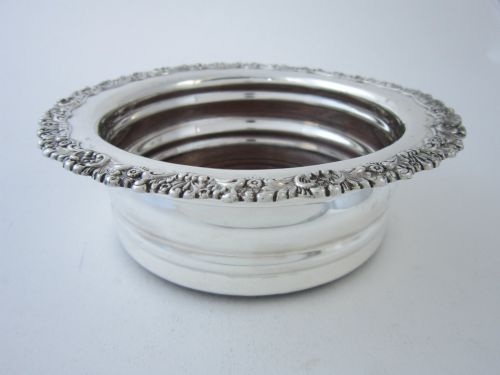
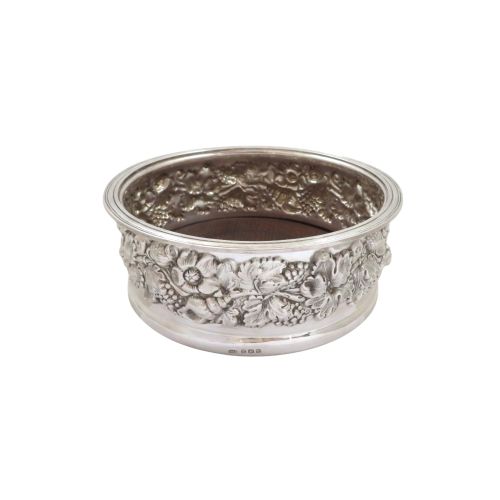
- Wine coaster
- A small tray or stand with a raised rim, frequently fashioned from wood and silver plate, used to protect the table from bottle rings.
- Lead crystal
- Glass containing metal oxides that increases refractive index and weight, allowing for deep, sharp wheel-cutting.
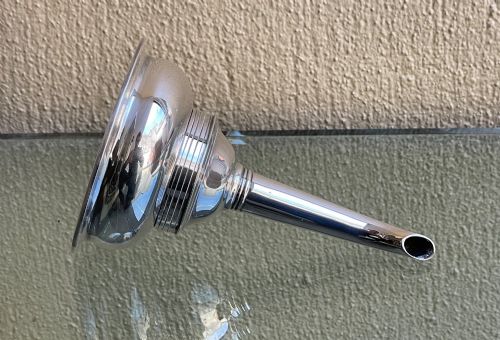
- Wine funnel
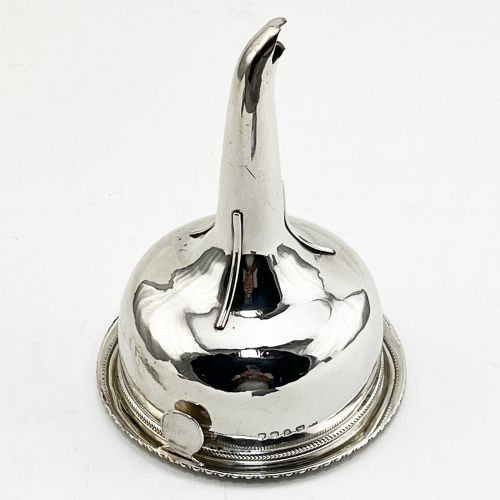
- A metal funnel fitted with a strainer, used in Georgian and Victorian times to decant wine while catching sediment.
Vintage Wine Decanter: Frequently Asked Questions
How do I clean an old decanter?
Residue inside glass vessels requires gentle treatment using warm water and non-abrasive cleaning beads rather than harsh detergents.
After washing, leave the stopper out completely to allow air circulation until the interior dries thoroughly.
Are silver mounts marked for age?
Sterling silver collars and labels frequently carry hallmarks indicating the assay office, maker, and year of manufacture.
These tiny stamped symbols provide a reliable method for dating the metal components of the piece.
Can I use these for daily dining?
Most glass decanters and jugs remain fully functional for serving wine and water at modern tables.
Hand washing protects the older glass and silver surfaces from the heat of automatic dishwashers.
How do I date a cut glass decanter?
The style of the cutting, the shape of the neck, and the presence of a polished pontil mark help determine the era.
Victorian and Georgian pieces often display heavier lead weight and distinct hand-cut facets compared to later production.