

Antique Crystal Carafe
These antique crystal carafe pieces bring cut glass and silver mounts to the table, offering a functional serveware tradition for wine and water.
Antique Crystal Carafe
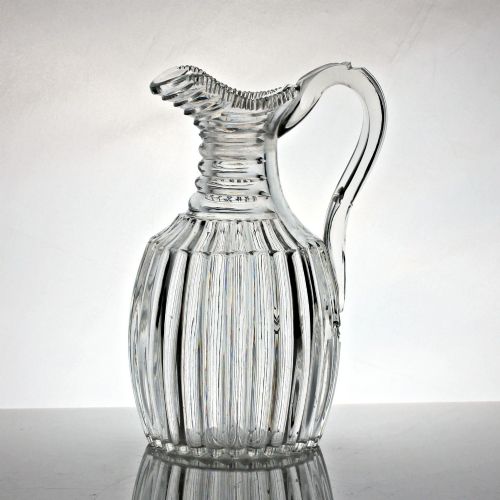
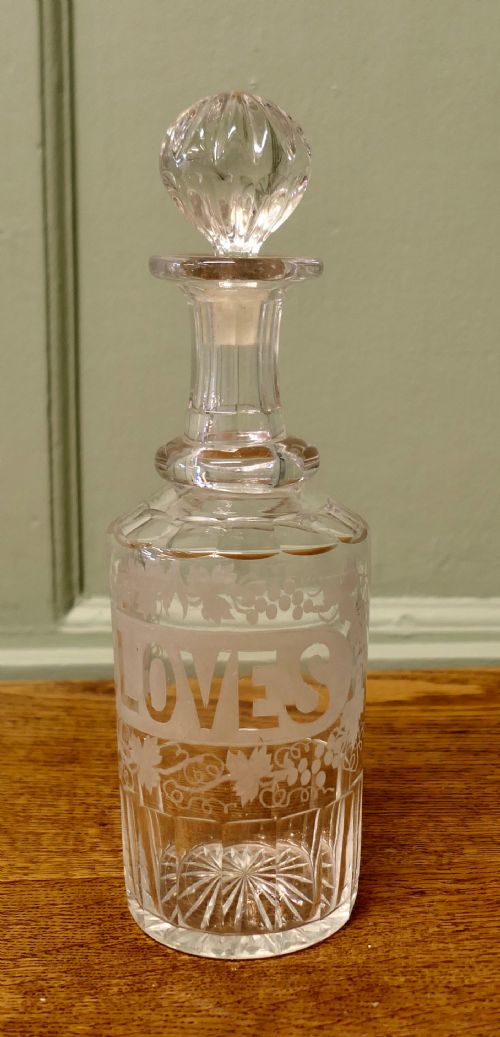
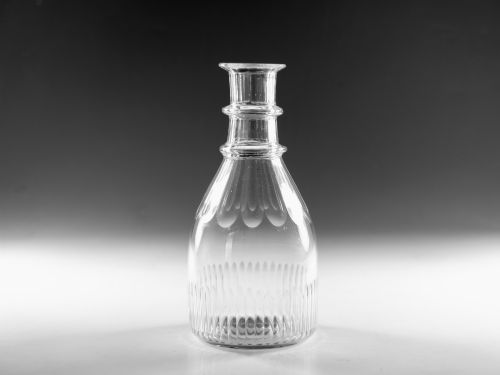
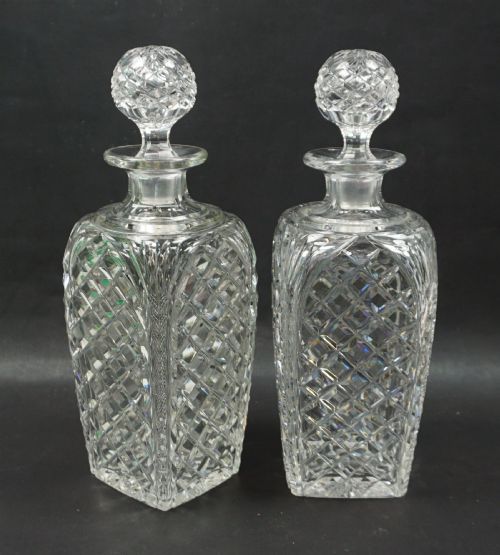
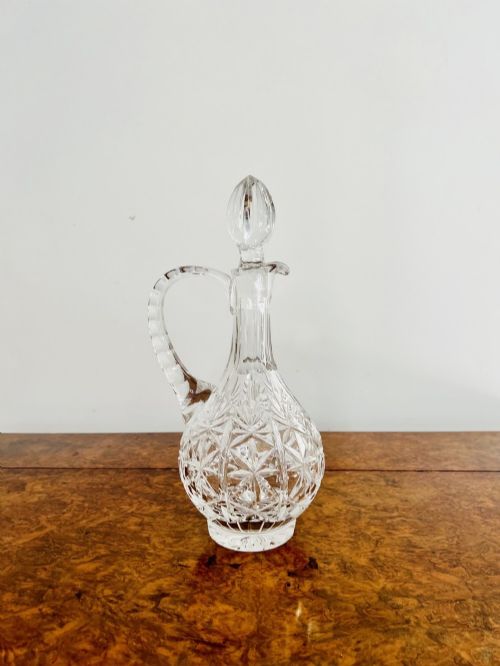
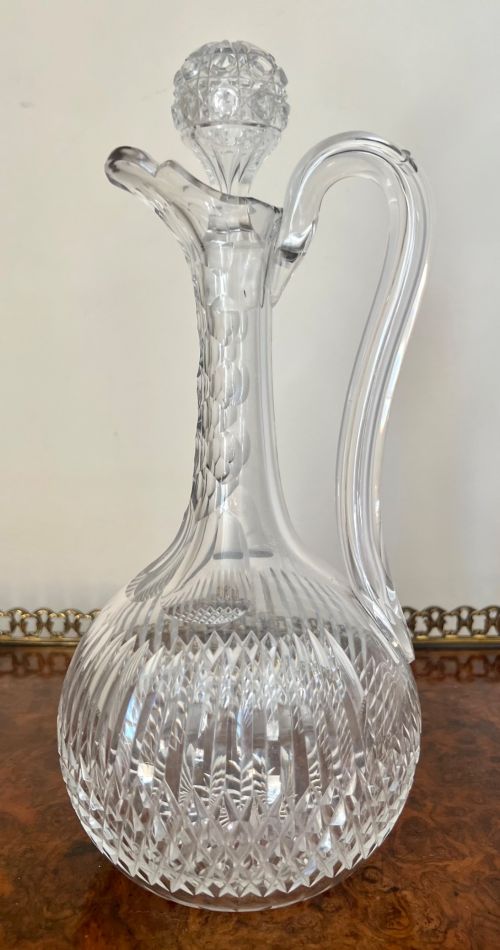
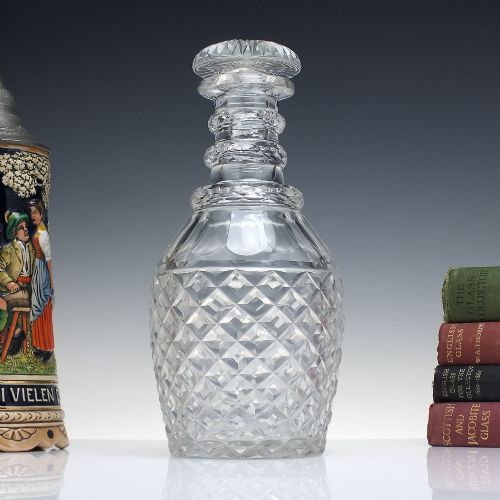
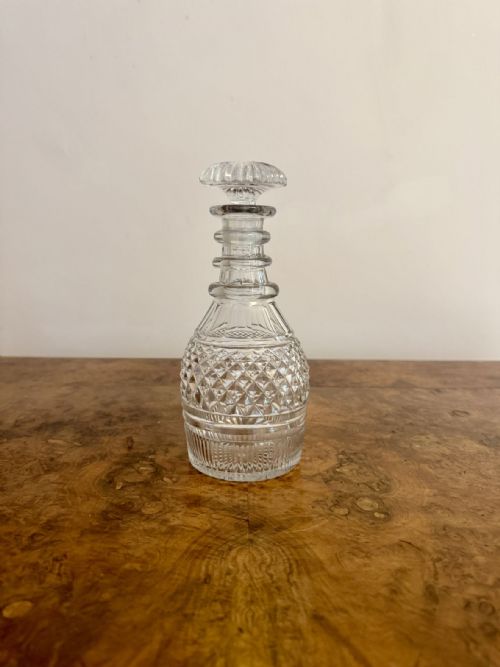
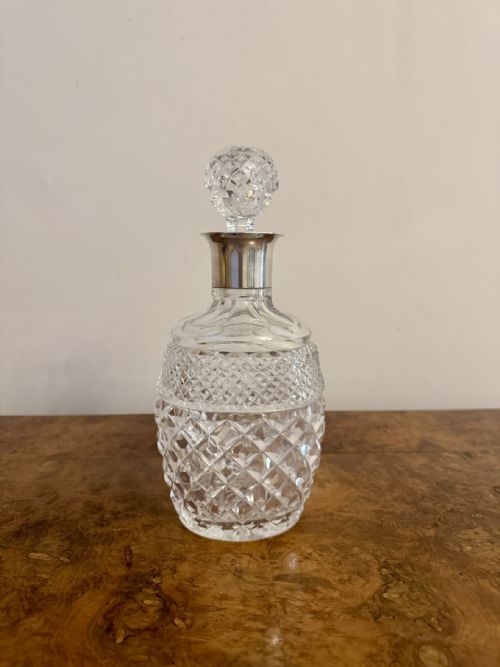
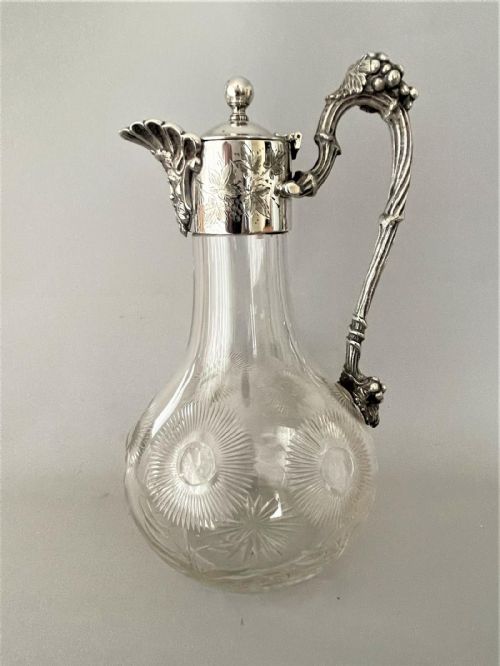
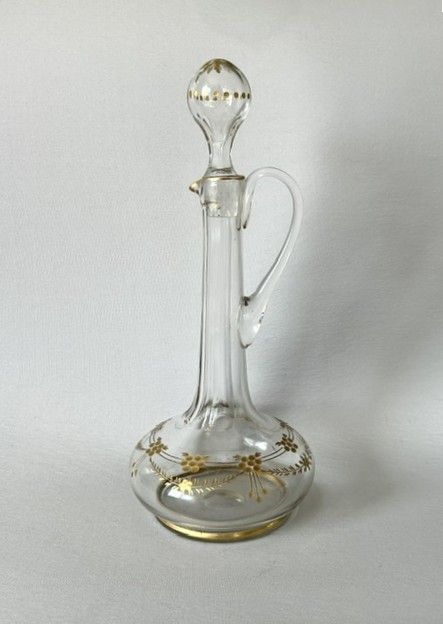
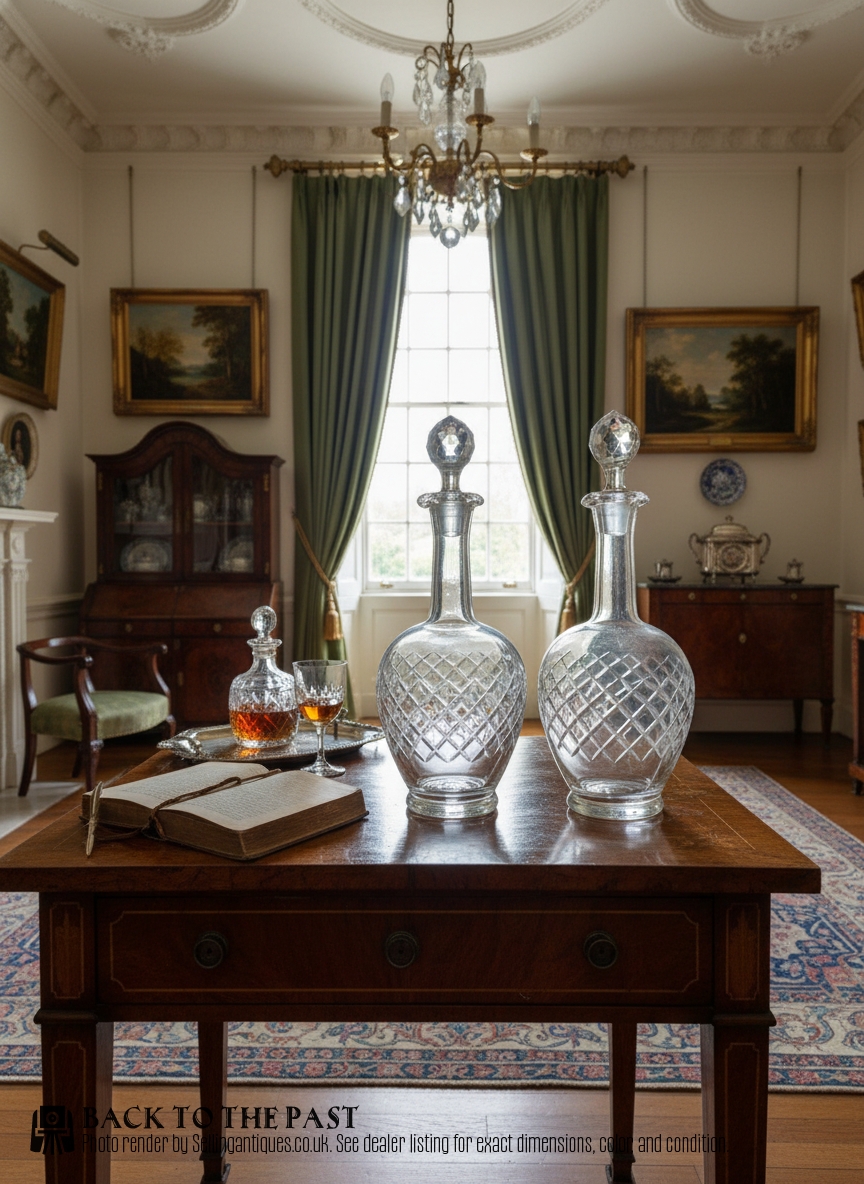
An antique crystal carafe takes many forms across the selection, including claret jugs, water pitchers, and shaft and globe decanters designed for serving wine or spirits at table. Buyers encounter vessels spanning the Georgian, Victorian, Edwardian, and Art Deco periods, alongside Bohemian and Irish origins.
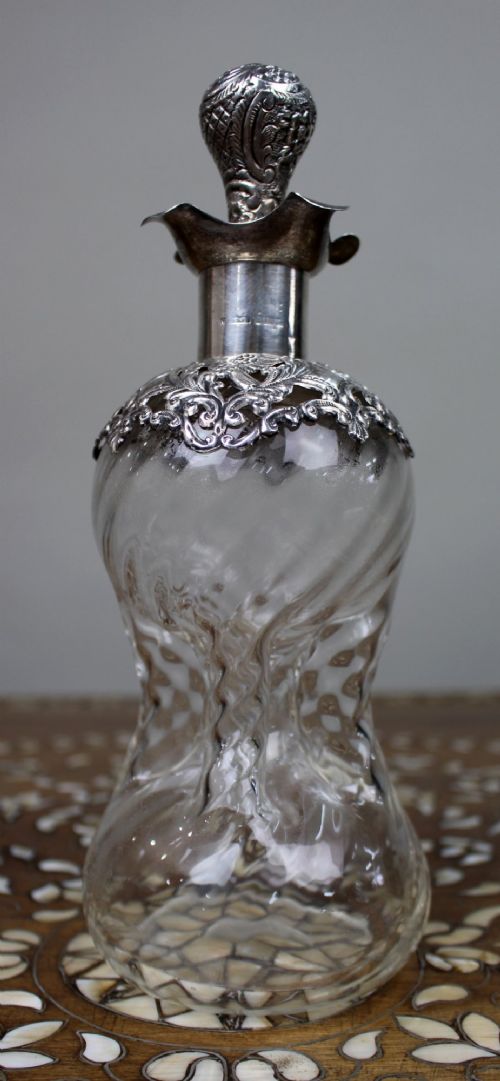
The version most commonly met on this page is the Edwardian cut glass decanter, often shaped with a bell profile or fitted with a silver collar. Alongside these, nineteenth-century examples appear frequently, utilising heavy cut crystal and engraved glass.
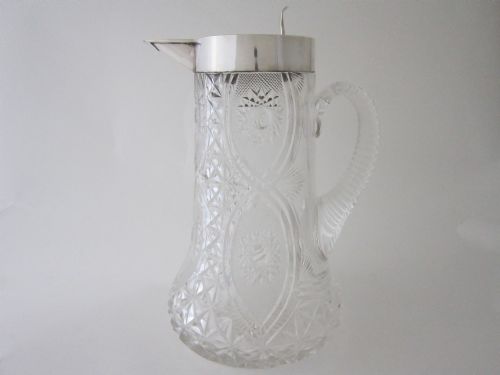
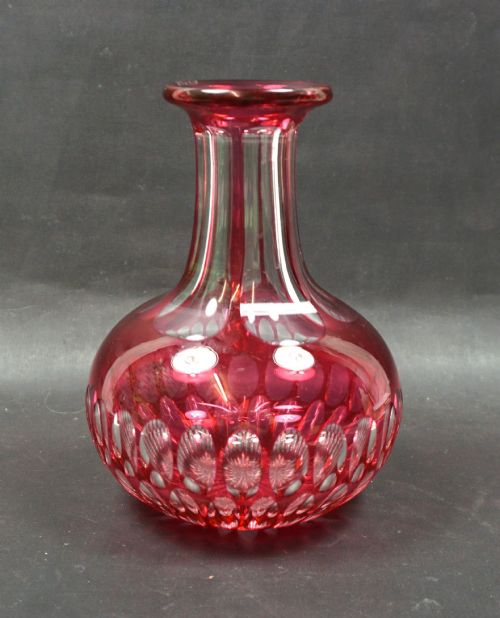
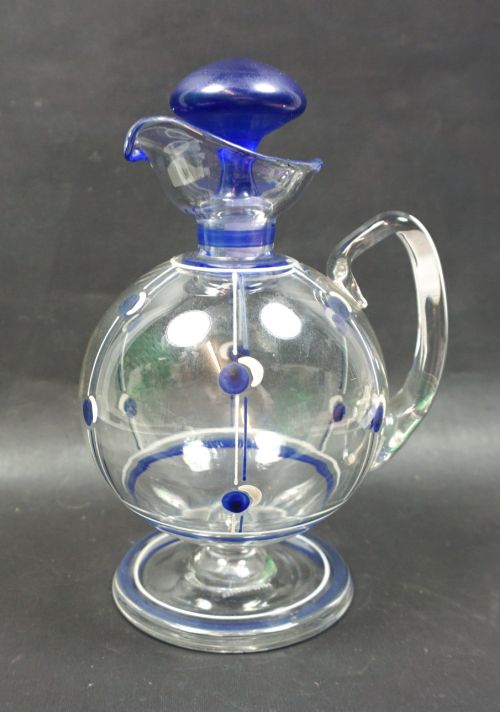
Makers and workshops pair clear lead crystal with sterling silver or silver plate mounts, while coloured variants such as cranberry, cobalt, and amethyst glass broaden the range. Formats range from square section tapered vessels to large shoulder decants.
Materials and manufacture
Glassmakers form these vessels using lead crystal, cut glass, and standard glass, applying pillar and prism cutting, wheel engraving, or enamel decoration directly to the body. Coloured glass pieces utilise overlaid techniques, seen in cranberry and cobalt examples.
Silversmiths complete many vessels by adding sterling silver or silver-plated collars, handles, and mounts, such as Bacchus masks or serpent handles. These metal fittings secure directly to the glass neck or pourer.
Antique Crystal Carafe Retail Price Guide 2026
Typical asking prices for crystal carafe among the pieces listed under this phrase on Sellingantiques today, from the lower quarter to the upper quarter. They describe what is for sale here now, not the wider market.
Several Victorian jugs feature cast serpent handles winding up the neck, ready to pour your claret with a silent hiss.
Assessing quality and craftsmanship
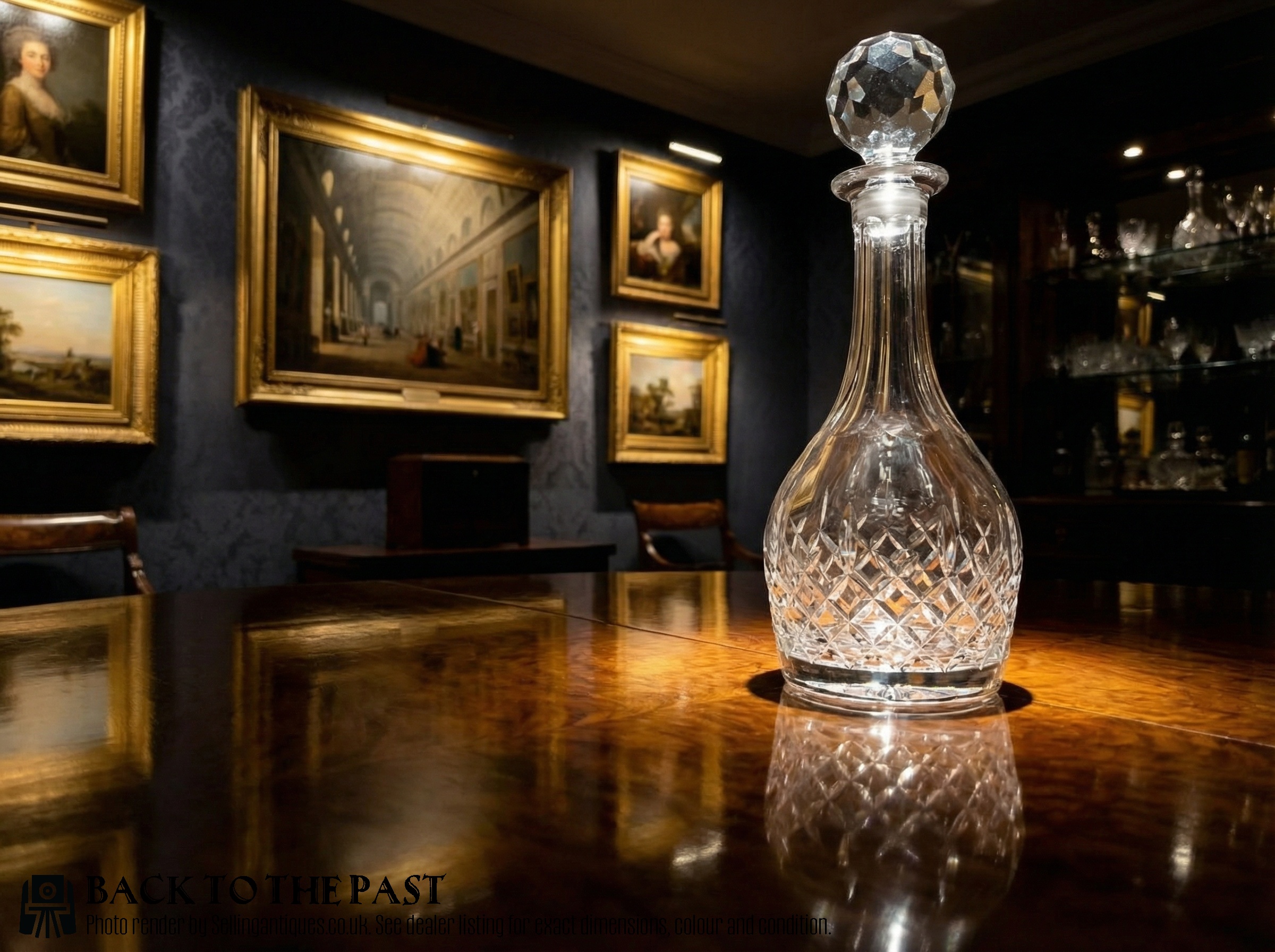
Quality rests upon the depth and crispness of the glass cutting, where sharp pillar and prism facets reflect light cleanly compared to softer moulded surfaces. Weight and clarity of the lead crystal also separate standard vessels from finer productions.
The execution of silver mounts dictates distinction, with heavy sterling silver collars, detailed chased work, and cast figural handles demonstrating superior workshops over simple silver plating.
Asprey and Co. Ltd
The Antique Crystal Carafe Glossary
- Cut crystal
- High-clarity glass containing lead oxide, shaped by grinding and polishing geometric or floral patterns into the surface.
- Claret jug
- A specialised pouring vessel designed for red wine, frequently fitted with a hinged silver lid and handle.
- Silver collar
- A metal band fitted around the neck of a decanter, often hallmarked to indicate the year and maker of the silver mount.
- Shaft and globe
- A traditional vessel profile featuring a long narrow neck rising above a spherical body.
Antique Crystal Carafe: Frequently Asked Questions
What is an antique crystal carafe used for?
These vessels serve wine, water, and spirits at the dining table, combining practical liquid containment with decorative glass display.
Historically, they held claret, port, or Madeira, allowing the contents to breathe before pouring into glasses.
How do I date an antique crystal carafe?
Dating relies on stylistic clues, glass cutting depth, and any accompanying metal mounts or silver hallmarks.
Georgian pieces display heavy hand-cutting and pontil marks, while Edwardian and Art Deco examples adopt cleaner geometric or enamelled lines.
Are silver mounts marked on these decanters?
Many silver collars and handles carry hallmarks indicating the assay office, metal purity, and year of manufacture.
Unmarked silver plate mounts rely on style and period context for identification.
How should I clean a cloudy antique carafe?
Cloudiness from mineral deposits requires gentle treatment using warm water, vinegar, and non-abrasive cleaning beads.
Avoid harsh scrubbing or sudden temperature changes to protect the historic lead crystal.