

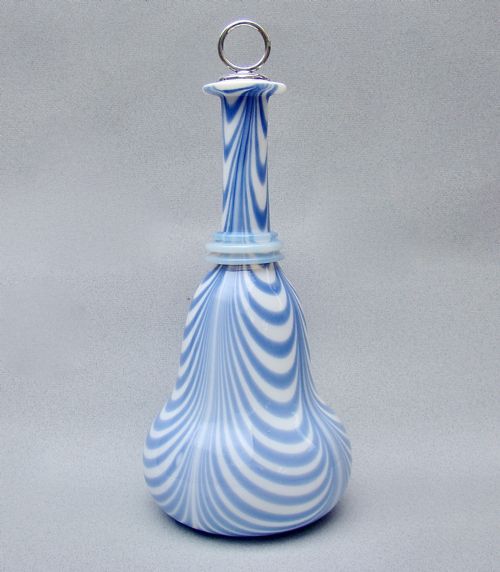
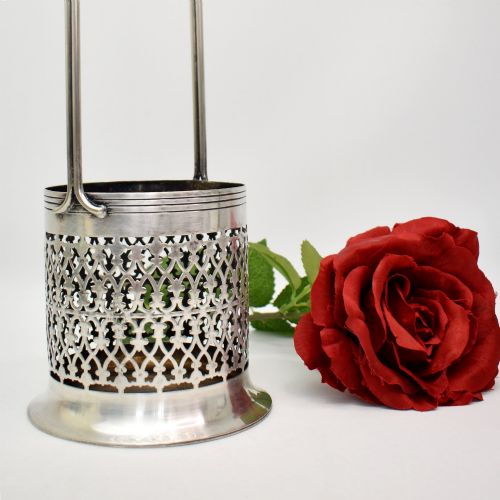
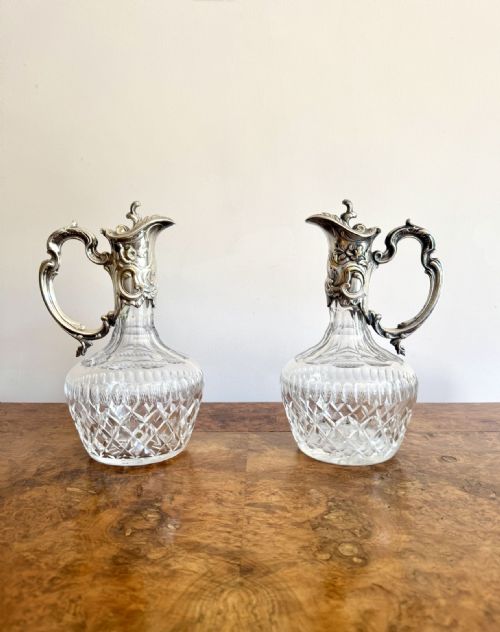
Silver Plate Decanter
Silver plate decanter options span ornate Victorian claret jugs and sturdy Edwardian stands, bringing period hospitality straight to the dining table.
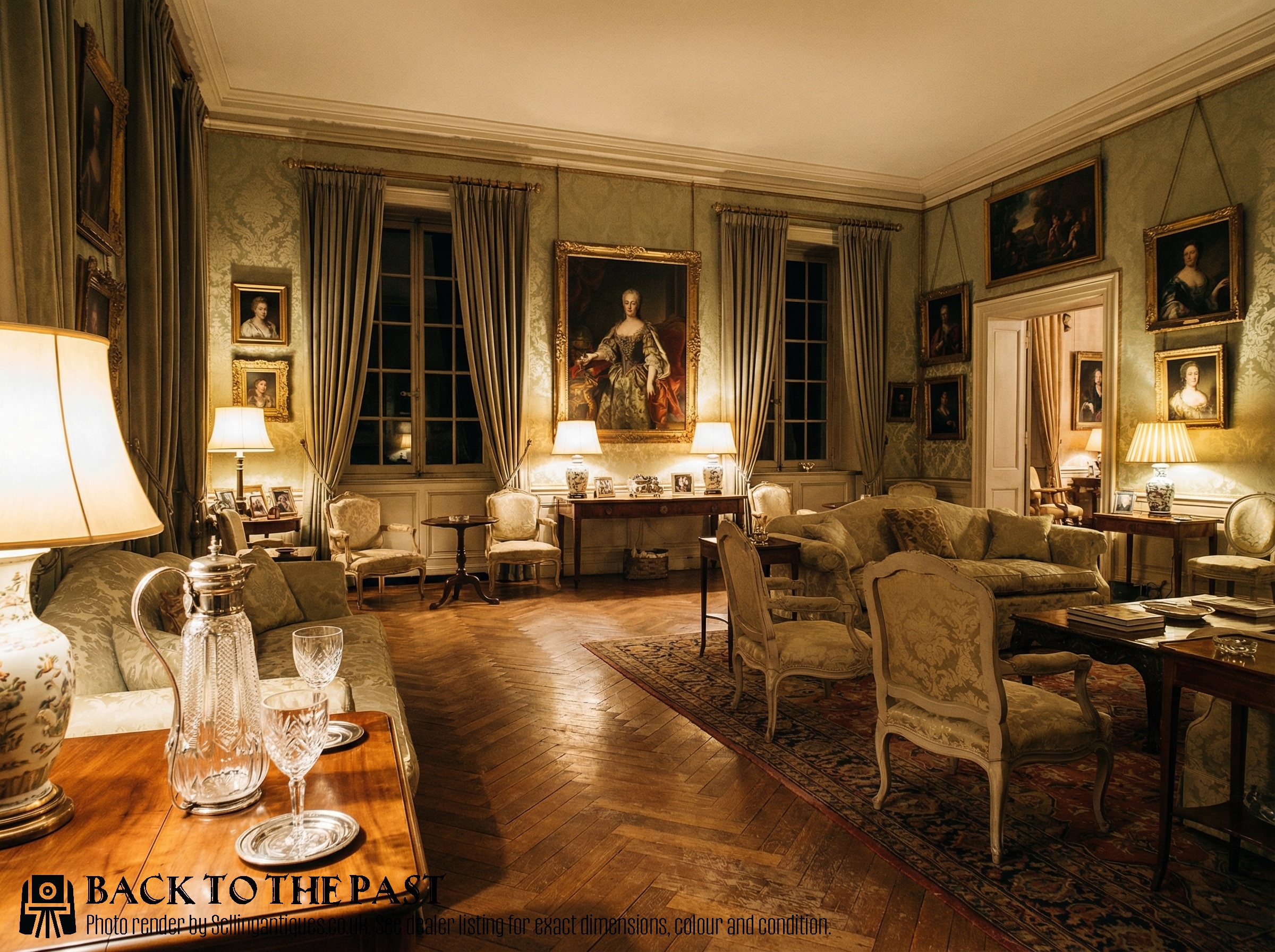
Silver Plate Decanter
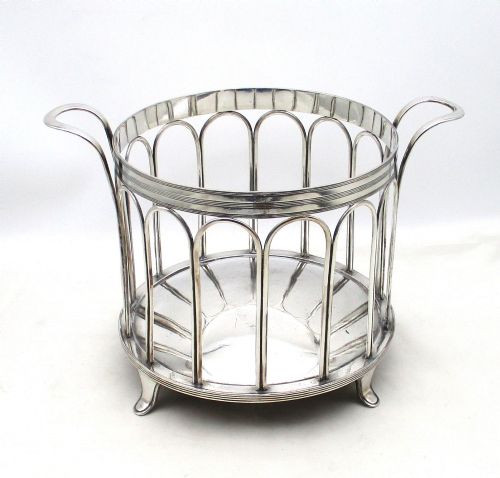
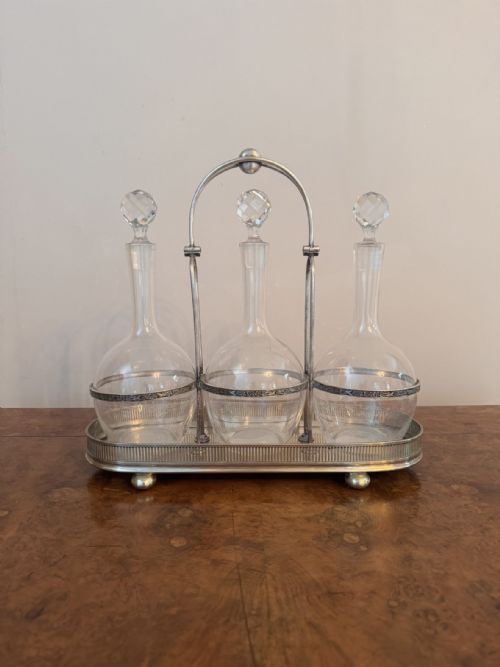
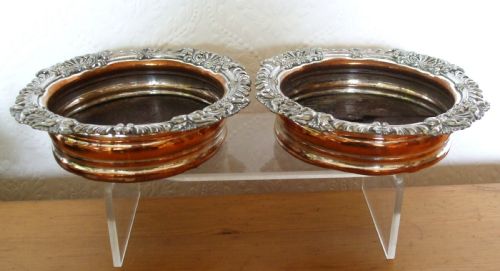
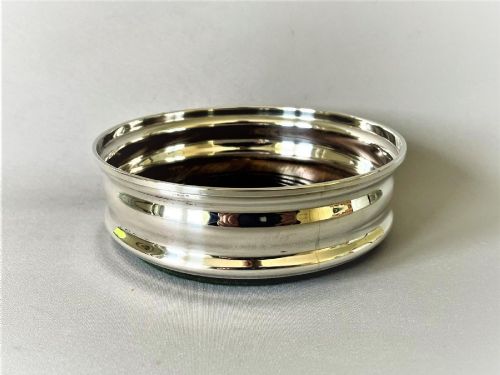
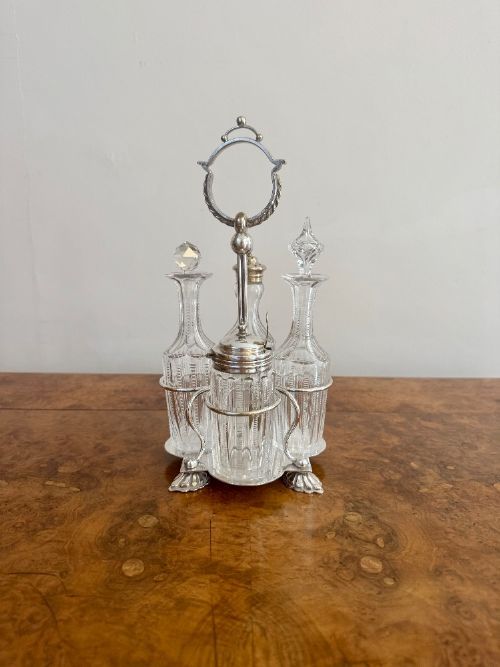
A silver plate decanter grouping encompasses vessels, coasters, frames and locking tantalus sets designed to hold and pour wine or spirits. These pieces combine metal mounts with glass bodies, ranging from single table jugs to multi-bottle stands.
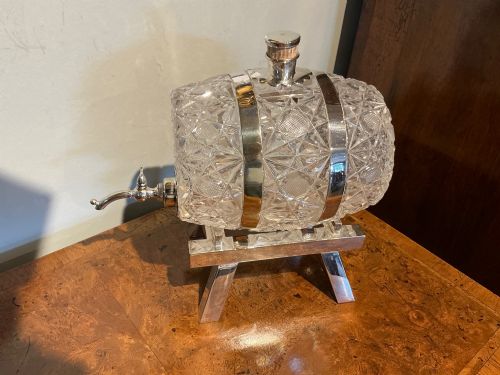
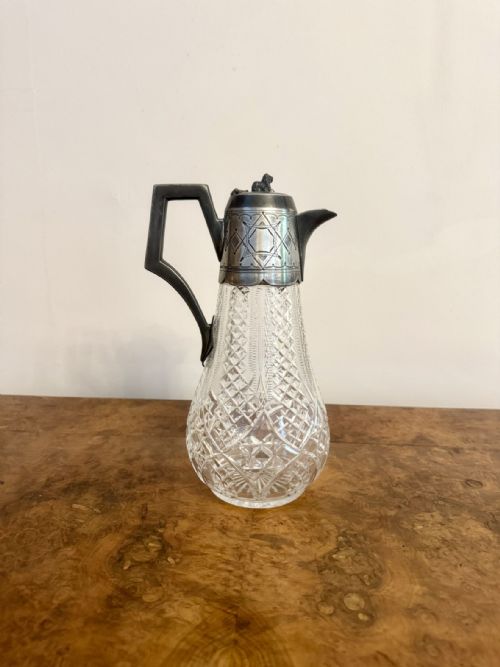
The objects stem predominantly from the nineteenth and early twentieth centuries, covering Victorian, Edwardian and Old Sheffield plate production. Common formats include claret jugs, wine coasters, spirit barrels and framed bottle sets.
The selection reflects the dining rituals of past eras, where presentation of beverages mattered as much as the contents. Surviving examples demonstrate how households served claret, whisky and sherry using silver plated hardware.
How They Were Made
Makers fused thin sheets of silver onto copper bases using early Old Sheffield plating methods, or applied a later electroplate layer over base metals. This technique allowed intricate mounts, handles and collars to mimic solid silver at a lower cost.
Glass bodies were typically blow-moulded or cut by hand, producing clear, Bristol green, cranberry or amber vessels designed to fit snugly within metal frames and coasters. Engraving and wheel-cutting added decorative detail to the glass surfaces.
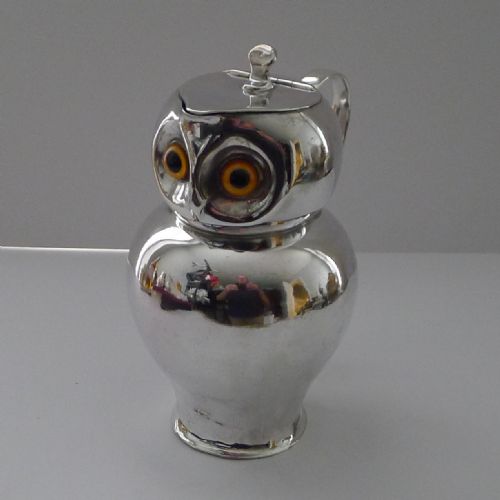
Owl-shaped novelty jugs stare back from the sideboard with curious glass eyes.
What Varies in Quality
Quality rests on the crispness of the cast mounts and the depth of the silver layer over the underlying base metal. Heavier Old Sheffield pieces show careful fusing, whereas finer electroplated items display sharp, detailed chasing without base metal showing through worn spots.
The standard of the glass body dictates overall merit, with heavy cut crystal and rich coloured glass elevating the piece. Matching sets where every bottle and stand share identical manufacture represent higher grade production.
Walker & Hall·Brook & Son Edinburgh·Mappin & Webb·Martin Hall & Co·Henry Wilkinson & Co·Marples & Co·John Grinsell & Son
The Silver Plate Decanter Glossary
- Old Sheffield Plate
- An early method of fusing a thin sheet of silver to a copper core before electroplating was invented. Pieces often reveal a subtle copper line at the edges.
- Claret Jug
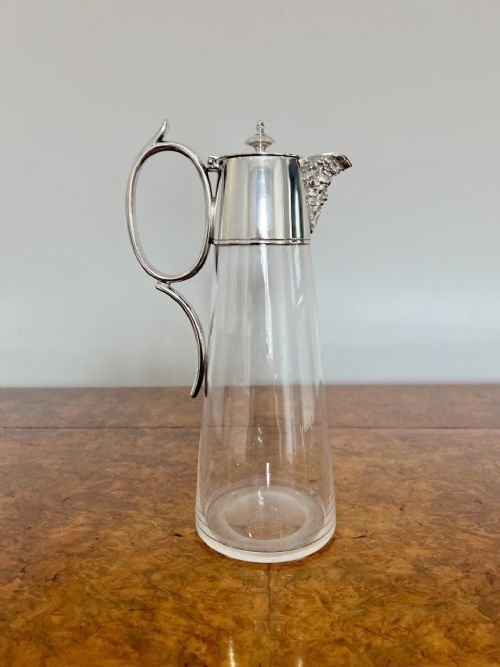
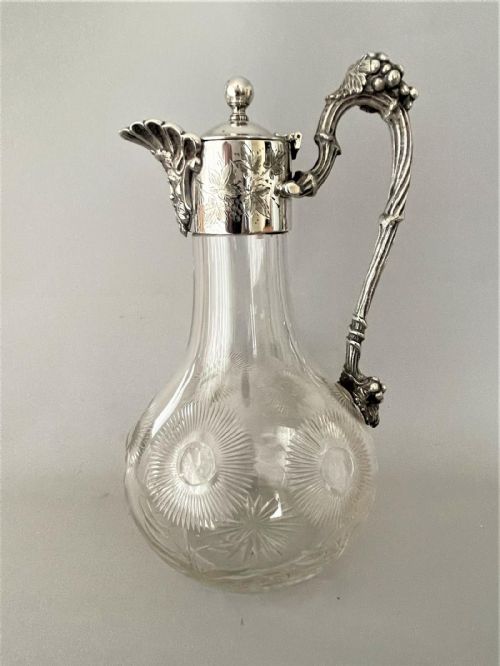
- A pouring vessel designed specifically for red wine, usually featuring a glass body with a hinged silver plated mount and handle. They became popular during the Victorian period.
- Tantalus
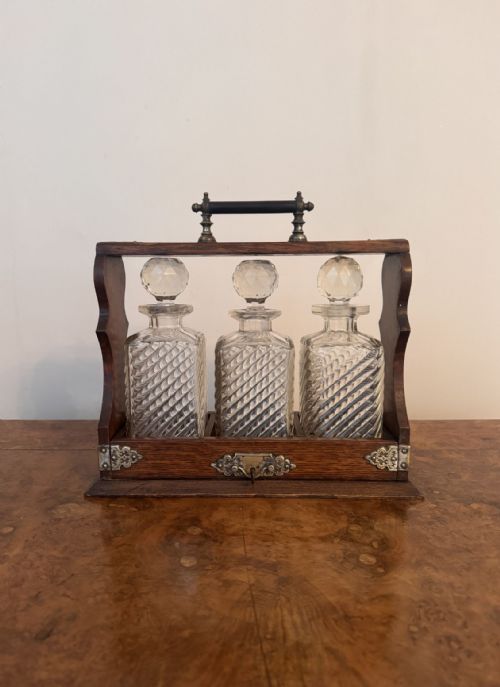
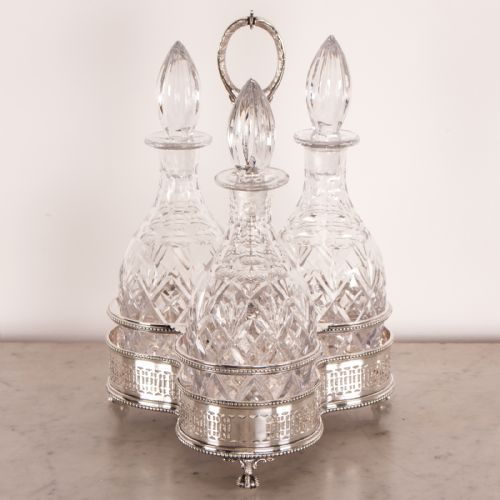
- A locking frame that secures decanters in place to prevent unauthorised access to the spirits inside. The bottles cannot be removed until the wooden or metal bar is unlocked.
- Bottle Coaster
- A small stand with a raised rim, often lined with wood or felt, used to slide wine bottles across the table. They protect polished surfaces from moisture rings.
Silver Plate Decanter: Frequently Asked Questions
What is a tantalus?
A tantalus is a locking frame that holds decanters securely inside a metal or wooden stand. The locking mechanism prevents guests or servants from accessing the contents without a key.
These security stands became status symbols in middle-class and wealthy homes during the Victorian and Edwardian eras. They are usually fitted with cut glass or crystal decanters.
Are these decanters safe for wine?
Most antique decanters remain suitable for holding wine and spirits, provided the interior glass is thoroughly washed and inspected. Ensure any stoppers fit snugly to preserve the contents.
Older lead crystal can leach trace amounts of lead if liquids are stored inside for extended periods. Pouring wine for immediate consumption minimises any risk.
How do I date my piece?
Dating relies on stylistic clues, manufacturing techniques, and any maker marks stamped onto the metal mounts. Old Sheffield plate generally indicates production before the mid-nineteenth century.
Victorian pieces often feature heavy cut glass and ornate floral chasing, while Edwardian designs lean towards cleaner lines and oak frames. Examining screw threads, hinges and glass pontil marks provides further chronological clues.